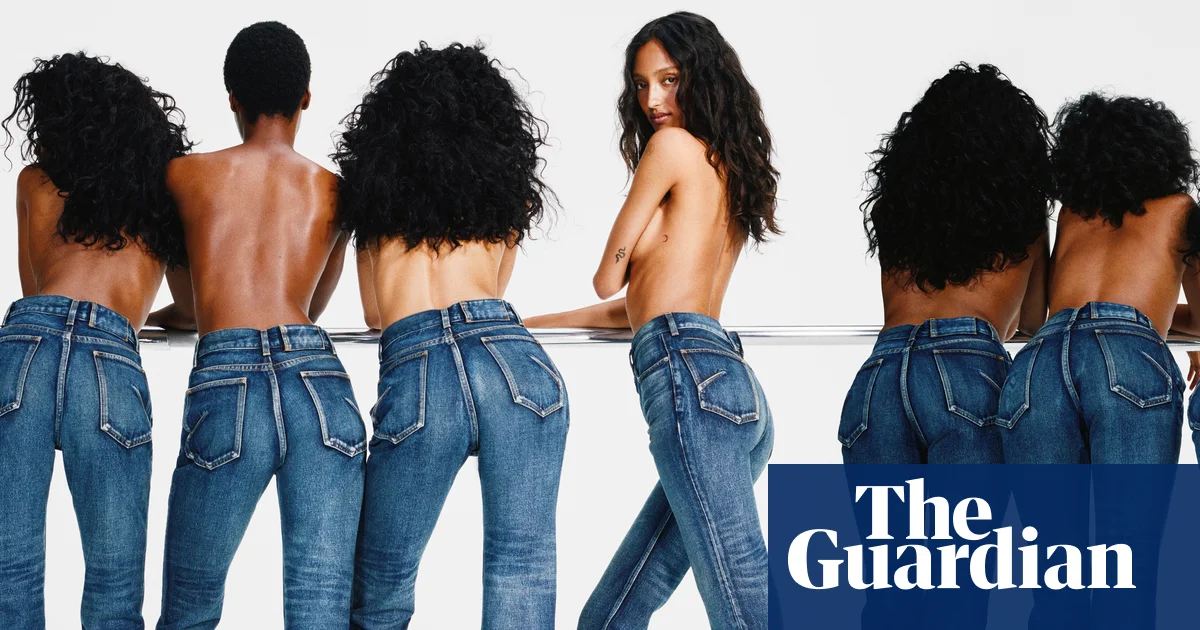
Fashion enthusiasts and industry insiders are witnessing a renaissance of denim—a trend that transcends mere clothing and taps into broader societal narratives around sustainability and authenticity. From the luxurious, yet highly coveted Alaia jeans in an Aegean blue to JW Anderson’s collaboration with Uniqlo, priced pocket-friendly at just £34.90, the denim resurgence highlights a shifting cultural landscape. While Alaia’s luxury offering commands a premium at around £800, demand for these Japanese-crafted jeans is sky-high, with stores advising customers to reserve or call ahead—a sign that authentic craftsmanship remains highly valued despite the proliferation of affordable options. Meanwhile, Uniqlo’s collection, favored on recent fashion runways, demonstrates that minimalist, classic styles continue to dominate the youth-driven market, bridging the gap between high fashion and streetwear.
The debate? Can a £34.90 pair of jeans really compete with the craftsmanship and longevity of a luxury piece that costs hundreds more? Industry experts like Amy Leverton of Denim Dudes point out that manufacturing methods and fabric composition largely influence how jeans age over time. Sagging and shape loss—common complaints with cheaper denim—are often a result of looser weaves and stretch content, which are intrinsic to fast fashion pieces. Some enthusiasts argue that the beauty of this trend is in the relationship with the garment, where better quality denim not only lasts longer but also visually improves with wear. It’s a shift in attitude—less disposable fashion and more embracing of durability and sustainability—as highlighted by Evoléna de Wilde d’Estmael of Faircado, who emphasizes that authentic denim should hold its shape and often improves with age, encouraging a more purposeful consumption style.
However, what truly elevates this denim craze is the social and cultural impact of transparency and sustainability. Thanks to the advent of digital product passports, consumers are becoming more aware of the environmental footprint and ethical sourcing behind their garments. This transparency threatens to expose the superficiality of low-cost fast fashion, which often sacrifices quality and ethics to keep prices low. As d’Estmael points out, brands that prioritize transparency will either adapt or face extinction in an era where younger consumers care more than ever about where their clothes come from. This ethical awakening is pushing brands to consider secondhand markets more seriously, with many—like Leverton—preferring to wear vintage Levi’s, reinforcing the idea that authenticity and quality are more sustainable and socially relevant than ever.
The luxury denim market isn’t just a fleeting fad either. High-end brands are pushing boundaries, with Bottega Veneta and Valentino unveiling leather and embellished denim as luxury statements. Margot Robbie’s upcoming Chanel jeans, expected to retail at a premium, exemplify this crossover. Yet, beneath the surface, a question of value emerges: can a pair of jeans genuinely be worth hundreds, or is this simply an artifact of inflation and marketing hype? With production struggles stemming from skilled labor shortages and factory closures—especially in Japan’s traditional selvedge denim hubs—the true cost of premium jeans is more nuanced than their price tags suggest. This raises an essential question: as consumers become increasingly aware of the economic illusions behind fashion, will the next phase be a shift back towards secondhand and vintage markets, where authenticity is measured less by price and more by provenance? Ultimately, this cultural trend is not just about jeans but about redefining the values of quality, ethics, and social relevance in fashion’s next chapter.