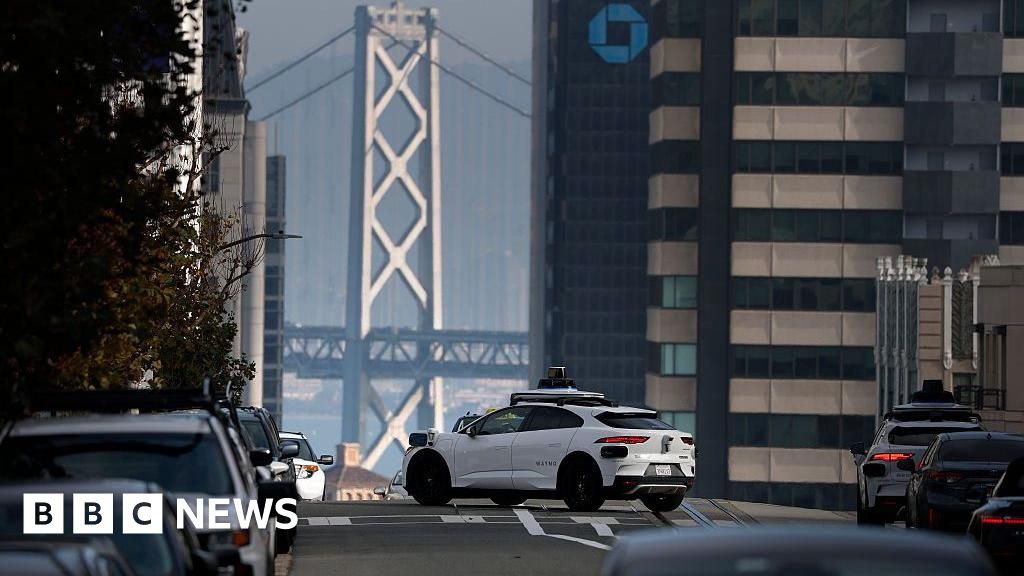
In a significant development that underscores the evolving landscape of urban mobility and law enforcement, authorities in several nations are now implementing a groundbreaking policy allowing police to issue tickets directly to the manufacturers of autonomous vehicles. This shift in regulatory approach reflects both the rapid integration of artificial intelligence-driven transportation and the pressing need to hold the tech corporations accountable for their role in public safety. The legislation, passed in various jurisdictions, marks a decisive turning point in how governance addresses the challenges presented by self-driving cars, which have increasingly become fixtures on modern roads.
Under these new rules, if an autonomous vehicle commits a traffic violation, the police are empowered to initiate legal action against the vehicle’s manufacturer. This policy shifts the traditional paradigm where individual drivers faced the consequences of their infractions. Instead, the responsibility is now placed at a corporate level, compelling manufacturers to ensure their systems operate within legal bounds. While critics argue this could undermine individual accountability, international transit authorities and security analysts view these measures as essential for reinforcing the safety standards needed in an AI-powered era.
The geopolitical impact of this policy extends beyond national borders, signaling a broader shift toward holding global tech giants responsible for the safety of their products. As countries such as the United States, China, and European nations ramp up efforts to regulate autonomous vehicles, the balance of power becomes increasingly intertwined with the regulation of AI technology. International organizations, including the United Nations Economic Commission for Europe (UNECE), are contemplating unified standards to prevent regulatory arbitrage, where corporations may exploit lax rules in certain jurisdictions to reduce compliance costs. Such measures bear profound implications for international trade and diplomatic relations, as nations vie to establish global dominance in AI and automotive innovation.
Historian and policy analysts warn that these developments could have a lasting impact on societal perceptions of responsibility and authority. “We are witnessing a fundamental redefinition of accountability,” states Dr. Elena Morales, a leading expert in technological law. How societies adapt to these policy shifts will determine future legal frameworks and cultural attitudes toward autonomy and safety. The increasing reliance on corporate responsibility raises questions about consumer protection and the judicial processes that will oversee transnational cases involving technological failures or accidents. This transition, fraught with legal ambiguities and political contestation, signals that we are only at the beginning of a long, complex journey toward integrating AI seamlessly into everyday life.
As the world watches, history is quietly being written in these minute legislative changes—a chapter where the lines between human and machine responsibilities blur sharply. The stakes are high: the decisions made today will ripple through generations, shaping the future of mobility, global governance, and societal trust in technology. With each ticket issued to a manufacturer, the fabric of how nations enforce laws and uphold safety norms transforms—a silent yet powerful reminder that the course of history is often determined by the decisions of today. The unfolding story of autonomous vehicles is a testament to the relentless march of progress, and with it, the enduring weight of a society wrestling with the delicate balance between innovation and accountability.