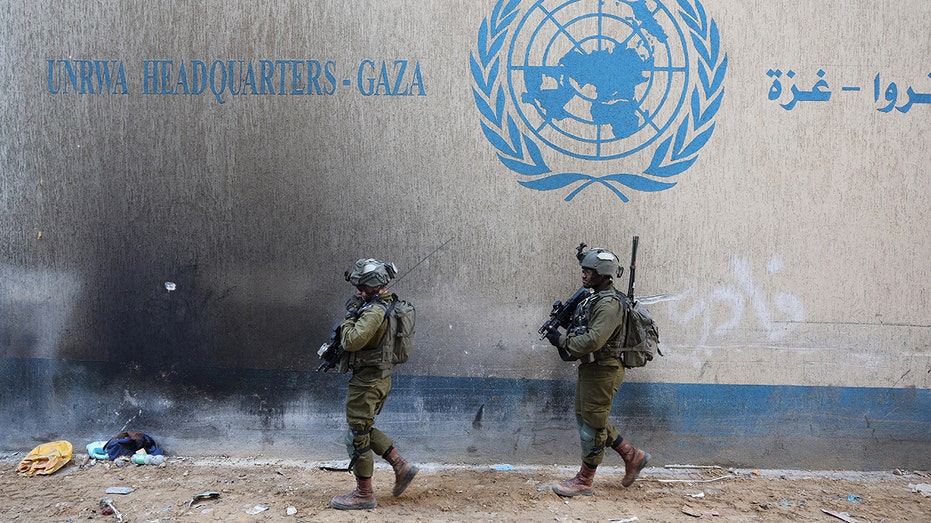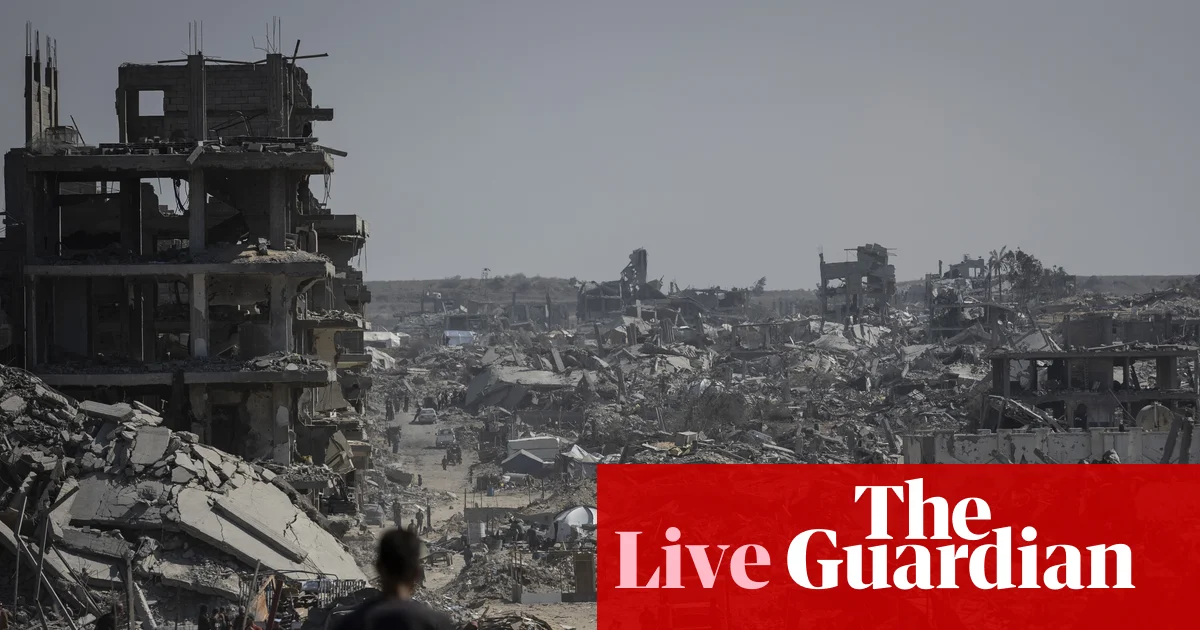
The ongoing crisis in Gaza has escalated into a complex human tragedy with wide-reaching geopolitical consequences. The World Health Organization (WHO) has issued a stark warning, revealing that infectious diseases are “spiralling out of control” within the territory, where only 13 of the 36 hospitals remain partially operational. This collapse of medical infrastructure—highlighted by experts like Hanan Balkhy—underscores the catastrophic humanitarian toll of sustained conflict, which in turn threatens regional stability. As the UN warns that it will take “time to reverse the famine” in Gaza, international aid efforts work feverishly to mitigate the crisis, but the challenges are profound and interwoven with broader geopolitical shifts.
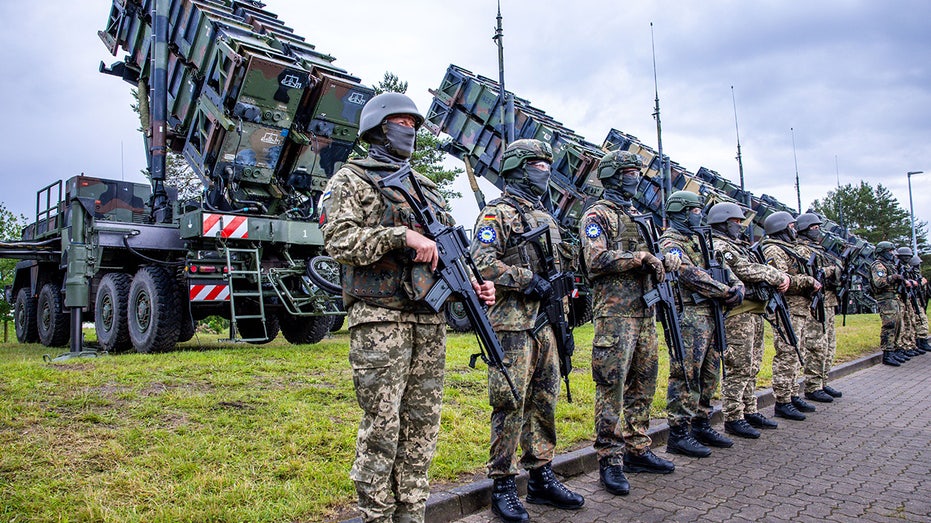
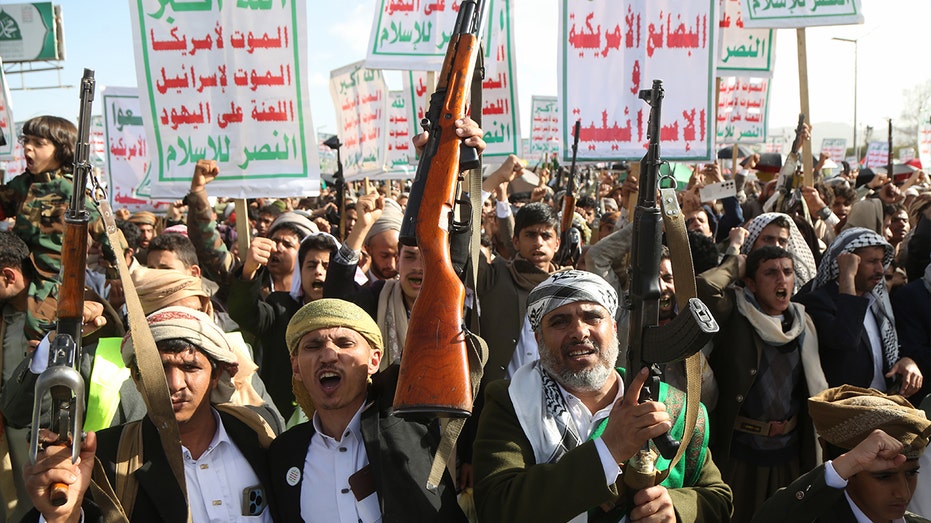
Despite a fragile ceasefire brokered by Egypt and the United Nations, the situation remains volatile, with declarations from western nations indicating plans to deploy international stabilization forces. France and the UK, in coordination with the United States, are preparing a UN Security Council resolution aimed at establishing an international force to restore order in Gaza—an unprecedented move that signals shifting strategies. According to analysts, such measures could reshape the very fabric of Middle East geopolitics, as external powers seek to balance pressure on Hamas and bolster the stability of Israel. The cause-and-effect extends beyond Gaza, with regional actors like Turkey deploying disaster relief specialists amidst mounting criticism of Hamas’s handling of remains and hostages, which have become symbolic of the ongoing gamble for regional influence and narrative control.
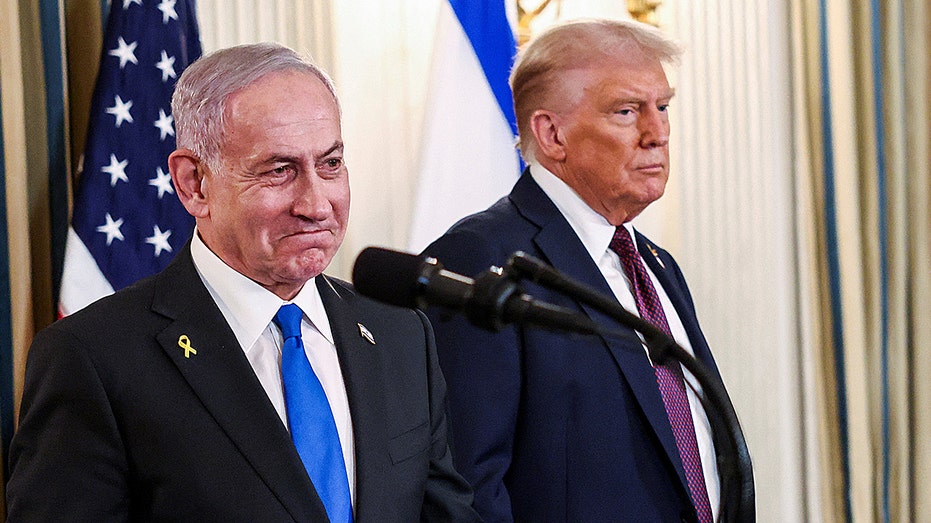
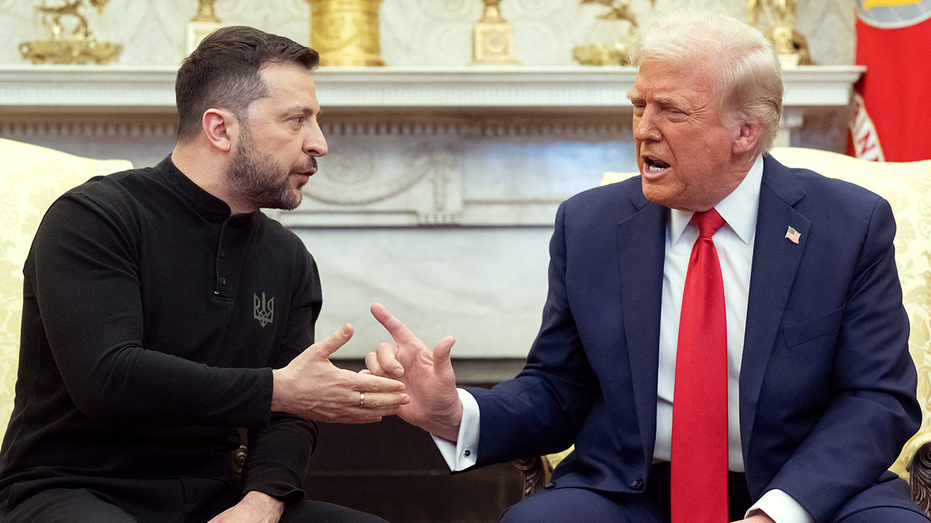
Meanwhile, the U.S. under Donald Trump has advanced a bold 20-point plan for Gaza, advocating the disarmament of Hamas, offering amnesty for leaders who decommission their weapons, and establishing governance for a postwar Gaza. This plan, articulated amidst warnings from Israel’s leadership and escalating military readiness, underscores a strategic shift: the push toward redrawing the post-conflict political landscape. Israeli officials, led by Benjamin Netanyahu, remain resolute, affirming their commitment to recover all hostages and reassert control, while Trump’s provocative rhetoric — including threats to “go in and kill” Hamas if ceasefire violations continue — signals a hardening stance globally. Such decisions are not made in isolation; they ripple through societies, igniting debates on sovereignty, interventionism, and stability, and leaving history to record whether these choices steer the region toward peace or prolonged chaos.
As the narrative unfolds, the weight of history presses heavily upon the present. The Gaza crisis exposes a treacherous web of human suffering, international diplomacy, and competing interests—a conflict where each decision echoes beyond the battlefield and into the future of geopolitics. The decade-long struggle remains unresolved, teetering on the cusp of deeper regional upheaval, with the world watching as leaders navigate the perilous line between humanitarian aid, military intervention, and diplomatic negotiations. The story of Gaza—marked by loss, resilience, and strategic gambles—continues to be written, and the heavy hand of history reminds us that the consequences of today’s decisions will shape generations to come.