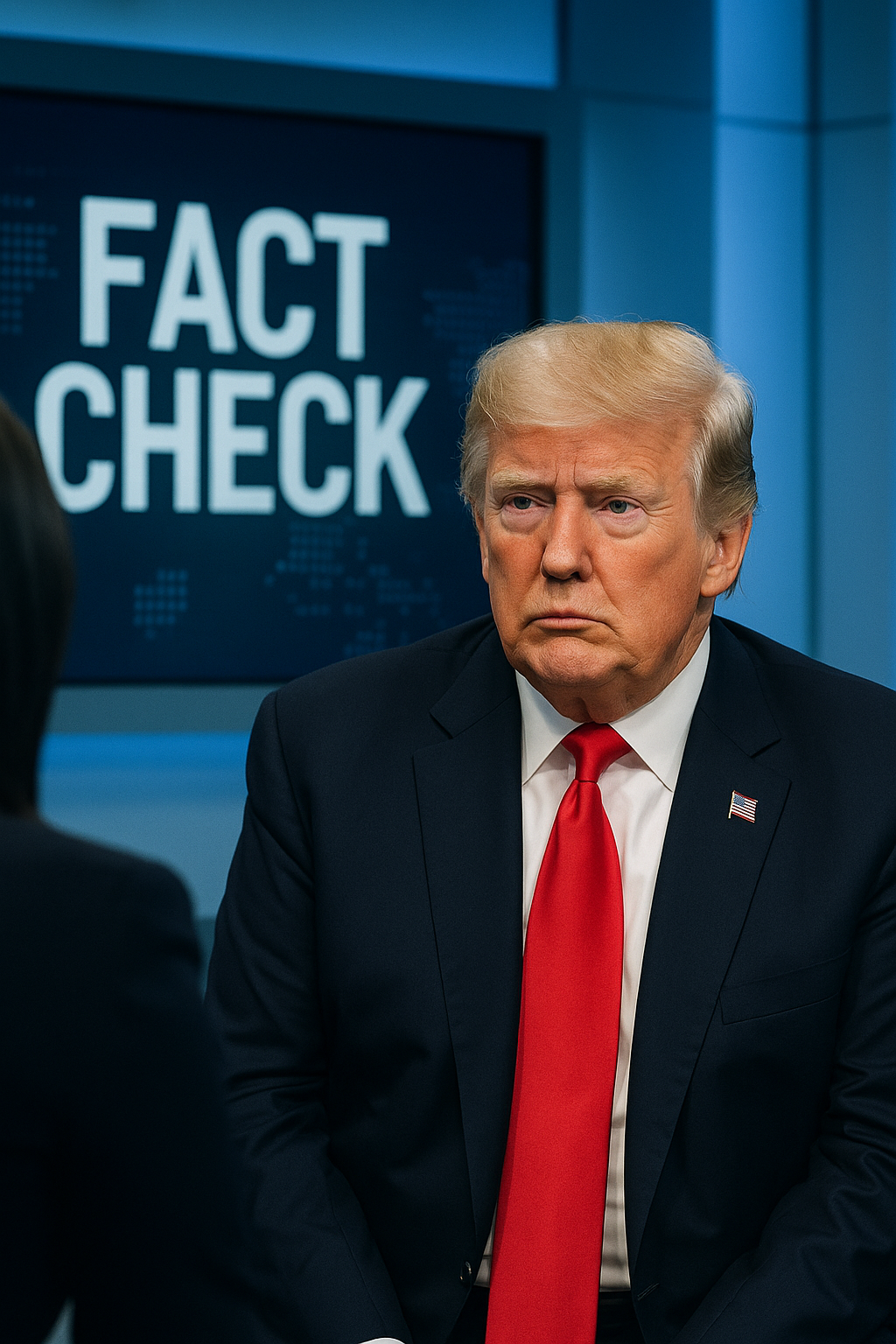
Investigating the Federal Indictment of NY Attorney General Letitia James: Fact or Fiction?
Recent headlines have amplified a federal indictment against New York Attorney General Letitia James, alleging mortgage fraud related to her Virginia property. At first glance, this development appears to scrutinize her financial dealings, yet a closer look reveals a complex picture heavily colored by political tensions and legal nuances. The question remains: Is the indictment justified based on the facts, or is it a political concoction aimed at undermining a prominent government figure?
The Core Allegations Versus the Facts
The indictment alleges that James misrepresented her use of a Norfolk, Virginia house during her mortgage application, claiming it would serve as a second residence, but instead, it was reportedly rented out. She faces charges of bank fraud and false statements to a financial institution. According to the indictment, the misrepresentation allegedly allowed her to secure favorable loan terms, such as a lower interest rate, resulting in an approximate $18,933 in ill-gotten gains. In response, James and her legal team dismiss these charges as “baseless” and politically motivated.
However, experts specializing in real estate law and federal prosecutions paint a more skeptical picture. James Kainen, a professor at Fordham University School of Law who specializes in white-collar crime, suggests that “the indictment is disproportionate and inconsistent with established prosecutorial norms.” This indicates that, from a legal standpoint, the case might not meet the threshold needed for a conviction, particularly given the minor financial gain involved.
The Political Context and the Merit of the Case
Understanding the political backdrop is crucial. The indictment follows a pattern of contentious battles between Trump allies and James. The U.S. attorney for the Eastern District of Virginia, who brought the case, was appointed amidst reports of political pressure, after the previous prosecutor was allegedly dismissed for inactivity on James-related investigations. Notably, Lindsey Halligan, the lead prosecutor, previously advised Trump and lacked extensive prosecutorial experience, raising questions about the case’s independence.
Legal analysts like Paul Schiff Berman, a law professor at George Washington University, have expressed skepticism about the strength of the case, noting that “it is very uncommon for prosecutors to pursue claims with such minimal evidence of actual harm or malicious intent.” They argue that the supposed misconduct—misrepresenting a property’s use—may fall within routine use cases and does not necessarily constitute fraud under federal law. Additionally, critics highlight the limited financial impact, suggesting that the case hinges on technicalities rather than actual harm.
Expert Opinions and the Broader Implications
Further assessments underscore the fragile foundation of the charges. James Kainen emphasizes that “the maximum savings claimed is around $18,933, with no evidence of bank loss or damages.” He notes that prosecutors tend to prioritize cases with clear patterns of criminality and actual harm, which don’t seem pronounced here. Moreover, accusations of *selective prosecution*—targeting James due to her political role and past investigations into Trump—are increasingly discussed among legal scholars. Such claims, if proven, could weaken the credibility and enforceability of the charges.
Ultimately, the case exemplifies the broader struggle over political influence in legal proceedings. As some experts assert, the importance of a transparent and equitable justice system remains paramount to uphold democratic principles and public trust.
Conclusion: Upholding Truth as the Foundation of Democracy
While political opponents and media outlets might frame this indictment as a warranted legal action, the evidence and expert opinions lean towards its questionable merit. Responsible citizenship requires a commitment to facts and the rule of law—cornerstones of a healthy democracy. It is only through rigorous, impartial legal processes that justice truly serves the people and ensures the integrity of our institutions.