White House Renovation Sparks International Debate
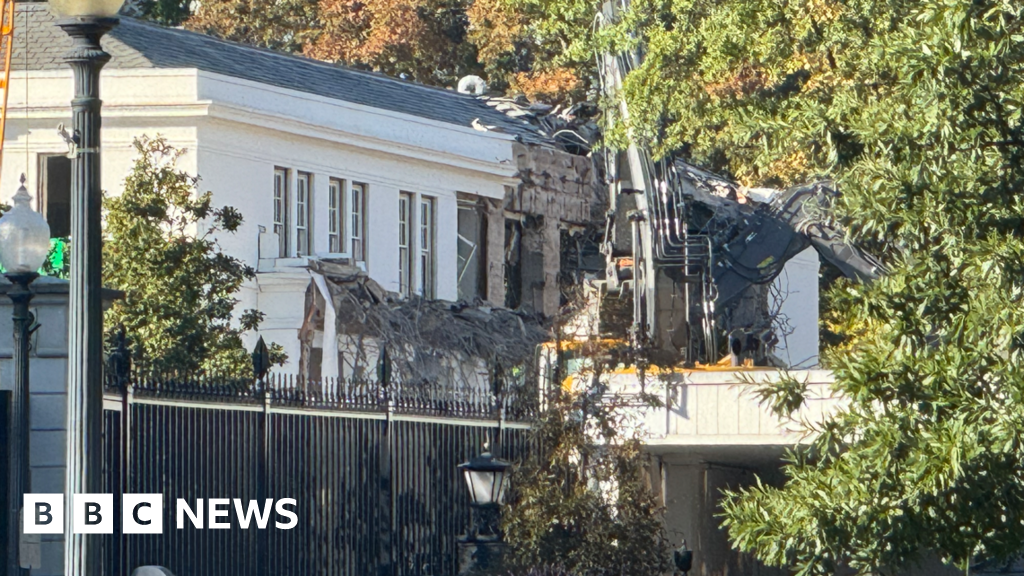
The United States has embarked on a high-profile renovation project that signals more than just physical changes—it’s a reflection of shifting geopolitical priorities and domestic political narratives. Recently, construction began on a new ballroom within the historic White House, a move championed by President Donald Trump as a long-anticipated modernization effort. This project, estimated to cost around $250 million, has ignited a storm of controversy both domestically and among international observers, highlighting how major architectural decisions in the seat of power can carry profound implications for global perceptions of American leadership and stability.
Experts argue that the decision to refurbish the East Wing, which has stood since 1902, is emblematic of a broader cultural and political signal. While Trump asserts that the new ballroom is a respectful addition that will not interfere with the historic structure, critics see it as a symbol of a more assertive, image-conscious America. As historian Dr. Jane Walker notes, this renovation can be viewed as “a statement of renewed confidence and a desire to shape the narrative on the world stage.” International organizations like the United Nations and European Union monitor such developments closely, aware that physical upgrades to the White House often mirror internal shifts in America’s strategic posture.
Furthermore, the involvement of private donors—labeled by Trump as “many generous Patriots”—raises questions about the evolving relationship between public power and private influence. In an era where such decisions are viewed through a lens of nationalism and sovereignty, it underscores a resurgence of populist narratives emphasizing patriotic patronage as a form of sovereign empowerment. The impact of such projects extends beyond aesthetics; they shape how nations perceive America’s stability and its willingness to invest in its symbols amidst a turbulent geopolitical landscape. As international analysts warn, these moves may foster both admiration and suspicion, depending on how the global community perceives America’s domestic priorities in the context of foreign relations.
Ultimately, as construction crews drill and cranes hover over the historic edifice, the White House’s transformation remains a microcosm of a nation grappling with its identity and ambitions. In the shadows of these physical changes, history continues to unfold—each decision building a narrative that many nations are watching, and which might redefine the future of American influence. One thing remains clear: these renovations do not merely shape a building—they forge the legacy of a nation in the crucible of history’s unyielding march.