The Silent Crisis: Social Issues Impacting Families and Communities Through the Lens of Special Educational Needs
In today’s society, the landscape of support for children with special educational needs (SEN) remains fraught with challenges that ripple through families, education systems, and communities at large. Recent reports from the Institute for Public Policy Research (IPPR) highlight an urgent crisis: the current framework for supporting these children is fundamentally inadequate. Nearly one in five pupils in England—a staggering 1.7 million students—rely on some level of SEN support, yet far too many experience a system that neglects their holistic needs or leaves them isolated and uneducated.
While policymakers promise reform, the reality reveals a persistent cultural and infrastructural gap. This gap not only hampers the educational journey but profoundly affects the family dynamic, stripping children of the dignity and opportunity they deserve. As sociologists like Anthony Giddens note, social inclusion hinges on the ability of institutions to adapt empathetically to diverse needs. Instead, many families find themselves in a constant state of struggle, navigating a convoluted, often unresponsive system that seems to view them as obstacles rather than partners in their child’s development.
The Human Toll of Inaccessible Support
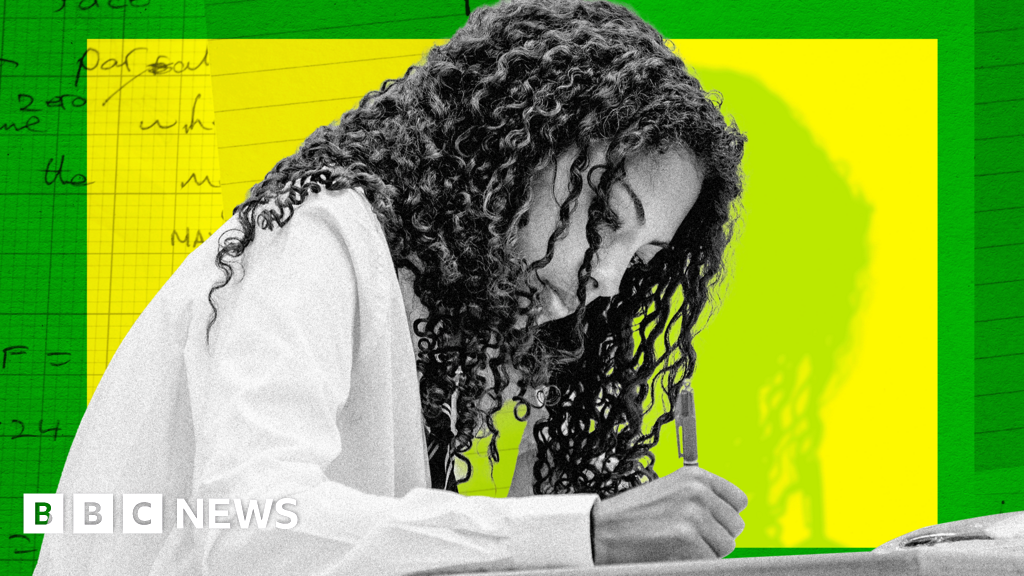
Take the case of Evie, an 18-year-old with complex disabilities diagnosed with autism and ADHD. Her story epitomizes the structural flaws that undermine human dignity. Despite her evident needs, her journey through mainstream and specialized education was marked by loneliness and insufficient support. “There were schools that could meet my complex health and mobility needs, but the level of learning was incredibly low,” she recounts. Her family’s exhaustive search for a suitable place resulted in three years spent at home—an exile from the vibrant world of learning and social interaction.
This phenomenon is not isolated; other children like Arav, a 12-year-old on the autism spectrum, face the harrowing reality of crowded classrooms and limited dedicated spaces. Armed only with a tribunal victory, his family fought fiercely for what should be a basic right: an appropriate placement. The shortage of specialized spaces, often driven by systemic neglect and underfunding, leaves families to wage legal battles that drain resources and hope alike. These examples underscore a fundamental truth: the social fabric frays when institutions fail to prioritize inclusivity and support.
Rethinking Support: From Policy to Practice
Policy experts like Dr. Emily Hunt advocate for a paradigm shift—the introduction of Additional Learning Support as a statutory layer in mainstream schools. This envisioned framework could ensure support is accessible without arduous assessments or diagnoses. Moreover, giving schools more control—paired with adequate funding and staff training—may bridge the accessibility gap and foster real inclusion. The IPPR urges that the current Education, Health and Care Plan (EHCP) model be replaced only after a consultative process leads to demonstrably better family support and academic outcomes.
- Providing extra resources and training for educators to handle diverse needs.
- Establishing clear routes to redress for families dissatisfied with their support.
- Rewarding inclusivity through inspection standards like Ofsted assessments.
The Department for Education (DfE) insists that reforms are underway, emphasizing early intervention, improved training, and expanding specialist places. Yet, much remains to be done as families and children continue to navigate a system that often feels more adversarial than supportive. The very societal fabric that links families and communities to their future stability and growth is strained when generations of children are denied access to the opportunities they deserve—simply because systems have yet to evolve.
Reflections on Society’s Moral Compass
The stories of Betsey and the families who fight to secure a decent education for their children are a stark reminder that social cohesion depends on societal values. As we witness these struggles unfold—where late diagnoses, overstretched resources, and bureaucratic inertia leave children feeling disregarded—the moral question is clear: Are we truly forging a society that values every individual equally? \n Sociologist John R. Gilligan emphasizes that for society to progress, it must nurture inclusivity—moving beyond merely passing legislation towards genuine cultural shifts.
As society stands at this crossroads, the hope remains that through collective effort and moral resolve, the next chapter will be written not by the obstacles faced but by the society’s capacity for compassion, innovation, and unwavering commitment to equity. Like the resilient children whose stories illuminate the systemic flaws, our society must learn to listen, to adapt, and to uplift those most vulnerable. Only then can society aspire to be truly inclusive—where every child, regardless of their needs, wakes up to a future filled with possibility and hope.