The Hidden Crisis of Malaria: A Societal Wake-up Call
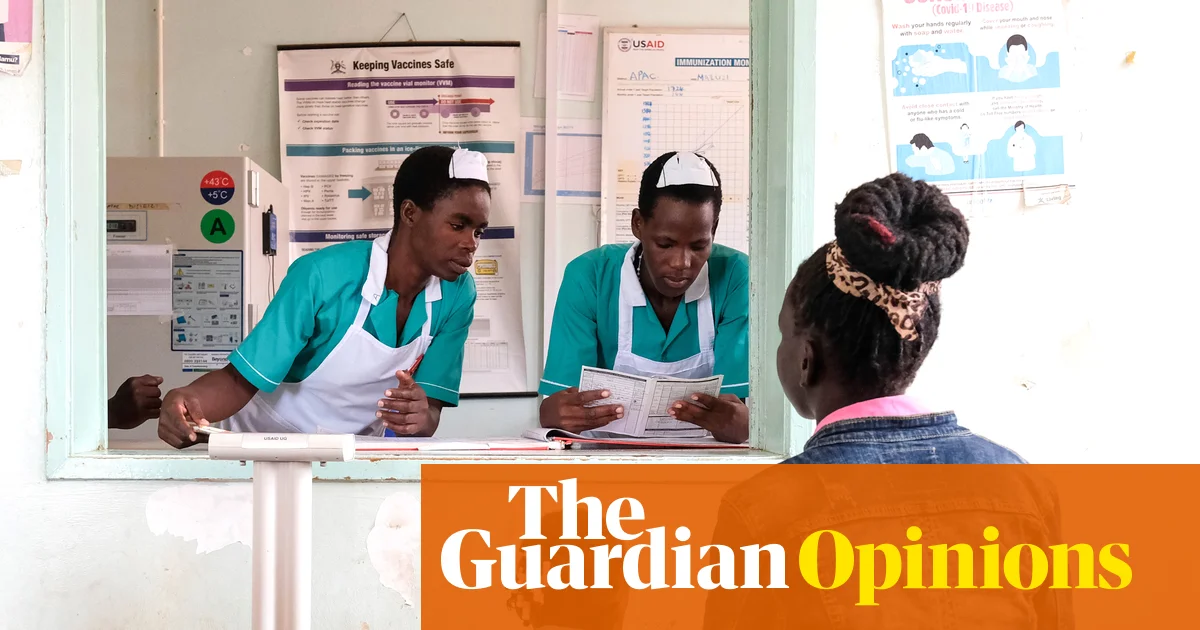
Malaria, a deadly infectious disease primarily impacting communities in Africa, continues to exact an unacceptably high toll on the most vulnerable—small children and expectant mothers. Responsible for nearly 600,000 deaths annually, this disease remains a stark reminder of how neglect, environmental changes, and waning international aid converge to threaten lives and societal stability. Despite ongoing promises to eradicate malaria, recent cuts in funding and global health aid are undoing decades of progress, pushing millions closer to death and disrupting families’ pursuit of security and prosperity.
The role of families and communities in combating malaria is profound, yet they are often the first casualties of the social and economic fallout when aid dwindles. Programs run by the Global Fund to Fight AIDS, Tuberculosis, and Malaria have historically been the backbone of efforts to control the disease. However, with its recent funding shortfalls—especially significant cuts from countries such as Germany and rumoured reductions from the UK—the capacity to deliver essential prevention tools, like bed nets and vaccines, is dwindling. These aid reductions threaten to reverse gains, with the potential to cause nearly a million additional deaths by the end of the decade, according to health experts.
Environmental and Demographic Shifts: Compounding the Crisis
Environmental degradation and climate change are intensifying malaria’s reach. Altered rainfall patterns and rising temperatures are expanding mosquito habitats, making eradication increasingly difficult. The resistance of parasites such as Plasmodium falciparum to existing drugs exacerbates the challenge, echoing past cycles where previously effective medicines—chloroquine and artemisinins—lost their potency. While vaccines offer hope, their limited protective scope and inability to stop transmission mean that without sustained, comprehensive control measures, malaria’s grip will tighten. Social commentator Dr. Robert M. Kaplan warns that these environmental and biological shifts threaten a “perfect storm” that could undo decades of hard-won progress, leaving vulnerable families to face devastation once again.
Importantly, the ripple effects extend beyond health, crippling economies and undermining social cohesion. The economic analysis emphasizes that maintaining the 2030 funding targets could save 1.86 million lives and catalyze an economic surge of $231 billion in African GDP. Conversely, a 20% funding cut could lead to approximately 82,000 additional deaths and a GDP decline nearing $5 billion, underscoring how intertwined health and economic wellbeing are. Families, often already strained by poverty, are pushed further into hardship when preventable deaths occur, eroding the moral fabric of societies built on hope and resilience.
Social Reflection and the Call for Action
As nations face tight budgets and competing priorities, it is crucial to recognize that the fight against malaria is ultimately a matter of moral urgency. The ethical responsibility rests not only with governments but with global society to prioritize life-saving interventions for the voiceless—children and pregnant women—whose futures hang in the balance. Historians and social theorists like Albert O. Hirschman have long argued that societal strength depends on caring for its most vulnerable. If this principle is abandoned, the fabric of our shared humanity frays, and inequalities deepen.
In this moment of crisis, society must reflect on the true meaning of progress. Does it mean just economic growth, or does it encompass the health, dignity, and future of all its members? The challenge lies in restoring faith in collective action, rekindling a spirit of global solidarity capable of rallying resources, innovation, and moral resolve. As society stands at this crossroads, the hope remains—like a flickering flame— that through determined effort, equitable investment, and environmental stewardship, the silent sufferers of malaria can be freed from their suffering. Society’s capacity for compassion and resilience might yet turn the tide, transforming despair into hope and death into life, one village at a time.