

Global Tensions and Planetary Crisis: A World at the Crossroads of Destiny
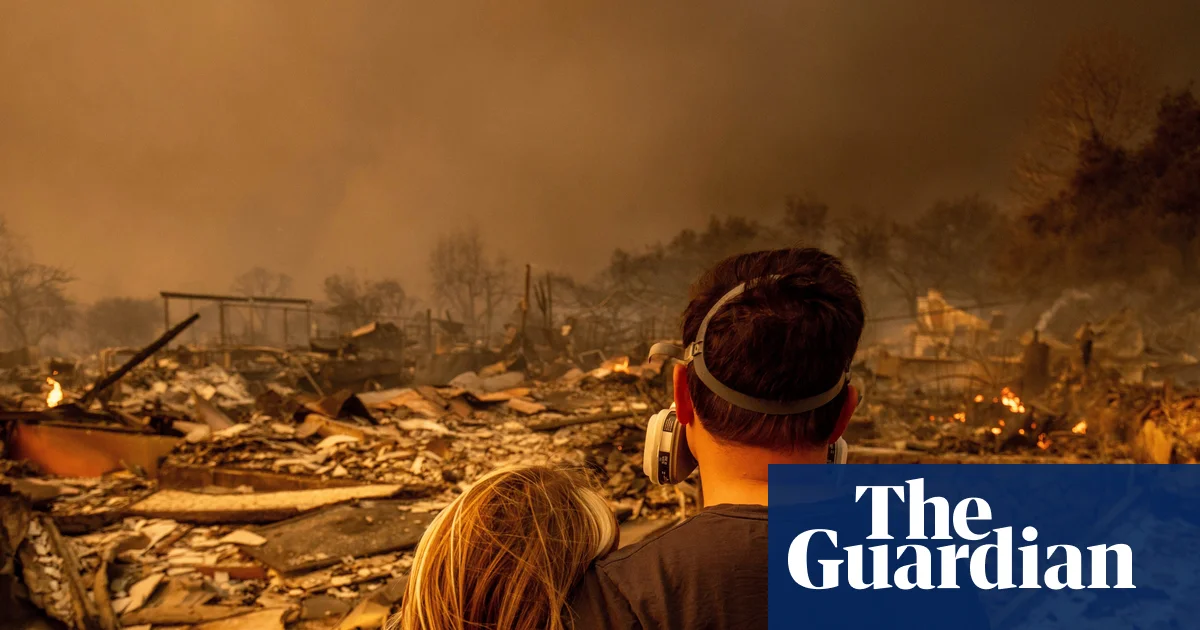
As climate change continues to pose an existential threat, the geopolitical landscape is increasingly shaped by nations’ responses—or lack thereof. The upcoming COP30 summit in Belém, Brazil, represents a critical juncture where world leaders are expected to reaffirm commitments to the 2015 Paris Agreement. Yet, recent assessments from Climate Analytics reveal that current targets are grossly insufficient, and unless governments worldwide take rapid and concerted action, the goal of limiting global warming to 1.5°C will slip further from reach. The UN Environment Programme’s frightening projection of a 2.3-2.5°C increase underscores an urgent demand: the scaling-up of renewable energy sources and the electrification of sectors such as transport and industry is no longer optional but a moral imperative.
This diplomatic gathering occurs against the backdrop of a key diplomatic development: the United States, under the Trump administration, declining to send high-level representatives to COP30. Such a move signals a worrying retreat from climate leadership from one of the world’s largest emitters, directly impacting the geopolitical impact of climate policy—potentially weakening collective efforts and emboldening deviant national agendas. Experts from the International Renewable Energy Agency warn that these international discordances may unravel hard-won treaties, further exacerbating environmental degradation. Historians and analysts suggest that the failure of global cooperation could be remembered as a preventable crisis—one born from complacency and geopolitical self-interest rather than a genuine commitment to the planet’s future.
Legal Questions and International Power Plays
In stark contrast to the climate crisis, the U.S. Supreme Court is now questioning the legality of the Trump administration’s tariffs imposed through the 1977 International Emergency Economic Powers Act. The case revolves around the core issue of authority: whether the president can unilaterally impose tariffs during a purported national emergency, or whether such decisions must rest with Congress. Even the most conservative justices expressed skepticism, highlighting the fundamental constitutional debate: Who holds the power in shaping trade policy—an executive or the legislature? If the court rules against the White House, it could constrain the administration’s push for aggressive trade policies that have strained relationships with economic partners around the world. The ruling could redefine the scope of presidential authority and significantly influence the global trade landscape with lasting geopolitical impact.
Changing Urban Politics: A New Self-Declared Progressive Wave
Meanwhile, in New York City, the political terrain is shifting once again as Zohran Mamdani announces his all-female transition team in preparation for his mayoral term. Mamdani’s platform reflects a radical vision for urban transformation: rent freezes, free transportation, universal childcare, and city-run grocery stores—funded by taxes on corporations and the wealthy. Yet, these ambitious policies face tangible threats, chiefly from the federal government’s threats to withhold funding under President Trump’s influence. As the city’s budget depends heavily on federal support—approximately $7.4 billion—Mamdani’s efforts could be undermined by national political battles. The outcome of this local race signals a broader ideological clash: a push for progressive policy amidst federal resistance, underscoring how decisions at the top ripple downward, affecting millions of city residents.
Unfolding Crises and the Weight of History
On another front, the longest government shutdown in American history, surpassing the 2018-2019 record, exposes the fragile seams of the nation’s political fabric. The shutdown has left tens of millions of Americans vulnerable: food stamp recipients are receiving only half of their usual benefits, and airline traffic is being reduced, signaling a nation on edge. Reflecting on recent archaeological discoveries, historians note how ancient American civilizations endured climate catastrophes through resilience rather than violence, offering lessons and warnings about the cost of ignoring environmental and social pressures. This convergence of crises—climate, governance, and social upheaval—reminds us that history’s most pivotal moments are often born from neglect and division, and that the choices made today will resonate through generations to come.
As the world stands at a precipice, with unresolved conflicts and fragile alliances, the question remains: will humanity heed the warnings etched into ancient murals and modern reports? Will we unite amid chaos, or will history remember this era as one where the peril was clear, yet action was too little, too late? The ongoing narratives of climate, law, urban policy, and international diplomacy are still being written, leaving us with the understanding that the true measure of our era is not in crisis alone, but in how we respond to it. The shadow of history looms long, and the unfolding chapters await our choices.
















