Society Ignites Debate Over Privilege, Education and Cultural Identity
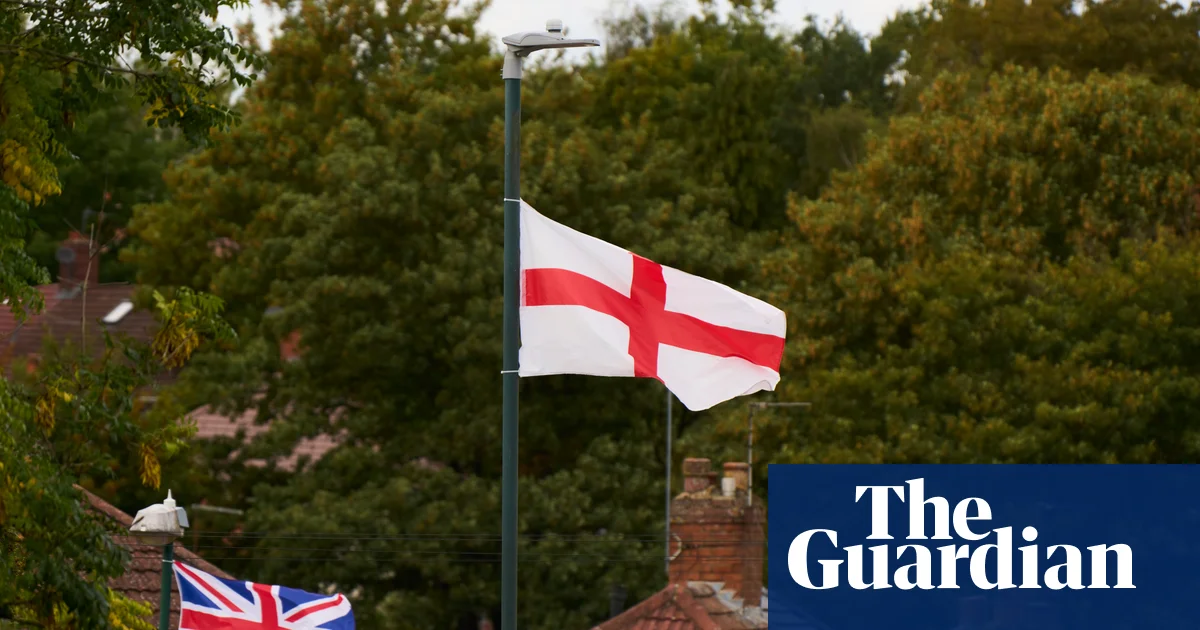
In modern society, the boundaries of privilege and cultural identity are being reshaped amid ongoing social introspection. Recent trends reveal a growing phenomenon: families across the socio-economic spectrum are increasingly investing in early childhood education—not just through conventional schooling but by actively shaping their children’s cultural and social outlooks from the earliest age. An illustrative example emerges from a controversial advert placed by a north London family, seeking an “extraordinary and experienced tutor” for their one-year-old child—offering a staggering £180,000 per year to nurture traits deemed essential for a ‘British gentleman.’
This move indicates not only a desire to instill specific values and accents from the cradle but also underscores a broader societal obsession with elitism and social stratification. Critics argue that such practices reinforce <an unrecognizable class divide—deepening the rift between those who can afford to buy into ‘Britishness’ and those who cannot. Sociologists like Michael Young have long warned about the dangers of educational privilege solidifying class structures, emphasizing that true societal cohesion relies on creating equal opportunities rather than perpetuating inherited status through material means.
The Cultural Market for ‘Britishness’
The growing demand for what some call a “market for buying Britishness” is reflected not only in private tutoring but also in businesses like Laura Windsor’s Etiquette Academy, which specializes in teaching manners, poise, and social etiquette to an international clientele eager to emulate traditional British refinement. Windsor asserts that the ‘restrained’ nature of British culture and the detailed nuances of politeness are highly desirable traits worldwide—traits she claims are best learned from infancy. However, critics perceive this trend as a superficial and, arguably, contrived effort to manufacture social superiority, raising questions about the sincerity of cultural transformation when it is driven by commerce.
Meanwhile, prominent voices like Peter Cui, a sociologist and former Cambridge student, express skepticism. Cui argues that cultural identity cannot be imposed from the outside—noting that the attempt to transplant characteristics such as ‘Britishness’ onto a child at one year old is both idealistic and unrealistic. Instead, Cui emphasizes that authentic cultural integration comes from lived experiences and personal choice, not engineered environments designed for social aspiration. This perspective echoes the idea that identity, whether cultural or social, should be fluid and self-determined rather than artificially manufactured.
Society Struggling With Its Own Identity
Amid such debates, the current British educational landscape faces profound criticism. Daniel, a parent described in recent reports, criticizes the rigid, exam-focused system, highlighting that institutions like Latymer Upper School favor project-based learning over traditional GCSEs. He advocates for high-caliber private tutors as a superior alternative, suggesting that the quality gap between public and private education is problematic. His remarks symbolize a societal shift towards personalized, bespoke education as a means of circumventing an increasingly dysfunctional system.
However, this obsession with bespoke learning raises concerns about accessibility and fairness. Critics argue that such practices effectively create a new ‘British straitjacket’—a societal cage where privilege determines success while the majority are left behind. The question remains: should society accept this bifurcation, or is there hope for a more inclusive, equitable future where education embodies equal opportunity rather than class reinforcement? History reminds us that societal transformation depends on addressing these underlying inequities rather than merely perpetuating existing advantages.
As society grapples with questions of identity, class, and opportunity, the ultimate challenge becomes clear: can a society built on the ideals of fairness and equality truly thrive if the very roots of social mobility are entangled with privilege? Or will these aspirations become nothing more than illusions, unless society chooses to reimagine its definition of success—one rooted in human potential rather than inherited wealth?
In the end, perhaps the future of society rests not on how early we begin shaping identities, but on whether we can embrace the complexity of human growth, allowing even those born into different circumstances to write their own stories. The hope for transformation lies in recognising that true societal wealth is found not in the privilege of birth, but in the dignity of opportunity and the willingness to foster genuine, inclusive community bonds.