Australia’s Political Rift: Rising Tensions and the Future of National Identity
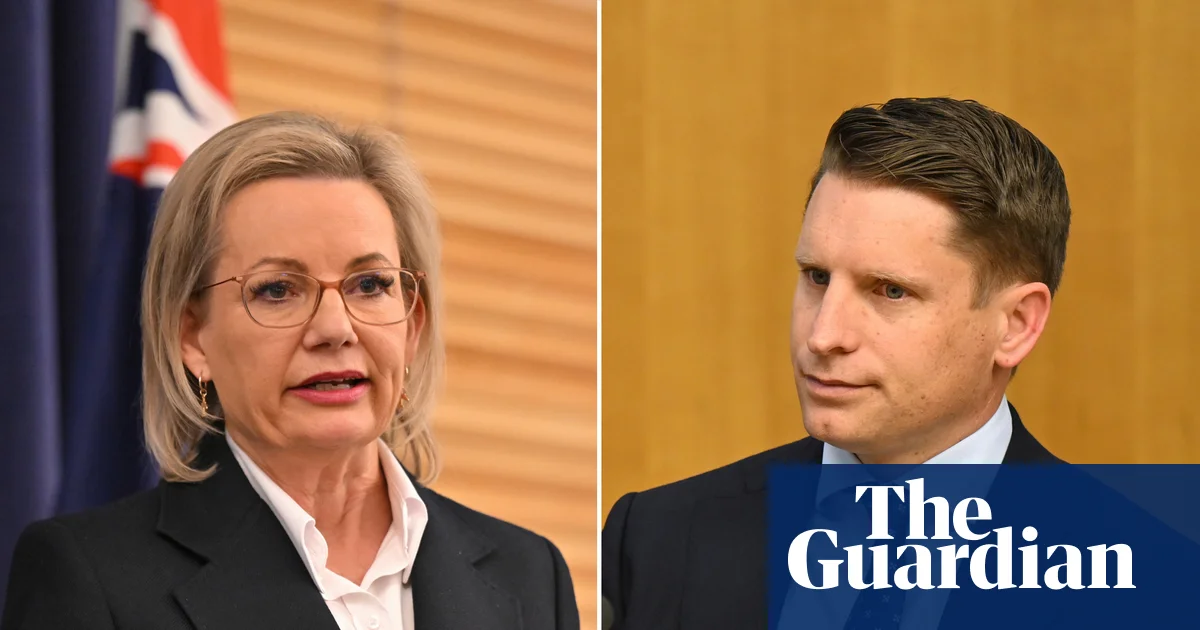
In a climate of mounting internal strife, Australia finds itself at a pivotal juncture as political figures grapple with divisive narratives surrounding migration and infrastructure. Recently, Deputy Prime Minister Jessica Ley declined to endorse comments from her colleague, Andrew Hastie, who has adopted a provocative stance on immigration, warning that the Liberal Party risks “dying” if it fails to curb overseas migration. These debates are not merely rhetorical; they strike at the heart of Australia’s national identity and expose underlying geopolitical tensions that could reshape the continent’s role on the world stage.
Hastie’s alarmist rhetoric echoes historic European fears of multiculturalism, reminiscent of Enoch Powell’s infamous “rivers of blood” speech in 1968, which predicted dire consequences for Britain’s demographics. The Australian MP’s social media warnings about “states of crisis” linked to unchecked migration reveal a nationalist undercurrent that conflicts with globalist trends and Australia’s multicultural ethos. Analysts warn that such rhetoric feeds into a broader global struggle over sovereignty and cultural integrity, with China and the United States watching closely. The former, as China’s influence expands into the Indo-Pacific, is likely to interpret Australia’s internal divisions as signs of instability that could be exploited.
Internal Divisions and External Implications
The fissures within the Liberal Party underscore a larger geopolitical game. While some MPs, like Jacinta Nampijinpa Price, have praised Hastie’s frankness—perhaps viewing it as a bold assertion of sovereignty—others view it as dangerous freelancing that threatens party cohesion. International observers and historians alike see these factions as indicators of a nation struggling to balance its traditional values with the realities of a rapidly changing global environment. Such internal debates are vital, as they influence Australia’s capacity to craft a unified foreign policy response in a time when alliances are shifting and regional power dynamics are reordering.
Global institutions like the United Nations warn that widespread nationalistic rhetoric could destabilize regional peace and exacerbate migratory tensions worldwide. The Australian debate mirrors similar conflicts in Europe and North America, where concerns over sovereignty and cultural preservation have fueled populist movements. As political leaders like Keir Starmer in the UK express regret over incendiary language about multicultural Britain, Australia’s internal discourse reveals how fragile the consensus on multiculturalism remains in a volatile international landscape.
The Road Ahead: A Test of National Resolve
With Australia’s future hanging in the balance, the decisions made today could reverberate for generations. As analysts warn of the dangerous potential of extremist rhetoric, history reminds us that such divisions often precede profound upheavals. The global order is in flux, and nations on the frontlines—like Australia—must navigate the turbulent waters of sovereignty, identity, and international influence. The path they choose will not only define their own future but also shape the geopolitical landscape of the Indo-Pacific and beyond. Indeed, the pages of history are turning swiftly, and the story of Australia’s internal struggles—and the wider struggle for national identity—remains a critical chapter yet to be written.