Canada’s Energy Shift: The High Stakes of the Alberta Pipeline Deal
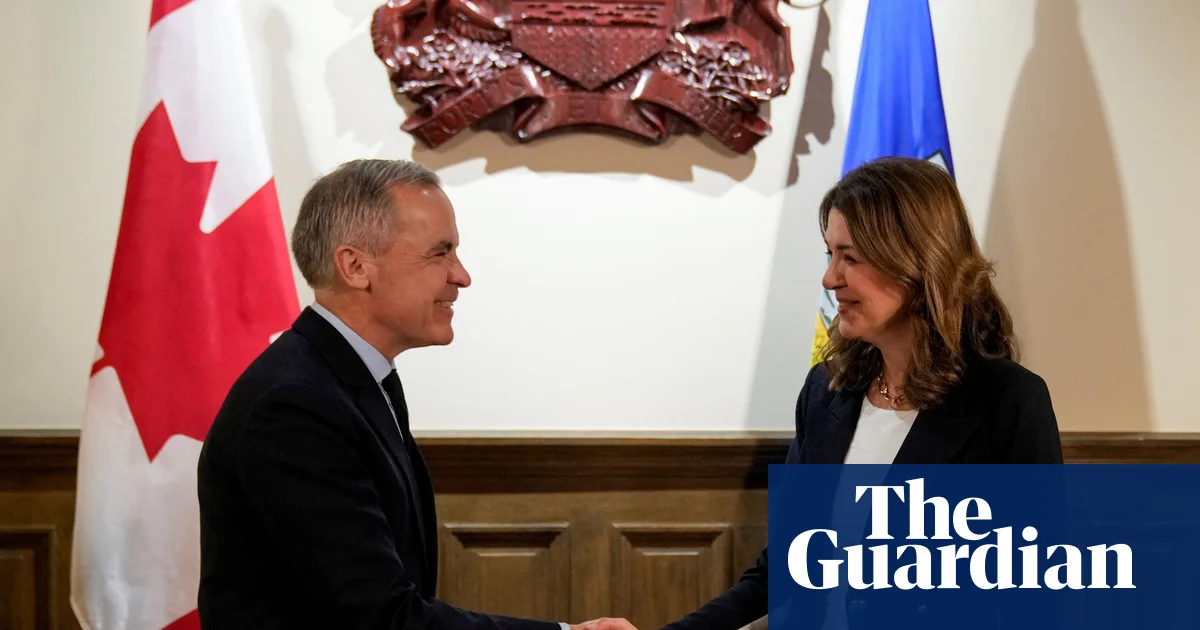
In a move that signals a pivotal shift in Canadian geopolitics, Prime Minister Justin Trudeau and Alberta Premier Danielle Smith have announced an unprecedented energy agreement centered on the construction of a new heavy oil pipeline spanning from Alberta’s oil sands to the Pacific coast. This deal, brokered after weeks of tense negotiations, aims to facilitate increased oil and gas exports and promote an industrial renaissance in Alberta, yet it is fraught with political, environmental, and social challenges. Promoted as “Canada working,” the initiative underscores a strategic reorientation that could redefine the nation’s economic trajectory amidst confrontations over climate policy and Indigenous rights.
This agreement does not simply represent a pipeline project; it embodies a broader industrial transformation involving nuclear power and data center investments, with the federal government and Alberta claiming this as a step toward energy independence and economic revitalization. However, the move has ignited fierce opposition, with critics highlighting the environmental risks and indigenous sovereignty concerns. Notably, British Columbia and several First Nations communities along the coast have declared unequivocal rejection of the plan, citing environmental fears and violations of their constitutional rights. Indigenous leaders, including Marilyn Slett of the Coastal First Nations, emphasize that no economic payoff justifies risking ecological disaster, especially given their direct connection to oceanic ecosystems that could be compromised by tanker traffic and pipeline spills.
International organizations and analysts warn that this domestic shift could have profound geopolitical impacts. The lifting of existing moratoriums and exemptions from emissions caps threaten to undo years of climate commitments while risking regional stability. The deal also exposes the internal contradictions of Canadian policy—pledging to meet climate goals while expanding fossil fuel infrastructure—a paradox that many argue will have long-term consequences on global efforts to combat climate change. Moreover, the absence of interest from private investors signals deep uncertainties about the project’s viability, with many experts suspecting that public and political pressures will only intensify as opposition mounts.
Central to the unfolding drama are the voices of historians and international observers, who interpret these developments as a crucial flashpoint in the global energy debate. At the heart of the controversy lies a fundamental question: how will nations balance their economic ambitions with the urgent need for environmental stewardship and respecting indigenous sovereignty? As Alberta prepares to submit its proposal, and as entrenched opposition from First Nations threatens the project’s future, the decision looms large in history’s ever-unfolding narrative. Will political leaders heed the lessons of past resource conflicts, or will they forge ahead into a future where the weight of history’s judgement hangs heavy in the air? The world watches as Canada, a nation at the crossroads of economic growth and environmental responsibility, faces a defining moment—one that could echo through generations as either a beacon of energy independence or a cautionary tale of ecological hubris.