Indonesia School Collapse: A Stark Reminder of the Underlying Risks in Global Construction and Oversight
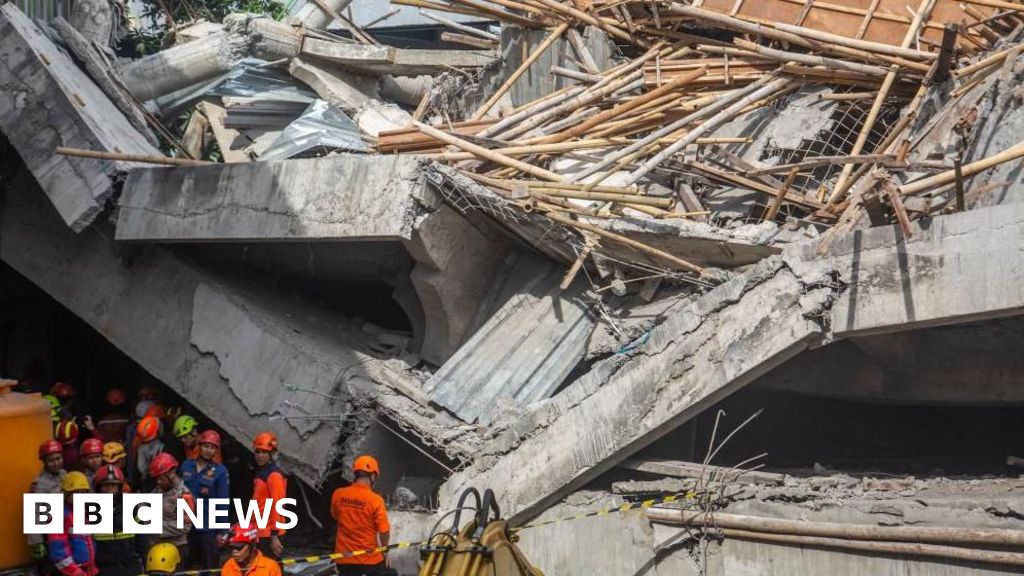
In a tragic event that has resonated across the international community, East Java, Indonesia has witnessed a devastating school collapse that has left dozens of young victims trapped under rubble. The incident occurred at the Al Khoziny Islamic Boarding School, a traditional pesantren in the Sidoarjo region, where 38 students remain feared missing amid a pile of collapsed concrete and twisted steel. With the death toll rising and rescue operations hampered by unstable debris, this catastrophe highlights a persistent issue: the perilous state of Indonesia’s construction sector, notorious for safety violations and lax oversight, as documented by organizations such as the International Labour Organization.
Geopolitical Impact: How Indonesia’s Domestic Crisis Reflects Broader Regional Challenges
The geopolitical implications of this tragedy extend far beyond local concerns. Indonesia, as Southeast Asia’s largest economy, has long struggled with balancing rapid development with safety standards. Critics, including leading historians and analysts, point out that a largely unregulated construction boom—often driven by informal, semi-legal projects like the pesantren—creates systemic vulnerabilities. The fact that authorities like the Sidoarjo town’s regent have admitted that the school lacked necessary permits for its expansion underscores a broader pattern of weak enforcement and the endemic informalism that hampers national safety initiatives. These issues can foster regional instability when neighboring nations perceive Indonesia’s inability to control hazards as a failure to meet international safety standards, thereby weakening diplomatic confidence.
International organizations like the United Nations and regional bodies have repeatedly warned about the social and economic costs of neglecting infrastructure safety. The collapse echoes earlier warning signs, where similar accidents in West Java resulted in multiple casualties earlier this month. Such events serve as a stark reminder to the global community that unchecked development and insufficient regulation can quickly lead to tragedy, undermining societal stability and the perceived strength of national governance.
Effects on Society and Policy: The Human Toll and Lessons for Governance
As rescue teams scramble amid dangerous debris, the personal stories emerging from survivors and relatives add a somber tone to this tragedy. Young students recount frantic escapes, while families mourn loved ones, exemplifying how these incidents do not only jeopardize physical safety but also destabilize community trust in governmental institutions. The school’s caretakers’ poignant admission, blaming the incident on “God’s will”, highlights a troubling tendency to obfuscate accountability rather than address systemic failures. Historians warn that without decisive reforms, Indonesia risks further calamities that will compound social fragility.
The incident also exposes the peril of operating **informal** educational institutions that often lack oversight, a problem prevalent across many developing nations where rapid expansion frequently outpaces regulatory capacity. The collapse underscores a dire need for stricter enforcement of safety standards, comprehensive inspections, and international cooperation to establish resilient infrastructure—especially in sensitive sectors like education. The global dialogue must now pivot from reactive rescue to proactive reform, as Indonesia’s tragedy exemplifies how neglect in governance can turn into a catastrophe with lasting consequences.