AT&T Reimagines Smart Home Market with Connected Life Launch
The telecommunications giant AT&T is making a bold second move into the smart home ecosystem with its newly announced Connected Life platform. After the company’s earlier effort, Digital Life, was phased out in 2022—owing largely to the obsolescence of its underlying 3G network—AT&T is now leveraging a strategic partnership with Google and Abode to disrupt traditional home security and automation markets. This move highlights a growing trend among established tech and telecom giants eager to integrate connected devices into a unified, user-friendly ecosystem that capitalizes on existing customer bases and facilitates rapid adoption.
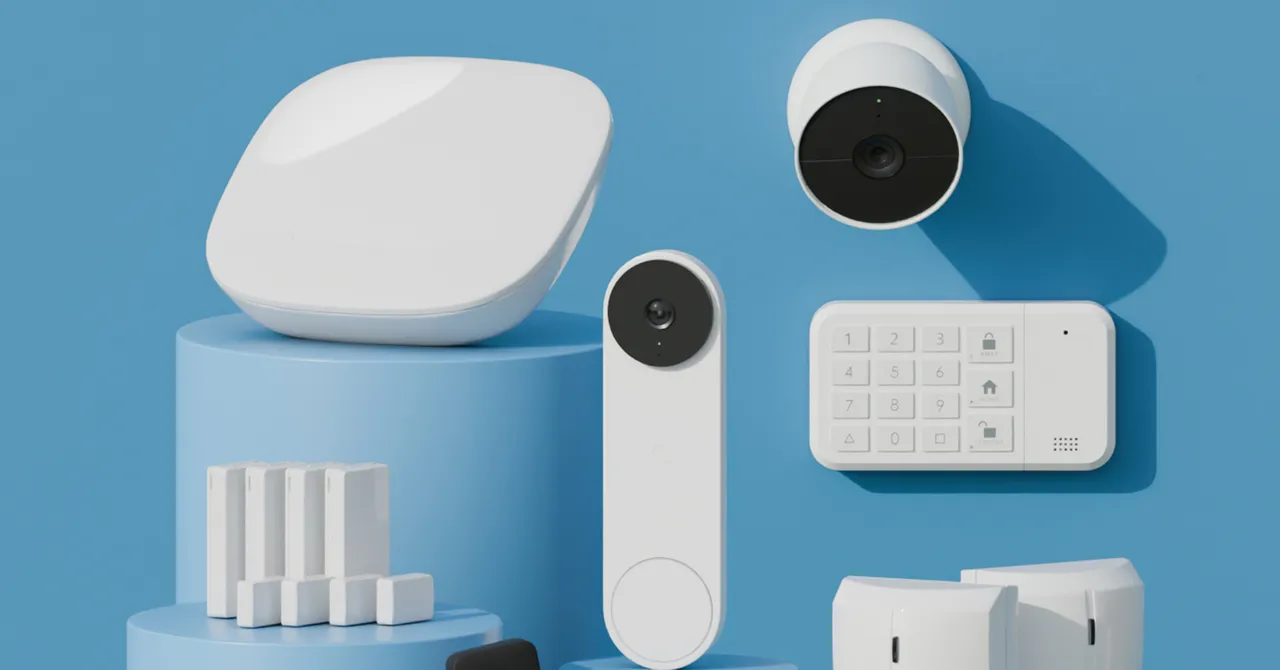
At the core of Connected Life is a focus on innovation and disruption. The platform bundles Google Nest smart devices—though not the latest versions—and security sensors into two different kits: the Starter Kit at $11 per month (or $399 upfront) and the Advanced Kit at $19 per month (or $699 upfront). The Advanced Kit expands on features with additional sensors, a security keypad, and a Nest Cam security camera, providing an integrated end-to-end smart home experience designed to simplify user setup and management. This market shift towards turnkey solutions is driven by consumer demand for seamless integration, together with the rise of professional installation services that reduce barriers for less tech-savvy users. Google’s API integration through the Google Home platform ensures devices are manageable via a single app, emphasizing the importance of interoperability—a principle championed by MIT’s recent research on smart ecosystems.
From a business perspective, AT&T’s move signifies a strategic disruption of incumbents in smart home security. Given that AT&T has over 119 million wireless mobile customers and more than 10 million fiber optic internet subscribers, its potential reach to pitch a unified smart home solution is unprecedented. This business model consolidates multiple lines of service: telecommunications, internet, and smart devices—creating an ecosystem that fosters customer retention and opens new revenue streams. Industry analysts from Gartner suggest that such integrated platforms could redefine consumer expectations, forcing competitors like Amazon, Apple, and smaller startups to accelerate their own innovation cycles. What remains to be seen is whether AT&T can leverage its scale to deliver on reliability and user experience, critical factors for disruption success in this crowded space.
Looking to the Future: Innovation as the New Norm
The launch of Connected Life signals an industry-wide pivot towards consolidated, AI-enhanced smart environments. With ongoing advancements in AI, sensor technology, and 5G connectivity, the industry is on the cusp of a new era where homes will become autonomous, predictive, and deeply integrated with daily life. It’s a call to industry leaders and innovators alike: innovation and disruption are no longer optional but essential for survival in this rapidly evolving market.
As Elon Musk and Peter Thiel have often noted, disruption is the engine of progress. Falling behind in this race risks obsolescence, especially as consumer expectations shift toward ease and security. With AT&T’s formidable scale coupled with strategic partnerships, the company is clearly positioning itself to be a market leader—not just in connectivity but in the digital transformation of the smart home. The next few years will be crucial in determining whether this initiative can sustain innovation and truly disrupt industry giants. The future belongs to those who accelerate—this is the moment for bold moves, rapid iteration, and relentless pursuit of the cutting edge.