Shaping Society: The Ongoing Struggle for Inclusive Education and Community Cohesion
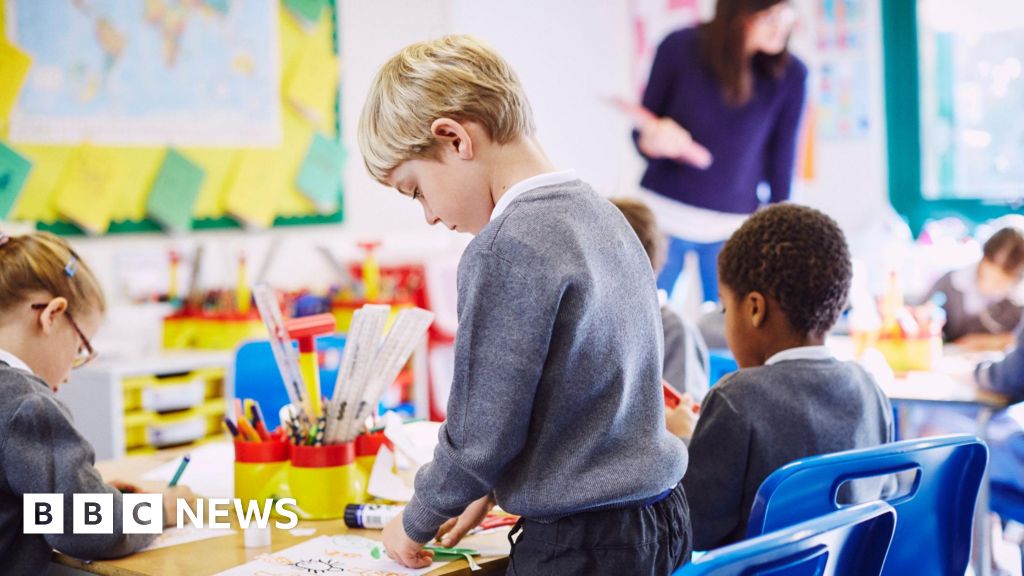
In an era marked by rapid demographic shifts and increasing social fragmentation, the fabric of our communities is being tested by the challenge of providing equitable education. The recent government announcement to invest £3 billion over the next three years aims to create 50,000 additional places for children with special educational needs and disabilities (SEND) within mainstream schools across England. This initiative reflects a recognition of the critical need to make education more inclusive, yet it also exposes the persistent gaps that leave families and communities in turmoil. Sociologists like Robert Putnam have long warned about the erosion of social capital, and the SEND crisis exemplifies how societal divisions are reinforced when resources are misallocated or buried in bureaucratic red tape.
Families navigating the SEND system often encounter profound difficulties—including long and arduous journeys to secure appropriate support. One mother, Laura Jerram, recounts her experience in trying to secure an Education, Health and Care Plan (EHCP) for her son Brendan, describing it as “a horrible journey.” This reality underscores how social inequalities translate into disparities in access to education, support, and ultimately, opportunity. As the NAHT school leaders’ union highlights, merely funding new buildings is insufficient without a parallel investment in trained teachers and specialists capable of supporting diverse learning needs. Educational institutions must prioritize human capital as much as infrastructure if they are to truly serve all students, especially those with complex needs.
Yet, systemic issues remain unresolved. The rise in legal disputes over SEND provision—25,000 appeals in 2024-2025—illustrates a fractured system where conflicts and frustrations simmer beneath the surface. The outcomes for students, despite increased investment, have not significantly improved, a troubling sign of superficial policy fixes that fail to address foundational inequities. Sociologists such as Pierre Bourdieu warn us how social class and cultural capital influence educational trajectories. When families with more resources and better advocacy skills can navigate this labyrinthine system more effectively, it perpetuates a cycle of inequality, leaving marginalized children to fall through the cracks.
At the community level, the physical and logistical challenges highlight the importance of localized, community-centered solutions. Councillor Amanda Hopgood emphasizes that building large SEND schools “in the middle of nowhere” fails to serve the community’s best interests, as it necessitates costly transportation and isolates children from their social networks. True social cohesion hinges on inclusivity in local settings where children grow up—where they learn, play, and build lifelong friendships. Education expert Dr. Michael Apple argues that equitable access isn’t just about space and resources but also about empowering communities to shape local policies that recognize their unique needs. As families struggle with the bureaucratic hurdles and costs of transportation, their sense of belonging diminishes, and social bonds weaken.
Toward a Society of Hope and Renewal
While the current landscape depicts a society grappling with its social and educational structure, it also holds within it the seed of hope. The stories of children like Brendan and families like Laura’s demonstrate resilience and the urgent need for meaningful reform. True societal progress will depend on our collective ability to recognize that social issues—inequality, systemic failure, social disconnection—are intertwined with the very fabric of our communities. As historian Eric Hobsbawm observed, history is a tale of struggles, setbacks, and eventual renewal. Society’s challenge now is to transform these struggles into opportunities for **a more inclusive, compassionate, and united future**.