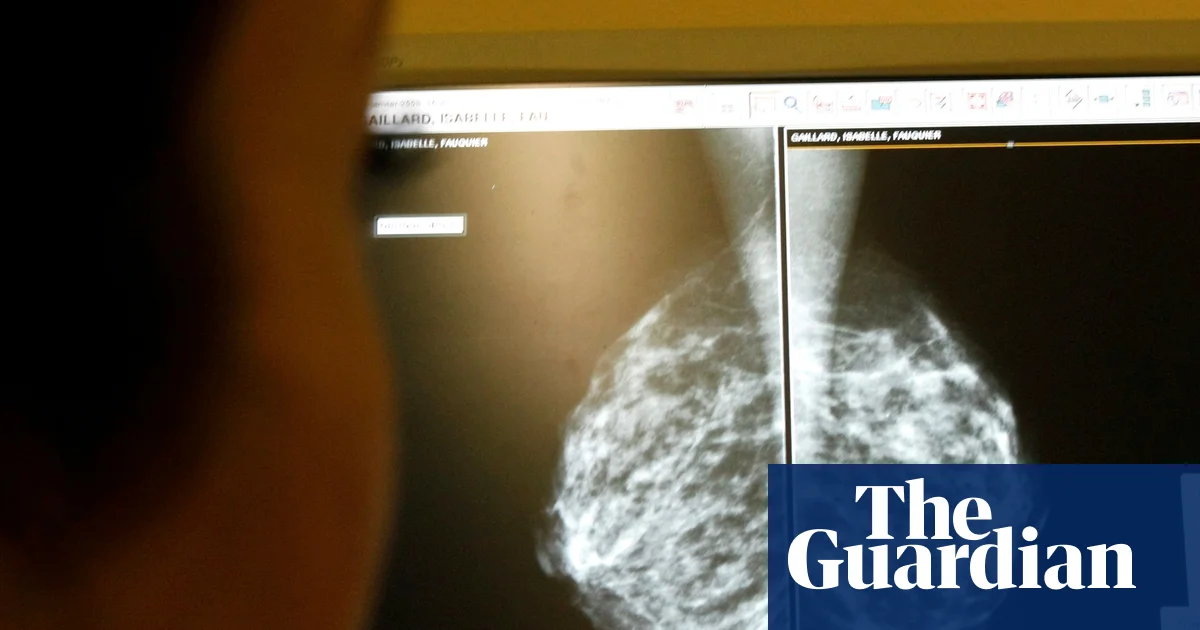
In an era marked by rapid technological advancements, the healthcare sector stands at a crossroads, where the integration of artificial intelligence (AI) promises to revolutionize traditional practices. A groundbreaking study published in The Lancet highlights how AI-supported mammography screening can significantly improve early detection and reduce the incidence of subsequent breast cancer diagnoses. This research, involving a vast cohort of 100,000 women in Sweden, offers a glimpse into a future where families, communities, and educational institutions could benefit from a more efficient and effective approach to combating one of society’s most daunting health challenges. The evidence suggests that when AI pairs with skilled radiologists, the potential to save lives and alleviate healthcare burdens grows exponentially.
- AI-enabled mammograms resulted in a 12% reduction in breast cancer diagnoses in the years following screening.
- Over 81% of cancers were detected at the screening stage with AI support, compared to 74% in traditional methods.
- There was a 27% decrease in aggressive cancer subtypes, offering hope for less invasive treatments.
The societal ripples of these findings extend beyond immediate health outcomes. As social commentators and historians have noted, early detection technologies don’t merely save lives—they reshape perceptions of healthcare, challenge complacency, and redefine societal resilience. For families, this means less devastating news and a greater chance to plan for a future that includes more moments together. For educators and youth, the promise of integrated AI systems emphasizes the importance of STEM education, fostering a generation equipped not just to utilize, but to innovate in the face of complex social issues.
However, voices like Dr. Sowmiya Moorthie from Cancer Research UK urge caution, highlighting that AI should support, not replace, human judgement. As historians have shown, technological progress often carries social tensions, especially when it risks devaluing the human touch that is vital to healthcare. The challenge lies in implementing these innovations thoughtfully, ensuring continuous monitoring and regional adaptability—all while safeguarding the moral imperative to uphold human dignity and comprehensive care. As Dr. Kristina Lång from Lund University emphasizes, the cautious rollout is essential to maintain trust and effectiveness across diverse communities.
Ultimately, society’s journey toward integrating AI in breast cancer screening underscores a larger narrative: the need for equitable access, ethical oversight, and community engagement. When sociologists like Charles Murray or Ben Shapiro consider the implications of technological shifts, they highlight the importance of preserving societal cohesion amid rapid change. In a world where innovations offer hope, it is vital that families and communities remain at the heart of this transformation—ensuring that progress enhances human well-being without sacrificing the core values that bind us together. As society stands on the cusp of a new chapter, the challenge remains: to harness these technologies not just for efficiency but to foster a future where health inequities diminish and every individual has a fighting chance—for themselves, for their families, and for the society we all share.