Fashion has always been a reflection of cultural identity, social values, and artistic expression, and Valentino Garavani embodied this ethos with his unwavering dedication to creating exquisite, beautiful clothing for the women who could afford them. The Italian designer, whose persona was as sun-kissed and glamorous as his creations, left an indelible mark on fashion history before his passing in January. His legacy is wrapped in the Mediterranean elegance of Rome, where he lived, worked, and ultimately became a symbol of timeless allure. Recently, the brand chose to honor this legacy by restoring its focus to Rome for its latest catwalk, signalling a conscious shift back to its roots amid a landscape of fast-paced, ever-evolving trends.
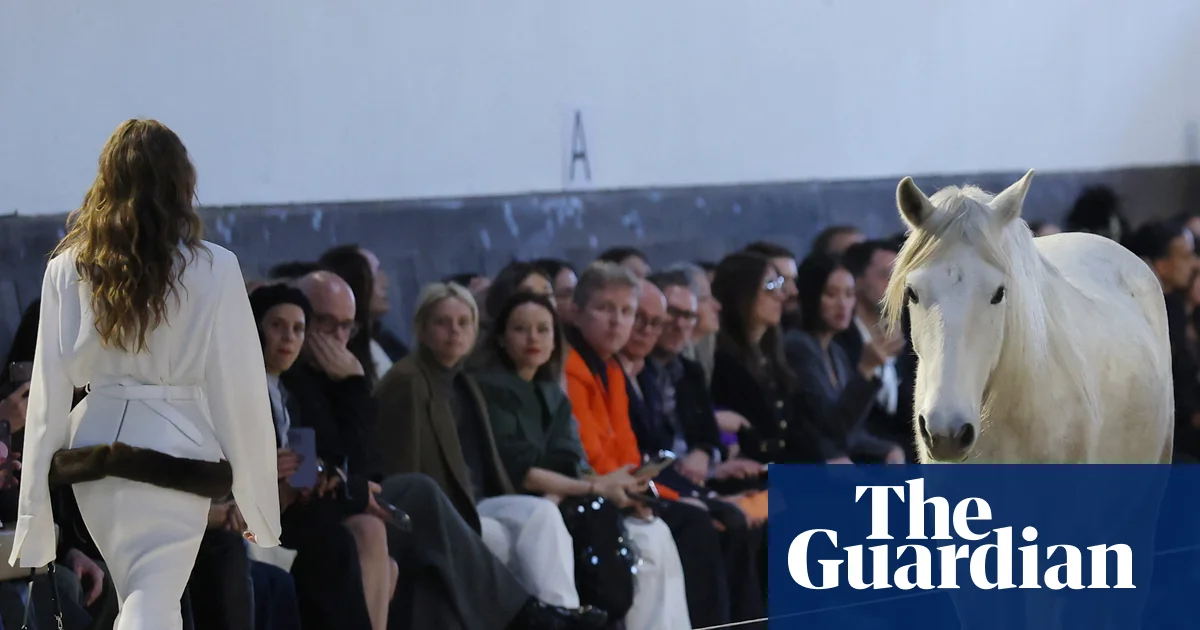
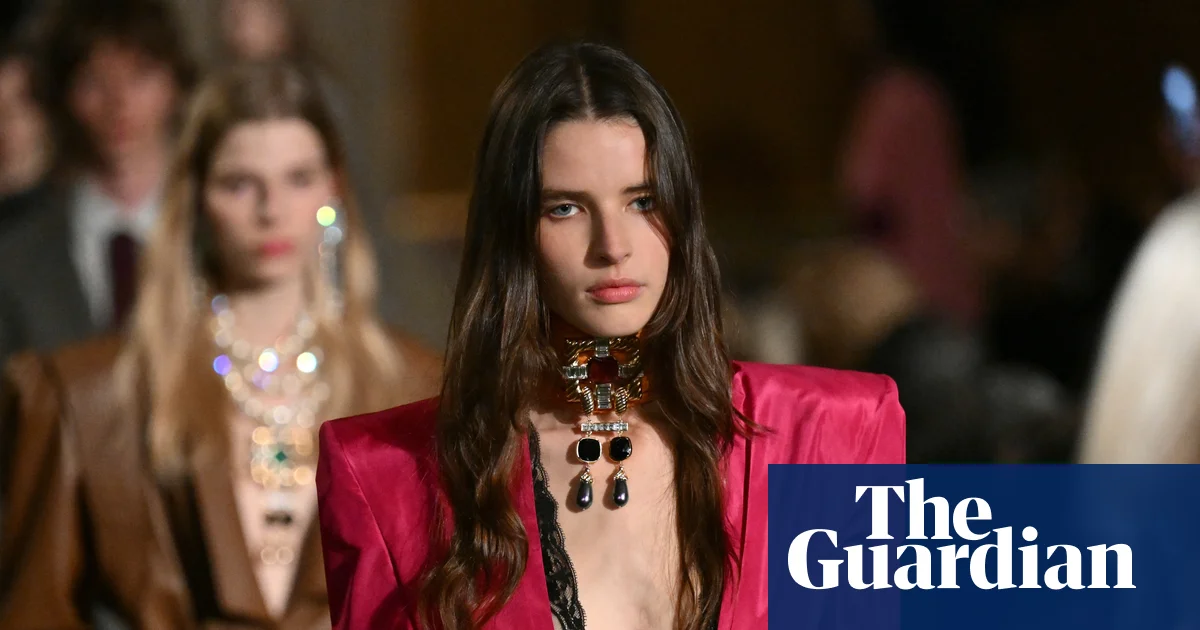
Gaining a deeper understanding of Valentino’s cultural impact requires examining the new creative direction under designer Alessandro Michele. Since taking over in 2024, Michele has used his platform at Valentino to push the boundaries of traditional beauty, infusing collections with a complex mix of political and social statements. Unlike Valentino Garavani’s straightforward pursuit of “making his girls look sensational,” Michele’s approach is more layered, blending aesthetics with commentary. For example, his recent collection, set in a stunning 17th-century palace in Rome, featured lace-dipped hems, draped tunics, and jewel-toned hues reminiscent of a vibrant, empowered 1980s era—an homage to a time when women were in control of their presence and identity. This shift to embracing a more \u201cunorthodox\u201d definition of beauty signals a broader cultural conversation, pushing fashion beyond superficial glamour to a space where social relevance is the new standard.
This transformation is further exemplified by Michele’s strategic use of symbolism in his designs and shows. His previous work at Gucci, which transformed the brand into a treasure trove of retro eccentricity, demonstrates a keen ability to redefine luxury by tapping into nostalgia and cultural moments. Now, by echoing the boldness of the 1980s and making personal connections—like dedicating the collection to his mother—Michele is redefining what it means to wear power and positivity through fashion. The collection’s historic Roman setting, intertwined with Valentino’s Hollywood connections—famous moments with Elizabeth Taylor and Sophia Loren—serves as a reminder that fashion’s social relevance has always involved storytelling rooted in societal icons and narratives. This intersection of history and contemporary messaging is demonstrating that high fashion isn’t just about external beauty but serves as a mirror for ongoing social shifts and cultural dialogues.
As the luxury industry faces rapid change, driven by new generations of consumers and shifting values, the most intriguing question is whether this era signals a broader trend of brands reasserting cultural significance. With Kering’s interest in acquiring Valentino and Michele’s potential to turn Valentino into a similarly influential cultural force as he did with Gucci, the evolving landscape poses a challenge to traditional notions of beauty and exclusivity. The question is: will fashion maintain its role as a social beacon, or will it withstand the growing pressures of consumer activism and digital transparency? The next chapter may very well hinge on whether designers and brands will prioritize social relevance and cultural storytelling over solely aesthetic pursuits—an evolution that could redefine the very purpose of luxury fashion in the digital age. As Michele himself reflects on the current moment—”working in fashion when there is a war outside”—the future of style might demand not only beauty but resilience, purpose, and a question: what role will fashion play in shaping society’s next values?