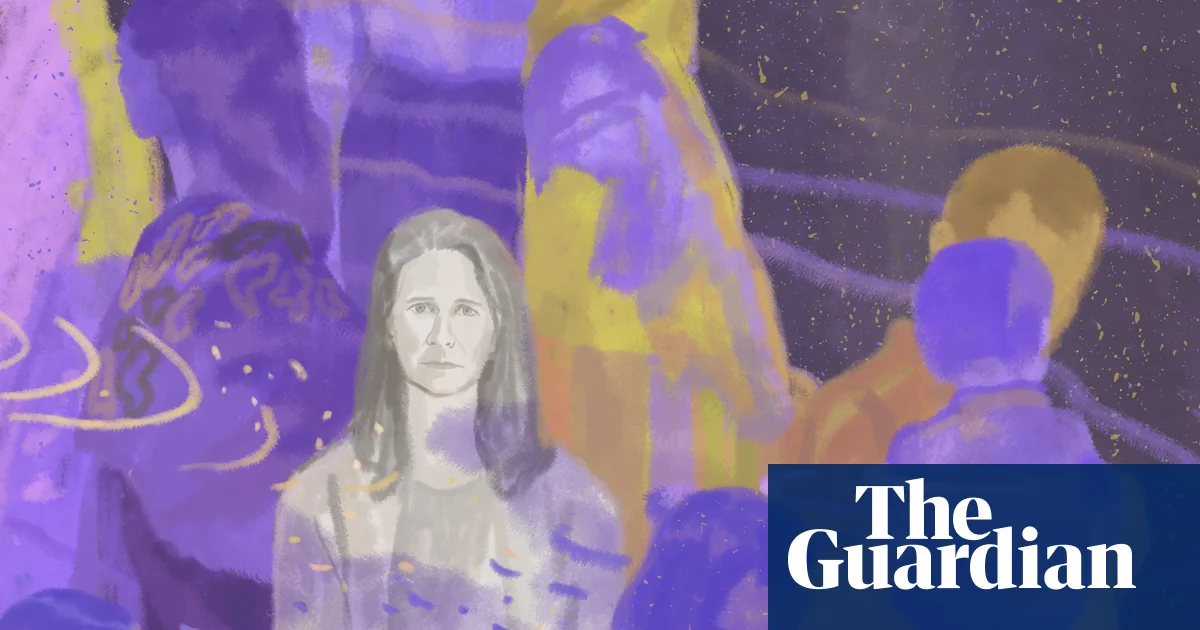
In a rapidly changing society, social cohesion hinges on our collective ability to bridge communication gaps that threaten to fracture communities and divide families. The story of Deborah’s experience — a woman who, at age 56, found herself grappling with sudden, profound hearing loss — illustrates a pervasive yet overlooked crisis that transcends individual hardship. Her journey underscores a crucial societal issue: despite advancements in medical technology and understanding, the barriers that prevent equitable access to hearing care persist, often fueled by a healthcare system driven more by profit than compassion. When insurance companies deny coverage for critical procedures and devices, families face not only financial ruin but also devastating social isolation, which in turn weakens the fabric of our communities.
This crisis is not isolated. According to sociologists like Dr. Susan K. Gardner, the societal consequences of untreated hearing loss are staggering — from increased loneliness to diminished participation in educational and communal activities, disrupting the very foundations upon which families and communities are built. For Deborah, the denial of her surgery and hearing aids meant months of silence, profound loneliness, and a shrinking social circle. The inability to communicate effectively with loved ones or participate fully in society erodes not only individual well-being but also the interconnected trust that sustains communities. As many as 48 million Americans are impacted by hearing loss, and yet, systemic inequities continue to silence millions more, amplifying their struggles while society turns a deaf ear to their needs.
Adding to this social adversity are cultural shifts and demographic changes that demand a reevaluation of how we approach neurodiversity, language, and accessibility. The example of Martha’s Vineyard, where generations grew up learning and signing in MVSL, demonstrates that fully integrated deaf and hearing communities are achievable. Their success stems from early cultural integration and a shared language—traits that could serve as a blueprint for broader, national inclusion. Society’s failure to adopt similar strategies leaves many deaf individuals isolated and marginalized, often unaware that solutions are possible. Policymakers and social institutions must prioritize initiatives that promote early language education, expanded insurance coverage, and the integration of AI-powered technologies—ensuring that the social fabric is woven with threads of understanding rather than strands of silence.
Ultimately, the moral imperative of society lies in recognizing that deafness is an unsolved problem of communication—one that we choose each day not to resolve. Every missed opportunity for early intervention, every denied coverage, and every societal neglect to foster inclusivity compounds the challenge. But hope remains. Through legislation that mandates coverage for hearing health, investments in innovative AI solutions, and widespread efforts to teach sign language, society can turn the tide. In doing so, we do not merely restore the ability to hear; we restore voices, relationships, and the unity of our shared humanity. As Deborah’s story demonstrates, when we commit to bridging the deaf-hearing divide, we revive the promise that every individual, regardless of their physical limitations, can participate in the symphony of society—listening, speaking, and ultimately, belonging.