Matox News

Truth Over Trends, always!

Istanbul’s Former Mayor Imamoglu Faces Corruption Charges Amid Political Challenges

In recent weeks, the international landscape has been sharply affected by high-profile prosecutions driven by political motives, which threaten the foundational principles of justice and sovereignty across nations. Dinushika Dissanayake, Amnesty International’s deputy director for Europe, voiced a stark warning, asserting that certain legal proceedings are “riddled with serious international fair trial and rule of law issues.” Her remarks highlight a disturbing trend whereby governments leverage judicial systems not merely to uphold law, but to politically target opponents or dissidents, thereby destabilizing regional stability and undermining democratic values.

This trend is particularly alarming given its potential to distort international relations. When a country’s judicial system is weaponized for political ends, it creates ripple effects across borders, encouraging other nations to adopt similar tactics to suppress dissent or consolidate power. Analysts warn that this erosion of legal integrity can lead to increased international tensions and defy diplomatic norms. The use of secret witness testimony—often unreliable and opaque—further complicates the issue, making it difficult for international watchdogs and organizations like the United Nations to ensure accountability or provide fair oversight. Such actions threaten the sovereignty of affected nations by subverting the rule of law, which is an essential pillar of democratic governance and international stability.

Experts note that these developments bear significant geopolitical impact. Countries now face the repercussions of these politically driven prosecutions on their global standing. Western nations, particularly those of a more youthful, dynamic demographic, are increasingly scrutinizing their alliances and diplomatic engagements with regimes accused of abusing legal systems for political ends. Conversely, authoritarian powers see such prosecutions as examples to follow, further cementing their grip on power at home while challenging the legitimacy of liberal democratic paradigms abroad. The international order must grapple with this new reality, where legal systems are no longer sanctuaries of justice but tools for political survival.

Leading historians and political analysts affirm that this moment will be recorded as a pivotal point in history—when the veneer of legality was used to disguise political repression, challenging the very fabric of international rule-based systems. How major powers respond, and whether they prioritize upholding universal principles over short-term geopolitical gains, remains uncertain. But what is clear is that the weight of history now rests heavily on the shoulders of nations and their leaders to navigate these turbulent waters with integrity and resolve. As the world watches, the unfolding saga of justice and authority continues—on a stage where the fates of societies and the integrity of the rule of law hang precariously in the balance, waiting to be etched into the chronicles of history.

Rihanna’s Beverly Hills Home Targeted by Gunfire, Police Report

Breaking News: Shooting in Los Angeles Sparks International Concerns

In a recent incident that has captured global attention, authorities in Los Angeles announced the arrest of a suspect following a shooting that occurred on Sunday afternoon. While initial reports indicate a localized incident, its repercussions extend far beyond the city’s boundaries, reflecting ongoing challenges faced by many urban centers worldwide. The incident underscores the persistent issues of violence and societal instability, themes that resonate across borders and influence international perceptions of internal security.

The shooting in Los Angeles has prompted a wave of reactions from international institutions and geopolitical analysts, who argue that such violence reflects deeper, systemic problems rooted within urban governance, socioeconomic disparities, and the failure of community safety measures. Experts cite that in an era where law and order are often scrutinized through the lens of social and political divides, incidents like these threaten to destabilize growing efforts toward peaceful coexistence. As noted by the International Crisis Group, similar episodes in other major capitals have often served as flashpoints, revealing underlying fractures in societal cohesion that can be exploited by internal and external actors alike.

From a geopolitical impact perspective, this incident raises questions about how national security policies are evolving to address urban violence that transcends local concerns and influences international security strategies. Countries such as the United States, known for its complex relationship with gun control and public safety, find themselves at a crossroads where pressuring urban centers to tighten security can change diplomatic dialogues and aid allocations. These incidents often serve as a reminder to the global community that internal stability is a cornerstone of international order, with consequences reaching far beyond city limits.

Historicians and analysts are quick to draw parallels with past episodes of urban unrest, warning that unchecked violence can destabilize societal structures and erode public trust. Moreover, the recent arrest of the suspect may serve as a turning point, but it also highlights the ongoing need for comprehensive strategies—including community engagement, social reform, and international cooperation—to prevent future tragedy. As the United Nations and other global entities call for renewed efforts to combat violence, the world watches with cautious hope that the lessons of history will not be ignored.

What lies ahead remains uncertain. As policymakers grapple with balancing civil liberties and security, the echoes of today’s violence will reverberate through history, prompting nations to reconsider the fragile equilibrium that underpins peace and stability. The unfolding story of Los Angeles is a stark reminder that in the mosaic of global conflict, each piece matters — and its resolution depends on the collective resolve of nations to shape a safer, more resilient future.

Australians Will Need to Confirm They're Over 18 to Access Porn Under New Laws
Australians Will Need to Confirm They’re Over 18 to Access Porn Under New Laws

In a decisive move that underscores the ongoing battle against digital exploitation and underage access, sites such as Pornhub and RedTube are now mandated to verify the ages of all users or face ramifications reaching into the millions of dollars in fines. This legislative shift marks a critical juncture in the international effort to regulate online content, reflecting both societal concern and the increasing influence of governmental authority over digital spaces. The move signifies a broader attempt to balance freedom of expression with the urgent need to protect vulnerable populations, especially minors, from exploitation and harmful content.

From a geopolitical perspective, these laws demonstrate the rising power of national governments to impose strict standards on global internet giants. Countries involved in this regulatory push argue that age verification is essential to uphold societal morals and prevent criminal activities. International organizations, including the United Nations, continue to emphasize the importance of safeguarding human rights online, but critics argue that such measures could infringe on privacy and free speech. The decision of individual nations to enforce these regulations effectively puts multinational corporations in a difficult position: comply with foreign laws or face catastrophic financial penalties that threaten their global operations. Data security experts warn that while the intent is protective, the implementation must be meticulously managed to avoid exposing user data—an aspect that raises concerns about privacy violations amid stringent compliance demands.

Historians and analysts have interpreted the recent crackdown as part of a larger trend of increased government intervention in the digital realm, a phenomenon that shapes the future of online freedoms. According to Dr. Jane Harper, a well-known cyber-law expert, “This is not just about protecting children but about asserting national sovereignty over the digital economy.” Countries pursuing such legislation are signaling a new era in international relations, one positionally marked by a debate over regulatory sovereignty versus corporate autonomy. As global content providers scramble to adapt, many anticipate that these laws will set precursors for future legislation worldwide, effectively forging a new ‘guardrail’ for internet governance.

  • The laws enforce the verification of user ages, requiring real-time identity checks before access is granted.
  • Fines for non-compliance can reach into the millions of dollars, endangering the viability of platforms that fail to meet standards.
  • There is an increased call for transparency and data security within online content industries.
  • These regulations challenge the balance between free access and safeguarding vulnerable populations, sparking international debate.

As this dramatic shift unfolds across national borders, the global community faces a pivotal question: Will such policies uphold the moral fabric of society without compromising fundamental rights? The decision by governments to assert control over what was once an unregulated digital frontier resonates deeply within the corridors of power. With each new law, history is writing itself into the narrative of how nations reckon with the rapid evolution of technology and its impact on society. In this ongoing saga of sovereignty versus digital freedom, the outcome remains uncertain—yet undeniably, it is a chapter that could forever alter the landscape of internet regulation and societal values, leaving a profound imprint on the course of history.”

Oil hits $100 as market drops amid Iran tensions

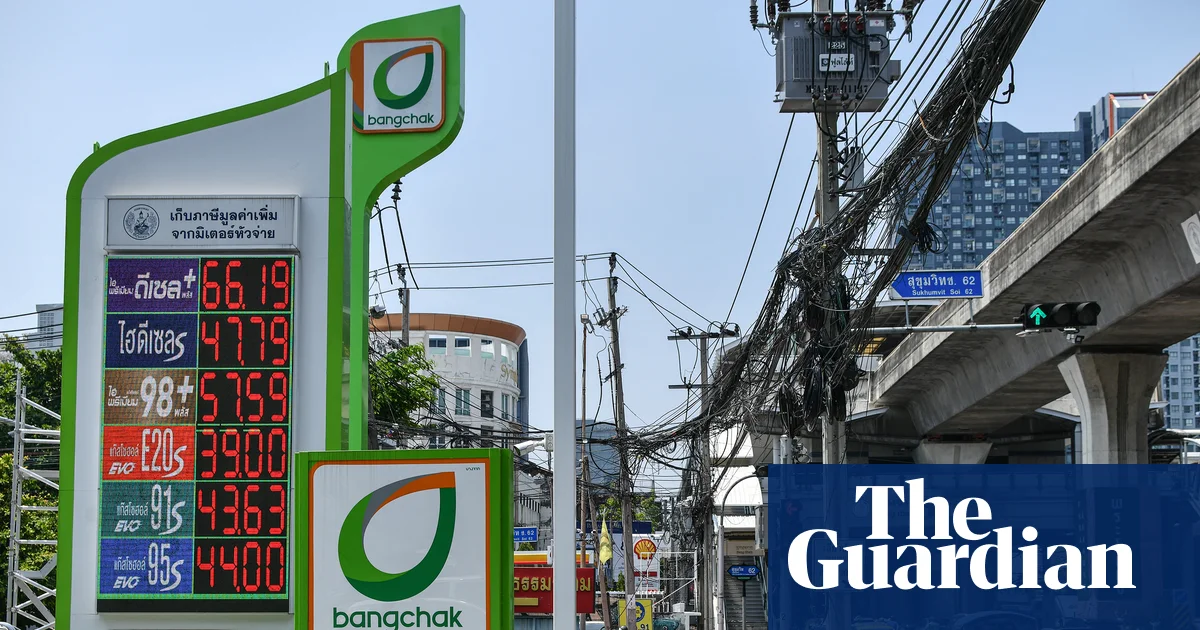
The world finds itself at a precarious crossroads as recent events have ushered in major disruption to energy supplies, with ripple effects poised to influence economies and societies across the globe. This shift is not simply an economic hiccup; it signals a profound geopolitical transformation that could redefine international power structures for years to come. As energy prices surge, governments worldwide scramble to respond, while analysts and historians warn of a potential reordering of global alliances amidst this brewing crisis.

Several factors have contributed to this critical juncture. Rising tensions in major energy-producing regions, coupled with disruptions to supply chains due to geopolitical conflicts, have sharply curtailed the stability of traditional energy markets. OPEC nations and Russia, long-time fixtures in the energy landscape, face increasing scrutiny as supply bottlenecks intensify. Moreover, U.S. allies in the Middle East are grappling with internal political shifts, which further complicate efforts to stabilize global markets. The decision by some nations to diversify away from reliance on oil and gas—while strategic—has not yet stemmed the immediate impact of the price hikes, which now threaten both developed and developing nations alike.

International organizations such as the International Energy Agency (IEA) continuously monitor these developments, warning that the current trajectory could exacerbate inflationary pressures and hinder economic growth. Meanwhile, geopolitical analysts assess how states will navigate this turbulence. Historically, energy shortages have often acted as catalysts for broader conflicts or alliances, and many experts fear this trend may recur. Countries that maintain control over energy resources are likely to leverage their positions for geopolitical advantage, fueling a new era of strategic competition. This reality underscores the critical importance of resilient energy policies and geopolitical diplomacy in shaping the future stability of the global order.

At the heart of this unfolding crisis lies a fundamental truth: energy security is now intertwined with national sovereignty and international diplomacy. As prices for consumers and businesses spiral upward, social unrest looms on the horizon, particularly in nations where energy costs constitute a significant portion of daily living expenses. Governments are under intensified pressure to balance short-term economic relief with long-term strategic stability. Meanwhile, international institutions are called upon to mediate and coordinate responses, although many in the global community remain skeptical of their efficacy given recent geopolitical fractures.

This chapter in history is still being written, yet its consequences threaten to be as profound as the oil shocks of the 1970s. Will the emerging energy crisis catalyze a new era of cooperation or ignite renewed conflicts over resources? As nations brace for the impact of escalating prices, the weight of history presses heavily upon policymakers. What is clear is that the choices made today will echo through generations, shaping the global order in ways yet to be fully understood. As humanity stands on this precipice, the echoes of the past remind us: the decisions we make now may determine whether this moment of crisis becomes a stepping stone toward future stability or a harbinger of prolonged global upheaval.

Cocoa farmers in Ghana and Ivory Coast hit hard as chocolate prices tumble

In a decisive move reflecting the shifting landscape of global trade and economic sovereignty, Ghana, one of the world’s leading cocoa producers, has announced a comprehensive set of measures aimed at revitalizing its vital agricultural sector. Historically, Ghana has relied heavily on exporting raw cocoa beans, which are then processed in foreign countries, generating substantial revenue for external economies rather than its own. Recognizing that the health of this sector is intrinsically linked to national wealth, the government’s new policies seek to process more of its cocoa domestically, rather than exporting raw beans for external processing. This strategic pivot underscores a broader trend among emerging nations aiming to maximize value addition and establish greater control over their resource-rich sectors.

This shift responds to both economic pressures and national ambitions, with officials emphasizing that increased local processing will enhance employment, technology transfer, and sustainable growth. The government’s plans include investing in local processing facilities and encouraging foreign investment through favorable policies. Such measures aim to reduce dependency on foreign industries and boost income from higher-value processed products, including chocolate and other derivatives. This approach also aligns with a burgeoning movement among resource-endowed African countries seeking to leverage their natural wealth for long-term economic independence. This move closely follows discussions among international analysts and economic historians who emphasize that resource value chain manipulation often dictates the geopolitical strength of resource-dependent nations. As Dr. John Williams, an economist at the International Monetary Fund, notes, “Countries that control the processing and value addition layers tend to wield greater geopolitical influence.”

However, the decision also signals a potential recalibration of regional and global power dynamics. By processing more domestically, Ghana is challenging established international trade patterns, especially those controlled by multinational corporations based in Europe and North America. Such a shift could disrupt existing supply chains and alter the flow of wealth within the global economy. It also sends a clear message to other resource-dependent nations: sovereignty over your natural assets translates into economic leverage and strategic resilience in an increasingly uncertain geopolitical landscape. Described by some analysts as a form of ‘economic patriotism,’ these policies could inspire further moves among African nations contemplating resource nationalism amidst swelling global tensions.

As history continues to unfold, the international community watches with bated breath. The move by Ghana is more than an economic policy; it is a bold statement on sovereignty and a challenge to the existing global order. With each step towards processing sovereignty, the nation cements its position on the world stage—yet, in the shadow of this burgeoning independence, new risks and rivalries loom. The tide of history is relentless, and as regional powers seek to emulate Ghana’s path, the outcome remains uncertain, leaving the world to ponder: who will control the resource riches of tomorrow, and at what cost to global stability? The story of Ghana’s cocoa revolution is only beginning, and its reverberations threaten to reshape the geopolitical map in ways yet unseen.

Meet Mojtaba Khamenei: Iran's Next in Line for Power
Meet Mojtaba Khamenei: Iran’s Next in Line for Power

Global Implications of Religious Leadership and Geopolitical Shifts

In one of the most striking examples of individual agency intersecting with international geopolitics, the story of Mojtaba—a devout figure who traveled to Qom in 1999—represents more than a personal spiritual journey. The city, recognized worldwide as a pivotal centre of Shia theology, continues to serve as a significant hub for religious authority in the Middle East. His decision, markedly unconventional given the cultural norms surrounding clerical progression, underscores emerging shifts within the religious and geopolitical landscape of the region. Unlike most of his contemporaries, Mojtaba did not don clerical attire until he was 30, raising questions about generational change and the evolving role of religious scholars within their societies and beyond.

This individual’s choice to pursue religious education later in life coincides with broader international trends—marked by regional tension, shifting alliances, and the ongoing struggle for influence in a volatile geopolitical climate. As analysts observe, this more mature approach to seminary study suggests a strategic recalibration of religious authority, positioning scholars to influence not only religious circles but also societal and political discourse. Such shifts inevitably impact how nations like Iran project power, both internally and externally, especially as religious figures gain—or lose—political legitimacy amidst upheaval and reform efforts.

The international community, particularly Western powers and regional adversaries, watch these developments intently. The rise of figures like Mojtaba, who embody both tradition and modernity, could recalibrate the influence of religious institutions in geopolitics—possibly affecting Iran’s diplomatic strategies, regional stability, and cellular networks of influence across the Middle East. Meanwhile, Tehran continues to navigate turbulent waters, balancing hardline factions with reformist voices, a dynamic that historians and policymakers scrutinize for signals of transformation or impending conflict.

According to experts from the International Crisis Group and renowned scholars of Middle Eastern history, the decisions made within religious spheres often cascade into broader political consequences. As the world teeters on the edge of potential conflict zones, understanding how individual trajectories such as Mojtaba’s influence society becomes essential. The evolution of religious authority—shaped by personal choices and societal shifts—has the power to foment peace or ignite friction across borders, especially as nations grapple with radical ideologies, economic sanctions, and diplomatic negotiations.

In the grand tapestry of history, stories like Mojtaba’s serve as a reminder that the path of a single individual can ripple outward, shaping eras of change. As geopolitical tensions simmer and alliances shift, the significance of religious leadership in turbulence and transformation remains ever-present. With each decision, each change of attire, and each step toward theological enlightenment, the world collectively inches toward an uncertain future—where the weight of history presses down, and the next chapter waits to be written in the shadows of modern tumult. The unfolding struggle for influence, both spiritual and political, continues to define our era, leaving nations and societies to grapple with the profound consequences of their choices—an ongoing saga as old as time itself, yet as fresh as the dawn of tomorrow.

Kenyan Youth Embrace New Weight-Loss Trends as Beauty Standards Shift

In recent months, Kenya has experienced a notable rise in the popularity of weight-loss and cosmetic procedures, significantly driven by local celebrities and social media influencers. This trend reflects a broader phenomenon where popular figures shape societal standards of beauty and self-image, often leading to a surge in demand for invasive and non-invasive treatments. While this cultural shift underscores a desire for personal transformation, it has also raised serious questions about the ethical, health, and economic implications within Kenyan society. International observers and health experts warn that this rapid proliferation, fueled by celebrity culture, may have deep ripple effects across neighboring African nations and beyond.

  • Social media influencers and local celebrities openly endorse cosmetic procedures, which many argue reinforces unrealistic beauty ideals.
  • There is a growing influx of cosmetic clinics, often unregulated, offering procedures with dubious standards of safety.
  • Health professionals warn of potential complications, especially as demand outpaces regulation and oversight.

This phenomenon cannot be viewed solely through a cultural lens; it has profound geopolitical impact that extends beyond national borders. As Kenya positions itself as a burgeoning hub for cosmetic tourism, its reputation within the regional marketplace is at a crossroads. Several analysts highlight that this trend could serve as a catalyst for economic growth—attracting international clients seeking affordable procedures—yet it simultaneously exposes vulnerabilities related to the regulation of medical standards. The United Nations and regional health agencies have voiced concern over the potential for illegal clinics and the lack of comprehensive oversight, which could transform what appears to be a routine social phenomenon into a regional humanitarian issue.

Experts like Dr. Ken Njoroge, a renowned Kenyan plastic surgeon, emphasize that the cultural shift driven by celebrities can have unintended consequences, fueling a cycle of body image obsession and dependency on cosmetic interventions. Meanwhile, international organizations such as the World Health Organization warn that unregulated practices could lead to increased cases of botched procedures, infections, and long-term health problems. This raises a pivotal question: how do nations manage the delicate balance between personal choice, economic opportunity, and public health? History suggests that unchecked deregulation often results in social upheaval and health crises, especially in developing contexts where legal frameworks are still evolving.

At the heart of this unfolding story is a complex cultural and geopolitical tapestry: a youth-driven desire for beauty and success intertwined with the economic ambitions of a nation seeking to leverage its demographic dividend. Countries in the neighborhood, such as Uganda and Tanzania, watch closely, pondering whether to emulate Kenya’s “beauty boom” or to implement stringent regulations. The decisions made today foreshadow a future where societal standards of perfection are shaped at the intersection of celebrity influence and government policy. As history continues to unfold, it becomes clear that this surge in cosmetic culture isn’t merely about aesthetics—it is a reflection of rapidly shifting societal values, economic aspirations, and the global fight over social identity.

In the shadow of these developments, one thing remains certain: the future of Kenya’s societal fabric—and indeed, the broader African continent—will be dictated by how this chapter in the social revolution is written. As regional and global entities debate the ramifications, the world waits with bated breath. The choices made at this juncture could resonate for generations, a vivid reminder that in the game of geopolitics and societal evolution, beauty standards are just the surface of a much deeper, more consequential narrative lurking beneath the surface of headlines.

A Critical Moment for Our Future

The ongoing conflict in Iran and its wider regional repercussions have reached a perilous tipping point, according to international humanitarian authorities. UN humanitarian chief Tom Fletcher issued a stark warning about the profound and escalating impact of violence on civilians living amidst the turmoil. His appraisal underscores a broader trend of increasing instability in a region historically fraught with geopolitical tensions, where the ripple effects are felt across borders, influencing global security dynamics.

The conflict’s secondary impacts are becoming increasingly alarming. Fletcher emphasized that the violence does more than just threaten immediate safety; it risks intensifying extremism and societal polarisation. This worsening climate of divisiveness could undermine regional stability for decades, with consequences that extend into international corridors of power. Security analysts, such as those from the International Crisis Group, highlight how such conflicts serve as fertile ground for extremist groups, potentially destabilizing entire nations and challenging the fabric of international order. Decisionmakers worldwide must carefully consider whether current strategies are sufficient to prevent a broader regional conflagration.

In recent weeks, Middle Eastern nations, and indeed the global community, have watched perilously as ceasefires falter and violence intensifies. Fletcher called on global leaders to “step back from the brink,” a plea underscored by the mounting humanitarian toll and the risk of further escalation. The conflict’s escalation may also redraw alliances, shaking up an already complex geopolitical landscape. Major powers, including the United States and Russia, are likely weighing their next moves, knowing that their choices could either contain or catalyze chaos. The international community faces a stark choice: promote diplomacy or confront the possibility of an even larger regional catastrophe.

Historian and geopolitical analysts argue that the window for peaceful resolution is narrowing rapidly. The shadow of Cold War rivalries in the Middle East has historically led to devastating interventions and proxy conflicts, leaving scars that define the modern era. As the conflict deepens, the United Nations and regional alliances grapple with how best to address the unfolding crisis. The delicate balance of diplomacy, sanctions, and military pressure appears increasingly strained, risking a scenario where the cause of peace is overshadowed by escalating violence. With every passing day, history may record this moment as a turning point—either as a missed opportunity for foresight or a tragic step toward irreparable chaos.

As the world looks on, standing at the crossroads of diplomacy and disaster, the weight of history presses down. The choices made today will echo across generations, shaping the future of the Middle East and global security itself. The question remains: how long before this fragile equilibrium shatters completely, and the continent is engulfed in a new, darker chapter of conflict?’

Swiss youth resist right-wing push to slash public broadcaster license fees

In a significant turn of events that could influence both domestic policy and international perceptions, recent electoral data reveal that more than 60% of voters favor maintaining the current license fee levels. This result, initially projected by national polling agencies, underscores a broad public consensus on fiscal stability amid ongoing economic uncertainties. The implications extend well beyond the confines of domestic politics, potentially altering the geopolitical landscape by shaping a nation’s approach to its economic sovereignty and its stance within global institutions.

The decision to uphold existing license fee frameworks resonates deeply within the broader context of international relations and economic policy, particularly given the ongoing debates surrounding national sovereignty versus international oversight. Analysts from prominent think tanks suggest that this voter preference reflects a cautious populace wary of financial upheaval, especially in regions where economic resilience is already tested by external factors such as global market volatility and regional conflicts. These domestic choices may influence how a country interacts with international organizations, possibly reinforcing or challenging the policy directives that shape global economic norms.

From a geopolitical perspective, the steadfast stance on license fees could be viewed as an assertion of national independence. Historians like Dr. James Patterson observe that such domestic sentiment often acts as a subtle but powerful form of resistance against external pressure from multilateral institutions, including the United Nations and European Union. Countries that choose to preserve control over their fiscal policies are likely to reinforce their sovereignty and signal to allies and adversaries alike that they prioritize national interests over international mandates. This shift could impact diplomatic alignments and influence future negotiations, especially as global institutions face criticism for perceived overreach.

How this decision impacts social cohesion and the fabric of nation-states remains a critical question. As governments navigate the delicate balance between economic stability and societal expectations, the broader human dimension must not be overlooked. The choice to sustain existing license fee structures reflects a societal desire for predictability and security—values key to social stability. However, it also raises questions about the sustainability of such policies amid rising global challenges such as technological disruption and climate change. To some, the comfort of continuity might come at the expense of innovation and adaptability, stirring debates among scholars and policymakers about the long-term consequences for national resilience.

As history continues to unfold, the weight of this seemingly straightforward electoral outcome signals a more profound message: nations are increasingly asserting their independence amidst a complex web of international forces. The coming months will reveal whether this domestic preference for stability heralds a new era of national sovereignty or if external pressures will erode these boundaries. In a world where every decision echoes across borders, the legacy of today’s choices may well define the balance of power for decades to come, leaving the global community to ponder whether the tide has turned in favor of steadfast independence or if those who resist are merely delaying inevitable integration into a new global order.

Nancy Guthrie disappearance: unanswered questions linger as search enters another month

The recent disappearance of the mother of renowned TV presenter Savannah Guthrie has sent shockwaves across the United States, highlighting concerns about security and social stability in an era marked by rising crime concerns. While the case remains unresolved with no arrests so far, the incident has rekindled debates about law enforcement effectiveness and the persistent vulnerabilities in urban and suburban communities. This situation underscores broader issues that resonate well beyond American borders, emphasizing the importance of resilience and vigilance in safeguarding societal stability.

From an international standpoint, the unfolding events serve as a reminder of the geopolitical implications associated with internal security. Countries worldwide, especially those with open societies and active media landscapes, observe such incidents with keen interest. They reflect not only on domestic governance but also on the global image of safety and justice. Analysts like Dr. James Montgomery, a geopolitical commentator for the International Security Institute, argue that internal security failures can have ripple effects, influencing perceptions of strength and stability, especially for nations engaged in diplomatic or economic negotiations. A failure to resolve such cases promptly could embolden criminal networks or undermine public confidence in government institutions, with consequences that extend well beyond national borders.

Moreover, the case demonstrates the delicate balance between individual rights and societal security, a topic under intense scrutiny by international organizations such as the United Nations and INTERPOL. The case serves as a stark reminder that a society’s resilience is tested not only by external threats such as terrorism or cyber-attacks but also by internal crises and community safety. As law enforcement agencies worldwide grapple with similar challenges, the need for effective cooperation and intelligence-sharing becomes more critical. The failure to swiftly apprehend suspects in sensitive cases could influence international relations, particularly if criminal networks cross borders or threaten regional stability. These developments highlight how domestic issues dovetail into broader geopolitical concerns, reminding governments that internal security is integral to national sovereignty and global peace.

As the case remains unresolved, historians and analysts continue to draw parallels to other pivotal moments in recent history—times when internal crises revealed systemic weaknesses or precipitated broader political shifts. The subtle yet powerful lessons stem from a series of global events, in which a society’s failure to protect its citizens has sometimes led to social upheaval or cultural shifts. The stubborn persistence of unresolved cases emphasizes that the landscape of international relations is shaped as much by internal stability as by external diplomacy. The weight of this ongoing mystery hangs heavily in the collective consciousness, hinting that the true test of national resilience is yet to come. As history unfolds, the decisions made in response to this and related incidents could determine whether societies survive their hardest tests or succumb to internal fractures, leaving a legacy that will echo for generations to come.

Social Media Auto Publish Powered By : XYZScripts.com