In what appears to be a critically pivotal moment in Middle Eastern geopolitics, negotiations for a potential ceasefire over the ongoing five-week-old conflict are underway, yet the prospects remain uncertain amidst escalating rhetoric and military actions. Proposals from mediators including Pakistan, Egypt, and Turkey advocate for suspension of hostilities and reopening the vital Strait of Hormuz, a strategic waterway through which a significant portion of the world’s oil exports pass. These efforts aim to pave the way for comprehensive peace negotiations, but tensions flare as Washington and Tehran exchange ultimatums that threaten to deepen the crisis. Specifically, Donald Trump has issued a stark warning: open the Strait of Hormuz by Tuesday or face targeted strikes on Iran’s power infrastructure and critical bridges. Such aggressive rhetoric underscores the volatility of the current diplomatic landscape and what analysts warn as a potential trigger for broader regional conflict.
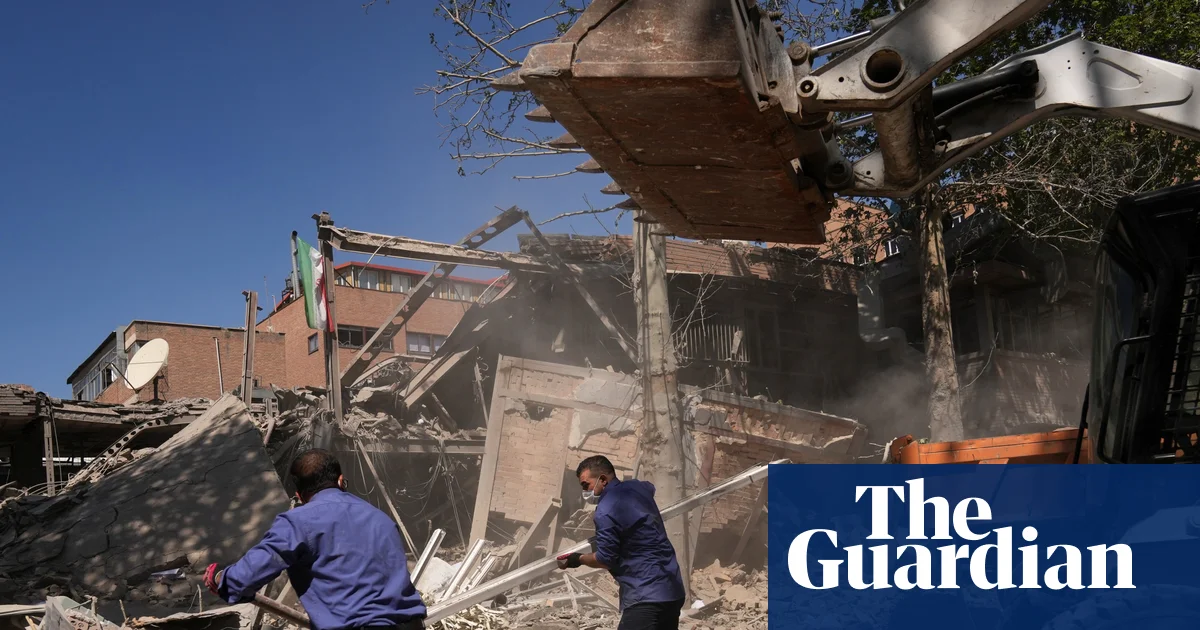
The Iranian government remains resolute, refusing to open the strait under immediate threats, citing fears of renewed US and Israeli attacks. Iranian officials have privately responded but maintain that peace negotiations cannot be carried out under “ultimatums and threats of war crimes,” as stated by Esmaeil Baghaei, Iran’s foreign ministry spokesperson. Iran also warns of a “much more devastating” retaliation should escalation occur. Meanwhile, Israel has visibly escalated its military efforts, claiming responsibility for recent strikes on Iran’s South Pars petrochemical complexes—facilities responsible for approximately 85% of Iran’s petrochemical exports. These strikes, announced publicly by Israel Katz, indicate a relentless campaign aimed at crippling Iran’s economic lifeline, raising concerns about a spiraling regional war. Such actions have already sent ripples through oil markets, with Brent crude futures dipping temporarily, hinting at global economic ramifications of the ongoing conflict.
International actors are deeply involved in tracking shifts in this potential flashpoint. Historians and geopolitical analysts warn that the current standoff risks breaking the fragile balance of power in the Middle East. The involvement of Pakistan’s military, in contact with the US vice-president, and Trump’s envoy’s dialogue with Iran’s foreign minister reflect an intricate web of diplomacy trying to prevent full-scale war. Yet, the recent assaults extending to Lebanon—with Israel bombing Hezbollah strongholds and killing civilians—underline how regional alliances and enmities are fueling wider chaos. As Lebanese and other Middle Eastern societies face devastating repercussions, the question lingers: will diplomacy prevail or will this escalation plunge the region into a broader conflict that could reshape global power dynamics? With each day’s passing, history’s weight thickens, leaving the world on the edge of an unpredictable chapter that could redefine the balance of power for generations to come.