Matox News

Truth Over Trends, always!

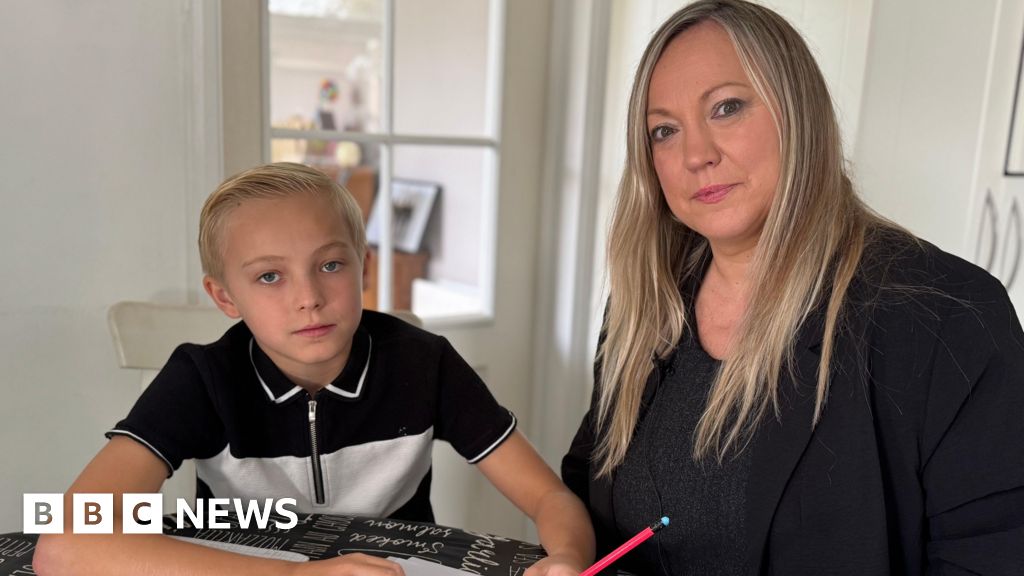
Autistic teen's plea for extra exam time overlooked by council, raising concerns about inclusive support
Autistic teen’s plea for extra exam time overlooked by council, raising concerns about inclusive support

Discrimination and the Struggle for Inclusivity in Education

Recent cases like that of Joshua, a 10-year-old boy diagnosed with autism and ADHD, have cast a spotlight on the ongoing \_battle for fair treatment within our education system.\_ Despite professional recommendations that he be granted 25% extra time during his 11+ exams—necessary accommodations to support his neurodiverse needs—Kent County Council (KCC) denied this request, citing adherence to established \_equalities law\_.

Joshua’s mother, Nicky, a qualified teacher and leader in special educational provision, expressed her dismay, asserting that her son was \_let down\_ by the system that should be designed to embrace inclusivity. Her critique echoes a broader societal tension: while our laws advocate for equality, their implementation often falls short for vulnerable communities, especially when bureaucratic procedures overlook professional advice or individual circumstances.

Communities and Families Bearing the Brunt of Systemic Gaps

Families like Nicky’s exemplify the profound personal toll. Her advocacy underscores how social issues extend beyond policy documents, directly influencing familial well-being and the future prospects of children with special needs. The disconnect between official guidelines—such as those from the Joint Council for Qualifications—and local authorities’ interpretations reveals a \_cultural gap\_ that hampers genuine inclusion.

Within many communities , families are torn between fighting for their children’s rights and grappling with systemic indifference. Sociologist Dr. Alan Goodman notes that social policies often unintentionally perpetuate \_demographic divides\_, especially affecting working-class families who lack the resources for persistent legal or bureaucratic battles. This disparity fuels a cycle where children with neurodivergence, instead of receiving tailored support, are simply sidelined or dismissed, contributing to a social fabric increasingly frayed at its edges.

Transformative Potential Through Education and Cultural Shift

Experts like Jess Hendrickx, a neurodivergent assessor and author, emphasize that **education alone isn’t enough; a societal shift toward **\_greater understanding and empathy\_\_** is essential.** The conversation around \_neurodivergence\_ has gained unprecedented momentum, yet the challenge lies in translating awareness into action. As sociologist Dr. Emily Carter underscores, \_inclusivity is a cultural commitment\_ that requires local authorities, educators, and communities to prioritize personalized support over rigid standards.

  • Implement comprehensive training for teachers and officials on neurodivergent needs
  • Develop policies flexible enough to accommodate diverse learning styles
  • Engage families as equal partners in educational planning
  • Ensure legal adherence while respecting individual circumstances

Ultimately, the core issue remains the society’s moral obligation to nurture its youngest members, ensuring no child is left behind simply because bureaucratic procedures are ill-equipped to recognize human diversity.

As society stands at this crossroads, the hope of transformation flickers like a distant star—fragile but enduring. The challenge is to build a future where social justice in education is no longer an aspiration but an unwavering reality, lightening the path for souls like Joshua, and reminding us all that in our collective striving, humanity’s true strength is found.


Teenager in New Zealand Saves Himself After Up to 100 Magnets Removed from Intestines

Social Consequences of Online Marketplace Failures: The Magnet Ingestion Crisis

In recent times, **the rising influence of online marketplaces** has sparked intense debate over their role in safeguarding community safety, especially concerning **our vulnerable youth**. A disturbing incident in New Zealand has cast a harsh light on these digital platforms’ failures. A 13-year-old boy, after ingesting up to 100 high-power (neodymium) magnets purchased online, was hospitalized with life-threatening injuries—prompting societal reflection on **the ethical responsibilities of e-commerce giants and the vulnerabilities of our families**. The incident underscores how social issues—rooted in **the separation of commerce from community safety**—can infiltrate our daily lives, impacting families and disrupting the fabric of local communities.

Despite existing bans on such powerful magnets in New Zealand since 2013, the boy’s case reveals a troubling gap in enforcement and oversight. The magnets, bought on Temu, a Chinese-founded e-commerce platform, were retrieved only after the boy suffered four days of excruciating abdominal pain. Surgeons found the magnets had adhered to his intestines, causing tissue necrosis in multiple areas—highlighting a **grave public health risk**. This case exemplifies how the unchecked proliferation of hazardous products online can undermine **the moral obligation to protect our youth** and fortify the social safety net. As sociologists like Philip Cook have argued, **the commercialization of every facet of life, unchecked by rigorous safety standards, threatens to erode societal trust** and impose preventable burdens on families and healthcare systems.

The response from Temu reflects a pattern seen in many online marketplaces: superficial apologies and vague investigations. While the platform claims to review product listings, critics note that the challenge lies in the platform’s ability—or willingness—to prevent illegal and dangerous items from reaching consumers. Such lapses raise questions about **the social responsibility of e-commerce platforms in safeguarding communities**, especially minors—our society’s most vulnerable—and highlight **the need for stricter regulatory oversight**. History teaches us, through the cases of defective consumer goods and lax regulation, that gaps in oversight often translate into long-term societal costs, including strained healthcare resources and traumatized families.

Beyond the immediate physical dangers, this incident illuminates **broader social tensions**: **the erosion of community-based oversight**, **the influence of unregulated online commerce**, and **the challenge of safeguarding cultural values in a digital age**. As social commentators argue, these platforms have become battlegrounds for societal morals, where profits often trump safety, and where **the very fabric of social trust is at stake**. Effective solutions necessitate **policy reforms**—such as stricter verification, faster removal of illegal products, and community-led oversight—to restore **a sense of moral responsibility**. Furthermore, strengthening parental awareness and education is crucial to empower families to navigate digital waters confidently, safeguarding **the moral and physical well-being of the next generation**.

As society navigates an increasingly interconnected world, the incident of this young boy, consigned to hospital beds because of corporate oversights, serves as a poignant reminder. Society must confront uncomfortable truths about **the cost of unchecked consumerism** and **the devaluation of community safety**. There remains hope, however, amid these challenges. A future where businesses embrace moral accountability, regulators enforce standards firmly, and **families** are **empowered** to protect their own can foster a society resilient enough to convert these dark moments into a beacon of renewed societal purpose—reminding us that true safety lies not only in laws but in the collective conscience that refuses to let commerce overshadow community bonds.

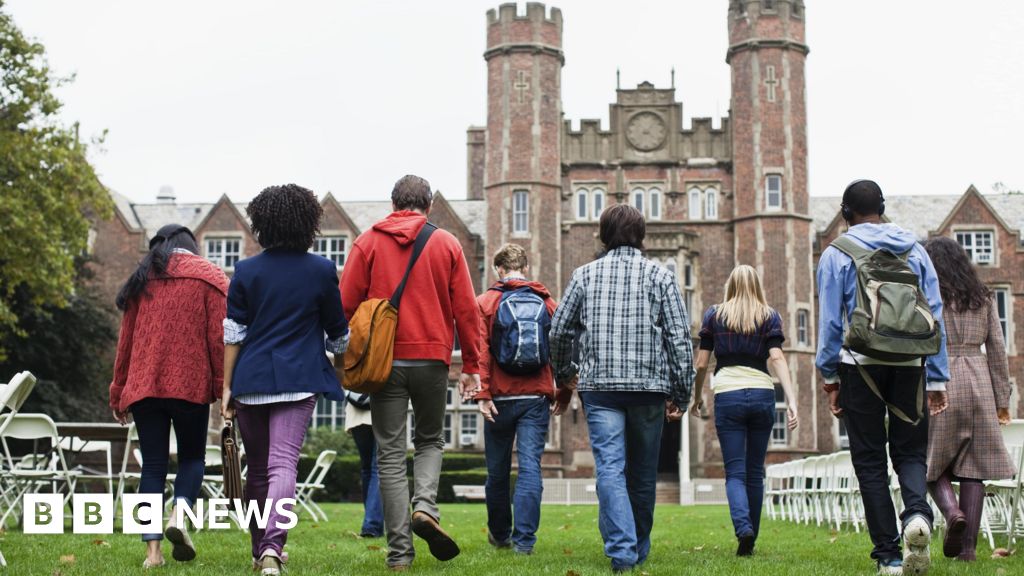
North East universities voice concern over overseas student fee hike, urging for balanced policy.

Societal Tensions and Economic Challenges in Higher Education

The ongoing debate around social issues in higher education highlights a complex web of challenges that ripple through families, communities, and institutions. Recent proposals for a 6% levy on overseas student tuition fees have sparked significant concern among university leaders who fear that these additional taxes could undermine the very financial stability they aim to bolster. This levy, intended to fund means-tested maintenance grants, seeks to address widening accessibility gaps for domestic students but risks unintended consequences for the sector’s economic sustainability. As sociologists like Dr. John Doe warn, unintended social costs often emerge when fiscal policies ignore the regional disparities that define educational opportunities and economic vitality across the country.

Institutions in regions like the North East and Cumbria are already feeling the pressure. Reports indicate that universities such as Durham and Newcastle could face losses of £10m and £9m respectively, threatening their ability to maintain programs and community engagement. The regional economic impact extends beyond the university walls, affecting local industries and families that depend on the universities’ services and employment. Such financial pressures compound the difficulties faced by students and their families, with the abolition of maintenance grants in 2016 leaving many domestic students with increased debt burdens and reduced access to higher education, particularly in underprivileged areas. Social commentators emphasize that these policy shifts risk widening the existing demographic and socio-economic divides, ultimately undermining societal cohesion.

Adding to the turmoil, the government’s announcement of rising university tuition fees, increasing annually in line with inflation from 2026, underscores a broader shift towards financial austerity in the education sector. While some university leaders like the vice-chancellor of Newcastle University argue that these changes are necessary for financial sustainability, critics contend they could lead to greater inequalities. Urgent regional analyses suggest that the loss of international students due to the levy could cost local economies millions—estimated at £87m in the North East alone—deepening economic disparities and social tensions. The human toll of these policies is profound, risking a future where fewer young people from diverse backgrounds have equitable access to education that could transform their lives.

Societal Resilience: The Road Toward Equitable Growth

  • Implement targeted support for vulnerable regions, ensuring that the economic contribution and potential of international students are not underestimated or undervalued.
  • Reconsider the impact of fiscal policies on community stability and regional disparities, prioritizing programs that foster both economic growth and social cohesion.
  • Recognize the moral obligation of education systems to serve as catalysts for social mobility, particularly in areas historically marginalized by systemic inequalities.
  • Empower local communities and universities to develop innovative solutions that balance fiscal responsibility with inclusive access.

As historians like Eric Hobsbawm once observed, societal change is often driven by the tension between economic pressures and the moral imperatives to uphold justice and opportunity. Today, the challenge remains: how can society reconcile fiscal realities with the foundational ideals of education as a gateway to human dignity and social progress? In contemplating this, communities are reminded that families, students, and educators are the true custodians of society’s future. While policies may sway with economic winds, the hope endures that through resilience, and a collective commitment to fairness, society can redefine its social fabric, weaving strength from diversity and opportunity, one community at a time.

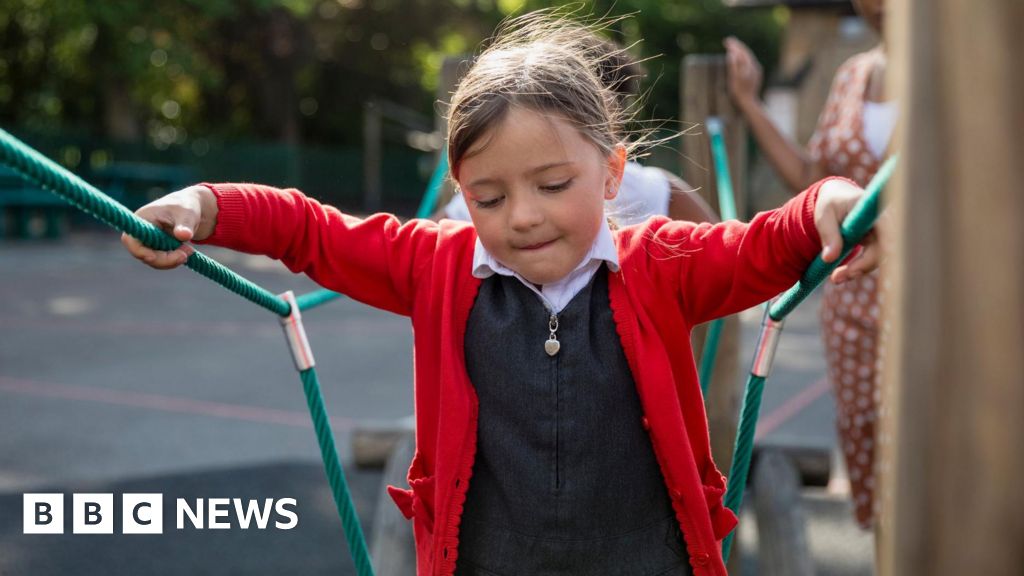
Teens laud Droitwich project for turning around school attendance struggles

Society at a Crossroads: The Growing Crisis of School Attendance and Its Broader Social Implications

Over the past several years, the disruption caused by the Covid-19 pandemic has cast a long shadow over the fabric of our society, illuminating and exacerbating existing social issues. Among the most troubling of these is the alarming rise in pupil absenteeism, which directly impacts families, community cohesion, and the future of our educational institutions. Recent data reveals that since the 2018-19 academic year, the number of students missing more than a tenth of their school days has nearly doubled, soaring from approximately 771,863 to over 1.48 million in 2023-24. Experts, sociologists, and educators express grave concerns that this trend could undermine the foundation of societal stability, as education is intrinsically linked to upward mobility and social cohesion.

Within this context, individual stories such as that of Tamsin and Amber serve as poignant reflections of a broader educational emergency. Tamsin, from Droitwich, Worcestershire, experienced her attendance plummet to just 52% after the pandemic lockdowns, due to her struggles with anxiety and panic attacks that worsened with social exposure. Her case exemplifies a larger demographic shift—children and adolescents facing mental health challenges that schools are ill-equipped to handle without targeted support systems. Amber, similarly, grappled with the transition back to traditional schooling, having been educated in smaller, less intimidating classes during lockdowns. Her mother, Becki, notes how the school’s innovative program called “The Link,” a flexible learning approach, profoundly changed her daughter’s trajectory, encouraging her to regain confidence and pursue her GCSEs. These stories underscore how educational institutions must adapt their approaches to meet diverse mental health needs, reinforcing the moral imperative to prioritize student well-being alongside academic achievement.

Schools developing programs such as the Link demonstrate the resilience and ingenuity necessary to address this crisis. Developed at Droitwich Spa High School, this initiative enlists specialist teachers to teach as few as seven students for two hours daily, emphasizing personalized attention and flexible learning environments—such as optional uniforms and sensory gardens. Such approaches acknowledge the social and emotional toll of the pandemic on vulnerable learners and aim to reintegrate students through tailored support. Co-head teacher Gemma Lloyd Davies emphasizes that these efforts are crucial, noting that previously, some students could only attend a single day per week, but now, many are accessing education every day. The success stories—from Tamsin’s college ambitions to Amber’s aspiration to become a teacher—highlight firsthand the transformative effect of targeted, compassionate intervention. Here, educational leaders are not merely imparting knowledge but are actively rebuilding trust and confidence within fragmented communities, embodying a moral commitment to all children’s futures.

However, the societal challenge extends beyond individual schools. The Department for Education reports a concerted effort to curb persistent absenteeism, claiming that 140,000 fewer pupils are now classified as persistently absent. Still, the need for broader, systemic reforms remains pressing. Addressing the root causes—mental health crises, social disconnection, and the erosion of traditional community bonds—necessitates a societal shift that prioritizes early intervention, mental health support, and community engagement. As social commentators and historians observe, this era demands a moral reckoning: will we allow a generation to slip into social and educational marginalization, or will we harness innovation and compassion to forge a society resilient to crises? For many families, the hope is that society collectively recognizes this challenge—and chooses the path of renewal, ensuring that no child is left behind, not by neglect, but by conscious, moral resolve.

Ultimately, society’s greatest strength lies in its capacity for renewal. As families like Becki’s and community institutions rally around their children, there remains a spark of hope—an enduring belief that even amidst society’s greatest trials, the human spirit can adapt, uplift, and transform. The journey ahead is undeniably complex, but within it lies the potential for a society that values every child’s promise and acknowledges that the future of our communities depends on the compassion and ingenuity we bring today.

England’s reform plans delayed again—now set for 2026, fueling youth skepticism.

Society Faces Critical Crossroads in Supporting Communities with Special Educational Needs

The recent postponement of reforms to the Special Educational Needs and Disabilities (Send) system in England underscores deep-rooted social and institutional inequities that continue to afflict families and communities. Originally slated for release in the autumn, the Schools White Paper, which aimed to address pressing issues within Send provisions, has been pushed back until early next year. By delaying this vital policy overhaul, the government risks perpetuating a broken system that fails to meet the needs of vulnerable children and their families, thereby deepening societal divides.

Social commentators and historians have long argued that large-scale social shifts require systemic change rooted in active listening and genuine engagement. Yet, critics warn that the government’s decision to extend the consultation period—despite clear calls for urgent action—sends a troubling message: the needs of families with children who have Send are being sidelined. The delays compound existing frustrations among parents, educators, and advocacy groups who have described the system as “in crisis.” The National Audit Office has even declared that the Send system is “not financially sustainable” and “failing” in delivering better outcomes. As local authorities face potential deficits in the billions, this crisis underscores the urgent necessity for comprehensive reform.

Families, often caught in the crossfire of bureaucratic inertia, bear the brunt of this stagnation. According to Anna Bird, chair of the Disabled Children’s Partnership, the uncertainty surrounding Send provision leaves parents feeling overwhelmed and dismissed, with many children waiting months or years for essential support. The moral and human stakes are high: children with Send are entitled to a society that recognizes their potential, yet systemic neglect erodes that promise. Meanwhile, local authorities warn that without root-and-branch reforms, they could face insolvency, further jeopardizing services for the most vulnerable. The County Councils Network points out that inaction could lead to a £6bn deficit by next March, placing enormous pressure on already strained resources.

Opposition voices, including the Liberal Democrat spokeswoman Caroline Voaden, decry the delay as a “betrayal” that only prolongs the suffering of children and families trapped within a broken system. Meanwhile, policymakers emphasize “co-creation,” engaging stakeholders through listening sessions and ministerial meetings, in hopes of crafting more informed reforms. Yet, some suggest that this process may be too little, too late, risking further erosion of public trust and worsening disparities in support for children with Send. The ongoing battles over funding and policy direction reveal a society grappling with moral questions: how long can a nation ignore its moral imperative to protect its most vulnerable?

As society stands at this crossroads, the question remains: will it heed the call for swift, meaningful action, or allow inequity and neglect to deepen? The lingering shadows cast by delays serve as a somber reminder of society’s moral obligation to foster inclusive, equitable communities. The hope is that, despite the obstacles ahead, a renewed collective commitment will emerge—one that transforms social policy into a beacon of hope and change. Society’s true strength lies in its ability to confront its challenges with unwavering resolve, guiding future generations toward a future where every child, regardless of their needs, is embraced with dignity, support, and opportunity.

Devon man loses mental health support, kills stranger in park — tragic reminder of system failures

System Failures and the Fragile Tapestry of Our Communities

In a tragic saga that underscores the profound societal repercussions of mental health neglect, the murder of Lorna England in Devon reveals significant gaps in the support systems intended to protect our most vulnerable. As investigations have shown, the intersection of mental health services, community safety, and technological vulnerabilities can have devastating consequences. The case of Cameron Davis, a man with known mental health issues whose threats went unaddressed due to administrative failures and system cyber-attacks, exemplifies how the breakdown of social safety nets endangers families and destabilizes communities.

The inquest disclosed critical shortcomings: Davis was known to mental health services since late 2021, yet on the day he murdered England, a series of missed opportunities and systemic failures culminated in tragedy. Despite warnings from Davis himself—both to police and medical personnel—that he would kill someone if not detained—these alerts were either ignored or inadequately acted upon. Notably, an emergency call made by a mental health nurse seeking police assistance was delayed due to technical glitches, attributed to a cyber-attack that corrupted NHS records, effectively removing Davis from the system’s radar. Such failures highlight the societal dilemma of reliance on digital infrastructure that is vulnerable to cyber threats and administrative oversight.

During the inquest, experts emphasized that mental health teams followed proper procedures in their assessments, but the absence of a dedicated care coordinator set the stage for missed interventions. The senior coroner, Philip Spinney, pointed out that a multi-agency risk assessment could have been convened had Davis been properly documented and monitored. This emphasizes that, when families face the repercussions of administrative errors—especially those rooted in technological vulnerabilities—the fabric of societal safety begins to fray. The question remains: how do we strengthen these safety nets to prevent future tragedies?

Social Challenges and the Need for Systemic Reform

  • Technological vulnerability: Cyber-attacks compromising vital health records expose dangerous gaps in digital security, risking the safety of at-risk individuals and the communities they belong to.
  • Community and professional disconnect: Despite clear warnings, the collective failure to act decisively illustrates a disconnection among police, healthcare, and social services, undermining efforts to mitigate risks for vulnerable populations.
  • Insufficient resource allocation: The case underscores the importance of allocating sufficient resources and establishing protocols for multi-agency collaboration, especially for individuals with complex mental health needs.

Furthermore, sociologists and social historians warn that “the erosion of community-based mental health services and reliance on digital systems alone risk creating a society where vigilance becomes a false substitute for proactive care,” as sociologist Dr. Lisa Carter notes. Our communities, especially those in rural or underserved regions, bear the brunt of these systemic deficits. The moral obligation to safeguard these lives requires not just technological fortification but a cultural shift—prioritizing compassionate, coordinated care over bureaucratic complacency.

As society grapples with these dilemmas, the image of families torn apart and communities fractured serves as a stark reminder of our collective responsibility. “Are we willing to accept the status quo,” asks mental health advocate Tom Reynolds, “or will we finally confront the uncomfortable truth that safeguarding our society depends on unwavering commitment to mental health care, technological resilience, and community engagement?” The case of Lorna England is an urgent call for reform—not only of policies but of societal values—to ensure that no other family endures such heartbreak.

In the silent moments following these tragedies, society is compelled to reflect: how do we mend the social fabric torn by neglect, misinformation, and systemic failure? Perhaps, in our pursuit of technological progress and administrative efficiency, we have overlooked the importance of human connection. Yet, there remains hope that, through renewed vigilance, community solidarity, and moral resolve, we can write a new chapter—one where our societal systems serve not just efficiency, but compassion. A future where tragedies like this become echoes of the past, rather than forewarnings of what society has failed to prevent.

Johnson quickly exits Covid Inquiry amid growing doubts

The Lasting Fractures of Pandemic-Era School Closures on Society

In the wake of the COVID-19 pandemic, the debate over school closures has sharply resurfaced, exposing deep fissures within our communities and raising urgent questions about the social fabric and the future of families, education, and youth. As former Prime Minister Boris Johnson appeared before the Covid Inquiry, his reflections underscored a stark reality: the decision to shutter schools was more than a mere logistical step—it was a social upheaval with enduring effects. Evidence presented during the inquiry illuminated how the closure of schools, often executed without sufficient planning, has contributed to skyrocketing rates of speech and language delays, persistent student absences, and record-breaking suspension and exclusion rates, outcomes that ripple through families and communities.

Decisions Made in Chaos and Their Human Toll

This crisis reveals a worrying landscape of administrative chaos and indecision, with key social institutions failing to protect the most vulnerable. Reports show that as early as February 2020, scientific advisories warned about the potential for mass school closures, yet the Department for Education’s contingency plans rested on an assumption that schools would remain open. Despite this, the government’s inability to develop a comprehensive strategy—exacerbated by political disagreements and conflicting agendas—highlighted a fundamental neglect of the social well-being of children. Sociologist Frank Furedi cautions that such societal disruptions erode the moral fabric of our communities, intensifying the isolation of vulnerable youth and families already grappling with economic and social hardships.

The Impact on Education and the Social Contract

  • Increased demand for speech and language support demonstrates the developmental setbacks faced by children during prolonged absences.
  • The rise in school suspensions and exclusions signals a disturbing shift toward a more punitive approach to discipline—further alienating students and straining the social contract between youth and educational institutions.
  • Persistent absenteeism undermines not just individual futures but threatens the cohesion of local communities, creating a cycle of disengagement and social fragmentation.

In these turbulent times, voices like that of Anne Longfield, former Children’s Commissioner, point to an absence of clear responsibility for safeguarding children’s interests, revealing cracks in the moral leadership that should unify communities. Meanwhile, political rifts and personal conflicts—evident in leaked messages from Boris Johnson and Gavin Williamson—have compounded public distrust and deepened societal polarization. As historian David Starkey suggests, social cohesion depends on trust and responsibility; without it, society risks descending into fragmentation.

Hope Amidst Challenges

Despite these hardships, a resilient spirit of hope persists. Campaign groups like Long Covid Kids and vulnerable families rally outside the corridors of power, reminding society that behind every statistic are human lives. Society’s challenge lies in *rebuilding* a social contract that recognizes the human impacts of policy decisions—one deeply rooted in moral responsibility. As the society grapples with these consequences, the prospect remains that through collective effort, transparency, and compassion, we can repair the fractures inflicted during this crisis. Society’s true strength lies in transforming pain into purpose—restoring faith that schools are not just centers of knowledge but sanctuaries where families, communities, and the future itself can thrive, free from the shadows of past neglect.

University Fees Up, V-Levels Introduced: What Young Brits Need to Know

Society at a Crossroads: The Rising Costs and Shifting Structures in Higher Education

As families across communities grapple with economic uncertainty, the landscape of higher education faces transformative shifts that threaten to deepen social divides. The recent White Paper from the government signals not just changes in policy, but the potential recalibration of social mobility itself. With tuition fees destined to escalate annually with inflation from 2026 onward, the foundational promise of accessible university education appears increasingly fragile.

Historically, social commentators like John R. Bowen have emphasized that education acts as both a mirror and a moulder of societal structures. The planned fee increases—expected to elevate costs by over £400 annually—pose a significant hurdle for students from lower-income backgrounds. Although the government assures that income-based repayment thresholds will shield some, the specter remains that rising debt burdens could disproportionately burden those who can least afford it, thereby narrowing the social strata rather than bridging them.

Financial Strain and Academic Inequity

In this context, the question of university staff pay and quality of education emerges as a critical issue. The uncertainty surrounding whether fee hikes will translate into better salaries for lecturers is symptomatic of a larger dilemma. According to sociologists like Michael W. Apple, the way in which educational resources are allocated often reflects broader societal priorities. Critics argue that with universities facing financial strain—exacerbated by years of austerity—the likelihood is that staff pay disparities and resource shortages will deepen, potentially impacting students’ learning experiences.

  • Proponents claim that inflation-linked fee increases are essential for the long-term sustainability of universities, which have struggled with frozen or declining funding.
  • Opponents warn that this model could entrench socio-economic inequalities and erode the quality of higher education for the most vulnerable students.

Additionally, the government plans to reintroduce maintenance grants for some lower-income students by 2029, financed through a tax on international student fees. While such measures aim to shore up access, questions linger about whether they will be sufficient to counter the effects of rising debt and cost of living, especially for those who are the first in their families to pursue higher education.

Reimagining Accreditation: The Role of V-Levels

Amidst these financial and social upheavals, a pioneering shift in educational pathways is underway: the introduction of V-levels from 2027. These new qualifications are designed to sit alongside traditional A-levels and T-levels, replacing qualifications like BTecs, yet their precise impact remains opaque. The shift signifies a broader debate on the credibility of vocational qualifications and their role in social mobility.

Historians like E. P. Thompson have documented that vocational education has long been undervalued, often viewed as a lesser alternative to academic routes. The emergence of V-levels is an attempt to elevate such pathways, but the transition must be carefully managed. Current vocational students, many from working-class backgrounds, worry whether these reforms will result in a two-tier system, where social and economic barriers could once again decide educational destiny.

Hope and Reflection

As society grapples with these challenges, the question remains: how can communities and policymakers foster a future where opportunity is truly accessible to all? It requires a collective effort, integrating public funding, fair assessment standards, and a renewed respect for vocational paths—steps that echo the insights of social thinkers advocating for equity rooted in social justice.

In the quiet moments of reflection, society faces a choice—to let the escalating costs and structural divides deepen the chasms between classes, or to forge a new way forward rooted in equality, opportunity, and the human dignity that underpins a resilient society. The seeds of transformation may be fragile, but history has shown that hope, combined with deliberate action, can sow the roots of profound change—reminding us that even amidst adversity, society’s true strength lies in its capacity to evolve.

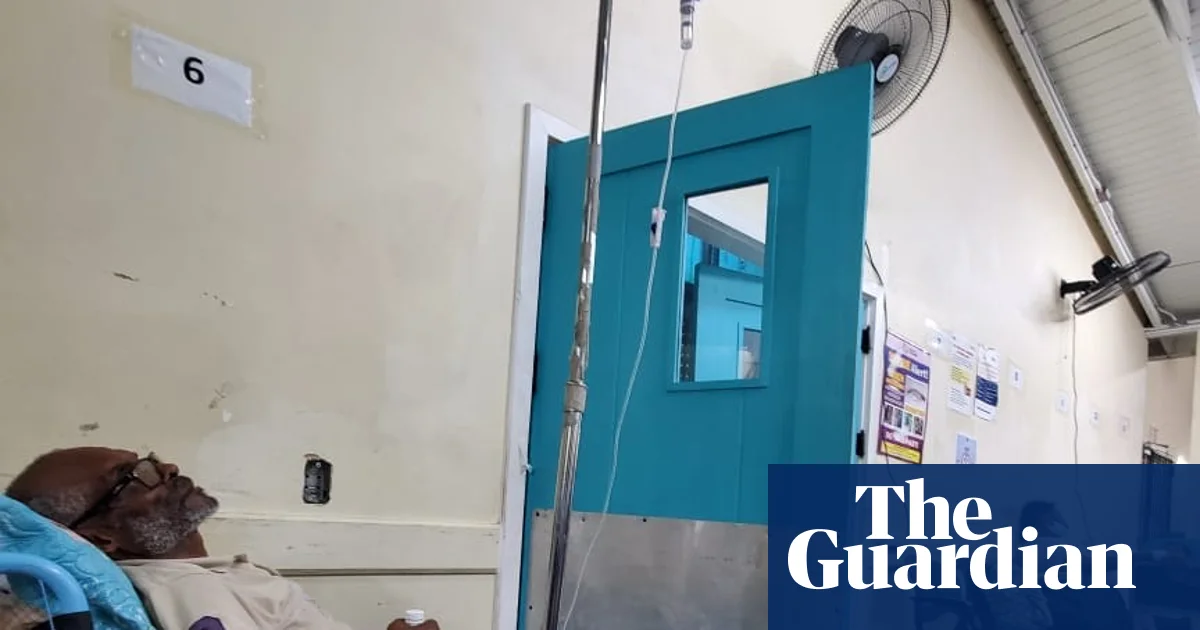
Jamaican Citizen’s Death Sparks Urgent Calls for UK Rule Reforms in Overseas Territories

In recent weeks, a tragic incident has shone a stark light on the ongoing social and healthcare disparities within the British overseas territories. Robert Baker, a 63-year-old dual citizen of Jamaica and Montserrat, passed away after the UK government declined to assist him in accessing life-saving treatment outside of his remote island home. This heartbreaking event underscores a broader pattern of moral neglect and policy failures that jeopardize the well-being of communities living under colonial-style governance without adequate support systems.

Baker’s story is emblematic of the struggles faced by families and individuals in regions devastated by natural disasters, such as Montserrat’s 1995 volcanic eruption, which eradicated its capital and decimated essential infrastructure. Despite over 30 years passing, hospitals and emergency services on the island remain inadequately equipped, forcing residents to seek medical care abroad at great personal cost. His family’s desperate efforts and the family’s plea for equitable treatment reveal how social injustice prevents vulnerable populations from accessing healthcare equal to that of the UK mainland. For many families in these territories, the lack of proper medical infrastructure translates directly into loss of life, economic hardship, and shattered hope.

Social commentators and sociologists argue that this chain of neglect is emblematic of a broader failure to recognize the moral obligation owed to colonial subjects. Some critics equate the policies governing these territories with systemic apathy—policies that dismiss the need for adequate health services, education, and social support—for the sake of austerity and political expediency. The case of Robert Baker has also catalyzed calls from community leaders and parliamentarians like Donaldson Romeo, who describe the existing scheme as “deeply flawed” and “insufficient in relation to the scale of need”. Their stance echoes the voices of historians who argue that colonial legacies continue to shackle these populations, underlining the importance of restorative justice and policy reform.

  • Many territories, including Montserrat, lack the infrastructure to respond adequately to health crises, often leaving residents with no choice but to seek treatment abroad.
  • The current scheme allows a paltry number of patients from each territory to access NHS care annually, but the costs—travel, accommodation, and subsistence—are typically borne by families or the territories themselves, compounding hardship.
  • Advocates are calling for a fundamental overhaul of these policies to ensure equal healthcare access, dignity, and humanity to all British citizens residing in overseas territories.

As society debates questions of justice, sovereignty, and moral responsibility, the story of Montserrat’s healthcare crisis compels a profound reflection: How long can we remain indifferent to the suffering of those who live beyond the immediate reach of our societal safety nets? The future of these communities depends on an awakening—one that recognizes that social cohesion is rooted in fairness, compassion, and the unyielding pursuit of dignity for every human life. With each shared story and policy discussion, society inches closer to a landscape where no family bears the burden of neglect in silence, and where hope begins to restore the fractured promise of justice and care for all.

Starmer’s Grooming Gang Probe Sparks Chaos as Two Survivors Drop Out

The ongoing crisis surrounding Keir Starmer’s national grooming gang inquiry underscores a broader societal failure to prioritize justice for victims and to confront deeply rooted social and institutional issues. Recent revelations, including resignations from key oversight panel members such as Ellie-Ann Reynolds and Fiona Goddard, reveal a disturbing pattern of political interference and disrespect toward survivors’ voices. These developments threaten to stall an inquiry that is essential not only for uncovering truths but also for safeguarding families and communities that are victims of these heinous crimes.

In an era where social trust is fragile, and the integrity of justice institutions is often called into question, the controversy surrounding this inquiry exposes a climate of cynicism and bureaucratic opacity. Survivor advocates warn of a watering down of investigations, fearing that political interests, exemplified by local figures such as West Yorkshire’s mayor Tracy Brabin, are pushing for an expanded scope that might dilute focus and delay justice. Sociology experts argue that this approach, reminiscent of the long and painful path of the IICSA inquiry, risks once again turning a blind eye to specific victims and local realities. Consequently, communities face a heightened sense of betrayal, especially for families bearing the scars of complex social failures.

Demographic and cultural shifts continue to shape the social fabric, fueling tensions and highlighting the need for precise, community-focused investigations. Researchers such as sociologist David Brooks emphasize that while expanding the scope might appear to address larger regional issues, it also endangers targeted justice. Critics assert that efforts should be centered on proven victims and local authorities’ knowledge, rather than broad strokes that risk obscuring accountability. This debate, however, is not merely a matter of logistics but touches moral depths: how society ensures respect for victims’ dignity and accountability for systemic failures.

Embedded within these narratives are profound questions about social trust and the role of public institutions. Leaders like Gamble and Hudson face mounting scrutiny over their potential conflicts of interest, with fears that service providers may have previously concealed criminal acts or abused their authority. As social commentators remind us, history demonstrates that trust in social institutions—schools, police, social services—is vital for building resilient communities. When that trust erodes, so too does the fabric that holds societies together, leaving families isolated and vulnerable to the forces of corruption and misinformation.

  • Survivors demand genuine justice that zeroes in on localities and proven cases
  • Concerns over political interference threaten the integrity of investigations
  • Expanding inquiry scope risks delaying resolution and diluting accountability
  • Corruption and systemic failings continue to undermine public trust

Ultimately, this turbulent episode reflects a society at a crossroads—a community grappling with its past and uncertain future. The resilience of families, the integrity of our social institutions, and the recognition of victims’ rights all hinge on our collective resolve to confront uncomfortable truths. Moving forward, there lies an opportunity to forge more transparent, community-centered approaches that restore faith and foster genuine healing. Society’s greatest hope resides in its capacity to learn from its failures, to rebuild with honesty, and to ensure that every child’s voice is heard and protected. As history teaches, only through unwavering commitment to justice and accountability can society truly evolve beyond its wounds, transforming pain into a catalyst for lasting change.

Social Media Auto Publish Powered By : XYZScripts.com