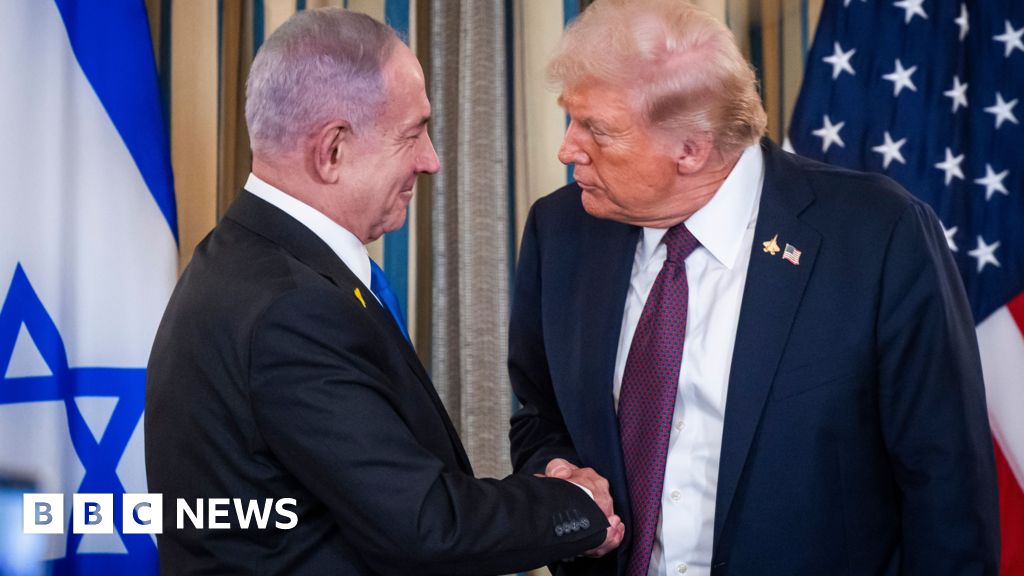
US President Donald Trump and Israeli Prime Minister Benjamin Netanyahu have unveiled a groundbreaking peace plan aimed at deescalating the catastrophic conflict in Gaza. Announced amid mounting international pressure, the proposal signals a significant diplomatic shift with the potential to reshape the geopolitics of the Middle East. The plan’s core demands include an immediate ceasefire, Hamas’s disarmament, and the release of hostages, laying the groundwork for a staged withdrawal while offering a glimmer of hope for an elusive peace. Yet, the initiative also exposes the profound struggles of compromise in a region haunted by decades of resentment, violence, and geopolitical rivalries.
The deal stipulates that Hamas, the militant group controlling Gaza, must relinquish its weapons, dismantle its tunnels, and relinquish control in favor of a technocratic Palestinian-led governing body. An international transition body, spearheaded by the US under the leadership of Trump, would oversee the administration, indicating an unprecedented American role in Palestinian affairs. This arrangement, praised by figures such as former UK Prime Minister Tony Blair as “bold and intelligent,” underscores a strategic departure from previous policies that prioritized direct Israeli control or diplomatic neglect. The proposal also emphasizes economic reconstruction, with immediate full aid to Gaza contingent on compliance, aiming to counter the humanitarian crisis worsened by ongoing hostilities.
International reactions have been mixed but reveal a shared desire for diplomatic resolution. British Prime Minister Sir Keir Starmer, along with other Western allies, has called upon all parties to seize this historic opportunity. The plan hints at a future Palestinian state, though details remain vague, and recognizes that the path toward Palestinian sovereignty is deeply intertwined with the cessation of violence. However, the sense of cautious optimism is shaded with skepticism; Hamas officials have expressed willingness to consider the proposal but stressed that Palestinian interests and the complete Israeli withdrawal are non-negotiable. Meanwhile, geopolitical analysts warn that the plan’s success hinges on the authentic commitment of all parties to peace—not just rhetoric—especially as tensions remain high in the broader Middle Eastern arena.
The geopolitics of the region are poised on a knife-edge, with the US and Israel seeking to recalibrate their strategies amidst a landscape of persistent hostility, shattered trust, and external influences. The timing is critical, as Netanyahu sharply condemned efforts at Palestinian recognition by Western nations, labeling such moves as signs of “shame” and a security threat. His recent UN speech, filled with accusations and inflammatory rhetoric, reflects the deep divides that still threaten to unravel any nascent peace efforts. This new proposal is, therefore, more than just an attempt to end hostilities—it’s a larger chess move aimed at consolidating regional and international influence, even as critics question the likelihood of enduring stability given the entrenched grievances and differing visions of sovereignty.
As history watches with bated breath, the silent stones of Gaza—once again under the weight of diplomatic negotiations—bear witness to a moment that could either mark the dawn of a new era or deepen the shadows of conflict. The unfolding story remains uncertain, with each decision echoing far beyond the confines of war zones and diplomatic chambers; it threatens to redefine notions of sovereignty, human rights, and global order. In an arena where the stakes are life and death, all players—the superpowers, regional actors, and local communities—must confront the enduring question of whether peace is merely a fragile promise or the foundation of a resilient future. The unforgiving pages of history await, ready to record whether this chapter will end in reconciliation or further chaos — the great narrative of the Middle East is still being written.