International Tensions Reach Boiling Point as Afghanistan Cuts Ties in Sport and Peace Talks Show Fragility
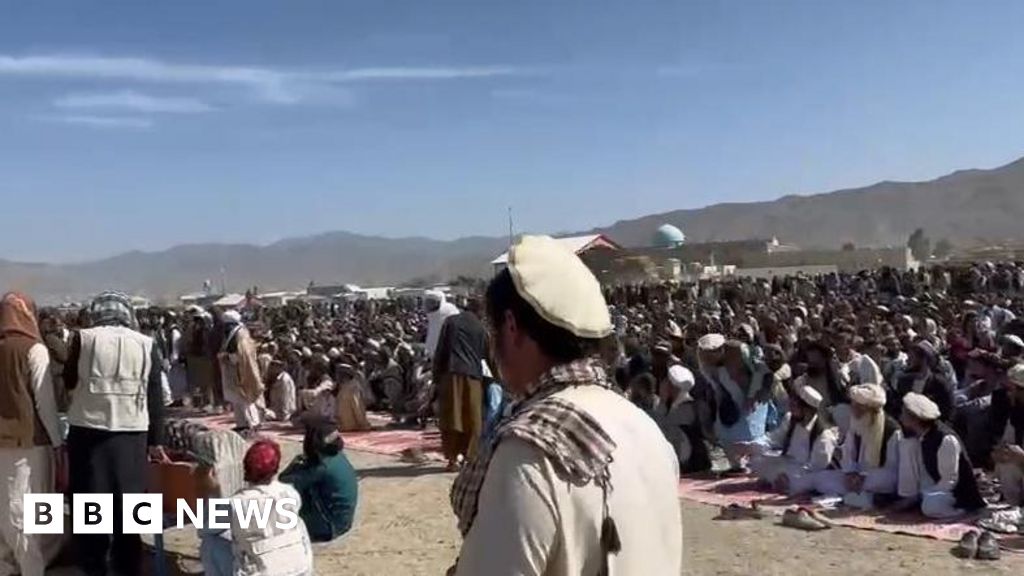
The international community faces a precarious moment marked by escalating violence and fragile diplomacy between Afghanistan and Pakistan. In a dramatic display of national grief, Afghanistan’s cricketing authorities have announced their withdrawal from a tri-nation T20 series scheduled for November, after three young Afghan cricketers were tragically killed in an air strike. The attack, described by Afghanistan’s Cricket Board as targeted and carried out by Pakistan’s regime, underscores the deeply intertwined nature of regional conflict and cultural identity.
This incident not only devastates Afghanistan’s burgeoning sports scene but also highlights the profound impact of military conflicts on societal cohesion. As noted by international analysts, the deaths of Kabeer Agha, Sibghatullah, and Haroon—who did not even represent the national team—are emblematic of how conflict permeates every facet of life, from sports to national morale. The International Cricket Council expressed deep sadness and condemned the violence, framing it as a tragic loss for the entire cricketing family. Yet, beyond the sporting arena, the violence has broader geopolitical implications, threatening the stability of a region already scarred by decades of conflict.
Amid these tragic events, efforts are underway to forge some semblance of peace through diplomatic channels. A temporary truce has been announced, extending for 48 hours to facilitate negotiations in Qatar, as Afghan and Pakistani delegations meet to address border tensions and cross-border terrorism. Former Afghan President Hamid Karzai called for reconsideration of Pakistan’s policies, urging a move toward civil and cooperative relations—an appeal echoed by regional observers who see the current approach as a cycle of provocations and reprisals. However, Pakistan’s official stance remains defensive, with Defense Minister Khawaja Asif emphasizing ongoing efforts to curb militant activities, claiming that recent strikes targeted militants and not civilians.
This fragile diplomacy comes at a crucial moment when Islamabad’s claims of counterterrorism efforts clash with local reports of civilian casualties, fueling mutual accusations. The situation on the border remains tense, with casualties reported on both sides, further complicating prospects for peace. Historians and security experts warn that unresolved border disputes and cross-border militancy threaten to unravel hard-won diplomatic advances, risking another cycle of violence with profound regional and global repercussions. As international powers watch nervously, the region’s trajectory hangs in a delicate balance, where each decision could either pave the way for reconciliation or thrust the region into renewed chaos.
As the shadows of war lengthen across this borderland, the voices of youth and hope within Afghanistan and Pakistan seem drowned out by the relentless echo of violence. The deaths of promising cricketers symbolize far more than a tragic loss—they are a stark reminder of how war’s destructive hand reaches into every corner of society, dismantling dreams and futures. As historians speculate on the unfolding chapters of history, the weight of tension presses heavily on the shoulders of nations eager for peace but unable to escape their turbulent past. The world watches as this fragile peace hangs by a thread, its next move potentially sealing the fate of an entire region, where the echoes of conflict threaten to drown out the possibility of coexistence—leaving history still in the making, with the future uncertain and the stakes higher than ever.