Global Events Signal Shifts in Power Dynamics
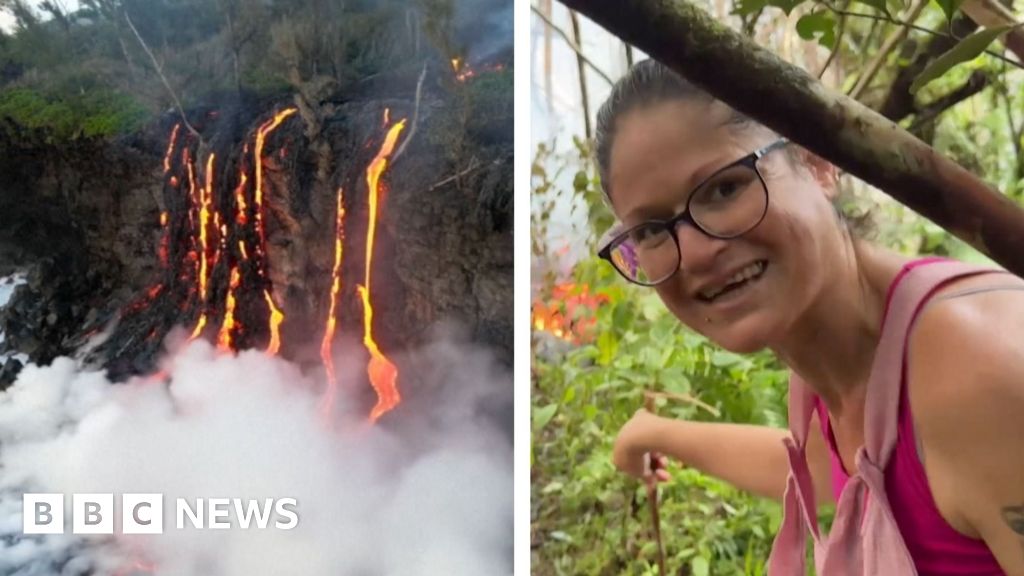
Amidst recent upheavals in natural phenomena, international geopolitics continues its relentless march toward a new chapter. On Reunion Island, an island territory of France, the eruption of the Piton de la Fournaise volcano has captured world attention. After over a month of eruptive activity, lava has now reached the Indian Ocean for the first time in 19 years—a stark reminder of the unpredictable forces shaping our planet. While this geological event may seem insular at first glance, it underscores larger themes of environmental instability and the geopolitical repercussions of climate change, which influence resource security and migration patterns across nations.
In the geopolitical arena, the eruption’s impact extends beyond natural upheaval. As the volcano’s lava cuts off vital transportation routes, it exemplifies how environmental disruptions can exacerbate regional vulnerabilities.
- The interruption of the national highway linking parts of the island highlights the fragility of infrastructure in remote regions.
- Such events serve as microcosms of resilience and the mounting pressure on governments worldwide to adapt to changing environmental conditions.
Underpinning this natural crisis is a broader narrative: how nations respond to environmental challenges will significantly shape their geopolitical standing. Analysts observe that increasingly, environmental events are not isolated but are catalysts for broader systemic upheavals, impacting local communities and global stability alike. Historically, societies that fail to adapt to environmental stresses risk long-term decline, a warning echoed by experts from institutions like the United Nations.
Broader International Ramifications of Environmental and Political Shifts
The volcanic activity on Reunion Island occurs at a time of tense international relations, where strategic interests are often intertwined with environmental realities. Major powers are vying for resource dominance, access to critical raw materials, and influence over emerging economic zones. China’s Belt and Road initiative, the United States’ Indo-Pacific strategy, and Russia’s Arctic ambitions exemplify how environmental shifts open new geopolitical frontiers. As ice melts in the Arctic, new shipping lanes and resource deposits are emerging, drawing nations into a renewed scramble for influence and control.
While some skeptics dismiss environmental issues as secondary to traditional geopolitics, the expert consensus indicates otherwise. Leaders and security analysts warn that ignoring the environmental flashpoints could lead to conflicts over water, land, and energy sources—consequences that threaten the stability of global order. Historical perspectives, such as those from British historian Paul Kennedy, emphasize that economic and environmental vulnerabilities often precede military conflicts. Today, we witness a new kind of warfare—one fought over climate resilience and strategic dominance, with progress or collapse hinging on decisions made now.
As the world watches the spewing lava over Reunion, it serves as a potent symbol of the unpredictable forces that can unsettle even the most advanced nations. The eruption acts as a stark reminder that the long-term stability of societies depends on their ability to adapt to changes, whether natural or man-made. The international community must not only respond to current crises but also anticipate future challenges rooted in environmental shifts and the resurgence of geopolitical rivalries. The course of history continues to be written in these moments of crisis—each decision, each alliance, each conflict leaving an indelible mark on our shared destiny.