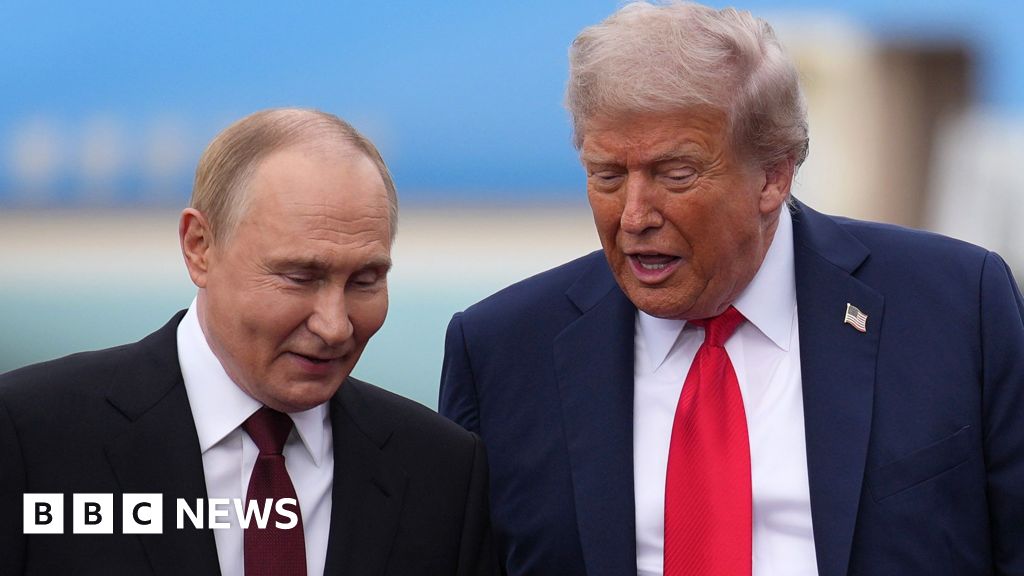
The geopolitical landscape surrounding the ongoing Ukraine conflict has entered a new, critical phase, with American and Russian leaders signaling escalating tensions and diplomatic deadlock. President Donald Trump, who recently engaged in high-stakes diplomatic maneuvers, emphasized the importance of meaningful dialogue but appeared to acknowledge the persistent divisions: “I don’t want to have a wasted meeting,” he stated, reflecting frustration over Moscow’s refusal to cease fighting along the current front lines. This reluctance from Moscow is viewed as a clear indication that the Kremlin’s demands remain maximalist, demanding full Russian sovereignty over the Donbas and the demilitarization of Ukraine—conditions unacceptable to Kyiv and its allies. The refusal to de-escalate has effectively shut down hopes for a face-to-face summit with Vladimir Putin, further stagnating diplomatic efforts and intensifying the risk of wider conflict.
International analysts warn that
the failure to reach a mutually acceptable peace deal could lead to prolonged instability, with serious consequences not only for Ukraine but for global security. The breakdown of negotiations, exemplified by the shelving of planned talks in Budapest, signals a broader realignment of international priorities. Pan-European leaders, allied with Kyiv, have condemned Russia’s unyielding stance, accusing Moscow of not being “serious” about peace and instead pushing for a “long-term, sustainable peace” that would uphold their maximalist demands. Meanwhile, Sergei Lavrov has underscored Russia’s intent to confront *the root causes of the conflict*, insisting on the recognition of Russian sovereignty over parts of Ukraine and a demilitarized Ukraine—a position met with fierce resistance from Kyiv and Western partners. These divergences accentuate the strategic depth of the current impasse, with stalemates threatening to entrench the war.
Historical perspectives and emerging risks
suggest that the crisis could redefine international alliances and the future of Eurasian stability. Experts like political analysts or think tanks like the Council on Foreign Relations warn that, if unresolved, this conflict might ignite a new era of proxy confrontations and regional power struggles. The United States, emphasizing a policy of supporting Ukraine’s sovereignty, has also pursued strategic military enhancements, notably discussing the potential delivery of long-range Tomahawk missiles to Kyiv—an issue that Russia claims almost provoked a direct engagement with Washington. Moscow’s initial silence was broken by an unscheduled call from Putin to Trump, a rare move that underscores how close the lines of diplomacy are to breaking. The question remains whether diplomacy can salvage the situation or whether this hardening of positions will plunge the world into a prolonged, multi-layered conflict.
In this pivotal moment, history writes itself through decisive yet uncertain actions, leaving the international community on the brink of a new chapter of instability. As the European Union and NATO brace for possible escalation, the weight of unresolved grievances and conflicting demands underscores a dire truth: the foundation for peace must be built on mutual respect, but the current path seems doomed to instability. The long shadow of this crisis looms large, with the future of Ukraine, Europe, and perhaps the entire global order hanging in the balance—destined to be shaped by choices made in rooms where history’s next chapter is quietly but profoundly unfolding.