Shifting Tides: The US-Caribbean-Venezuela Geopolitical Crisis
The Caribbean, long a nexus of geopolitics and maritime strategic interests, has recently ignited a new chapter of tension as the United States escalates its military activity in waters adjacent to Venezuela. The deployment of warships, fighter jets, submarines, and thousands of troops signals not just a routine antinarcotics campaign but a profound shift in international diplomacy and regional stability. US officials claim their operations target “narco-terrorists” linked to the Maduro government, while critics argue that these actions threaten to destabilize an already fragile society and undermine sovereignty. Historians specializing in Latin American geopolitics highlight that such military interventions confront decades-old regional skepticism of US influence, fueling narratives of imperial overreach and provoking mass resistance among Venezuelan citizens.
- Since last month, at least six strikes have been launched against vessels suspected of drug trafficking, resulting in the deaths of at least 27 individuals, though the US claims that the vessels originated from Venezuela.
- President Donald Trump has publicly considered initiating strikes on Venezuelan soil and has sanctioned a $50 million reward for the capture of Nicolás Maduro, accusing him of leading the infamous Cartel of the Suns. Maduro dismisses these allegations as a “slanderous campaign,” framing US actions as part of a broader strategy to topple his government and reassert dominance over Latin America’s resource-rich territories.
- Venezuela’s leadership, including President Maduro and Defense Minister General Vladimir Padrino, warns of serious threats ranging from aerial bombings to sabotage, signaling an era of escalating confrontation that could ignite the region at any moment.
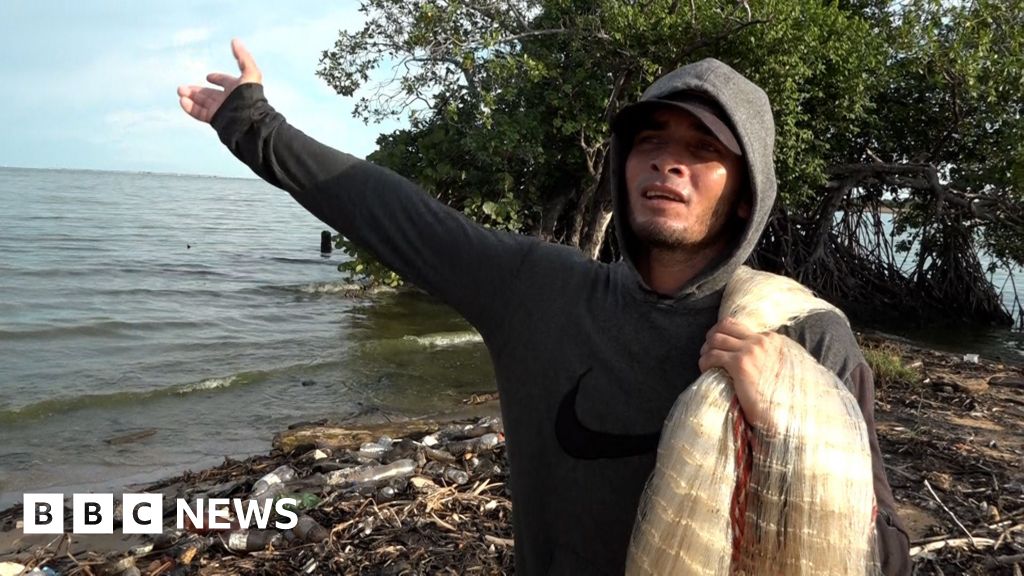
On the ground, the impact of these geopolitical maneuvers ripples through small fishing communities along Lake Maracaibo. Fishermen like Wilder Fernández, who has been at sea for over a decade, now harbor fears that their daily livelihood could be turned fatal amid US military patrols. Fernández and many others are increasingly wary of venturing into waters where the US has conducted strikes, with some even questioning whether their boats could be mistakenly targeted. The concern extends beyond immediate military threats; experts warn that such violence and instability could entrap local fishermen into the hands of drug traffickers and arms smugglers desperate for recruits or cover, thereby entwining economic despair with organized crime. The livelihoods of over 115,000 Venezuelans employed in fishing hang precariously in the balance, as political tensions jeopardize not only their work but their very safety.
In a remarkable act of defiance, hundreds of fishermen in Venezuela recently set out onto Lake Maracaibo in protest, displaying national pride in opposition to US intervention. Spokesman José Luzardo declared his willingness to defend his homeland with his life, epitomizing a burgeoning resistance rooted in a complex mixture of patriotism and desperation. Meanwhile, the Maduro government mobilizes its civilian militia, rallying thousands to stand against what they perceive as a foreign incursion aimed at regime change. This narrative of defiance illustrates that, amidst diplomatic cold war, local societies are thrust into the maelstrom of international power struggles, where their voices risk being drowned out by the thunder of military planes and the echo of sanctions.
As history continues to unfold, the Caribbean’s delicate balance of sovereignty and strategic interests faces a pivotal test. The decisions made by Washington, Caracas, and regional allies today will echo through generations, shaping the geopolitical landscape of Latin America and beyond. While the world watches with bated breath, one thing remains certain: the tides of war and peace in this tumultuous region are still ebbing, with the relentless march of history reminding us that, in the currents of power, no nation is unassailable and no society immune. The question persists—whose legacy will be written in these waters and on these shores? Only time will reveal whether the Caribbean becomes a beacon of resilience or a scarred battlefield of tomorrow’s conflicts.