Matox News

Truth Over Trends, always!

Key insights on Ohio and Indiana primaries this Tuesday for young voters

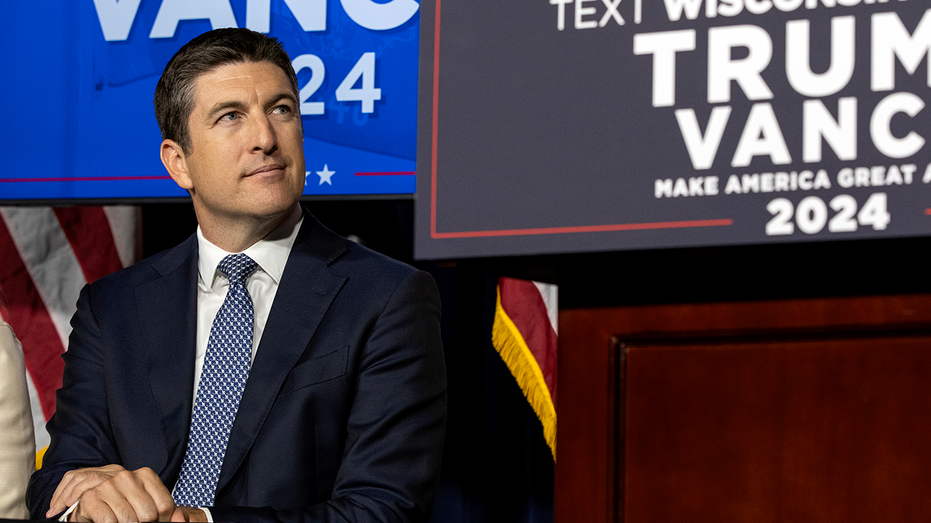
This Tuesday marks a critical juncture in the ongoing contest for America’s conservative future, as voters in Ohio and Indiana head to the polls. These primary elections are more than routine exercises in democracy; they are a battleground where the destiny of policy direction and ideological dominance hinges on the decisions made today. In Ohio, residents are selecting candidates for Senate, House, and gubernatorial offices, while Hoosiers are focused on House and state-level races. These elections serve as a vivid demonstration of the resurgence of grassroots populism and strategic recalibration within the republican ranks.

Historically, primary elections have often foreshadowed the ideological shifts that come to define national politics. This cycle is no different. In Ohio, the race for Senate has become emblematic of the power struggles within the GOP—where establishment figures contend with insurgent candidacies fueled by conservative populist energies. The outcome will inevitably determine if the state’s political apparatus continues its traditional trajectory or embraces a more confrontational, America-first approach. Similarly, in Indiana, the emphasis on state assembly and legislative control signals a broader strategy to shape policy at the ground level, positioning the party for a push against perceived federal overreach. These contests are not just about local leadership; they are about dictating the tone and direction of the national conservative revival.

Commentators and constitutional experts see these elections as a testing ground for how political decisions influence everyday Americans. The stakes extend beyond simple ballot counts; they are about who controls the narrative of liberty, sovereignty, and economic independence. As historian and political theorist Carl Schmitt argued, power struggles within political institutions reveal much about the underlying sovereignty—the ability of a nation to determine its own future. When voters engage in these primaries, they’re participating in a decisive clashing of visions: one that could reinforce the status quo or pivot toward a revolutionary redefinition of governance rooted in the principles of limited government and individual freedoms.

  • Candidates promising to uphold constitutional principles and resist federal encroachment are appealing to disenfranchised voters craving authenticity in leadership.
  • Campaign promises to bolster national security and restore economic sovereignty resonate in states where unchecked bureaucracy and globalist policies have left many citizens disillusioned.
  • Power dynamics between establishment party insiders and populist insurgents spotlight an ongoing struggle for control within the GOP—a reflection of wider fears about losing political integrity to technocratic elites.

Throughout history, electoral battles such as these carry echoes of profound constitutional conflicts—where the very idea of sovereign authority teeters on the edge of transformation. Just as the Federalist and Anti-Federalist debates once defined America’s constitutional fabric, today’s primary contests serve as a modern iteration. They challenge the foundations of representative democracy, confronting the question:

As the nation stands on the cusp of these pivotal elections, one truth persists: politics remains the arena where the future is etched with resolute clarity—where leaders are forged and ideologies are set in stone. Yet amid the fervor lies an immutable reality—the decisions made in Ohio and Indiana will ripple outward, shaping not only policy but the very fabric of American identity and sovereignty for generations to come. The stage is set, the actors are primed, and history waits for those who dare to claim their place in the chronicles of destiny.

U.S. President Trump signs an executive order in the Oval Office of the White House
White House touts Trump’s pharma deals saving billions for Americans

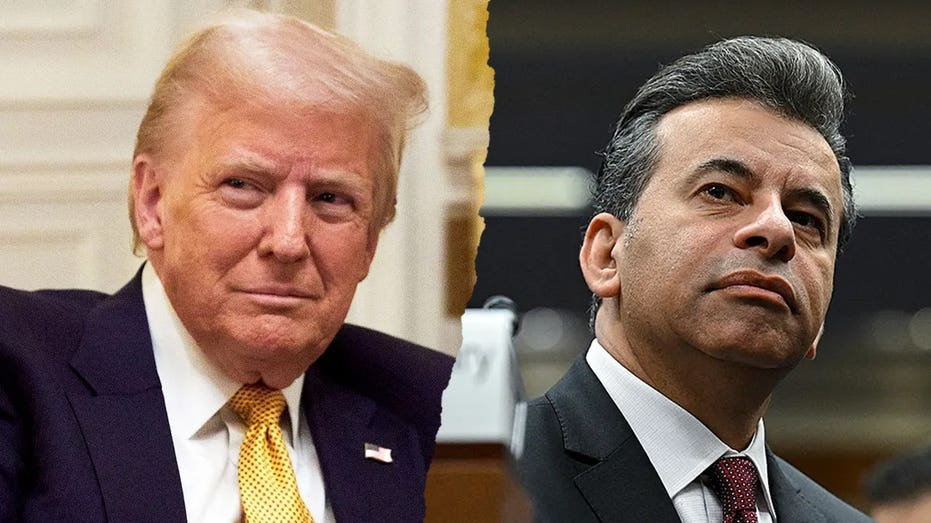
In the relentless arena of American politics, the recent revelations concerning President Donald Trump’s negotiations with **pharmaceutical companies** underscore a critical juncture where economic policy intersects with political strategy. According to White House economists, these deals—aimed at reducing prescription drug prices to match those of other nations—could generate a staggering $529 billion in savings over the next decade. While such economic projections appeal to the public’s desire for affordability, the underlying power struggles reveal much about the conflicting forces shaping the nation’s health sector and its political landscape.

At the core of this controversy lies the tension between free-market principles and state intervention. Critics argue that the policy shift—a redefinition of conventional healthcare diplomacy— signals a bold move by the Trump administration to leverage government influence over private corporations. This approach echoes a longstanding debate among constitutional theorists who grapple with the extent of government authority. Drawing parallels with Reagan-era deregulation or Teddy Roosevelt’s trust-busting campaigns, the push for price moderation attempts to realign the balance of power in favor of consumers; yet, opponents contend that it risks undermining the very innovation that drives the pharmaceutical industry.

For many political analysts, the issue is less about healthcare and more about control. The Trump administration’s strategy demonstrates a deft understanding of how decisions made in the corridors of power ripple through the lives of ordinary Americans, influencing access to medication, economic stability, and perceptions of governmental efficacy. This is a classic example of policy choices serving as battlegrounds for influence. It’s not merely a matter of economics but a decisive move in power struggles where agencies, corporate interests, and political ideologies clash in a contest that will ultimately determine who holds sway in shaping the national future.

Significantly, these developments evoke echoes of historical parallels—such as FDR’s New Deal confrontations or the ongoing debate over the scope of presidential power. Scholars like **Leo Strauss** and **Walter Bagehot** have long observed that politics becomes the stage where destiny is written. In this context, the Trump administration’s policies redefine the boundaries of who controls healthcare. As the midterm elections loom, the political theater intensifies, encapsulating the fierce power struggle over **America’s economic sovereignty** and the rights of the people versus the influence of special interests.

In the final analysis, the battle over prescription drug pricing is emblematic of a larger, ongoing confrontation—one where the stakes are nothing less than the soul of the republic. As policymakers carve out their visions of America’s future, every decision becomes a stroke in the grand canvas of destiny, a reminder that politics is more than policy—it is the forge where history is shaped. How this controversy unfolds will determine not only healthcare but also the broader trajectory of American sovereignty and liberty, leaving an indelible mark on the fabric of the nation’s narrative.

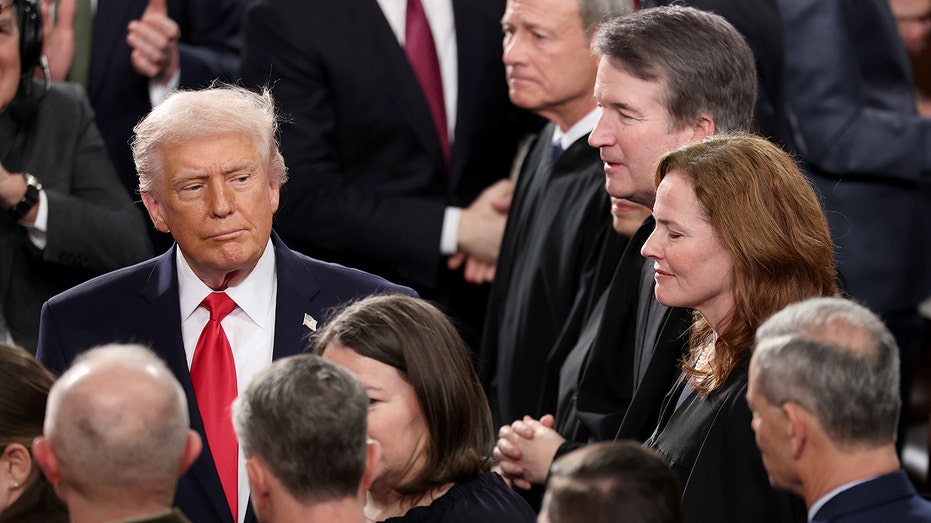
Gorsuch defends Constitution amid Trump’s attacks, vows loyalty to the law

The recent assault by President Donald Trump on Justices Neil Gorsuch and Amy Coney Barrett underscores a pivotal power struggle within the American judicial and political architecture. In an era marked by turbulent shifts and high-stakes battles, the President’s critique of these justices—who were appointed during his administration—signals a profound contest over the interpretation of executive authority versus judicial independence. Their votes to strike down his sweeping tariffs demonstrate not merely a legal decision but a symbolic confrontation that touches on the core of constitutional authority and the direction of national policy.

At the heart of this confrontation lies a critical ideological tension—a clash between unitary executive power championed by the administration and the judiciary’s role as a check to presidential overreach. Historically, constitutional scholars like Alexander Hamilton and James Madison laid the groundwork to balance these powers, but recent events reveal an ongoing struggle to define their boundaries. Trump’s comments—characterized by personal rebukes toward the justices—are more than mere political posturing; they are a reflection of a broader, battle for the soul of America’s constitutional framework. The decision to strike down the tariffs, viewed by many as an overreach of executive authority, exemplifies the judiciary asserting its independence in a climate where the executive branch seeks to consolidate control.

Such conflicts resonate with past epochs of constitutional upheaval, reminiscent of the Jeffersonian and Jacksonian debates over federal power, or even the New Deal court clashes of the 1930s. Here, the power struggles are not abstract; they shape the daily lives of Americans, influencing economic policy, national security, and the very practice of governance. Critics argue that the President’s attack aims to undermine the judiciary’s authority, positioning himself as the ultimate arbiter of policy, while defenders view this as a necessary assertion of executive prerogative in safeguarding national interests. Each move within this domestic chess game directly impacts the people, dictating the course of law and policy in a nation founded on the principle of checks and balances.

Ultimately, the current political climate underscores a profound truth: politics remains the grand stage of human destiny, where ideologies clash, alliances shift, and history’s pen is wielded with every decision. As the dust settles from this legal and political crossfire, the American people are reminded that these power struggles are not merely battles of rhetoric but the very mechanism that sculpts the future of their republic. In this arena, the contest between leadership and liberty is relentless, and the outcome will forever mark the trajectory of American sovereignty—where every ruling, every critique, and every decision is a stroke upon the canvas of history.

Reeves and Bessent Clash Over Iran War, Sources Reveal

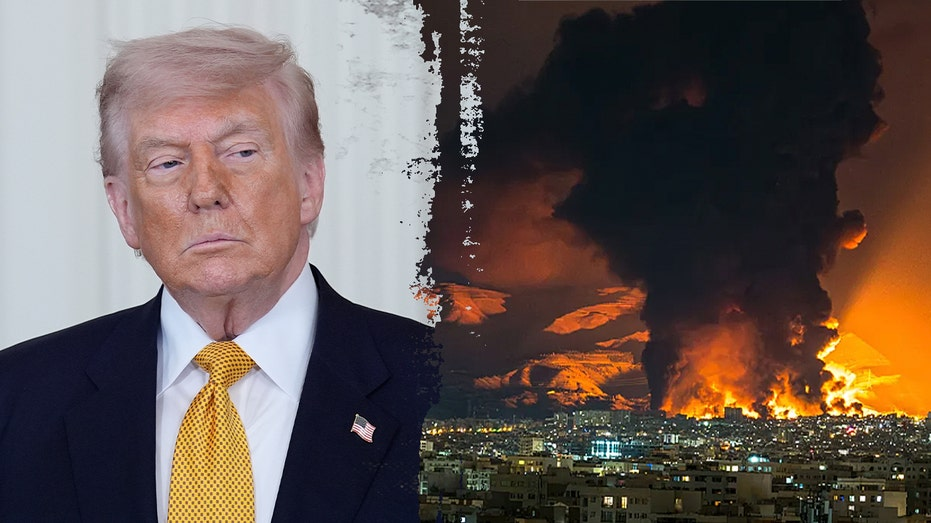
The precarious landscape of global politics is once again exemplified by recent revelations surrounding UK Chancellor Rachel Reeves and her tense exchange with US Treasury Secretary Scott Bessent during the spring meetings of the International Monetary Fund. Reports confirm an angry confrontation over the escalating crisis in Iran and the broader implications of Middle Eastern instability. Such moments of power struggle are not mere diplomatic miscommunications but reflect deeper ideological divides and conflicting national interests, which, in turn, shape the lives of ordinary citizens far from the corridors of power.

At the heart of this confrontation lies not only the geopolitical stakes but also a broader narrative of how decision-makers navigate the treacherous waters of international influence. Reeves’ displeasure with Bessent’s tone underscores a fundamental tension: the UK’s desire for assertive sovereignty versus the US’s strategic dominance. Historically, such moments echo the interwar period’s diplomatic crises, where power centers vied for influence and the governance of millions was dictated behind closed doors. As political theorist Carl Schmitt argued, the true essence of sovereignty lies in the ability to decide on the state of exception—actions often hidden under the veneer of diplomacy but with real consequences for the people’s security and economic stability.

The current UK political climate, with its mix of conservative resilience and youthful vitality, highlights an undercurrent of frustration: the perception that internal reforms and resistance to globalist pressures are often thwarted by external influence—most conspicuously by the United States. This tension mirrors the enduring debate about sovereignty and the power struggles that define regimes and peoples. The government’s stance—sometimes veering toward de-escalation and at other times towards assertive independence—demonstrates a conscious attempt to reshape Britain’s role on the world stage. Yet, under all this, the question remains: who truly holds power, and how do their decisions determine the futures of nations and their citizens?

Adding to this complex picture is the broader geopolitical contest reflected in the Middle East, where the conflict in Iran continues to stir regional and global instability. The exchange in Washington encapsulates an ongoing power struggle between national sovereignty and international alliances—an arena where the destinies of millions are often reduced to the whims of elite decision-making. Political theorists like Machiavelli observed that power is a constant game of chess, where each move must consider not only immediate gains but also long-term consequences. As history continually repeats itself, the question is who will ultimately write the next chapter—the strategists in smoke-filled chambers or the voices of the populace demanding accountability.

In this theater of geopolitics, where decisions are sometimes made in whispers yet have deafening effects, it becomes clear that the stage is set for a continued struggle. The true power resides not only in the headlines but in the unseen negotiations that determine who commands the future. As the world watches, history reminds us that politics is indeed a stage where destiny is written—not merely by the rulers’ choices but by the relentless conflicts for influence and control. The question remains: in the face of shifting alliances and mounting crises, who will seize the pen to draft the next chapter of global history?

Starmer urges universities to report campus antisemitism, targets youth safety

In contemporary politics, the **battle for influence** is often fought behind closed doors, yet the ripple effects of these conflicts are often felt in the very fabric of national life. Recent remarks from **Kemi Badenoch**, a rising star in the Conservative Party, highlight how power struggles extend beyond the ballot box into the moral and ethical fabric of leadership. Her pointed question regarding the **£5 million** donation to **Nigel Farage**, the veteran euroskeptic and Brexit advocate, exemplifies how *financial opaque-ness* can serve as a battleground for influence and trust. Badenoch’s skepticism underscores a broader tension: whether the **elite** manipulate the political landscape under the guise of campaign finance, ultimately shaping the values and perceptions of ordinary citizens.

The controversy ignited when Badenoch questioned whether the donation, which she claims was linked to Farage’s support of **cryptocurrencies**, signifies a deeper **power struggle**. She accused Farage of concealing the origins and purpose of the money, emphasizing that such undisclosed financial backing ultimately threatens the integrity of democratic processes. As she put it, “What was that money for? Who’s bought him?” Reflecting on **constitutional principles**, legal experts often cite the importance of transparency as a safeguard that prevents **power consolidation in the hands of clandestine interests**. This incident echoes historical parallels where secret funding — whether in *Watergate* or *Iran-Contra* — destabilized foundational trust and initiated profound political consequences. The stakes are clear: control over narratives and financial influence may determine who *shapes public discourse* and whose interests are prioritized.

This controversy also exposes a deeper **interplay between new financial technologies and political influence**. Farage’s financial backing, allegedly linked to crypto, manifests a broader ideological drift within the political sphere—where **digital assets** are increasingly seen as tools for both empowerment and subversion. This introduces a **new battleground** for political influence, as proponents argue cryptocurrencies foster *decentralization and liberty*, while critics warn of **opacity and potential for corruption**. Badenoch’s insistence on strict declaration rules echoes classical **republican ideology**, emphasizing accountability as essential to **prevent authoritarian drift**. Such debates signal that, in the current era, the *battle for control over financial flows* is a proxy for the ongoing *struggle for sovereignty*—the right of a nation and its citizens to determine their destiny without covert external influences.

Ultimately, the *power struggles* unfolding in Britain’s political arena reflect the **wider tension** between authority and autonomy, tradition and innovation. As political theorists like **James Madison** warned, **”The accumulation of all powers, legislative, executive, and judiciary, in the same hands”** is an inevitable pathway to tyranny. The recent debates about transparency, influence, and *who truly holds sway in the corridors of power* serve as a stark reminder that **policymakers are but actors on a stage**, where the scripts are written by **financial elites and ideological factions**. The question remains: will the people ultimately command the curtain, or will unseen forces continue to **write the destiny of a nation** behind the scenes? In this age, politics is no longer merely a contest of ideas but a **battle for the soul of sovereignty itself**—and history will remember who dares to write the script.

Secret Service agent shoots at man with gun near White House

In a development that underscores the persistent volatility within the nation’s capital, U.S. Secret Service agents were involved in an alarming incident wherein firearms were discharged at an armed suspect in close proximity to the symbolic heart of American power, less than a mile from the White House. This second incident within a matter of weeks reflects a broader narrative of security breaches and the ongoing challenge to safeguard the seat of democracy from both external threats and internal chaos. As agents responded to what they described as an armed individual, the incident quickly escalated, resulting in the injury of a juvenile bystander—a stark reminder of the borderless dangers facing law enforcement and the unpredictable terrain of political conflict.

This event is more than a mere security report; it highlights a power struggle that extends beyond physical confrontation into the realm of political legitimacy and public trust. The Secret Service, an agency entrusted with protecting national leaders, is grappling with a landscape where freedom and security are in increasingly precarious balance. Such incidents prompt questions about the adequacy of current protocols and whether policy reforms—often touted by conservative advocates—are sufficient to address the evolving threats. Critics argue that policies must adapt swiftly to the shifting security paradigm, emphasizing strengthening law enforcement’s capabilities to prevent such incidents. Conversely, reform advocates sometimes push for broader discussions around civil liberties and the limits of state power, complicating the political debate and fueling a fierce clash over the very core of constitutional order.

From a historical perspective, this upheaval echoes the profound debates of the early 20th century concerning the delicate balance between liberty and authority. The Constitutional scholars remind us that the founders’ vision was predicated on a system where power is deliberately distributed and checked, yet in moments of crisis, the state’s role often expands—sometimes at the expense of individual freedoms. Today, the power struggle manifests as a contest over the definition of security and how it should be deployed in a society brimming with ideological divisions. As political theorist Carl Schmitt noted, the sovereign is he who *decides on the state of exception*, and in Washington, D.C., that decision is increasingly influenced by unresolved conflicts over who holds ultimate authority over security measures.

Ultimately, the ongoing sequence of violent incidents and policy debates exemplifies how decisions made in the corridors of power ripple outward, consequentially shaping the lives of ordinary citizens. The battle lines are being redrawn, not just over political ideologies, but over the core principles that will define the American republic going forward. In this theatre of struggles and reforms, the future of liberty and order is written by those wielding power today. As history has demonstrated, in the arena of geopolitics and domestic governance, destiny is carved by the decisive actions of enough brave or reckless actors to alter the course of our collective narrative. The stage is set—what remains to be seen is which forces will emerge victorious in sculpting the enduring contours of American sovereignty.

Starmer hosts No. 10 summit to fight antisemitism, aims for change

In the evolving landscape of national politics, the prime minister’s planned congregation with sector leaders at Downing Street signals a strategic move that could redefine the political battleground. This gathering, set to encompass key figures across diverse industries, underscores a profound shift in the leveraging of political influence and economic policy. It is a reminder that in an era characterized by rapid change and intense power struggles, the decisions made within these walls hold the potential to shape not only economic realities but also the very fabric of societal governance.

Within this context, the government’s approach to policy formulation is under scrutiny. The prime minister’s efforts to foster dialogue show an acute awareness that cementing alliances with economic and social sectors is vital for maintaining authority amid a turbulent political climate. As political theorists such as Machiavelli have long observed, “It is better to be feared than loved,” a maxim that resonates with the current administration’s tactics of consolidating power through strategic engagement. Yet, this also exposes a fundamental power struggle—a contest for influence over the corridors of decision-making that will ultimately determine the trajectory of national legislation and policy priorities.

Historical parallels offer a sobering reflection on the significance of such moments. Just as FDR’s New Deal reshaped the American economy during the Great Depression through targeted sector engagement, the UK government’s interventions can be viewed as attempts to reincarnate a new form of social contract—one that balances private enterprise with state influence. However, critics from constitutional spheres warn that this delicate balancing act can veer toward overreach, risking the constitutional foundations of representative democracy. For example, constitutional experts have raised concerns over the potential erosion of parliamentary authority if executive decisions begin to bypass legislative oversight, echoing historic fears of unchecked power reminiscent of the pre-revolutionary monarchies.

As the prime minister embarks on this important consultation, the underlying power struggle becomes clear: politicians and stakeholders are engaged in a contest that extends beyond mere policy—it’s a battle for the soul of national identity and economic independence. Decisions made in this room will carve the parameters within which the future unfolds, forging a path dictated by political will and strategic interests rather than accidental happenstance. The political stage remains a crucible where the very essence of a nation’s destiny is inscribed—a testament that, amidst the shifting sands of power, true authority is always a matter of control over the instruments of influence.

May 4: The Takeout with Major Garrett — Fresh Insights for Young Minds

The recent closure of Spirit Airlines and the unsettling reports of missing U.S. soldiers in Morocco serve as stark reminders of the underlying power struggles that continue to shape domestic and international policy landscapes. While these events may seem disconnected at face value, they are emblematic of a broader trend where leadership decisions and policy responses reveal much about the core priorities of the current administration and opposition alike. Both incidents act as flashpoints for debates over economic resilience and strategic national security—issues that test the very foundation of governance and influence how ordinary citizens are impacted.

The collapse of a major airline such as Spirit Airlines underscores a critical failure of economic oversight and regulatory policy. Critics argue that bureaucratic mismanagement and regulatory overreach have contributed to the airline’s demise, creating ripple effects through employment sectors and consumer confidence. The incident exemplifies a power struggle between free-market principles championed by conservative factions and the increasingly interventionist policies favored by left-leaning policymakers. Historical parallels—such as the deregulation era of the late 20th century—demonstrate that economic freedom often balances precariously against safety and stability, with the public frequently bearing the brunt of policy failures.

Meanwhile, the reports of missing U.S. soldiers in Morocco have ignited concerns over America’s strategic engagement abroad. Experts in constitutional law and national security emphasize that such incidents reveal vulnerabilities within the US’s overseas military commitments—commits driven not solely by geopolitical strategy but also by internal political struggles for influence. The power dynamics between military brass, intelligence agencies, and political leaders have always defined modern warfare. This particular crisis begs the question: are decisions in these corridors of power driven by national interest or by internal political egos seeking influence over foreign policy? These episodes serve as stark reminders that decisions made in the corridors of power have real consequences for the soldiers and their families.

In the broader context, these crises highlight that politics remains an ongoing battle for control—a fierce contest where policymakers, political theorists, and constitutional experts scrutinize each move for implications on civil liberties, economic stability, and national security. The historical parallels—such as the Cold War’s secret diplomacy or the post-9/11 expansion of executive power—highlight the delicate dance between authority and accountability. As citizens watch these events unfold, it becomes apparent that the decisions made today will ripple through generations, shaping the destiny of the nation. The stage is set for a new chapter in political history—one where every act leaves a mark that defines the future of the American identity, revealing that even in these moments of crisis, politics remains the ultimate arena where fate is forged.

Mamdani skips Met Gala, highlights struggles of fashion industry workers

In an era where superficial glitz often masks underlying socio-political tensions, New York City’s Mayor Zohran Mamdani has chosen to divert attention from the opulence of the Met Gala to spotlight the backbone of the fashion industry—its workers. While the glimmer of high-profile fashion appeals to the elite, Mamdani’s gesture signifies a deeper recognition of the persistent economic disparities and the political struggles faced by those in the shadows of the luxury. His emphasis on seamstresses, tailors, retail workers, and delivery drivers underscores the ongoing power struggle between capital and labor—an age-old battle that shapes policies, influences ideologies, and ultimately, determines the fabric of society itself.

This declaration, though seemingly modest, echoes a broader ideological contest rooted in the progressive-Left’s push for worker recognition and the Right’s emphasis on market-driven growth. Mamdani’s focus on the “immense talent and dedication” of these often underpaid workers is not merely about celebration; it’s a pointed critique of how the political establishment has historically marginalized these workers’ struggles. The push to elevate their contributions reflects the ideological shift towards recognizing marginalized groups as vital stakeholders within the social contract—a move that, in the eyes of many conservative analysts, could threaten the traditional notions of individual responsibility and economic freedom. As the debates over labor laws and wages intensify, the question remains: are we prioritizing social justice at the expense of economic liberty?

Historically, figures like Friedrich Hayek and Milton Friedman have warned that such social movements—demanding government intervention—could erode individual freedoms and distort market mechanisms. Conversely, contemporary constitutional experts critique policies that, under the guise of protecting workers, risk expanding state power and reconfiguring the constitutional balance of authority. Mamdani’s rhetoric, and the ensuing political reaction, serve as a microcosm of this eternal struggle—where who controls the decision-making process ultimately decides how societal fate is woven. The larger question remains: will the movement toward acknowledging overlooked labor truly serve the people’s interests or merely pave the way for further government overreach?

As politics continues to unfold on this battleground, it’s clear that the power struggle extends beyond mere policy—it’s about who writes the narrative of the nation’s destiny. From the halls of City Hall to the chambers of Washington, leaders are wrestling with the legacy of their choices. Just as the founders envisioned a system where checks and balances prevent tyranny, today’s decisions about labor, economics, and social equity define the trajectory of democracy itself. Politics, much like destiny, is a crucible where ideas are forged—reminding us that in the great story of nations, it is not fate but human agency that ultimately scripts history’s next chapter.

US Navy ships pass Strait of Hormuz after Iranian threats escalate

In a noteworthy demonstration of assertiveness, two U.S. Navy destroyers recently transited the strategically vital Strait of Hormuz and entered the Persian Gulf, amid escalating tensions with Iran. According to defense officials, this maneuver followed a navigational challenge wherein the American vessels had to navigate through an Iranian barrage. Such actions are emblematic of the ongoing power struggles that define Middle Eastern geopolitics, where maritime access and control over vital waterways shape the balance of regional influence.

The decisions to challenge Iranian harassment reflect a broader stance under the current U.S. administration, viewed by many national security analysts as a demonstration of military resolve and deterrence. Historically, the Strait of Hormuz has been a flashpoint—a narrow, tumultuous corridor through which approximately 20% of the world’s oil passes. Control over this waterway has long been a symbol of regional dominance; hence, the U.S. Navy’s assertive passage sends a clear message that Washington remains committed to safeguarding international navigation rights, despite Tehran’s persistent attempts to assert control through intimidation and harassment.

From a constitutional and strategic perspective, these actions underscore the underlying power struggles between geopolitical actors. The U.S., grounded in a broad geo-strategic doctrine emphasizing freedom of navigation, often clashes with Iran’s revolutionary ambitions, which seek to establish regional hegemony. As constitutional experts analyze the legality of such naval movements, figures like Thomas Hobbes and Carl Schmitt remind us that sovereignty, viewed through the lens of modern power politics, is often defined by control over key choke points—such as the Strait of Hormuz—where the state’s ability to project force directly influences its sovereignty and security.

Furthermore, these maritime confrontations serve as a reflection of the broader ideological dichotomy—liberal maritime principles versus revolutionary resistance. The U.S. position, rooted in a belief in an open international economic order, often collides with Iranian revolutionary nationalism, which seeks to challenge Western dominance through asymmetric means. This clash manifests visibly in navy maneuvers, symbolic acts that define how decisions at the top ripple through the fabric of everyday life, affecting energy supplies, regional stability, and global markets. The ongoing power struggle underscores the fundamental question: who ultimately controls the corridors through which global commerce flows?

As history demonstrates, theater of such maritime encounters is more than mere tactical display; it is where the fate of nations is often decided in quiet but decisive battles of will. The recent provocations and responses are a chapter in the ongoing drama—one where the sovereignty of nations is not a static entity but a continually negotiated arena, hammered out in the decisive moments of strategic daring. Political theorists suggest that these actions are less about immediate outcomes and more about reinforcing the narrative of strength that underpins a nation’s destiny. In this arena of power and principle, the stage is set for where history’s next defining act will be written—reminding all that, ultimately, politics remains the arena where the future is forged and the course of history is shaped.

Social Media Auto Publish Powered By : XYZScripts.com