Matox News

Truth Over Trends, always!

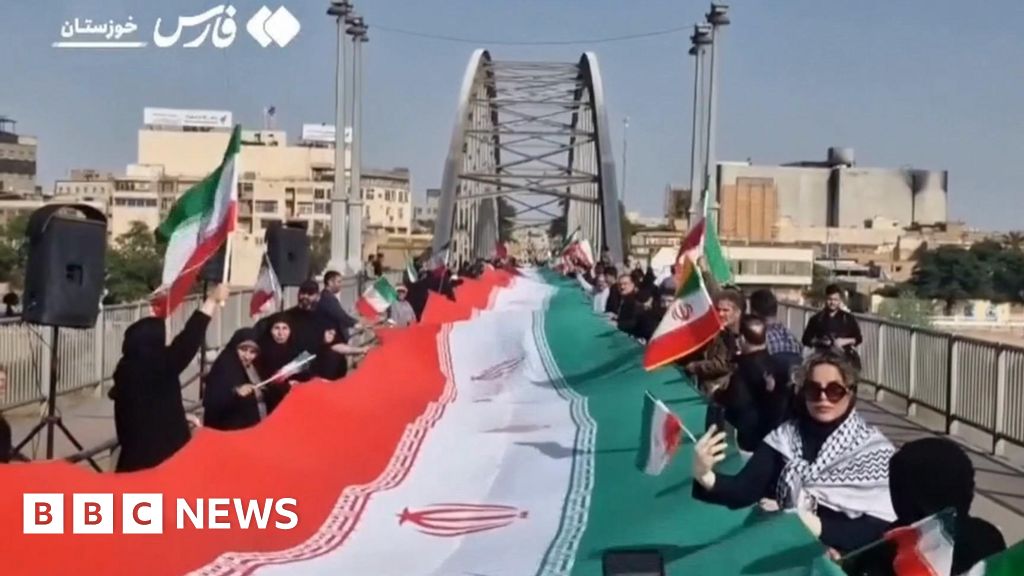
Iran’s Ali Larijani Killed in Airstrike, Israel Claims—Youth Voice Sparks Tensions

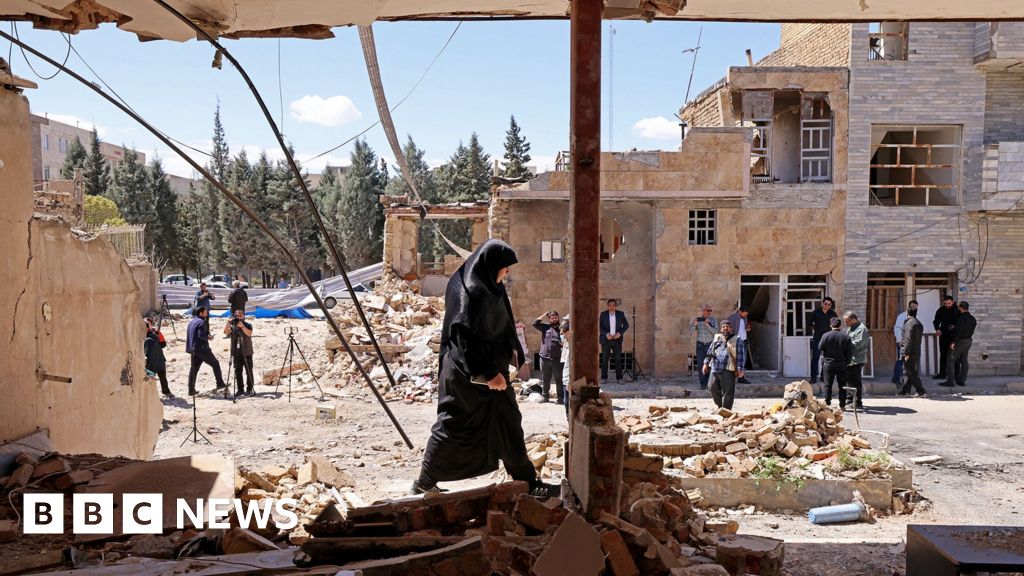
In a brutal escalation of the ongoing conflict between Israel and Iran, reports reveal the assassination of a pivotal figure within Iran’s political and security hierarchy. According to Israeli officials, Ali Larijani, the former speaker of parliament and a key diplomatic negotiator, was targeted and killed in overnight strikes. If this claim proves true, it marks a historic moment — being the most senior Iranian figure to die since the death of Supreme Leader Ali Khamenei at the beginning of this brutal war. Larijani’s strategic importance stemmed from his role as a bridge between Iran’s military and political branches, and his death signals a decisive blow to Iran’s internal command structure at a time of profound crisis.

Adding to the tension, Israel’s defense minister, Israel Katz, announced the killing of Gholamreza Soleimani, commander of the Basij paramilitary force, alongside other senior figures. These targeted killings echo a campaign that appears designed to dismantle Iran’s leadership from within, undermining regime resilience and further complicating diplomatic efforts. Analysts warn that such targeted assassinations could intensify Iran’s resolve, potentially plunging the region into an even deeper abyss of violence. The international community, including organizations like the UN, has expressed concern over the legality and morality of these operations, with some regional allies calling Israel’s actions a violation of international law. Nevertheless, Israel claims these actions are a necessary response to Iran’s ongoing aggression and its role in arming proxy groups across the Middle East.

Western leaders, especially former US President Donald Trump, have seized upon these developments, asserting that the deaths will cripple Iran’s ability to wage war. Trump’s statements hint at a strategic hope that removing Iran’s top leadership will deliver a decisive blow to Tehran’s war efforts and perhaps herald a path toward regime change. However, regional and global security analysts caution that removing high-ranking officials often causes power vacuums, leading to unpredictable and potentially more destructive conflicts. Nevertheless, these covert and overt strikes demonstrate the extent of Israel’s intelligence capabilities and the US’s near-unilateral control over Iranian airspace, giving them a unique advantage in shaping the battlefield long before ground troops move.

The deaths of Larijani and others—if verified—will have a profound geopolitical impact. Iran’s leadership has long been characterized by a mix of pragmatists and hardliners, with Larijani traditionally seen as a moderating influence capable of diplomacy. His recent shift to a more hardened stance following US and Israeli strikes suggests a potential push toward escalating conflict rather than de-escalation. Furthermore, his role as a key nuclear negotiator signaled Iran’s efforts to engage with Western powers, but the current targeting indicates that diplomatic pathways are rapidly closing. The ripple effects will likely influence global energy security, with the Strait of Hormuz remaining largely shut or contested, threatening a surge in oil prices and destabilization in global markets.

This chapter in history is still being written, and the weight of the past looms large as recent hours underscore the catastrophic potential of this conflict. With Iranian leaders calling for revenge and Israel’s government resolute in its military campaign, the danger of escalation remains acute. As historians and international strategists watch this unfolding tragedy, one thing is unmistakably clear: the path of war once initiated leaves a trail of chaos, transforming the sands of the Middle East into the battleground of a new Cold War. The world enters a tense new era where every strike, every death, and every decision could set into motion a chain of events that will determine the future stability of the region—and, perhaps, the world itself.

Belgian Court Opens Path to Justice in 1961 Congo PM Lumumba’s Murder

Echoes of Power: The Unfolding Legacy of a 93-Year-Old Diplomats’ Alleged Role in a Pivotal Assassination

In a development that has revitalized debates on transnational diplomacy and the lingering shadow of colonial-era conflicts, Etienne Davignon, a venerable 93-year-old ex-diplomat, faces serious accusations linked to the assassination of a revered independence hero. While decades have passed since those turbulent times, recent disclosures threaten to unravel long-held narratives, prompting analysts and history scholars to reexamine the geopolitical architecture that defined and, in some cases, secretively shaped the destinies of nations.

Historically, Europe and international institutions have often operated behind closed doors, navigating complex alliances and conflicts. Despite his age, the allegations against Davignon underscore a controversial truth: the machinery of diplomacy sometimes entailed shadowy dealings that impacted the course of independence struggles across continents. Such accusations inevitably stir questions about how much influence individual actors wielded in decisions that would resonate through generations. According to prominent historical analysts and reports by International Criminal Court officials, the accusations rest upon supposed secret communications and covert operations aimed at destabilizing the independence movement, revealing a darker facet of diplomatic conduct during the era.

Geopolitical Impact and Societal Reverberations

The implications of these allegations extend far beyond individual responsibility. If proven true, they could redefine the historic narrative of sovereignty and external influence. The accused’s involvement might confirm fears that powerful nations and their representatives manipulated regional conflicts, prioritizing strategic interests over genuine independence. This threatens to rekindle debates on the morality of realpolitik and the extent to which imperial powers compromised the sovereignty of nascent nations. Furthermore, these revelations have already caused ripples in international institutions dedicated to safeguarding human rights and historical transparency, challenging their neutrality and prompting calls for a reassessment of past diplomatic secrecy.

Several key events now aggregate around the debate:

  • Revelations about alleged covert operations targeting independence leaders
  • Increased scrutiny on European diplomatic archives
  • Calls for accountability from intergovernmental bodies
  • Growing discontent among nations seeking to uncover the truth about foreign influence

Notably, many experts argue that these developments reflect a critical turning point in international accountability. As nations demand transparency, some analysts, like Professor Helena Schmidt of the European Institute of History, warn that uncovering historical truths might unearth uncomfortable realities about the true cost of independence. Such disclosures could serve as a catalyst for a broader reassessment of diplomatic ethics, forcing the global community to confront the shadows lurking behind historic treaties and agreements. The potential consequences for contemporary diplomacy are profound: trust in international processes could be shaken, and new demands for oversight might emerge.

The Fight for the Future

As the saga continues to unfold, the balance of power and morality remains at stake. Nations and citizens alike are watching closely, realizing that decisions made decades ago continue to shape present-day geopolitics and societal structures. The weight of history presses heavily: are we merely uncovering the past, or are we rekindling conflicts that threaten to redefine regional and global order? History’s shadows are long, and their lessons, if heeded, could forge a new path — or trap us in old, unresolved struggles.

In the end, the story of Davignon and the alleged conspiracy becomes more than a single case; it embodies the ongoing dialogue of justice, sovereignty, and international morality. The world stands at a precipice, gazing into the depths of its own past, daring to ask whether the pages of history are truly closed or if they are, in fact, waiting to be rewritten under the watchful eyes of an uncertain future. As the echoes of this political drama resonate across continents, history continues to be written — one revelation at a time — leaving humanity to grapple with the enduring legacy of its choices.

West Coast braces for intense spring heatwave—early warning sign for a tough season

In a stark manifestation of climate volatility, the United States is currently experiencing a relentless barrage of extreme weather phenomena that span from coast to coast. These conditions, characterized by scorching heat waves in the Southwest and record-breaking cold snap in the Northeast, underscore the escalating challenges confronting nations around the world. According to recent reports from the National Weather Service and climate analysts, such anomalies are not isolated incidents but signals of a broader, more destabilizing pattern driven by ongoing climate change. The societal and geopolitical implications of this phenomenon are profound, offering both a warning and an urgent call for international cooperative responses.

***U**nprecedented heat waves have swept through regions like California and Arizona, pushing temperatures well above historical averages. Simultaneously, other parts of the country, including the Midwest and Atlantic Coast, have been battered by frigid temperatures and severe winter storms. This juxtaposition of extremes is placing immense stress on infrastructure, agriculture, and public health—a trend affirmed by experts at the World Meteorological Organization. Beyond immediate impacts, these weather fluctuations threaten to exacerbate existing socio-economic disparities, impacting vulnerable communities most severely, and complicating national security considerations. The scale and frequency of such events have led many, including historian Dr. Samuel Carter, to warn that humanity stands at a critical juncture where climate resilience must become a central pillar of policy.

On the geopolitical realm, the disruption caused by extreme weather is rippling through international relations. Countries heavily dependent on stable climatic conditions for food security and resource extraction find themselves at increased risk of conflict. For instance, vulnerable regions in Africa and South Asia are already experiencing food shortages and displacement, consequences that are magnified by the erratic weather patterns originating from shifting atmospheric currents. Meanwhile, the U.S. itself faces internal pressure to prioritize climate adaptation strategies. The ongoing domestic chaos underscores how environmental disturbances are intertwined with broader issues like economic stability, migration, and even geopolitical power dynamics. The European Union and China, two major players in the international arena, have voiced commitments to climate actions, yet critics argue these pledges fall short of the scale needed to counteract the escalating crisis.

This series of weather extremes serves as a clear warning: the decisions taken today will shape the course of history. As international institutions like the United Nations call for urgent climate action, strategic alliances are being tested and formed around the reality that climate instability undermines global security. Some analysts, such as Dr. Helen Martinez of the International Crisis Group, emphasize that climate-induced upheaval could foster regional conflicts, undermine national sovereignty, and accelerate migration flows, thereby destabilizing societies worldwide. In this context, history’s most pivotal moments are often marked by responses—whether bold or complacent—that determine the future of civilizations. As the nation grapples with its own climate crises, the message is unmistakable: the time for debate has long passed, and decisive action is urgently needed, lest we allow these natural upheavals to rewrite our collective destiny.

In this unfolding saga, the United States stands at a crossroads where the past’s comfort must give way to the hard realities of the present. Every weather anomaly is a chapter in a story still being written—one shaped by decisions made not just within national borders, but across an interconnected globe. As history watches, the challenge remains: will the enduring spirit of resilience triumph over the storms of change, or will humanity become mere witnesses to an era defined by chaos? The hourglass continues to run, and the weight of history presses ever heavier as the world braces for what is yet to come.

Close Brothers to slash 600 jobs as AI rollout accelerates in Banking

UK Banking Sector Under Siege: Cost-Cutting and AI Implementation Signal Broader Shifts

The United Kingdom’s financial landscape is currently undergoing a seismic shift, driven by internal crises and mounting regulatory pressures. Close Brothers, a venerable name in the British banking sphere since 1878, has announced plans to cut nearly 600 jobs—almost a quarter of its workforce—in a bid to weather the storm of recent losses and regulatory fallout. This decision, part of a broader strategy to slash costs by more than £85 million across the upcoming fiscal year, reflects a banking sector increasingly compelled to adapt to a new economic reality. The lender’s adoption of AI technology “at pace” underscores the urgent move towards automation, not merely as a tool for efficiency but as a pivotal instrument for survival in a competitive global environment.

Experts note that Close Brothers’ financial troubles are emblematic of a wider crisis facing many post-Brexit UK financial institutions. The motor finance scandal, which has see­n increased regulatory scrutiny, has resulted in a colossal expected bill of around £300 million to compensate consumers defrauded through unfair commission schemes. The Financial Conduct Authority (FCA), charged with safeguarding market integrity, has proposed new redress schemes that have met resistance from the very banks they seek to regulate, including Close Brothers, Santander, and Lloyds Banking Group. This confluence of regulatory tension and economic pressure signals a profound shift: the UK’s banking system is increasingly grappling with its own past failures while attempting to modernize rapidly. Historians and analysts warn that disregarding these financial crises’ geopolitical implications could deepen the chasm of mistrust and instability, impacting everything from international investment to domestic societal cohesion.

The geopolitical impact of these internal banking struggles extends beyond Britain’s shores, hinting at an inward-looking trend that could affect the country’s standing as a global financial hub. As UK institutions shore up reserves and retreat into cost-saving measures—like offshoring and asset sales—other nations watch carefully. The sale of Winterflood, its broker activity, along with other assets, signals a strategic pivot away from certain sectors in favor of fortifying balance sheets. Meanwhile, the AI deployment in banking operations raises questions about the future of employment, customer privacy, and the digital divide. Domestic society must contend with potential job losses, as well as the long-term repercussions of a banking industry that increasingly relies on algorithms rather than human judgment, echoing warnings from international think tanks on the risks associated with unchecked technological expansion.

Yet, in this unfolding saga, the broader global order stands at a crossroads. As historians dissect the aftermath of past financial crises, the present signals more than just an economic slowdown; it hints at a shake-up of the very institutions entrusted with economic stability. The actions of UK banks like Close Brothers may seem inward-focused, but their ripple effects can destabilize larger systems—especially as nations become more interconnected in a web of treaties and financial dependencies. The decision-makers in the UK now find themselves balancing the immediate needs of insolvency management with the long-term geopolitical imperative to maintain sovereignty and strategic influence. The weight of history looms; the choices made today will echo in the annals of global finance, determining whether a new era of resilience or one of recurrent chaos emerges from the ashes of scandal and austerity.

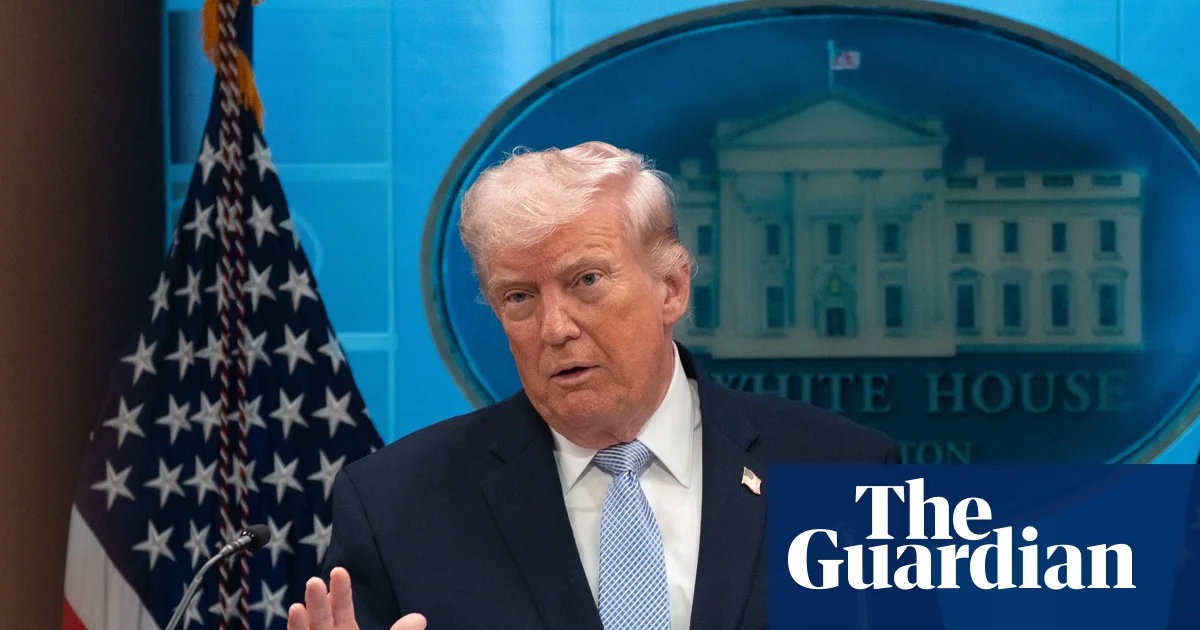
Trump Pushes to Postpone Meeting with Xi in China

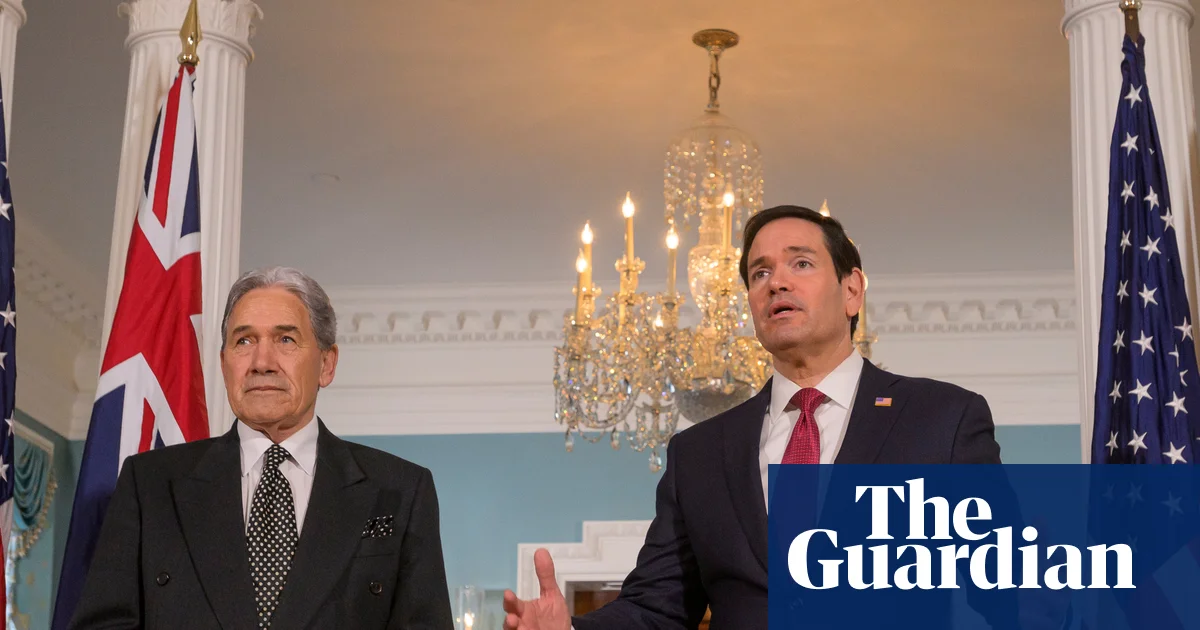
The escalating conflict in Iran has rapidly become a defining challenge for the international community, overshadowing many of the United States’ longstanding foreign policy objectives. As tensions ripple through the Middle East, the volatile situation commands the attention of global leaders and strategic analysts alike, emphasizing the profound geopolitical impact that unfolding events threaten to unleash. Historically, Iran’s strategic location and nuclear ambitions have been a source of concern for decades. Now, the recent rise in hostilities not only destabilizes the region but also compels a reassessment of alliances, diplomacy, and the balance of power on a global scale.

Several key developments underscore the gravity of this crisis. Most notably, reports of increased military exchanges between Iranian forces and regional allies have heightened fears of broader confrontation. The United Nations and other international bodies have issued urgent statements, warning of the potential for regional conflict escalation that could draw in major powers. Analysts such as Dr. Samuel Ferguson, a former advisor to NATO, argue that the current violence signifies a pivotal moment where diplomatic efforts are faltering, and the risk of wider destabilization becomes imminent. Countries like Russia and China have been cautiously engaging, seeking to maximize their influence amid the chaos, while Washington’s focus shifts from traditional objectives like peace negotiations to managing crisis containment and economic sanctions.

The implications of these developments extend beyond regional borders. Experts emphasize how U.S. foreign policy is experiencing a significant shift, with efforts increasingly sidelined by urgent security concerns. The broader consequence is an erosion of the late 20th-century consensus on diplomatic resolution and international norms. Historically, analysts note, when conflicts intensify around Iran, there are ripple effects across the Middle East, fueling sectarian violence, causing economic disruptions, and prompting refugee crises. Nations such as Israel and the Gulf monarchies are on high alert, while European countries face the challenge of balancing support for their allies with the need for stability and cautious diplomacy. International organizations warn that if this conflict escalates further, fresh waves of instability could alter the geopolitical landscape for generations.

As history continues to unfold on the horizon, many see this crisis as a potential catalyst for change—whether towards renewed diplomacy or an all-out regional war. With each passing day, the weight of history presses heavily upon world leaders: their decisions now will determine whether future generations will look back on this moment as the beginning of a new era of chaos or a pivotal point for renewed peace. The delicate balance teeters dangerously, and the echoes of these decisions may well resonate through history’s corridors, shaping the future of the global order for decades to come.

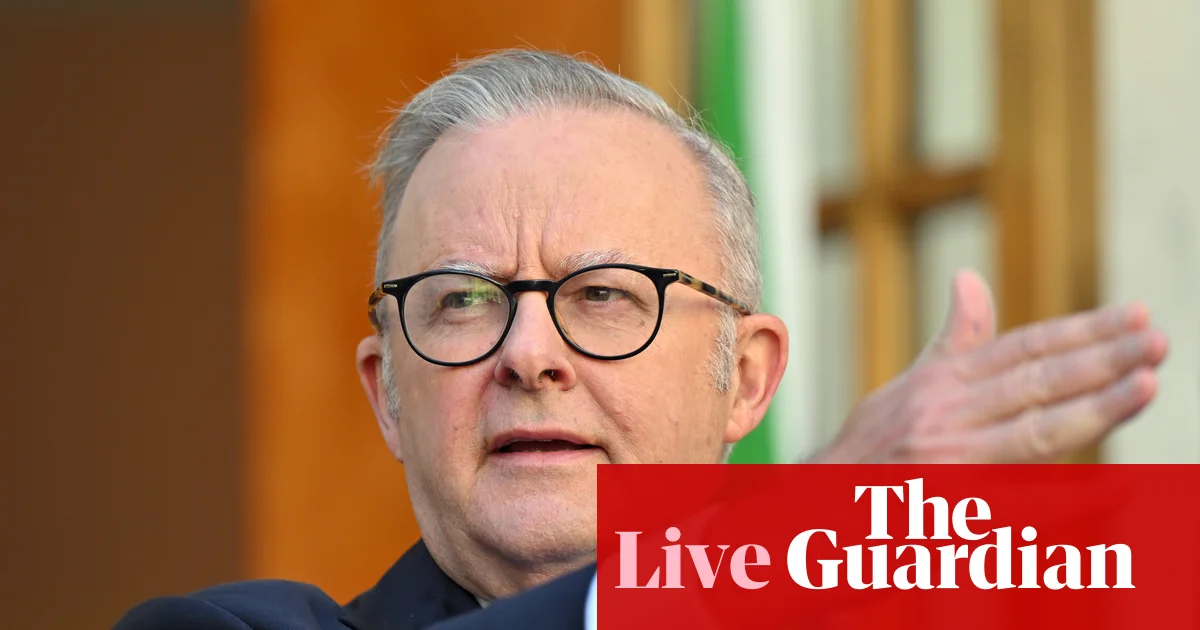
RBA Raises Rates, Won’t Let Recession Hit Australia, Bullock Warns

The Reserve Bank of Australia has announced a significant increase in its interest rates, signaling a firm stance against persistent inflation amid a backdrop of international turmoil. The central bank lifted the cash rate target to 4.1%, erasing previous relief measures last year, and left room for additional hikes in the future. Michele Bullock, the RBA governor, emphasized that robust employment growth and ongoing consumer spending continue to exert upward pressure on prices. While rising petrol costs contributed to inflationary concerns, Bullock clarified that the primary drivers remain the excess demand within the economy and price volatility linked to Iran’s ongoing conflict.

This decision signals a cautious yet assertive approach by Australia’s monetary authorities, driven by a broader international trend among central banks facing the specter of inflation. Unlike the United States, United Kingdom, and the European Union, which anticipated holding their rates steady, the RBA opted for a rate hike, highlighting Australia’s unique vulnerability to both domestic economic momentum and geopolitical instability. The ongoing war in Iran has aggravated fears of fuel shortages and higher energy costs globally, adding fuel to the inflationary fire. The World Bank and international analysts warn of the potential for the conflict to ripple across markets, amplifying inflationary pressures while complicating policy responses.

The Middle East conflict, particularly the escalation in Iran and the broader regional destabilization, has sharpened the geopolitical stakes. With global crude oil supplies threatened, energy-importing nations like Australia find themselves caught in a tightening vise: inflationary prices rising alongside a resilient labor market. The Australian Treasury and security analysts concur that the developing regional crisis will likely exacerbate inflation, forcing central banks to enact more aggressive monetary tightening. Meanwhile, Jim Chalmers, the Australian treasurer, acknowledged that the regional conflict has worsened inflation challenges, emphasizing ongoing fiscal measures to mitigate household and business impacts. These international shifts underscore the fragility of economic recovery in an era increasingly defined by geopolitical volatility.

Some experts argue that Australia’s rising rates are a warning sign for the global economy — a sign that the era of easy monetary policy is definitively waning. Dr. Brendan Rynne, chief economist at KPMG, warned that economic activity in Australia was already vulnerable before the regional conflict, and recent rate hikes merely accelerate the risks. The narrow vote within the RBA—five in favor of raising rates and four against—illustrates the delicate balancing act policymakers face: curtailening inflation without triggering a recession or soaring unemployment. As history marks a pivotal point, the financial future remains uncertain, yet the heavy hand of geopolitics continues to impact the economic fabric of nations worldwide. The decisions made today will echo through generations, shaping the resilience of societies in a world where the shadows of war threaten to unravel economic stability.

Michael B. Jordan Celebrates Oscars Win with Classic In-N-Out Burger Feast

Across the world, cultural phenomena often transcend national borders, influencing geopolitical strategies and societal values in subtle but profound ways. The American fast food chain, In-N-Out Burger, has long been associated with Hollywood glamour and elite social events, particularly its longstanding connection with the Academy Awards. Since 1994, this brand has been a staple at Vanity Fair’s renowned Oscar afterparty, symbolizing how American pop culture continues to wield soft power—a phenomenon that many analysts see as a manifestation of cultural diplomacy. Such events exemplify the way entertainment and consumer brands serve as tools for international influence, shaping perceptions of the United States while reinforcing its cultural dominance worldwide.

However, the implications of these cultural exports extend beyond mere entertainment. Many world leaders and diplomatic circles observe how American lifestyle branding, exemplified by iconic brands like In-N-Out, contributes to a covert form of influence that can sway public opinion and societal aspirations. Historians argue that the pervasive reach of American media—bolstered by corporations and Hollywood—acts as a catalyst in shaping national identities and elevating Western ideals across diverse societies. Meanwhile, international organizations such as the United Nations increasingly recognize the need to balance cultural exchanges with the preservation of local traditions and sovereignty, particularly in regions where Western influence is perceived as a threat to indigenous values.

The global geopolitical impact of these cultural intersections is complex. In an age where information and cultural content are rapidly disseminated via digital platforms, the dominance of American brands and media creates a form of soft power that can undermine traditional regional power centers. Some geopolitical analysts warn this dynamic fuels the tension between Western liberalism and emerging authoritarian regimes that seek to assert their own cultural narratives. As nations grapple with this tension, international institutions like the World Trade Organization and regional alliances are tasked with managing the delicate interplay between economic interests and cultural sovereignty. The decisions made today—whether in trade policy, censorship, or cultural promotion—will determine the contours of the global order for generations to come.

Ultimately, these developments underscore how choices by corporations, governments, and cultural icons reverberate through the fabric of society. From the glamour of Hollywood to the corridors of diplomatic power, the ongoing saga of influence and resistance unfolds. Historians and international analysts warn that the trajectory of this cultural imperialism could either cement Western values as universal or spark a resurgence of regional identities and sovereignties. As the world watches, the fading echoes of history’s past struggles—between empire and independence, tradition and change—persist, reminding us that the unfolding story of geopolitics is as much about ideas as it is about power. The future remains uncertain, yet one certainty endures: history’s grand narrative continues to be written, and its next chapters are yet to be revealed.

Cuba’s power grid fails, leaving millions in the dark and highlighting urgent needs ahead

Amid growing economic discontent, Cuba faces an acute energy crisis intensified by a prolonged U.S. blockade on oil shipments. For decades, the island has struggled with economic hardships, but recent developments have thrust the fuel shortage into the international spotlight. The blockade, which prohibits the sale of oil and related goods to Cuba, has significantly limited the island’s access to vital energy supplies, thus crippling its capacity to sustain both industry and everyday life. Analysts warn that this ongoing embargo not only hampers Cuba’s domestic stability but also exemplifies the enduring effectiveness of U.S. economic leverage in the Caribbean region.

The geopolitical impact of this crisis extends beyond Cuba’s borders, demonstrating how economic sanctions serve as powerful tools in the broader U.S. strategy to influence regional politics. According to geopolitical experts and international organizations like the United Nations, the blockade’s consequences ripple across neighboring nations, affecting trade routes, regional security, and diplomatic posturing. Historically, commentators such as Dr. James Roberts of the International Institute of Geopolitical Studies argue that such measures underscore a continued effort by the U.S. to curtail Cuba’s alliances with adversarial states, notably Venezuela and Russia, thereby maintaining regional dominance. The energy shortages risk destabilizing Cuban society further, as essential services—healthcare, transportation, and food supply—suffer under the weight of fuel scarcity.

Meanwhile, the international community remains divided in its response. While some nations scrutinize the U.S. embargo, arguing it violates principles of sovereignty and economic development, others uphold it as a necessary measure to pressure Havana into political reform. The European Union and various Latin American countries have called for a reassessment of the sanctions, emphasizing the humanitarian toll and the need for constructive engagement. However, critics contend that these measures serve to entrench authoritarian practices and prolong Cuba’s economic stagnation. The United States, under the current administration, pledges to maintain the blockade, asserting that only through continued pressure will Cuba be compelled to undertake reforms. This stance, viewed by many analysts as a strategic move, ensures that the geopolitical chessboard remains tightly controlled by Washington’s interests.

As history unfolds, the situation in Cuba exemplifies a broader struggle: how global powers wield economic tools to shape the destiny of nations. The ongoing crisis underscores a fundamental question—whose interests are served when the economic lifelines of countries are severed? With each passing day, the weight of history presses down, and the choices made by leaders echo in the future of the Caribbean and beyond. In this volatile arena, the delicate balance of power and influence continues to shift, leaving observers and participants alike wondering—how long can the flames of conflict and sanctions burn before the entire regional fabric is forever altered?

Afghanistan Blames Pakistan for Deadly Hospital Attack in Kabul

Escalating Tensions in South-Central Asia: Cross-Border Conflict and Humanitarian Crisis

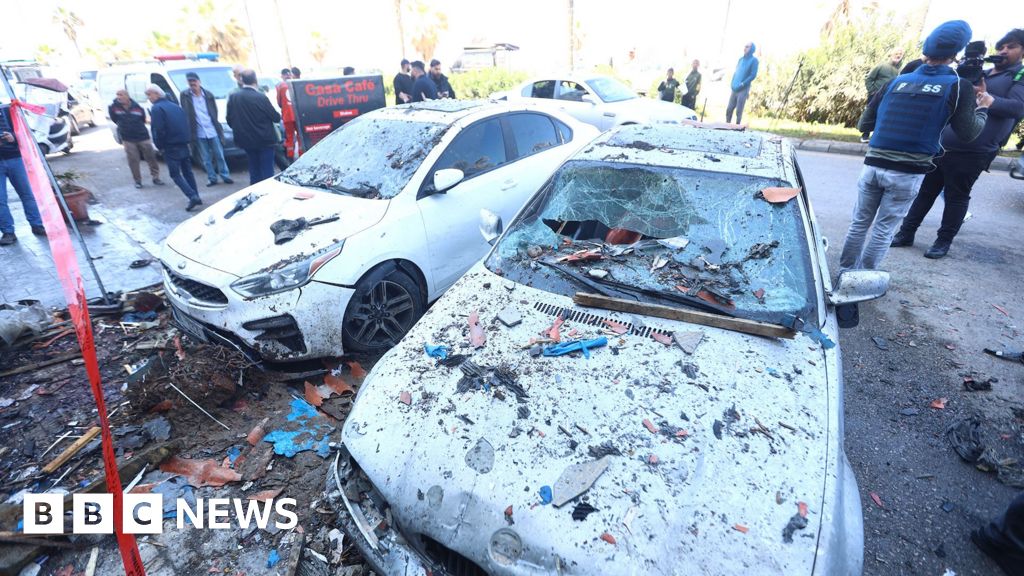
The recent escalation of hostilities along the Afghanistan-Pakistan border has alarmed international observers and reignited fears of a broader regional conflict. Reports of airstrikes targeting a hospital in Kabul, reportedly causing hundreds of casualties, have fueled accusations and denials, with Afghanistan alleging Pakistani military strikes as the cause of the devastating attack. Conversely, Pakistan has dismissed these claims, asserting that its military operations only targeted militant infrastructure without causing civilian casualties. This diplomatic standoff underscores a deeper geopolitical crisis, where accusations of cross-border terrorism and territorial infringements threaten to destabilize an already fragile region.

International organizations and analysts are raising alarm over the potential for a wider conflict that could destabilize the entire South Asian subcontinent. The UN Security Council recently adopted a resolution urging Taliban-ruled Afghanistan to combat terrorism more effectively while condemning all forms of terrorist activity. However, the underlying accusations of harboring militant groups such as the Pakistani Taliban continue to poison bilateral relations. Experts warn that persistent cross-border clashes—fueled by a complex web of militant networks, historical grievances, and strategic interests—could lead to an all-out regional war if not managed swiftly and judiciously. The breaking point remains fragile, and the lines between warfare and diplomacy are dangerously blurred.

History studies and international analysts like those at the International Crisis Group highlight that such tensions are not new but are exacerbated by recent political shifts. The Taliban’s return to power in Afghanistan, coupled with Islamabad’s persistent accusations of Kabul providing safe havens for militants, creates a perfect storm of mistrust. Additionally, Pakistan characterizes its military operations as necessary measures against terrorist threats, asserting that their target sites are precise and without collateral damage. Meanwhile, Afghanistan responds with devastating images of hospital ruins and mass casualties, which further galvanize internal outrage and international concern. As both sides dig in, the risk of unintentional escalation grows—a dangerous game that could ignite a much larger conflict with unpredictable consequences for global security.

Ultimately, this crisis exemplifies the dangerous intersection of geopolitics, militant extremism, and national sovereignty shaping the 21st century landscape. The world watches with mounting trepidation as the consequences of diplomatic failures threaten to spiral into the chaos of prolonged warfare and human suffering. The weight of history hangs heavily on the shoulders of international leaders, who must navigate these treacherous waters—not merely for regional stability but for the future of global peace itself. As the shadows deepen over Kabul and Islamabad, the unfolding story continues to write itself in the blood of innocents and the decisions of nations—an ominous reminder that in this shattering era, history remains an unfinished, all-consuming narrative, waiting for its next chapter.

Judge mandates ICE to free Minneapolis man after unjust 50-day detention

United States immigration enforcement practices have once again become a focal point of debate following a recent historic ruling by a federal judge that condemned the apparent excesses and misconduct of ICE. Elvis Joel TE, an asylum seeker from Equador, was unlawfully detained for 50 days amidst a harrowing series of events that highlight the increasingly aggressive posture of U.S. immigration authorities. His case underscores a broader shift in immigration policy, which threatens to irreparably damage not only the legal integrity of the system but also the societal fabric of immigrant communities. This incident has ignited international concern, especially given the disturbing treatment of Elvis TE’s two-year-old daughter during the raid in Minneapolis, an incident that drew protests and sparked widespread outrage across human rights circles.

The judge’s ruling, issued by Judge Katherine Menendez, explicitly declared that Elvis TE’s detention was “not proper” under existing laws, exposing unconstitutional actions by federal agents. The case gained global prominence after the arrest—carried out without a warrant, amidst chaos—saw agents break into the family home, shattering a car window, and forcibly removing the father and his child. Such actions, legal experts warn, signal a dangerous escalation in the authority wielded by immigration enforcement agencies, particularly as international organizations like the United Nations scrutinize America’s approach to asylum and refugee rights. The brutal treatment and unlawful detention of Elvis TE serve as a stark warning that the erosion of civil liberties and due process within the U.S. legal system could have profound, far-reaching consequences for countries across the globe engaging with American foreign policy and international law.

Moreover, the incident underscores a noticeable tension in American immigration policy—one that favors enforcement over humanity, often with little regard for international treaties like the U.N. Refugee Convention. Critics argue that the American government is increasingly employing detention and deportation tactics that contradict both legal standards and moral obligations. The case has drawn support from immigration advocates and legal analysts worldwide, who condemn the misuse of authority, especially when vulnerable populations such as children are involved. Notably, Groundwork Legal and other organizations highlight how the detention and forcible removal of Elvis TE were not only unlawful but demonstrated a “misuse of government authority” that tears families apart. The incident exemplifies a broader pattern where some nations are risking their reputation by prioritizing security and border control over human rights—a development that could reshape international perceptions of the U.S. as a defender of justice.

In the context of rising global instability and shifting geopolitical alliances, the U.S. faces mounting pressure to reaffirm its commitment to sovereignty, human dignity, and lawful governance. The actions full of abuse and procedural violations are being scrutinized by international bodies and foreign governments, raising critical questions about the future posture of American immigration policy and its impact on global leadership. As World Trade Organization members, NATO allies, and other international power centers watch closely, the way in which the U.S. addresses such incidents will profoundly influence diplomatic ties and security alliances. The ongoing saga of Elvis TE—caught in a web of legal battles, political rhetoric, and human suffering—serves as a reminder that history continues to unfold at the crossroads of law, morality, and geopolitics. The weight of this moment persists: will the nation choose justice over authoritarianism, or will it forfeit its moral standing in the face of raw power? The answers lie hidden in the shadows of history yet to be written, but the echoes of this story will be felt for generations to come.

Social Media Auto Publish Powered By : XYZScripts.com