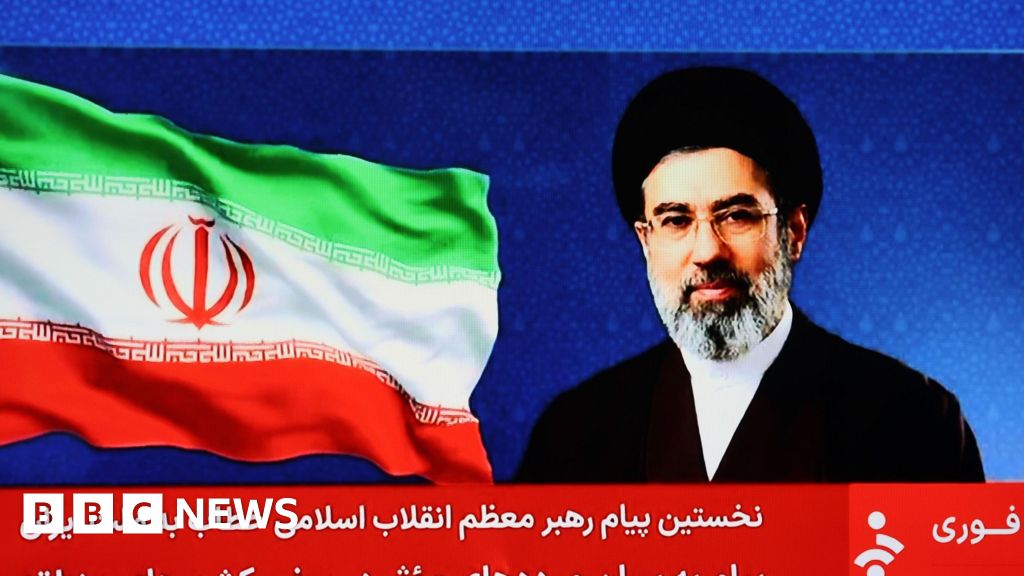
In a recent development that signals ongoing volatility in the Middle East, a message attributed to Mojtaba Khamenei, the son of Iran’s Supreme Leader, Ali Khamenei, declared that Iran will persist in targeting US military bases across the region. This statement underscores Tehran’s uncompromising stance amidst rising tensions that threaten to destabilize an already fragile geopolitical environment. Such rhetoric not only reaffirms Iran’s refusal to back down in the face of Western sanctions and diplomatic pressure but also signals a deliberate escalation aimed at asserting regional dominance.
Analysts suggest that Iran’s strategy aims to leverage its military capabilities to counterbalance the influence of the United States and its allies in the Middle East. Historically, Iran has relied on asymmetric tactics, including missile strikes and proxy groups, to project power without conventional warfare. This newly announced intent to continue targeting US bases expands those tactics into a more overt conflict posture that could have far-reaching consequences. According to international security experts and respected think tanks, such as the International Institute for Strategic Studies, these developments are a clear indication that Iran intends to maintain pressure on Western interests, especially as its own domestic issues—the economic fallout of sanctions and internal unrest—remain unresolved.
The geopolitical impact of Iran’s renewed threats is profound. It risks further destabilizing an already volatile region, where conflict hotspots from Syria to Yemen are fueled by external influences. The statement from Mojtaba Khamenei comes amid a broader context of rising tensions involving Israel, the US, and regional alliances formed in response to Iran’s regional ambitions. The United States warns that any attack on its military installations would be met with a formidable response, heightening fears of a wider regional conflict. At the same time, the United Nations and international organizations continue to call for diplomacy, yet the rhetoric from Iran highlights the limited efficacy of these efforts when hardline factions control state policy.
Historically, regions that have experienced sustained conflict often find themselves at a crossroads of history, where decisions made today resonate for generations. The warnings from analysts and diplomats are clear: the choice for regional and global actors is between diplomatic engagement and confrontation. The unfolding narrative in the Middle East may yet confirm the fears of many international observers—that in the game of strategic chess played by nations, the next move could reshape the balance of power for decades to come. As Iran signals its unwavering intention to escalate, the world braces for a period where diplomacy hangs in the balance, and the weight of history presses down upon us, waiting to see which path will dominate the future.