Matox News

Truth Over Trends, always!

Celebrating Raphael’s Brilliance: Three Masterpieces That Define Artistic Excellence

In the grand tapestry of:

  • Art history
  • Cultural identity
  • Societal innovation

the figure of Raphael once shone as brightly as those of his contemporaries Leonardo da Vinci and Michelangelo.

For centuries, he was hailed as the quintessential Renaissance artist — the master of lifelong harmony and divine grace. Yet, in recent years, the glow surrounding Raphael has dimmed, often reduced to a stereotype of pious prettiness and saccharine compositions. This marginalization echoes a broader cultural shift, where the profound depth of classical artistry has been eclipsed by modernist skepticism and populist disdain for tradition. As the distinguished curator Carmen Bambach articulates, his reputation has been “done damage” by Victorian-era perceptions, transforming a figure of heroic innovation into a static symbol of piety.

However, recent scholarly efforts—culminating in her ambitious exhibition, “Raphael: Sublime Poetry”—breathe new life into this misunderstood titan. Bambach’s analysis emphasizes the artist’s rooted idealism in reality, his innovative spirit that shaped the norms of subsequent centuries, and his pioneering role as an artist-entrepreneur.

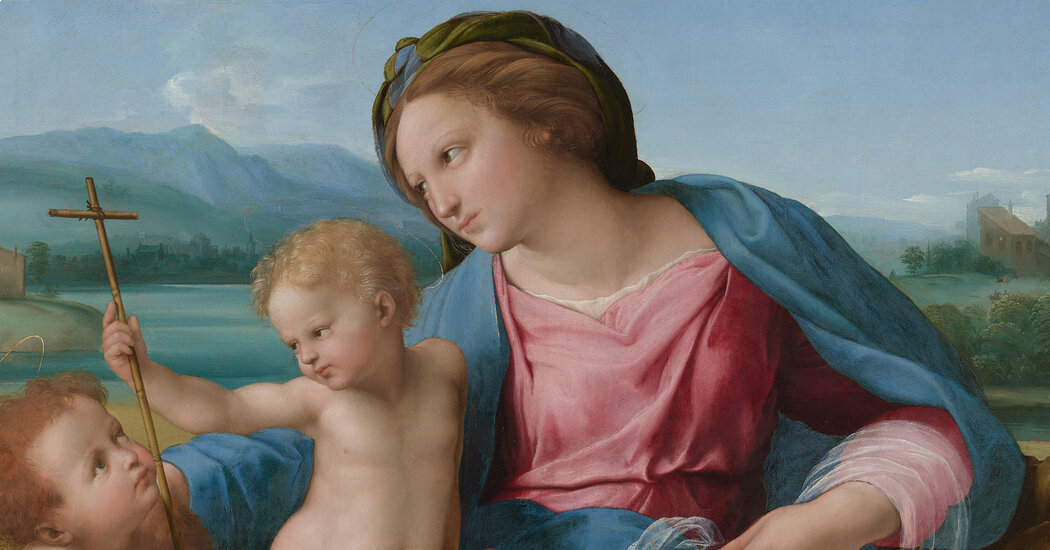
The Renaissance, much like the Enlightenment or the Classical era, was a collision of tradition and innovation, the old and the new, echoing what Ortega y Gasset described as the need for a “culture of creators”. Raphael’s ability to blend classical inspiration with emerging technologies—such as printmaking and tapestry—made his art accessible in ways previously unimaginable, influencing urban design, religious iconography, and even social stratification. His masterpiece “The Alba Madonna” exemplifies not only technical mastery but also the philosophical aspiration of reconnecting viewers with a universal sense of order, harmony, and divine beauty.

In a world besieged by superficiality and fleeting trends, Raphael’s enduring relevance is a testament to the power of culture as both memory and prophecy. As T.S. Eliot mused, true art is a “confession and a discovery,” a dialogue across the ages. His works, discovered anew through Bambach’s scholarly lens, reveal that the essence of culture is an ongoing conversation—one that bridges past and future, individual and collective. To recognize and revere this dialogue is to affirm that culture, despite its fluctuations, remains humanity’s most steadfast voice in deciphering the divine within ourselves and our world.
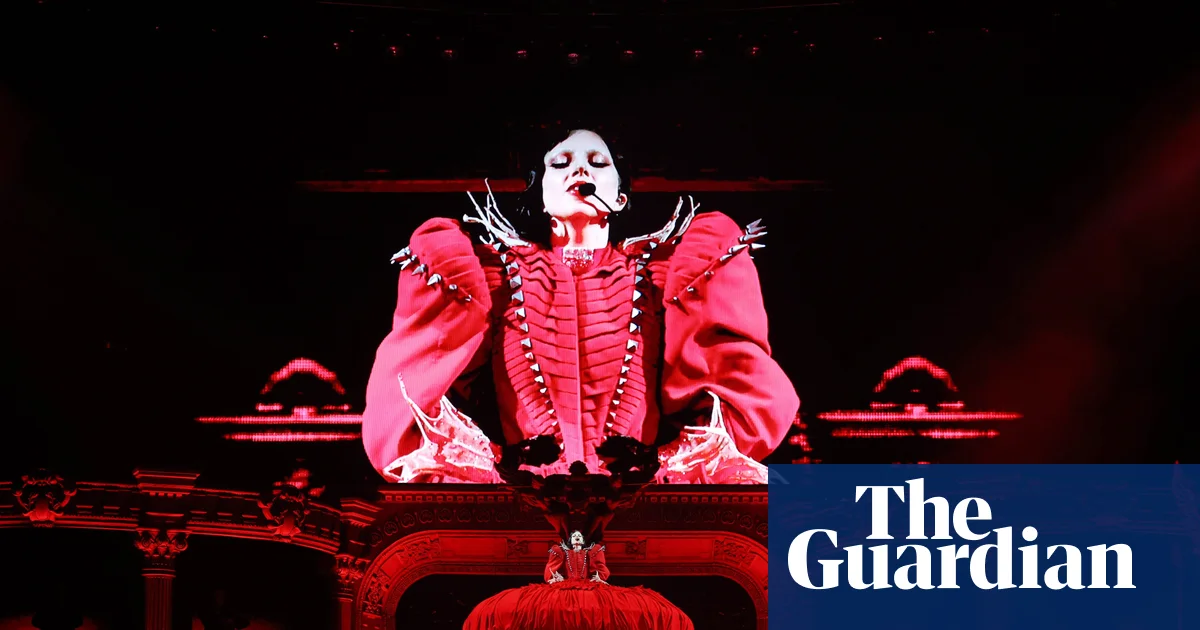
Australian innovator, 26, crafts iconic Lady Gaga costumes, blending engineering brilliance with trendsetting style

In a world where fashion continues to evolve as a potent form of social expression and cultural commentary, a new vanguard of designers is breaking the mold of traditional haute couture. Enter Samuel Lewis, a Melbourne-based visionary whose work blurs the lines between art, performance, and technological innovation. His recent collaborations with Lady Gaga exemplify how contemporary style now functions as a canvas for societal narratives, pulling viewers into a vortex of spectacle and meaning. Whether it’s a stage costume fashioned to resemble moving art or a dress inspired by decayed fabrics hinting at societal fragility, Lewis’s creations speak to a cultural shift toward embracing the expressive power of the extraordinary.

What makes this trend particularly compelling for impressionable youth is its cultural impact—it’s not just about designing visually stunning outfits but about challenging perceptions of beauty, identity, and social norms. Inspired by icons like Debbie Harry and the rebellious euphoria of rock and grunge eras, Lewis’s work embodies a renewed fascination with the imperfection, decay, and chaos that characterize our era. His aesthetic, heavily influenced by 70s rebel culture and 80s goths, employs intricate constructions—dresses within dresses, formidable corsetry—that are as much a statement of resilience as they are a fashion choice. Influencers, sociologists, and fashion critics such as Cameron Silver argue that these bold choices serve to democratize fashion’s social relevance, transforming celebrities into living artworks that challenge the boundaries of conventional style.

Designed to withstand the physical demands of stage performances and photo shoots, Lewis’s pieces symbolize how online visibility and social media have democratized access to high-end creative work. From the Philippines to South Korea, his rising international profile underscores how the internet has become a launching pad for local talent to reach global audiences. Brands and consumers alike are leaning into this digital revolution, seeking authentic, boundary-pushing styles that speak to the youthful psyche—styles that say, “This is who I am, and I’m not afraid to show it.” As influencers like Julia Fox and girl group Blackpink demonstrate, the avant-garde now sets trends in everyday life, shaping social attitudes and collective identity through their daring fashion statements.

Looking ahead, the next question on everyone’s mind is whether this relentless pursuit of the extraordinary will still serve traditional ideas of beauty or radically redefine societal standards. As Lewis prepares to launch his debut collection—an eclectic mix of made-to-order and ready-to-wear pieces inspired by the idea of “finding magic in everything without caring what it is”—the challenge remains profound: can fashion continue to be a cultural catalyst for societal conversations without sacrificing the accessibility that makes it relevant to youth? With celebrities and performers at the forefront of this movement, the real story might just be: Are we witnessing the birth of a new societal language through fashion—one that is less about superficial appearance and more about embodying a collective identity that’s as complex and layered as the art it produces? That remains the ultimate question for the future to answer.

Social Media Auto Publish Powered By : XYZScripts.com



