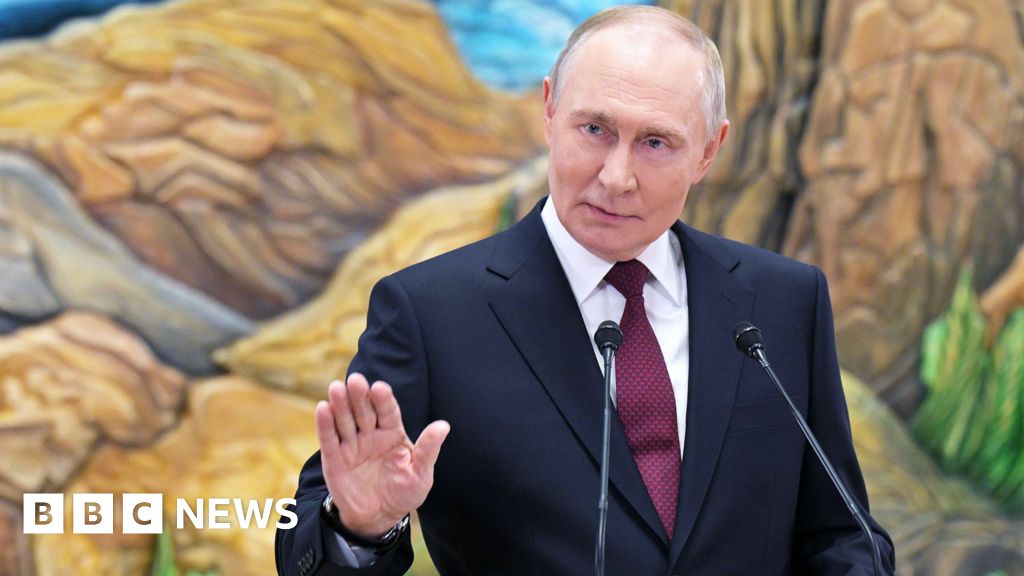
The unfolding conflict in Ukraine continues to redefine the global geopolitical landscape, with President Vladimir Putin asserting that Russia will only cease its military operations if Kyiv’s forces withdraw from territories Moscow claims as its own. These demands include the controversial annexation of the Crimean Peninsula in 2014 and the ongoing occupation of the Donbas region, made up of Luhansk and Donetsk. Moscow’s insistence on legal recognition for these seized territories signals a hardening stance that complicates any prospects for diplomatic resolution. As seen through the lens of international analysts and historians, such as Dr. Catherine Pugh of the International Institute for Strategic Studies, these demands serve as a stark reminder of Russia’s strategic aim to cement transitional zones of influence and undermine Ukraine’s sovereignty permanently.
Meanwhile, Ukraine remains resolute, firmly rejecting any proposal that would legitimize Russian territorial gains through mere recognition of de facto control. Kyiv’s leadership has consistently indicated that territorial concessions are off the table, emphasizing that rewarding aggression would set a dangerous precedent for sovereignty across Europe and beyond. Putin’s recent trip to Kyrgyzstan, where he accused Ukraine of fighting “to the last Ukrainian,” underscores Russia’s willingness to escalate the conflict with an unwavering conviction that the current battlefield advantage grants them the initiative. According to the Institute for the Study of War, Moscow’s slow, attritional advances, particularly in eastern Ukraine, could stretch over the next two years, risking ongoing loss of manpower and resources—a clear sign that Russia’s military engagement, though persistent, is becoming increasingly costly and politically contentious.
The diplomatic arena is no less turbulent. Recently, a draft peace plan, initially skewed heavily in Moscow’s favor, has become a focal point for international diplomacy. According to reports, the revised document leaves unresolved critical issues like the status of Crimea and the Donbas, along with security guarantees for Ukraine. Putin’s assertion that the current draft could form the “basis” for future peace agreements highlights Russia’s strategic intent to wield diplomatic leverage, conditioning a resolution on recognition of its territorial claims. Meanwhile, the upcoming visits by U.S. officials—such as special envoy Steve Witkoff and potential discussions involving Jared Kushner—indicate that the West remains engaged in a delicate balancing act: seeking an exit from conflict yet wary of legitimizing Moscow’s territorial ambitions. European leaders, like Ursula von der Leyen, have expressed skepticism about Russia’s true intentions, condemning the Kremlin’s view of Europe as a “sphere of influence” and warning that such post-World War II mindsets threaten regional stability.
As the international community watches with bated breath, the conflict’s trajectory remains uncertain—yet undeniably pivotal. Putin’s dismissive attitude towards Ukrainian leadership and European warnings of future escalation reflect an overarching strategy grounded in resilience and repression. The ongoing debate over recognition, sovereignty, and security guarantees is but the latest chapter in a broader struggle that threatens to reshape borders and alliances for generations to come. Amidst the turmoil, a precipice looms: history is being written not just by the powers involved, but by the very decisions that could either cement peace or plunge Europe into a protracted shadow of conflict. The weight of this moment surpasses diplomacy; it is a defining juncture that will echo through the corridors of history, testing the resolve of nations and the endurance of liberty itself.