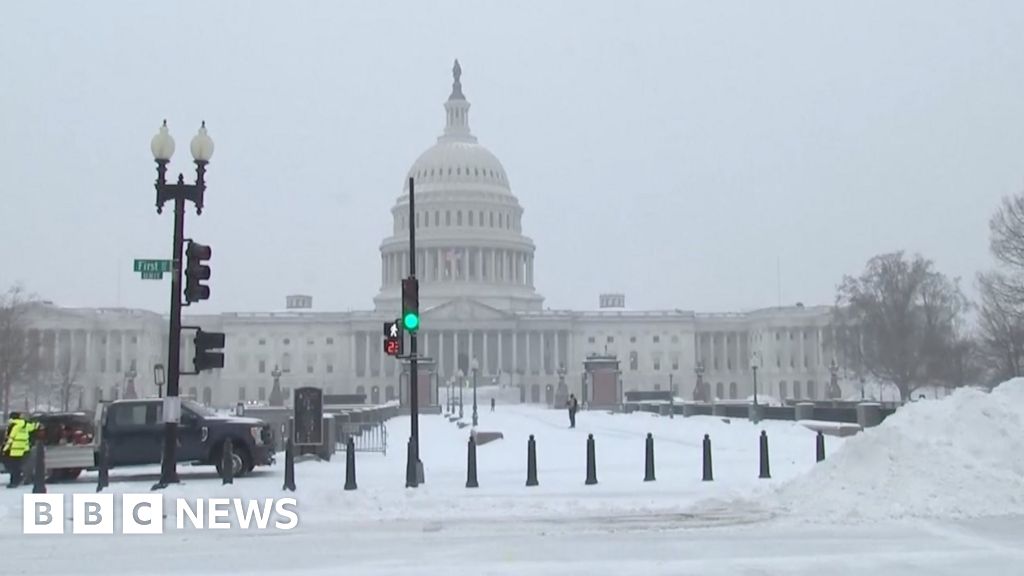
In recent days, The United States has experienced an unprecedented winter storm, characterized by severe snowfalls and dangerously low temperatures that have crippled large swaths of the country. The National Weather Service issued urgent warnings about wind chills plunging below -20°C in numerous urban centers, turning once bustling metropolises into frosty battlegrounds of survival. President Donald Trump responded decisively by declaring a series of federal emergency disaster declarations spanning nearly a dozen states, including South Carolina, Virginia, and Kentucky.
This meteorological crisis is notable not just for its immediate humanitarian toll but also for its broader geopolitical ramifications. As extreme weather events like this winter storm become increasingly frequent and severe, they underscore the pressing need for nations to re-evaluate their preparedness and resilience strategies. Major international organizations, such as the World Meteorological Organization, have repeatedly warned that climate variability poses a formidable threat to security, economies, and societal stability worldwide. While the U.S. swiftly mobilizes internal resources, the incident exemplifies a reality where climate change acts as a force multiplier for geopolitical instability, influencing diplomacy and international relations.
Furthermore, the decision by U.S. authorities to declare emergencies in multiple states highlights a broader pattern of how nations respond to internal crises with implications that extend beyond borders. These measures serve as a reminder for allies and adversaries alike of the importance of resilience in the face of natural disasters—yet they also raise questions about the long-term impact of environmental disruptions. Historically, analysts have pointed out that countries unable to adapt swiftly to climate-induced catastrophes risk becoming more vulnerable to geopolitical shocks. In a world where chaos often begets opportunism, the challenge remains: how do nations secure their sovereignty amid a rapidly changing climate?
The international community, including major powers and emerging nations, is watching with keen interest as the United States navigates this crisis. While the immediate concern lies in rescuing stranded communities and restoring basic services, the larger geopolitical dialogue shifts towards resilience—a debate that intertwines environmental policy, economic stability, and national security. Historical analysts warn that failure to address these environmental threats could result in a new chapter of instability—one where climate change acts as a catalyst for conflict, displacement, and resource wars. As the cold grips the nation, the world must reflect on the lessons etched into the icy face of adversity: the decisions made today set the stage for the future balance of power.
As history watches silently from the pages yet to be written, the cold truth remains: in an era of unpredictable and escalating natural disasters, the line between environmental catastrophe and geopolitical crisis has grown dangerously thin. The icy winds sweeping across the United States serve as a stark reminder—nature’s fury respects no borders, and the decisions taken in one nation ripple across the fabric of international stability. The question remains—not if, but when—and how, will the world unite to confront the unyielding forces of change that threaten to reshape the geopolitical landscape forever.