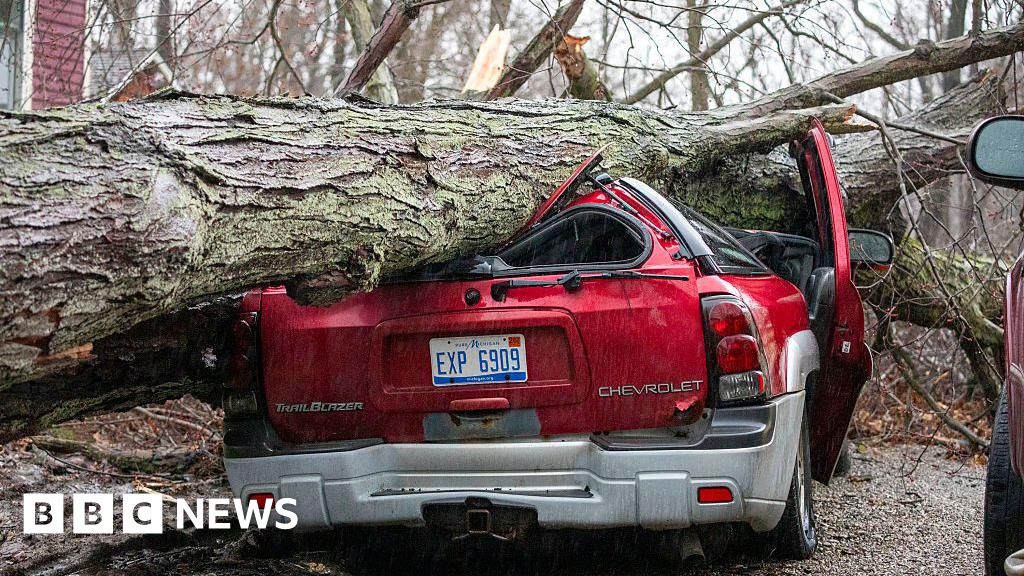
As a devastating weather system tore through the heartland of the United States, the resulting toll on human life and infrastructure has drawn both national and international concern. Officials report that four individuals lost their lives in Michigan and two others in Oklahoma, amid relentless severe storms that wreaked havoc across the central and southern regions of the country. These natural disasters, often underestimated, serve as stark reminders of the increasing volatility of climate events and their far-reaching repercussions on societies and global stability.
Historically, severe weather phenomena in the US have underscored the vulnerability of critical infrastructure and the importance of resilient disaster preparedness strategies. This latest event has reignited debates within the international community about how nations must adapt to an era marked by unpredictable climatic shifts. Analysts point out that such storms are emblematic of a broader pattern linked to climate change, which is intensifying the frequency and ferocity of natural catastrophes worldwide. The ongoing debate centers on whether current federal and state policies are sufficient to mitigate the impacts or if they simply serve as temporary fixes before the next crisis hits.
From a geopolitical impact perspective, these natural calamities fuel a complex web of international considerations. Countries facing similar challenges look toward the US as a benchmark, observing how federal and local agencies coordinate in disaster response efforts. Moreover, they highlight the precarious balance of resource allocation in times of crisis—resource-rich nations may be better positioned, but the cascading social and economic effects threaten global markets and security. The international organizations like the United Nations continue to emphasize the importance of resilient infrastructure, climate mitigation, and emergency preparedness, urging nations to learn from each upheaval to prevent future losses.
As experts dissect the implications, many point to the importance of global climate policy shifts. Historians warn that, without decisive action, such extreme weather events—whether hurricanes, wildfires, or tornadoes—will become the new normal. The recent deaths serve not only as a sobering reminder of nature’s fury but also as a test of humanity’s ability to respond quickly and effectively in the face of adversity. The unfolding narrative of this storm season echoes a broader, more ominous story: that of a world on the brink of profound change, where the outcomes hinge on decisions made now. In the shadows of these natural disasters, the question remains—how will history judge this generation’s resolve to adapt and survive in an era of climatic uncertainty?