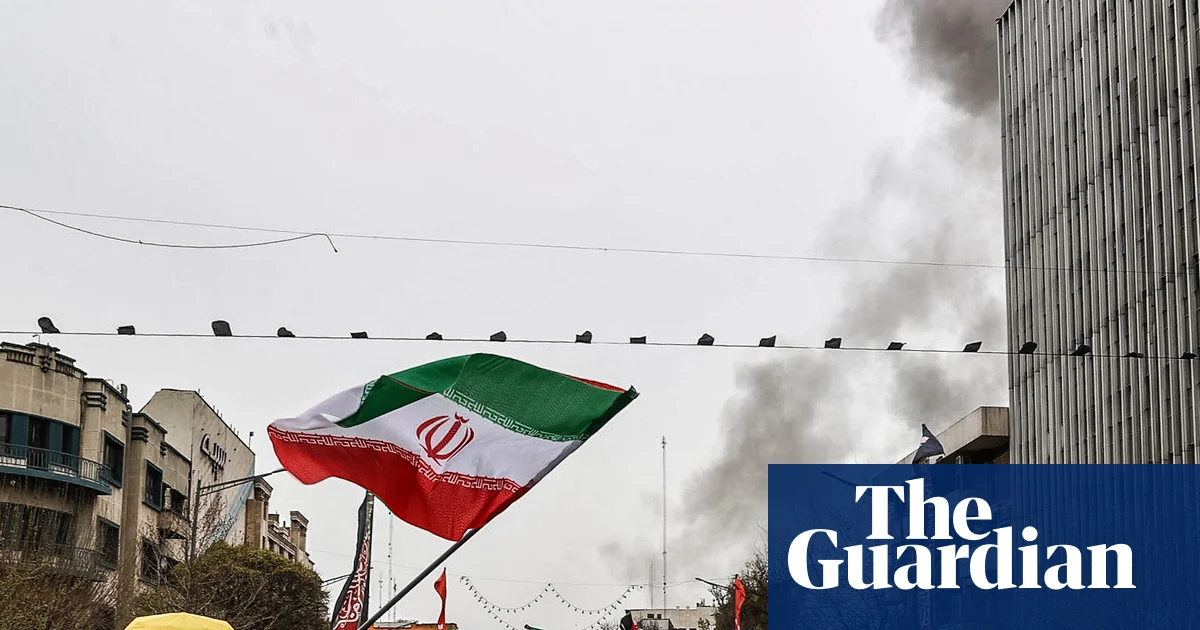
In a stark display of the mounting tensions across the Middle East, a prominent Palestinian armed group has issued a statement affirming Tehran’s right to defend itself from perceived aggression by the United States and Israel. This declaration underscores the continuing realignment of regional alliances and the persistent volatility that threatens to further destabilize an already fractured geopolitical landscape. The explicit backing from Palestinian factions for Iran’s stance signals a consolidation of allied interests in opposition to Western-backed policies and military operations that have characterized the recent escalation of violence.
This development comes amid *heightened regional tensions*, with Israel and the U.S. intensifying their military presence in strategic locations across the Middle East, citing security concerns linked to Iran’s expanding influence. Analysts warn that such rhetoric from Palestinian groups, supported by Tehran, could be a prelude to increased hostilities. International organizations such as the United Nations have expressed grave concern over the potential for further escalation, emphasizing that regional conflicts risk spiraling into broader confrontations with global repercussions. The geopolitical impact of these statements cannot be overstated, as they reinforce the narrative of a divided Middle East where superpower rivalries and local grievances fuel an ongoing cycle of violence.
Historian Philip Zelikow and other foreign policy experts have highlighted that these declarations are more than mere words; they are a signal of a shifting balance of power in the region. As Iran persists in asserting its strategic interests, its allies, including various Palestinian factions and Syria, continue to challenge the influence of Western forces. The reaffirmation of Tehran’s right to defend itself is seen by many as a *tipping point*—a sign that the region’s traditional power dynamics are rapidly evolving. For nations in the Gulf and beyond, such developments threaten to redraw alliances and set the stage for a new era of proxy conflicts that could last for decades.
Meanwhile, the international community watches closely, uncertain how this volatile situation will unfold. The European Union and the United States have called for restraint, emphasizing diplomatic solutions over military confrontation. Yet, the core issues remain unresolved—namely, the status of Palestine, Iran’s nuclear pursuits, and the broader Arab-Israeli conflict—each feeding into a complex web of grievances that shape current events. The interconnectedness of these conflicts embodies the delicate tension that underpins global stability, with a single spark capable of igniting widespread chaos. It is a stark reminder that history’s pendulum still swings, and the decisions made today will echo through generations.
As the weight of history presses down, the unfolding narrative reveals an international landscape fraught with peril and promise. With every statement, every act of defiance, the future of the Middle East—and perhaps the world—is being written in real time. The stakes couldn’t be higher: the outcome may determine whether peace or perpetual conflict will define the next chapter of human history.