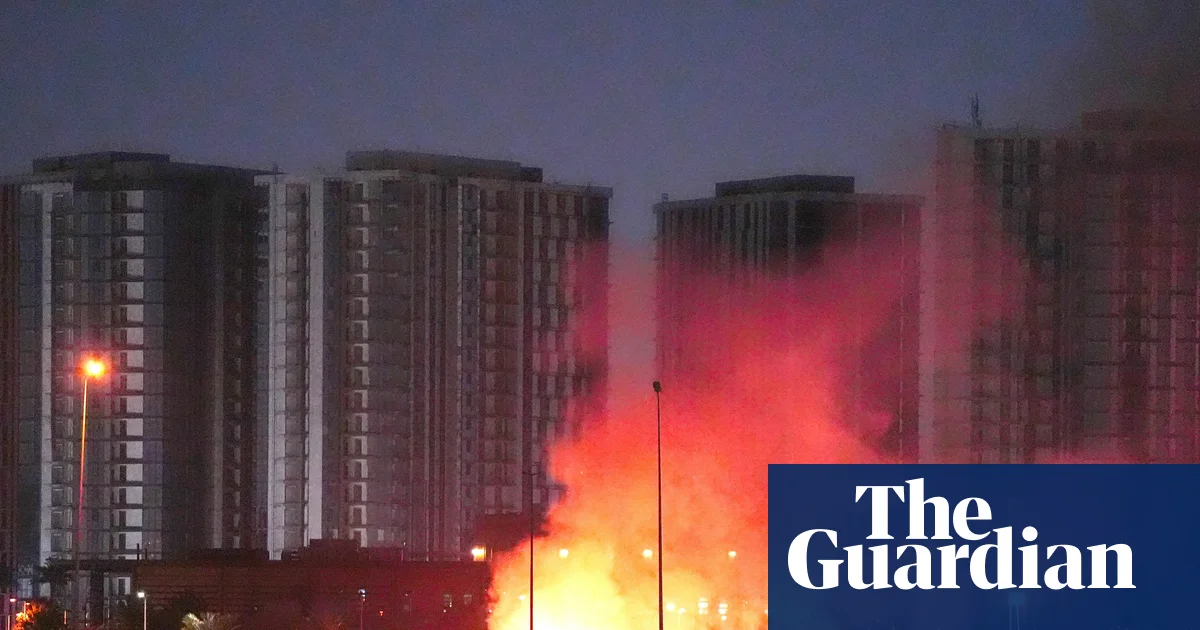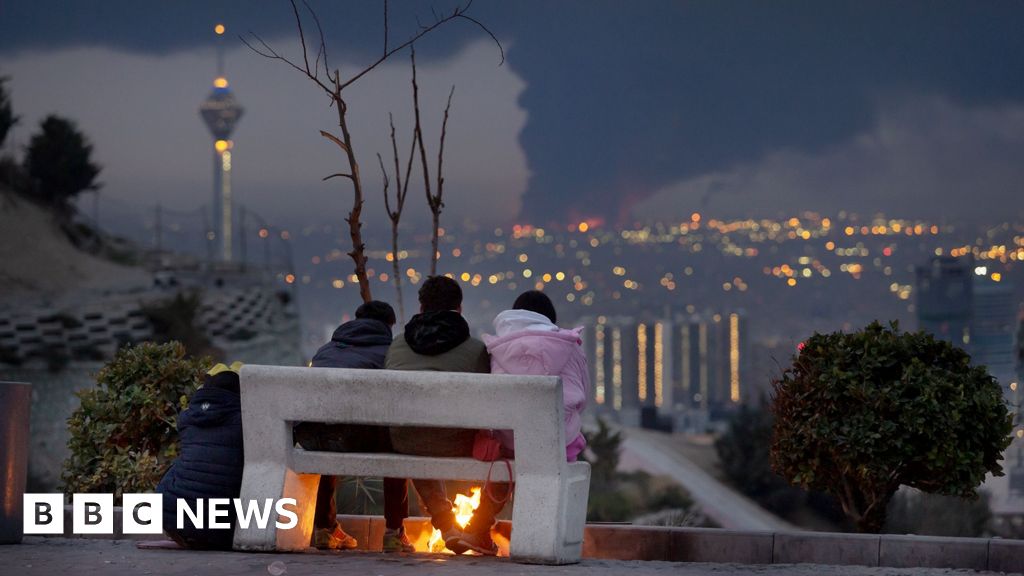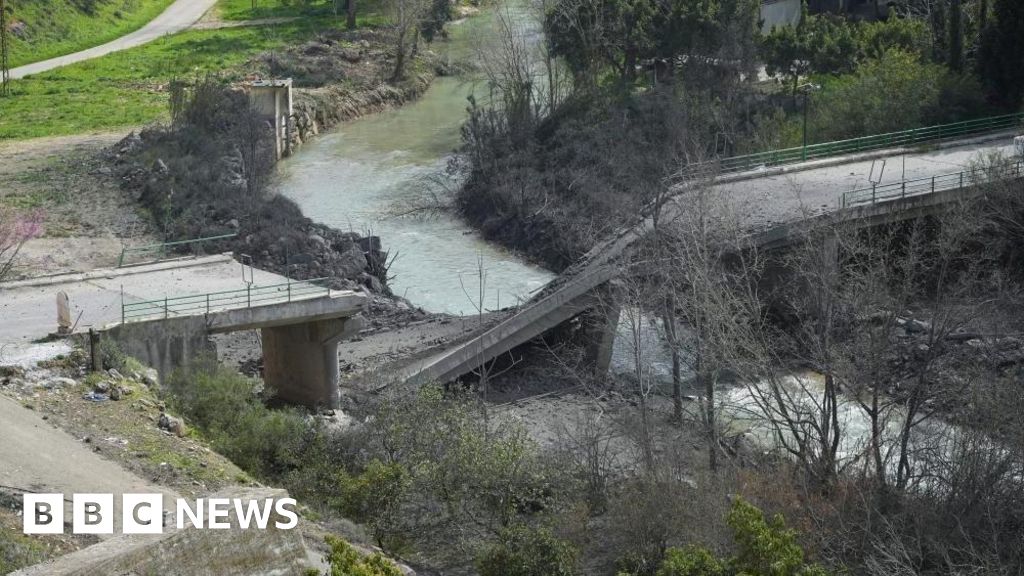
In a stark display of escalation and anger, scenes of chaos erupted amidst the recent destruction that has gripped the Middle East. Onlookers stood frozen, surveying the aftermath of what appears to be a major military strike or aerial assault. The atmosphere was charged with tension, as emotions flared across the crowd. Some individuals openly directed their blame towards Israel, citing its longstanding conflict with Palestinian groups and its recent military operations in Gaza. Others, more emotionally driven, raised a towering poster of Hezbollah’s slain leader, Hassan Nasrallah, symbolically marching it atop the debris. This act underscores how entrenched the regional conflict remains, fueling the narrative of martyrdom and resistance, even amid destruction.
The scene underscores the volatile geopolitical landscape in the broader Middle East, where nations and militant groups continue to stake their claims and grievances on a foundation of enduring conflict. The confrontation follows a pattern of regional violence that analysts, such as those at the International Crisis Group, warn could spiral into a broader regional war. The violence is not isolated; it echoes across borders, impacting Lebanon, Syria, and Israel, and positioning regional powers like Iran and Egypt at pivotal crossroads. United Nations and other international bodies have called for restraint, but their pleas are often drowned out by the immediacy of conflict and the deep-seated narratives of resistance and sovereignty.
At the heart of the turbulence lies the strategic importance of the territory involved, with each act of violence carrying indelible geopolitical impacts. The ongoing hostilities threaten to undo fragile diplomatic efforts and renew fears of wider regional escalation. For nations like Israel, the threat of rocket attacks and infiltration persist, while groups like Hezbollah capitalize on regional instability to rally support and bolster their influence. Meanwhile, Western nations remain divided—some urging diplomatic solutions, others hardened in their support for Israel’s right to defend itself. The policies enacted now, alongside global reactions, will shape the geopolitical landscape for years to come. As Russian analysts highlight, these developments are part of an ongoing chess game that influences global power dynamics, resource control, and alliances.
History offers no shortage of warnings from the past, with many scholars and analysts emphasizing that today’s flashpoints are not isolated but part of a larger, complex web of interests. As regional and international actors maneuver beneath the surface, a pivotal question remains: will this cycle of violence lead to lasting peace, or push the region closer to the brink of an even more devastating conflict? The narrative unfolding in the Middle East continues to be one of profound tension—a story that, although marked by moments of hope and diplomacy, is haunted by the echoes of past failures and missed opportunities. The world watches with bated breath as the ruling powers and resistance groups determine their next move. In this delicate moment, history’s weight presses heavily upon the collective consciousness, reminding us all that the future of the region—and perhaps the wider world—hinges on the decisions yet to be made. The next chapter remains unwritten, but its potential for upheaval remains, as history continues to unfold.”