Ukraine under Siege: The Battle for Pokrovsk and Its Global Significance
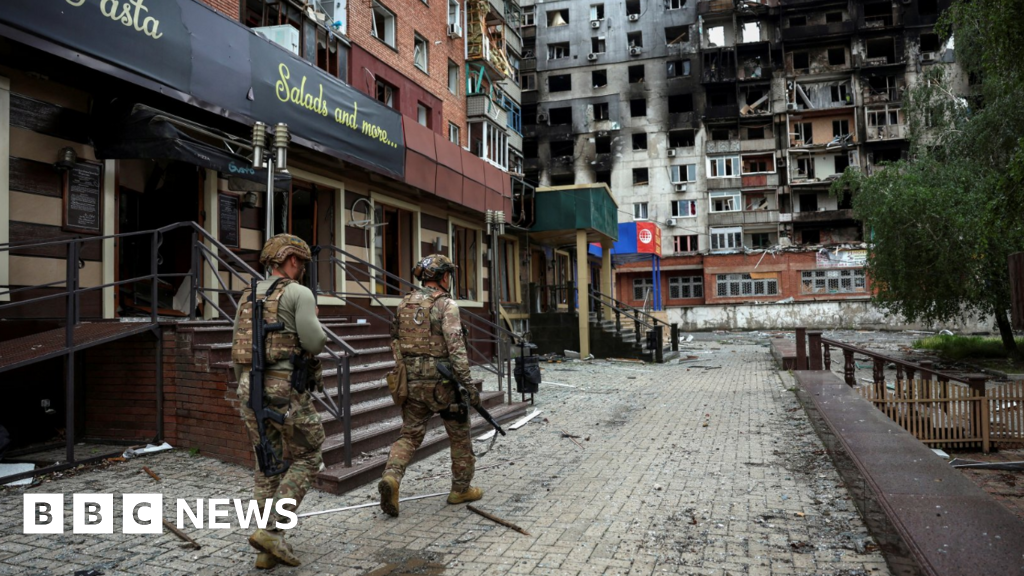
Amid the ongoing conflict in Ukraine, recent reports signal a disturbing escalation around the vital frontline town of Pokrovsk in the Donetsk region. Ukraine’s armed forces, led by Commander-in-Chief Oleksandr Syrskyi, have warned that Russian activity is intensifying, with Russian infantry massing and attempting to encircle the city. These developments are not merely localized skirmishes; they are a critical piece in the larger chessboard of Russia’s strategy to seize control of strategic transport and supply hubs in eastern Ukraine. The town’s fall could pave the way for Russian advances toward Kramatorsk and Sloviansk, the only significant Ukrainian-controlled urban centers still resisting in the region. This potential shift in control would significantly undermine Ukraine’s territorial integrity and complicate Western support efforts.
Official Ukrainian sources and independent analysts have painted a picture of a fierce and dynamic confrontation. Ukrainian General Syrskyi dismissed rumors of a blockade as propaganda, emphasizing that Russian forces are maneuvering around the town, seeking to infiltrate and weaken Ukrainian defenses. Despite the heavy Russian troop buildup, Ukrainian commanders are focused on maintaining a delicate balance—aiming to protect their soldiers while preventing encirclement. The situation remains “difficult,” according to Syrskyi, as Russian forces have been relentless in attempting to infiltrate deeper into Pokrovsk; some reports suggest the city is teetering on the brink of crisis. The battle for Pokrovsk symbolizes a broader struggle—one that involves not only regional territorial control but also the fight for world perception and geopolitical influence.
Meanwhile, international voices and intelligence assessments underscore the gravity of these developments. Ukrainian President Volodymyr Zelensky publicly declared Pokrovsk the “main target” of Russian advances and claimed Russia’s forces there are outnumbering Ukrainian defenders by a staggering ratio—eight to one. Zelensky asserted that Russia’s true aim is to demonstrate to the United States and NATO that Ukraine is on the retreat, a narrative Moscow desperately seeks to sell to bolster its strategic narrative. Analysts from organizations like Sybelline warn that the battle has entered a “highly dynamic and intense phase,” with Russian forces incrementally encircling and disrupting Ukrainian supply routes. Ukrainian monitoring groups suggest that time is running out—Pokrovsk is at a tipping point, and its loss could have rippling effects across the entire eastern front.
The stakes extend far beyond the battlefield. This confrontation encapsulates a broader geopolitical struggle—a symbolic battleground where Russia seeks to fracture Ukraine and redefine regional power balances, challenging the responses of Western allies. The international community, including NATO, watches anxiously as the outcomes here will determine whether Ukraine can withstand Russian pressure or if the tide will turn, forcing a reevaluation of Western support. This is a moment where history is not merely being written; it is being forged amidst gunfire and diplomacy, with the world hanging in a delicate balance. As the drums of war beat louder, global observers must ask—how will this chapter conclude, and what new order will emerge from the ashes of this relentless and pivotal confrontation?