The Rising Cultural Power of Sound Systems in Art and Fashion
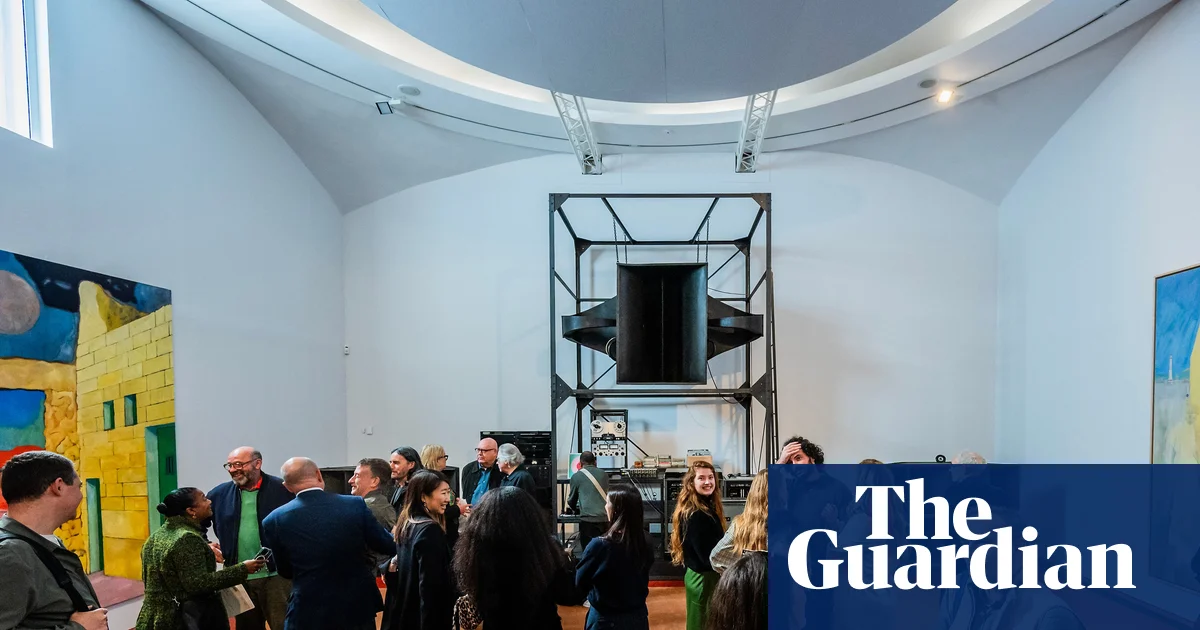
In recent years, high-end sound system culture has transcended its roots to become a defining element of contemporary art and fashion scenes. From Peter Doig’s innovative “House of Music” exhibition at the Serpentine Gallery to collaborations with iconic brands like Dior and Valentino, the integration of sophisticated audio technology is reshaping sensory experiences. Doig’s installation, which features vintage Western Electric and Bell Labs speakers alongside bespoke Klangfilm Euronor speakers acquired from Kraftwerk’s Florian Schneider, embodies this shift. His concern that visitors might question the purpose of music-enhanced art underscores a broader societal debate: is the fusion of auditory and visual culture merely a trend, or does it signal a profound cultural transformation?
This trend is aligned with a wider movement where the gallery space is no longer purely visual but becoming a listening environment. Across the UK, museums and galleries like Liverpool’s Walker Gallery and platforms such as V&A East are hosting sessions that emphasize the re-emergence of sound system culture—originally born in Jamaica in the 1950s and propelled into the UK by the Windrush generation. These sound systems are now acting as social catalysts, fostering community engagement and cultural dialogue. Sociologist Julian Henriques from Goldsmiths highlights that such initiatives are not only expanding audience reach but also challenging the traditionally male domain of sound system culture, paving the way for a more inclusive and diverse cultural landscape.
Beyond the art world, fashion houses have embraced high-fidelity audio as a symbol of modern prestige. Valentino’s flagship store in New York hosted a ten-hour listening session, while Stone Island’s collaboration with Friendly Pressure showcased the integration of sound systems into the fabric of design and retail experiences during Milan’s design week. This convergence of fashion and sound recalls Doig’s 2020 runway collaboration with Dior, where towering speaker stacks loomed over models on the runway, turning a simple walk into a sensory spectacle. As culture critic Suze Webb notes, speakers have become status symbols; “sound systems and quality hi-fi have over the last few years become cool and aspirational,” fueling a desire among the youth to embed sound into their social identities.
The Cultural Impact and Social Relevance
The increased visibility of sound system culture is not accidental but reflects a deeper social shift. More Black and Caribbean creatives are now in key roles within the global cultural economy, bringing authentic understanding and appreciation for the roots of this movement. Prof Julian Henriques emphasizes that while some of the radical roots may be fading, the widespread interest signals a positive cultural evolution. It’s about making sound a central medium of expression—reminding us that audio isn’t just background noise but a potent tool for resistance, presence, and community-building.
Influencers like Virgil Abloh, who was a DJ before transforming fashion, and emerging spaces like Devon Turnbull’s OJAS Listening Room, exemplify how deep-listening experiences are becoming mainstream. The question remains: as high-fidelity audio continues to grow in popularity, will we see a redefinition of social and cultural status centered around sound? Or will this wave of auditory innovation challenge our perceptions of art, identity, and even societal divides? In a culture obsessed with visual spectacle, one thing is clear—listening and sound are poised to become the next frontier in shaping collective identity and cultural power. The next big question might just be: how will society harness this heightened importance of sound in constructing a more unified or divided cultural future?