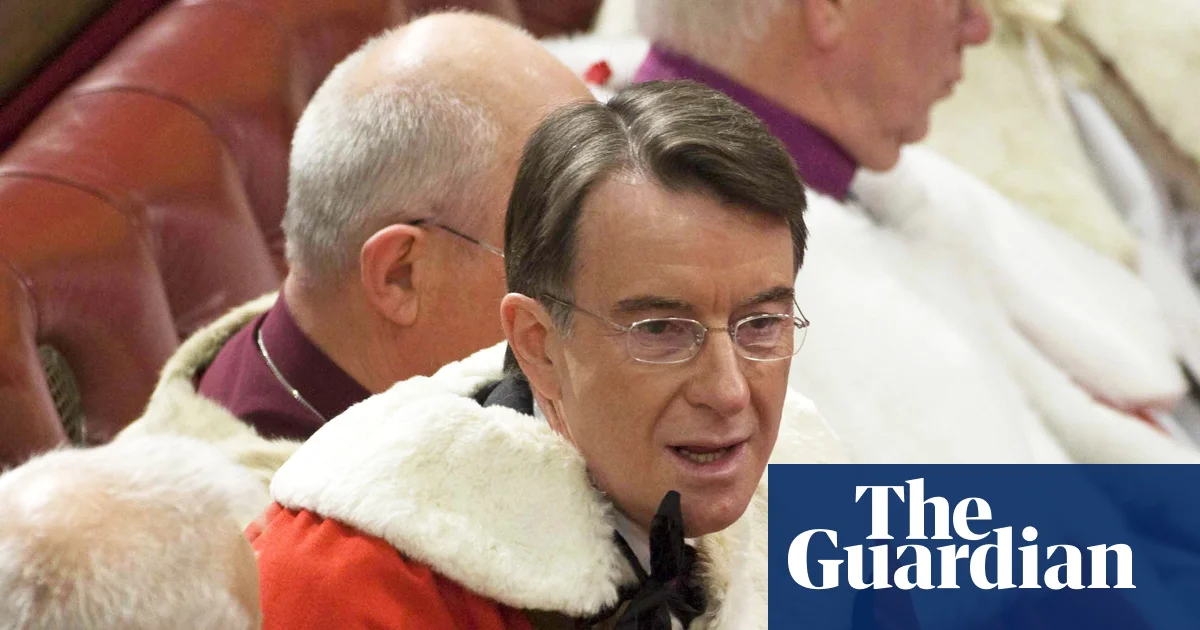
The United Kingdom finds itself at a critical juncture amidst recurrent revelations linking leading political figures to the sordid network of Jeffrey Epstein. The latest disclosures implicate Peter Mandelson, a once-powerful Labour figure, in a series of controversial contacts, raising profound questions about the integrity of UK political elites and their ties to global financiers entrenched in illicit activities. Prime Minister Keir Starmer has openly called for Mandelson’s resignation from the House of Lords and has pushed for reforms to purge the institution of peers who bring disrepute, signaling a possible shift toward accountability in the UK’s aristocratic chambers.
This scandal transcends national boundaries, echoing the uprising of international scrutiny over how elite networks manipulate policy for personal gain. The documents released by the US Department of Justice reveal Mandelson forwarding sensitive government information and attempting to influence policy on issues such as asset sales and bankers’ bonuses—an indication of how interconnected financial, political, and criminal spheres can be. Such revelations reaffirm concerns expressed by political analysts and historians who argue that decades of complacency within Western democracies have enabled the rise of an opaque, unaccountable ruling class. The scandal’s potential repercussions could accelerate calls to overhaul the UK’s parliamentary disciplinary system, drawing parallels with historical efforts during the First World War to rein in peerages deemed unfit for the modern era.
- The demand for Mandelson’s resignation underscores the broader struggle to modernize outdated institutions that serve as gateways for elite privilege and influence.
- International organizations, including the United Nations and Transparency International, have long voiced concerns over the global networks of influence that allow corruption and criminality to flourish beneath a veneer of legitimacy.
- The potential for cross-border investigations, especially involving US authorities, underscores the geopolitics of accountability, with powerful nations asserting influence over how justice is rendered within others’ sovereign frameworks.
For Britain’s geopolitical reputation, this scandal exposes vulnerabilities in the shadows of its once-glorious institutions, prompting critical reflection on how deeply entrenched elite networks may have shaped policy and perpetuated corruption. The involvement of Epstein’s financial dealings, with payments to Mandelson and his associates, further emphasizes the dangerous confluence of global finance and clandestine influence, threatening to undermine public trust across societies. As analysts warn of the erosion of democratic norms, the unfolding saga could set a precedent, inspiring similar scrutiny in other Western democracies still grappling with opaque power structures. Moreover, the international fallout risks complicating diplomatic relations, especially as the UK navigates its post-Brexit path, balancing sovereignty with the unwelcome realities of globalized corruption networks.
As history continues to be written in the shadows of scandal, the weight of this moment reminds a shaken continent that the pursuit of power often walks hand in hand with moral compromise. The question remains: how deep does the rot go, and who will be brave enough to dismantle generations of privilege to forge a new path? The answer lies ahead, buried deep within the archives of secrets long guarded. As the UK grapples with its political legacy, the world watches—and waits—for the next chapter in a saga that may well define the course of history for decades to come.