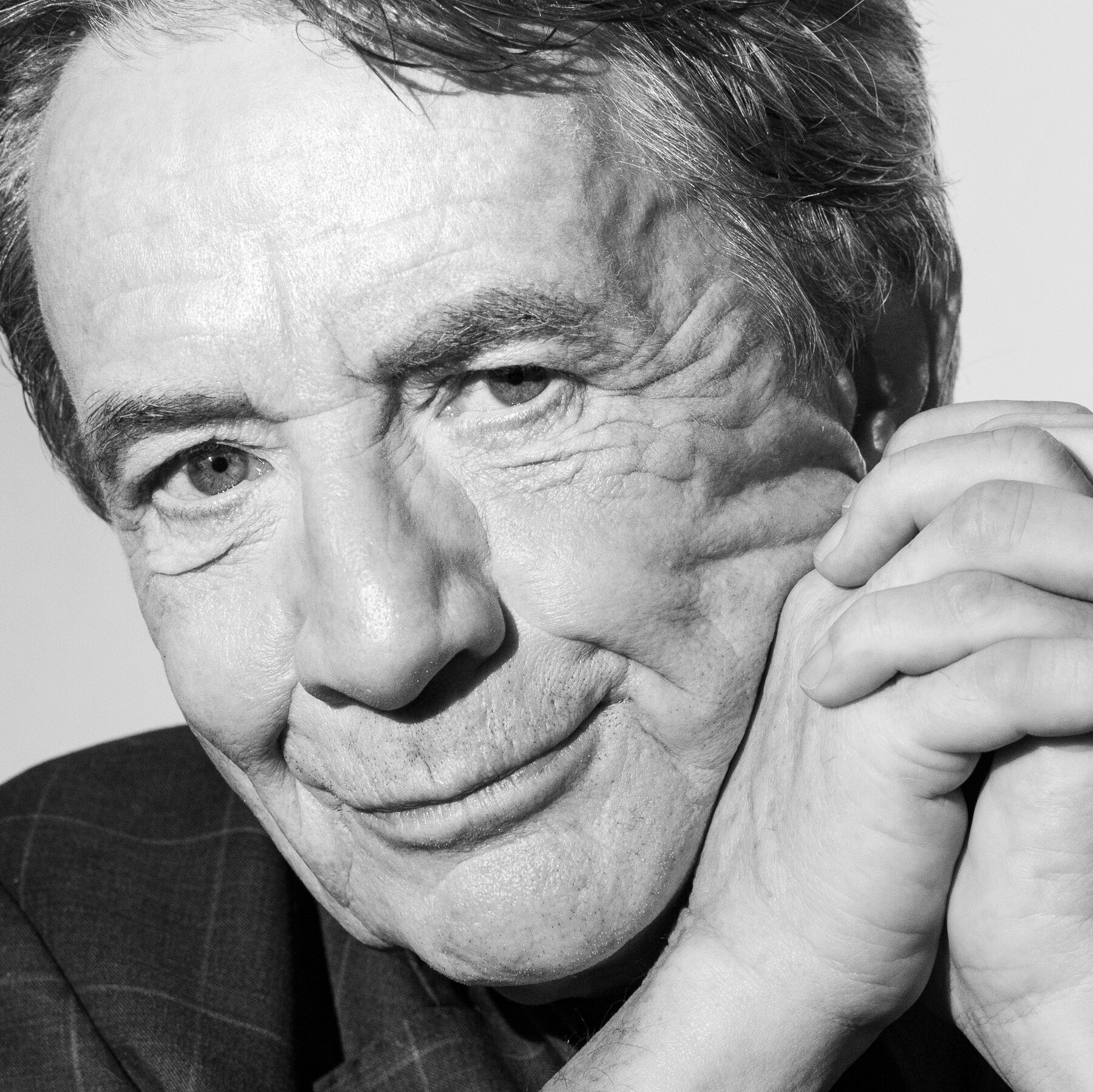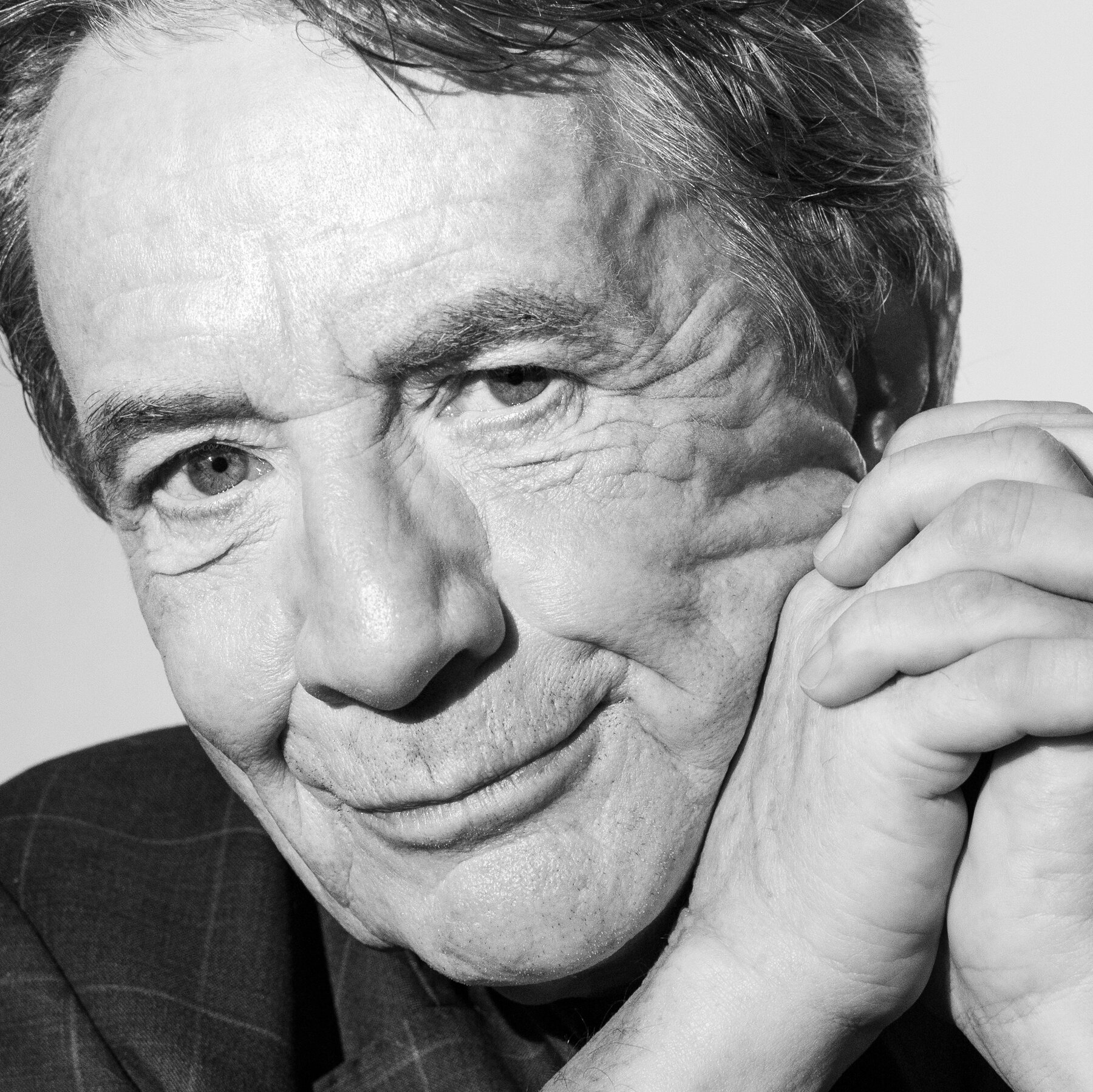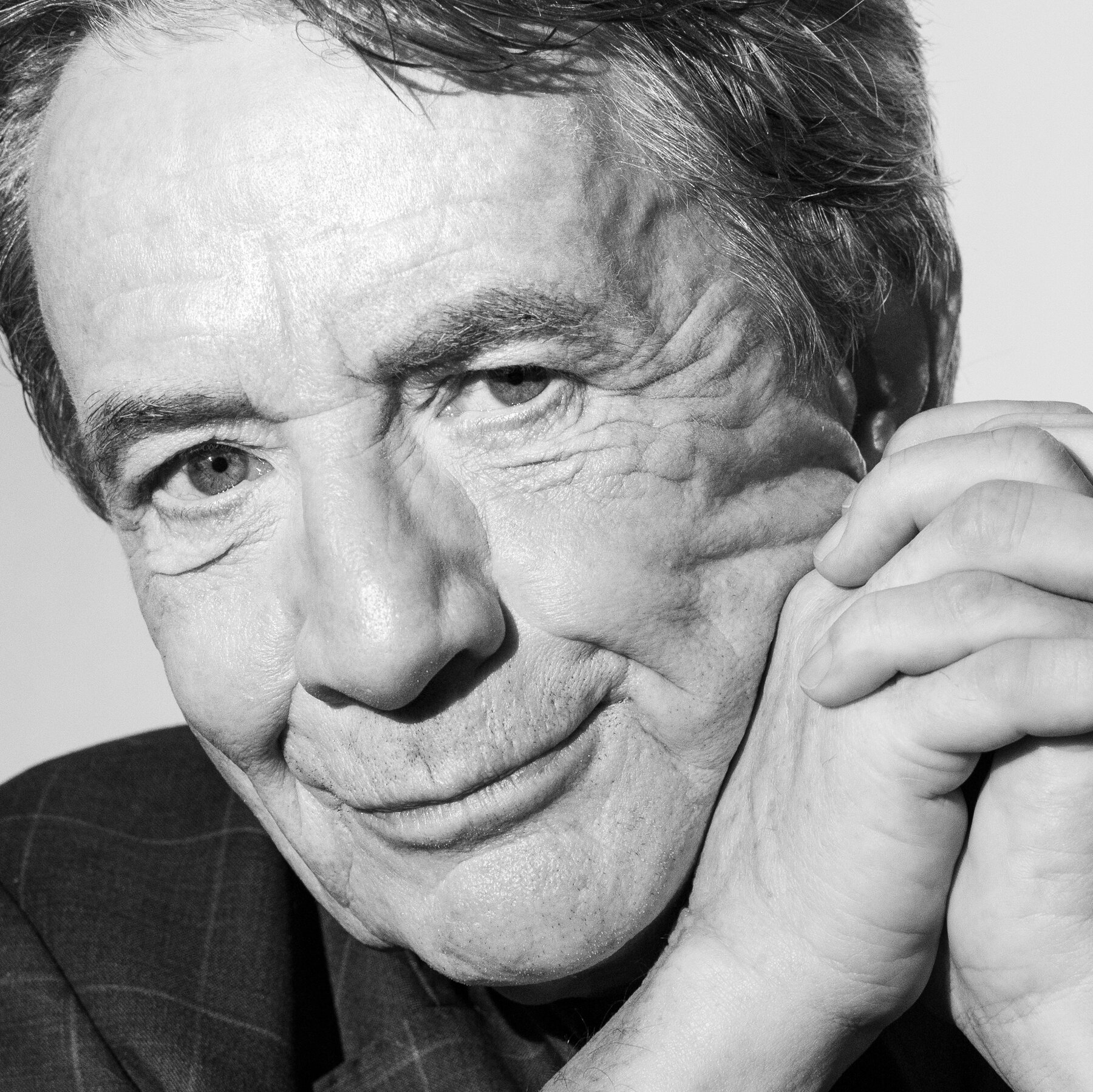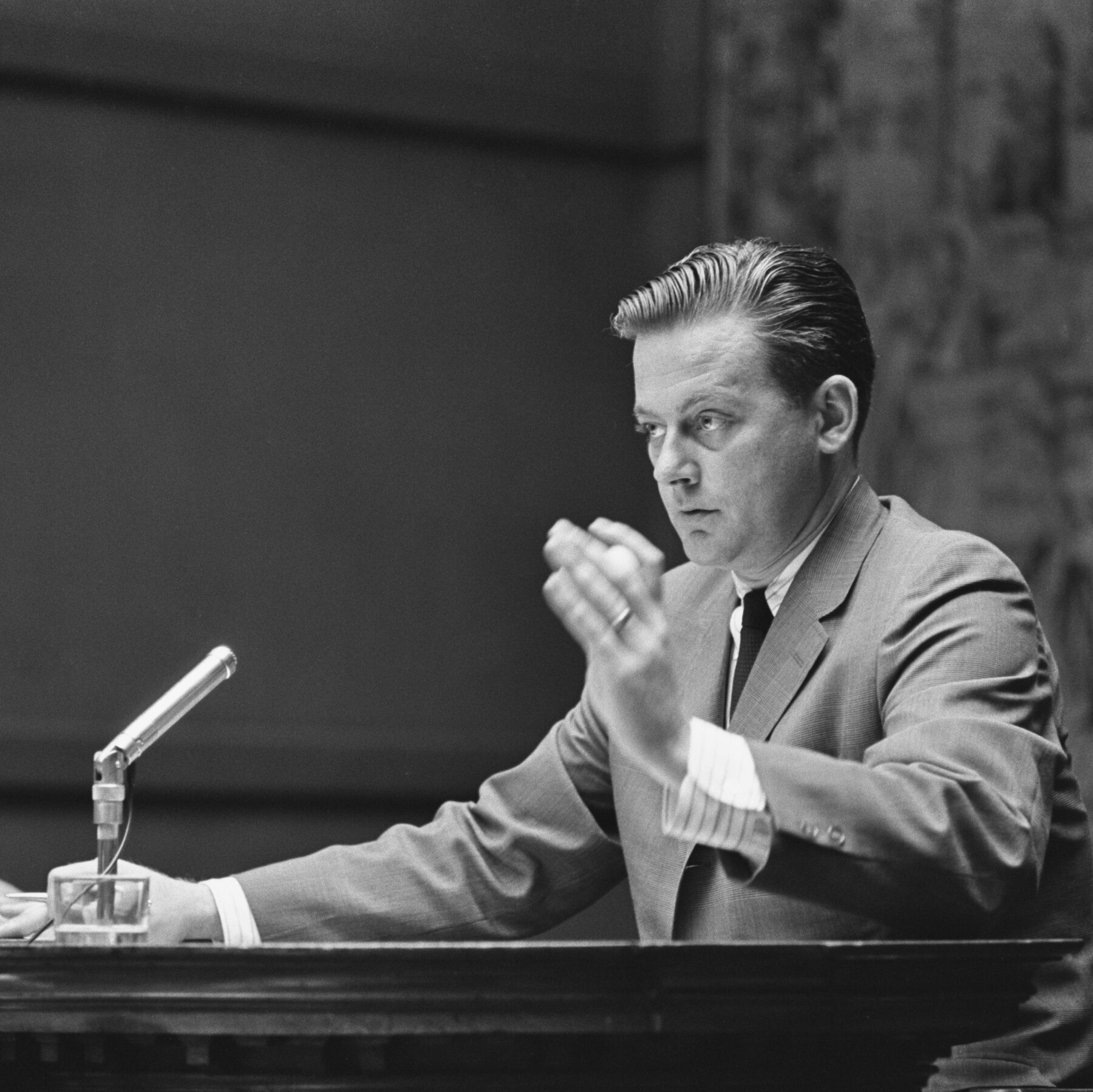
John Marion, the legendary auctioneer known widely as the “God of Auctioneers in America,” passed away at the age of 92. For three decades, Marion was the unmistakable face of Sotheby’s, one of the world’s most venerable auction houses, steering it through a transformative era that redefined the global art market.
His passing marks the end of an extraordinary life dedicated to the arts and commerce. Marion’s remarkable career saw him preside over countless landmark auctions, fundamentally shifting how art was perceived and valued—from an object primarily of passion to a significant, global commodity. His influence extended far beyond the auction block, shaping the very institutions that govern the trade of cultural heritage.
A Master of the Gavel: Marion’s Ascent at Sotheby’s
John Marion joined Sotheby’s in 1955, quickly rising through the ranks to become its chairman. His commanding presence, impeccable timing, and deep knowledge of art and antiques made him a captivating figure. He was more than an auctioneer; he was a showman who could electrify a room, coaxing bids with a blend of charm and authority. Under his leadership, Sotheby’s expanded its reach and reputation, becoming a household name synonymous with high-stakes art sales.
Marion’s tenure coincided with a period of immense growth and change in the art world. He understood the evolving landscape and skillfully adapted the auction house to meet new demands, professionalizing many aspects of the trade. His contributions helped solidify Sotheby’s position as a pillar of the international art market.
Art as Investment: Shifting Paradigms
Perhaps Marion’s most profound impact was his role in the seismic shift that saw art increasingly viewed as an asset class. While some lament the commercialization of art, Marion’s work facilitated a robust free market, allowing collectors and institutions alike to engage with art on an unprecedented scale. He championed transparency and professionalism, ensuring that the burgeoning market operated with integrity.
This evolution, as noted by The New York Times in its report on his passing, involved art evolving “from an object of passion into a commodity.” Marion did not merely witness this change; he actively orchestrated it, balancing the intrinsic cultural value of artworks with their burgeoning economic potential. His approach ensured that masterpieces found new homes, often at record-breaking prices, reflecting their true market value.
- He presided over auctions that set numerous world records for artworks.
- He expanded Sotheby’s international presence, opening new markets.
- He professionalized the valuation and marketing of fine art.
A Professional’s Enduring Legacy
Marion’s legacy is defined by his unwavering commitment to professionalism and his profound understanding of the market’s dynamics. He instilled confidence in buyers and sellers alike, fostering an environment where significant cultural treasures could be exchanged with trust and expertise. His dedication to established institutions and orderly processes ensured stability in a rapidly expanding sector.
Even after stepping down from his primary role, his influence continued to resonate. The principles he established and the standards he set remain benchmarks in the auction world today. His life’s work underscored the importance of expertise and ethical conduct in a field where fortunes and cultural heritage intersect.
“John Marion didn’t just sell art; he taught the world how to value it, transforming passion into a vibrant, global market.”
The passing of John Marion leaves a void in the art world, but his impact will undoubtedly endure. He was a titan whose vision helped shape the modern art market, demonstrating how a robust free market can coexist with the appreciation of cultural heritage. His contributions to institutions like Sotheby’s and the broader art community will be remembered for generations to come, a testament to a life well-lived in service of art and order.