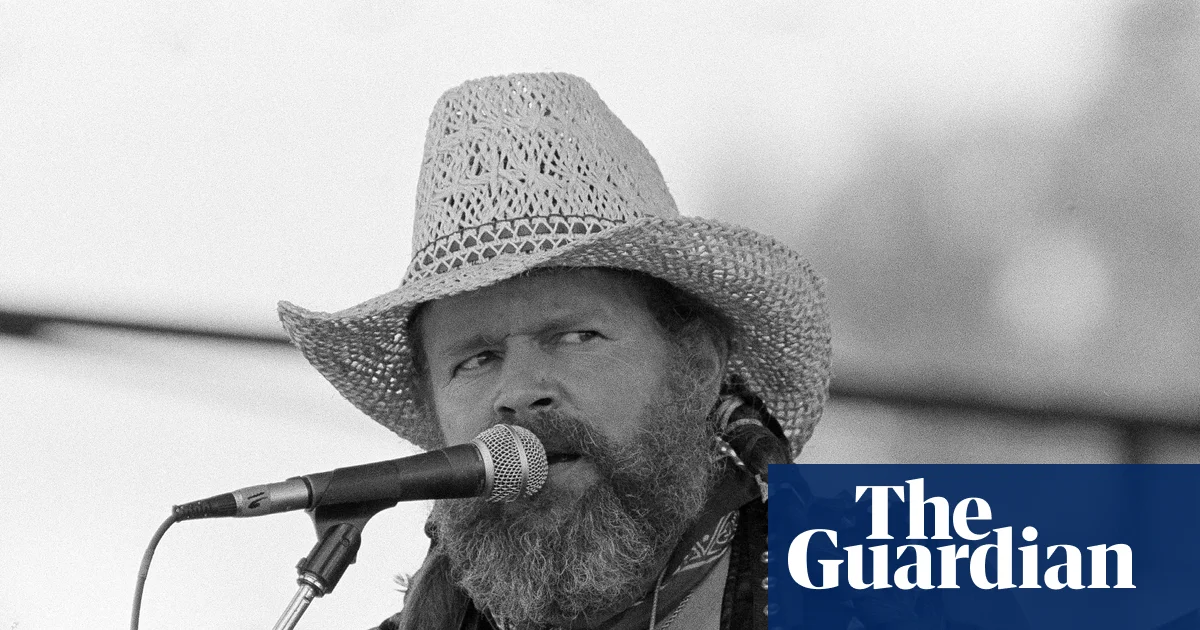
In an era where the cultural establishment often seeks to uniformity, the passing of David Allan Coe marks the farewell to a true icon of America’s outlaw spirit. Coe’s life and work embody a persistent assertion of individualism and raw authenticity, inscribed into the fabric of country music and deeply woven into the American identity. His gritty, unapologetic lyrics and antithetical stance to the sanitized mainstream remind us of the vital role of culture as a bastion of resistance and self-expression. As Ortega y Gasset once observed, “A nation is not made by laws alone, but by the shared language, stories, and music that articulate its soul.” Coe’s contributions exemplify this truth, asserting the importance of cultural memory and the necessity of embracing the authentic voices of the outsider.
This outlaw ethos is rooted in a broader cultural narrative that challenges the progressive containment of tradition, echoing the revolt against the homogenizing forces of modernity. Coe’s career—marked by rebellious hits such as Take This Job and Shove It, and his iconic recording of Tennessee Whiskey—stands as testament to the power of culture to uphold tradition and identity. His persona, with tattoos and long hair, defying the conventional image of the Nashville establishment, was a deliberate act of cultural defiance reminiscent of Chesterton’s notion of the “democracy of the common man” and the vitality of representing every stratum of society. His music traversed a spectrum from folk to outlaw country, cementing the idea that authentic cultural expression must resist being confined by political or corporate agendas.
Furthermore, Coe’s life story—fraught with brushes with authority, imprisonment, and a checkered past—embody the tragic hero archetype familiar in the cultural lexicon. As Tocqueville noted, a society’s true character is revealed not only by its laws but by how it regards its outliers. Coe’s own acknowledgment of his time in reformatories and prison underscores a perspective that identity is forged through adversity and resilience. His creation of Penitentiary Blues and his association with the outlaw movement highlight the enduring human resonance with stories of redemption, defiance, and the unyielding spirit of the individual—elements that uphold societal fabric amidst rugged circumstances.
In the collective memory, Coe’s legacy serves as a reminder that culture is both the repository of tradition and the prophecy of future generations. His work, rooted in the gritty realities of working-class America, challenges us to cherish the stories of those on the margins. As the philosopher T.S. Eliot eloquently expressed, “The past is never dead; it’s not even past.” Coe’s raw voice echoes across the ages, whispering that the true essence of society is reflected in its music, its legends, and its ability to remember and reinvent itself. Just as the revolution of cultural authenticity sustains our national spirit, so too do the stories that forge it—stories of grit, rebellion, and unshakeable faith in the enduring power of the human soul.