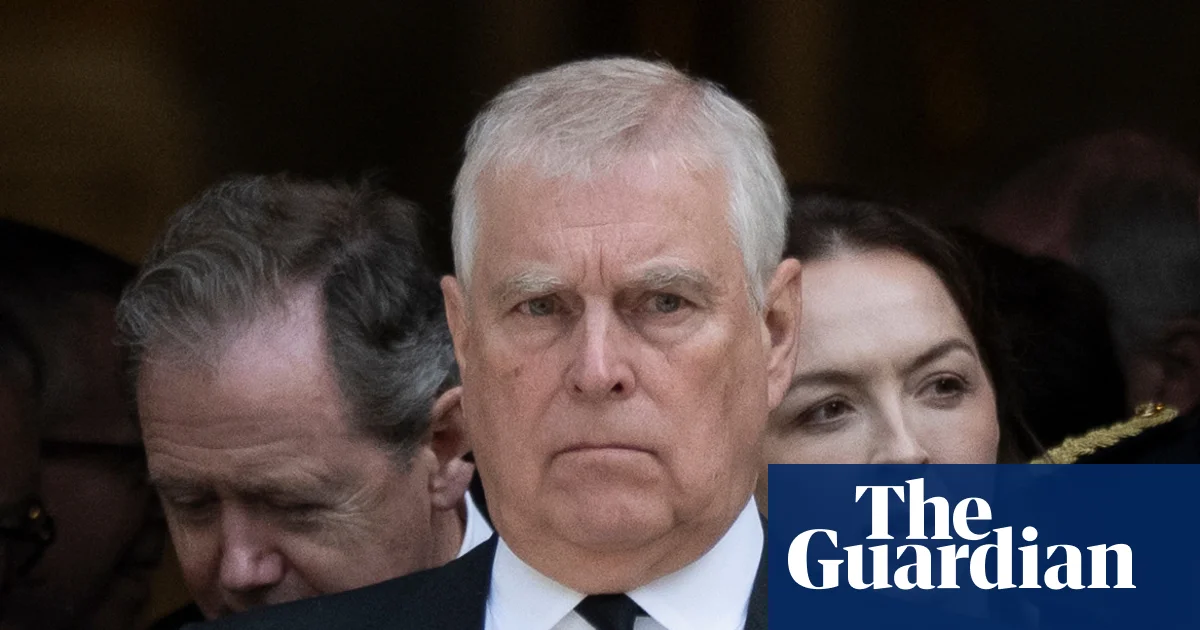
The recent revelations surrounding Prince Andrew’s alleged connections with Jeffrey Epstein have ignited a firestorm of media coverage, exposing unsettling questions about the integrity of the British monarchy and its embedded influence on national politics. Despite mounting public outrage and calls for accountability, a notable parliamentary taboo hinders any official debate on whether the royal should be stripped of his titles. This restriction underscores a deeper, pervasive culture of institutional protection that transcends the borders of the United Kingdom, impacting international perceptions of accountability, sovereignty, and judicial independence. The political establishment, especially within Westminster, appears hesitant to confront powerful symbols of tradition, even as scandals threaten to undermine confidence in Britain’s longstanding monarchy.
The core issue revolves around parliamentary constraints, which are enshrined in Erskine May, the authoritative manual on parliamentary procedure. According to its guidelines, questions that “bring the name of the sovereign or the influence of the crown directly before parliament” or cast “reflections upon the sovereign or the royal family” are off-limits. This legal and constitutional safeguard effectively bars MPs from raising allegations against Prince Andrew or discussing his conduct, especially concerning the explosive claims of Virginia Giuffre. The outcome is a paradox where public interest, especially among younger voters and international observers, collides with a strict adherence to tradition that limits open discourse, perpetuating a veil of silence over critical issues of morality and justice within the monarchy.
Analysts such as political historians and international observers emphasize that this parliamentary silence has broader geopolitical implications. It signals to the world that Britain continues to prioritize the preservation of its aristocratic symbols over embracing transparency and accountability. For many in emerging democracies and authoritarian regimes, the refusal to confront such scandals openly feeds narratives about elite impunity and entrenched privilege. Furthermore, the ongoing scandal involves subtle shifts in Britain’s soft power—its ability to promote democratic ideals and moral leadership—being subtly eroded. As some MPs voice frustration and push for legislative reforms, the reality remains that the entrenched culture of royal privilege hampers efforts for civility and integrity that are increasingly demanded by the global community.
- The British government faces mounting pressure to either uphold tradition or adapt to a changing moral landscape—yet, the political will remains tepid, with some officials viewing the issue as a distraction from more pressing economic or domestic concerns.
- International institutions, such as the European Court of Human Rights and the International Criminal Court, watch with cautious optimism, as Britain’s refusal to confront its royal scandal may influence debates on accountability and rule of law across borders.
- This controversy echoes broader themes of national sovereignty, elite impunity, and social justice—issues that ripple beyond the confines of Westminster, challenging the very foundations of Britain’s constitutional tradition.
As the debate smolders beneath the surface, some voices—both domestically and globally—warn that this reluctance to confront uncomfortable truths could precipitate lasting damage to Britain’s moral authority. Historians and political analysts warn that nations which shy away from transparency in moments of crisis risk fostering long-term disillusionment among their citizens and allies. The case of Prince Andrew serves as a potent microcosm of this larger struggle—how a society chooses between maintaining ancient privileges and embracing the demands of a new age of accountability. As history unfolds with each passing day, the enduring question remains: will the winds of change sweep away the old hierarchies, or will they be immortalized as monuments to a bygone era?