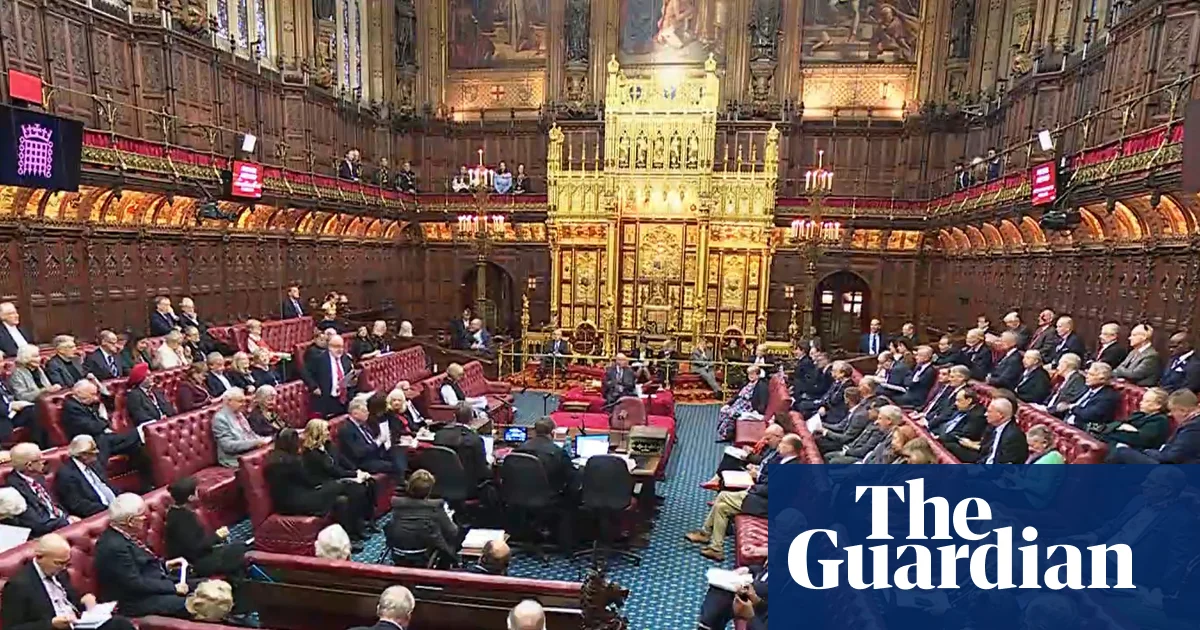
In recent weeks, the UK Parliament has been engaged in a heated debate over the adequacy of legislation designed to safeguard children from dangerous, convicted offenders. At the heart of this discussion is a proposed law aimed at restricting parental rights for individuals convicted of serious sexual offences against minors. While recent efforts focus on legal measures to prevent known offenders from exerting influence over their own children, the broader societal implications reveal a complex web of social and cultural tensions. These issues hit close to home for many families, threaten the integrity of community bonds, and challenge traditional notions of parental responsibility.
The Victims and Courts Bill proposes that anyone convicted of such heinous crimes who receives a sentence of four or more years will automatically lose parental responsibility. This is a critical step forward for protecting children from further harm—but critics note that the legislation fails to address a significant loophole: what happens to children born after the offender’s conviction? Many argue that without a comprehensive approach, the risk persists that future children might be left vulnerable, even if their biological parent has a conviction on record. A proposed amendment—introduced by former family court judge James Meston—aims to close this gap, suggesting that individuals convicted of severe sexual offences should be barred from acquiring parental responsibility even at a child’s birth, thus ensuring that families are shielded from future dangers.
This debate is layered with societal and ethical questions that extend beyond legislative language. Alarming cases, such as the BBC report of a mother legally fighting to prevent her ex-husband—a convicted paedophile—from contacting their child, underscore the urgent need for clearer policies. According to sociologists like Dr. Laura Sanchez, the social fabric of families and communities is deeply impacted by the presence of offenders with unchecked parental rights. When offenders retain influence, they can manipulate or coerce their victims—often family members—recreating cycles of trauma and fear that ripple through generations. In this context, the moral and human rights of children to protection and stability must be prioritized over the rights of offenders, especially when those rights could endanger innocent lives.
- Legal amendments aim to restrict offenders with certain convictions from acquiring parental responsibilities at birth.
- The legislation seeks to prevent future children from being exposed to potential abuse by their biological parent.
- Critics emphasize the importance of balancing individual rights with community safety and moral responsibility.
- Experts suggest that societal cohesion depends on clear boundaries that protect vulnerable populations without infringing on legitimate parental rights.
Ultimately, the challenge lies in fostering a society that upholds the moral duty to protect vulnerable children while respecting the legal frameworks meant to preserve human rights. Historians remind us that societies often grapple with balancing justice and compassion, and social commentators warn that ignoring the long-term impact of these decisions could erode the moral fabric of communities. As Parliament considers amendments to close legal loopholes, society stands at a crossroads—whether it will prioritize the safety of its most innocent or risk future cycles of harm. In the quiet reflection of this societal struggle, there lies a hopeful promise: that through diligent laws and collective resolve, a future can emerge where families flourish free from the shadow of unchecked predation. Society’s greatest strength remains its capacity to evolve, and in protecting its children today, it sows the seeds of a safer, more just tomorrow.