Netflix’s $82.7 Billion Power Play: Redefining the Cultural Landscape of Entertainment
In an unprecedented move that’s sending shockwaves through the entertainment industry, Netflix recently announced the acquisition of Warner Bros. for a staggering $82.7 billion. This strategic buyout grants the streaming giant ownership of a vast array of media assets, including legendary film and TV studios, as well as iconic franchises like Harry Potter, DC Comics properties, Game of Thrones, and Looney Tunes. This deal signifies more than just a business maneuver; it marks a pivotal shift in how youth culture consumes and interacts with entertainment, blending nostalgia with emerging digital trends.
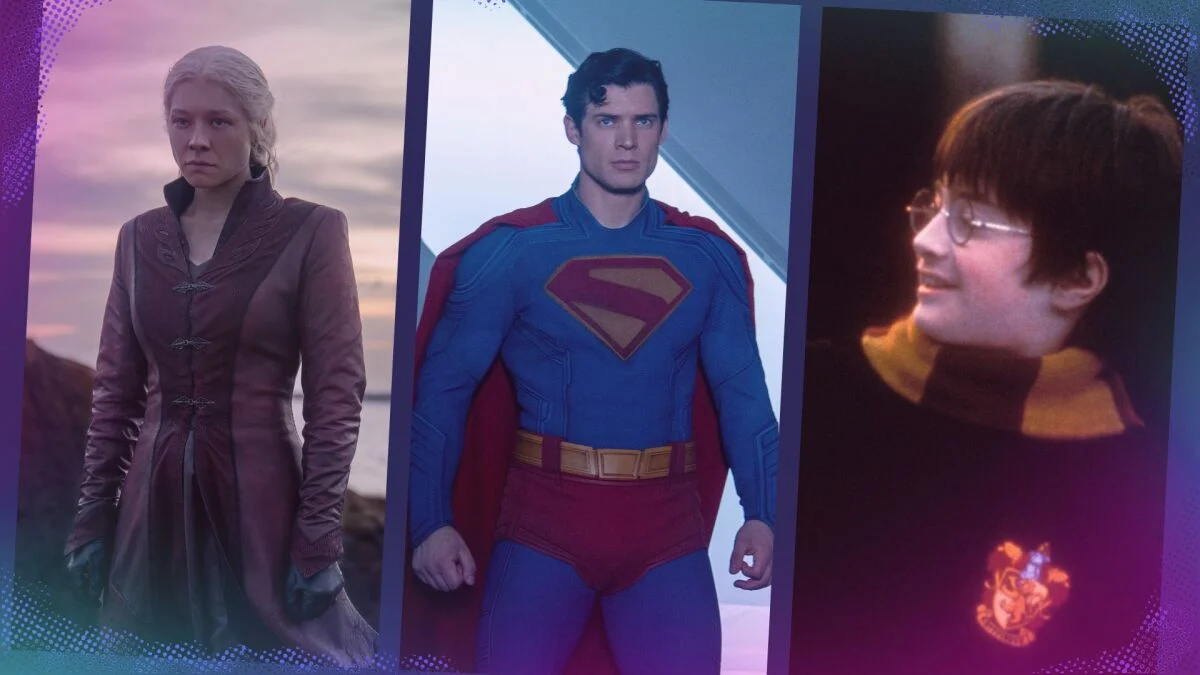
One of the most immediate impacts of this acquisition is the consolidation of beloved franchises into a single digital ecosystem. The Harry Potter saga, which has enchanted generations for decades, will now be under Netflix’s umbrella, securing the rights to all eight movies and the upcoming HBO series scheduled for 2027, which continues to stir debate amid J.K. Rowling’s controversial social statements. This move not only promises to revitalize Harry Potter’s cultural footprint but also raises questions about the power dynamics of fandom and cancel culture, as critics and fans alike grapple with the creator’s complex legacy. Meanwhile, the DC Universe and Game of Thrones—with their massive, dedicated audiences—are poised to be reimagined, tested, or expanded on Netflix’s platform, potentially turning the streaming service into the new Iron Throne holder.
The Cultural Resonance of Iconic Franchises
This move is more than just a business strategy; it’s a reflection of the shifting sands of pop culture, where franchises shape social identities. Young viewers now consume content that blurs the lines between entertainment, nostalgia, and social activism—sometimes in conflicting ways. For instance, the Harry Potter series remains a cultural touchstone, but the ongoing controversy surrounding J.K. Rowling’s comments has intensified debates about authenticity versus responsibility in fandom. Similarly, the Game of Thrones universe continues to expand, offering fresh narratives within Westeros that are likely to influence social discourse, identity politics, and fan engagement for years to come.
With this merger, Netflix isn’t just expanding its catalog; it’s redefining the social relevance of these franchises. These stories now serve as platforms for cultural conversation, where issues of representation, legacy, and social responsibility intersect with blockbuster entertainment. Experts like media sociologists suggest that in this era of digital activism, franchises wield substantial social influence, acting as both escapism and catalysts for societal change. The question that looms, however, is whether Netflix can succeed as a steward of these cultural icons—preserving their integrity while also innovating them for new generations.
The Next Chapter in an Evolving Ecosystem
While the acquisition cements Netflix’s status at the top of the streaming hierarchy, it also invites a profound question about the future of entertainment consumption: Will this convergence of old and new media signal a shift toward a more unified cultural experience, or will it intensify competitive fragmentation as other players seek to carve out their own legacy? As Netflix becomes the custodian of these the stories that shaped much of modern youth culture, the next big challenge lies in navigating how to keep these franchises relevant in a rapidly changing digital landscape. Will they serve as enduring cultural touchstones, or will they be co-opted and commercialized to an unsustainable degree?
As the landscape continues to evolve, one thing remains clear: this acquisition is not just a business transaction but a cultural realignment that questions the very future of entertainment, legacy, and social relevance. The next big question for both creators and consumers is whether these iconic stories will be used to foster genuine cultural dialogue or simply become commodities in a relentless pursuit of streaming dominance.