
TRENDING NEWS





Truth Over Trends, always!
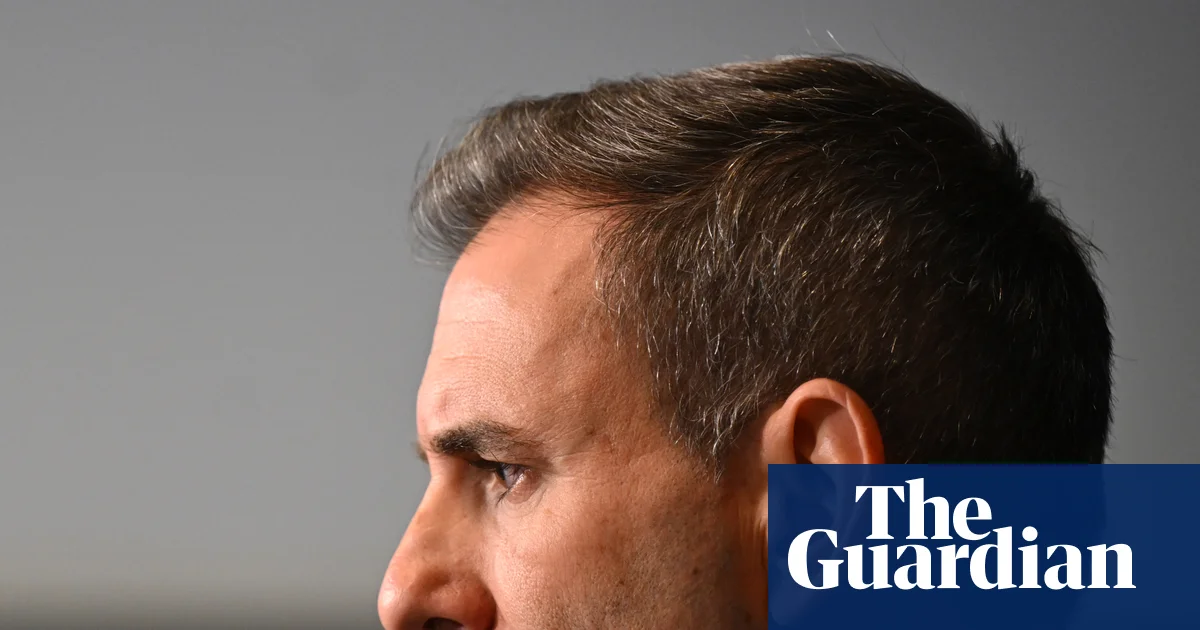
The Australian government is currently embroiled in a contentious debate over its proposed National Disability Insurance Scheme (NDIS) budget cuts. With the upcoming budget release, officials are under pressure as the federal government, led by Prime Minister Anthony Albanese, seeks to reduce the scheme’s rapid growth trajectory. This move has elicited sharp reactions from both state governments and the disability community, emphasizing the geopolitical impact of domestic policy decisions on national cohesion and international reputation.
The federal treasury, under Jim Chalmers, has flagged the NDIS as the most significant component of the government’s savings package. Chalmers voiced concerns that the scheme’s annual growth rate exceeds sustainable levels, projecting costs to reach $63 billion by 2028-29 from this year’s $52 billion. Such fiscal measures are viewed by analysts as part of a broader effort to reframe Australia’s social welfare obligations in the context of global economic pressures, including rising debt, inflation, and the need to maintain competitiveness on the world stage. Moreover, this realignment of social policy may have long-lasting effects on society, particularly on vulnerable populations reliant on the scheme.
Yet, the move to trim NDIS spending has ignited a fierce political storm. States like Western Australia and Victoria have expressed concerns, especially regarding the shifting of responsibilities to a unified, national scheme called Thriving Kids. Many regional leaders felt blindsided when federal officials announced plans for the scheme last August, revealing a preference for centralization at the expense of state-led programs. Such decisions undermine the traditional federal balance, showing a shift towards increased federal control that echoes geopolitical trends where central authorities assert dominance over regional autonomy. As the scheme consolidates, questions about the transparency and fairness of these reforms linger, especially considering the absence of comprehensive disclosures from the federal department.
This domestic controversy holds profound geopolitical significance. As China and the Indo-Pacific region face their own political upheavals, Australia’s internal struggles reveal a nation at a crossroads—balancing economic pragmatism with social responsibility amid shifting international alliances. Some international observers—like the International Monetary Fund (IMF)—warn that Australia’s fiscal policies could impact its diplomatic standing and economic leverage. If the government’s austerity measures lead to social unrest or undermine social cohesion, it risks undermining its soft-power influence, especially as nations increasingly contest narratives based on social stability and inclusive growth.
Historians and analysts chart this ongoing internal battle as a reflection of broader trends in global governance, where the prioritization of fiscal discipline often clashes with social commitments. The hard choices made in Canberra may serve as a cautionary tale for emerging democracies worldwide, illustrating how domestic policy shifts can ripple across international relations. As critics decry the potential weakening of vital social safety nets, the world watches a nation wrestling with the legacy it will leave for generations. The unfolding story of Australia’s reforms isn’t merely about budget savings—it is a chapter in the greater narrative of a nation striving to define itself amid the powerful currents of shifting global power politics. The weight of history asks: will these decisions forge a resilient nation, or expose fractures that threaten its future stability?
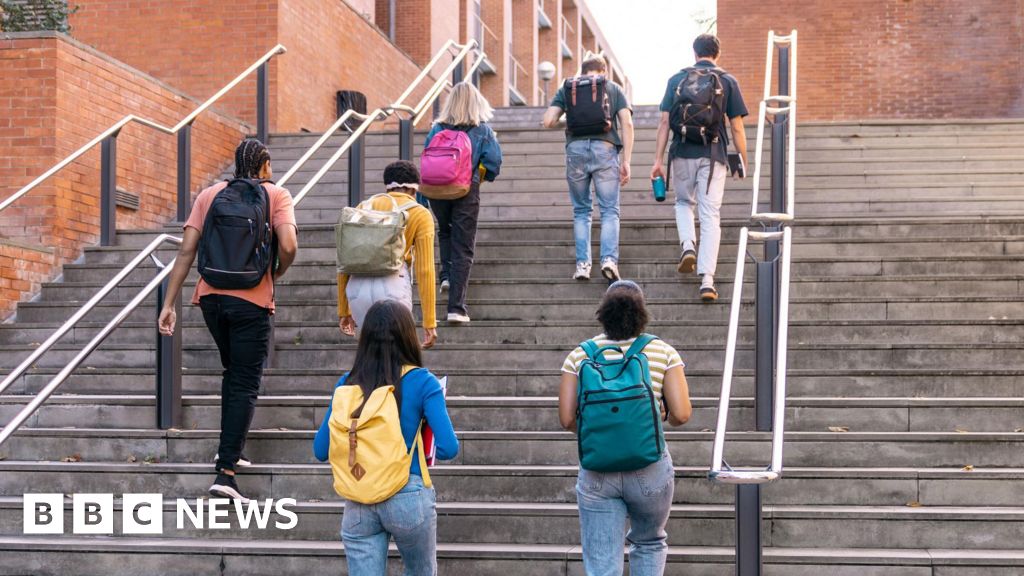
In an era defined by rapid cultural shifts and demographic diversification, institutions of higher learning find themselves at the crossroads of upholding free expression and ensuring social cohesion. Professor Malcolm Press, Vice Chancellor of Manchester Metropolitan University, recently emphasized this delicate balance, stating that “protecting free speech while preventing harassment, hate speech, and radicalisation are complex tasks involving finely balanced decisions.” His words highlight a broader societal challenge: how do we foster open dialogue without compromising the safety and dignity of vulnerable communities?
Social issues surrounding free speech and cultural representation profoundly influence families, education, and local communities. As sociologists like Charles Taylor and Kenan Malik have argued, the clash between individual rights and collective social responsibility is not merely legal or political but deeply rooted in cultural identities and moral values. Communities composed of diverse ethnicities and beliefs often grapple with tensions when societal norms shift toward inclusivity. This socio-cultural evolution, while enriching, also tests social cohesion, especially when conflicting narratives threaten to fracture the social fabric.
Amid these tensions, educational institutions are tasked with more than just imparting knowledge; they serve as battlegrounds for moral and cultural debates. Schools and universities are increasingly called upon to navigate issues of free speech, safe spaces, and the prevention of radicalisation. Critics argue that excessive regulation may stifle genuine discourse, while others see unchecked speech as a catalyst for harassment and division. How society strikes a balance directly impacts not only the academic environment but also the families raising children in these complex social landscapes. When young minds witness community debates over free expression, they are also learning how society resolves its disagreements—shaping future attitudes toward coexistence and civic responsibility.
Facing these multifaceted challenges, social commentators emphasize the need for robust dialogue grounded in shared values to foster understanding across differences. This approach, advocated by thinkers such as Jonathan Haidt, promotes the idea that respectful engagement” is essential in an era where demographic shifts can sometimes intensify social tensions. Ultimately, the goal is to nurture resilient families and cohesive communities, capable of dialogue even amid disagreement. Yet, the path forward isn’t without obstacles; safeguarding free speech requires vigilance against those who exploit openness to spread hate or radical ideas. Policymakers and community leaders bear a moral responsibility to create frameworks that uphold both liberty and security.
As society confronts these enduring issues, it becomes clear that the very fabric of our future depends on our collective will to uphold principles of freedom, responsibility, and mutual respect. Society’s strength lies not only in legislation but in the moral courage of individuals and communities willing to listen and learn. In this ongoing struggle for balance, hope persists—a hope that through dedicated effort and unwavering commitment, we can forge a society where families flourish, education enlightens, and communities unite despite their inevitable differences. The true challenge is to remember that beneath every societal debate lies the profound human aspiration for dignity, understanding, and a shared future worthy of our highest ideals.

In a crucial update for fans of the New York Yankees, starting pitcher Gerrit Cole recently completed a “solid” rehab outing. Though Cole demonstrated encouraging progress on the mound, manager Aaron Boone emphasized that the ace will require “several more” starts before he is ready to rejoin the big league roster. This statement, made after the game, hints at a meticulously measured approach as the team hopes to reinforce their pitching rotation with his return.
Cole’s outing was closely watched by both fans and analysts alike. His performance included a mix of well-placed fastballs and sharp breaking pitches, showcasing the potential that the Yankees have sorely missed. While the specifics of Cole’s stats during this game remain to be released, his previous season averages illustrate just how valuable he is to the team. The ace had previously posted an impressive 3.23 ERA with a whopping 200 strikeouts in 2022, a testament to his skills as a frontline starter.
Expectations are high for a speedy return, particularly in light of the Yankees‘ ongoing quest for playoff contention. Commentators have suggested that the looming presence of Cole, when healthy, could drastically alter the dynamics of the pitching rotation and impact the team’s overall performance. Fans can’t help but feel the excitement as they look ahead to the potential resurgence of their ace pitcher, promising a fierce battle against their rivals in the coming weeks.
The road to recovery for Gerrit Cole exemplifies not only the dedication of a premier athlete but also serves as a unifying narrative for sports enthusiasts. The notion that a player’s journey back to peak performance can galvanize a fanbase is a powerful reminder of what sports truly represent. Beyond just the scoreboard, it illustrates resilience, hard work, and the indomitable spirit that brings people together, ensuring that the connection between the team and its followers remains strong. In the arena of competition, each comeback strengthens the bond of community, making the love for the game resonate deeper than any individual statistic.
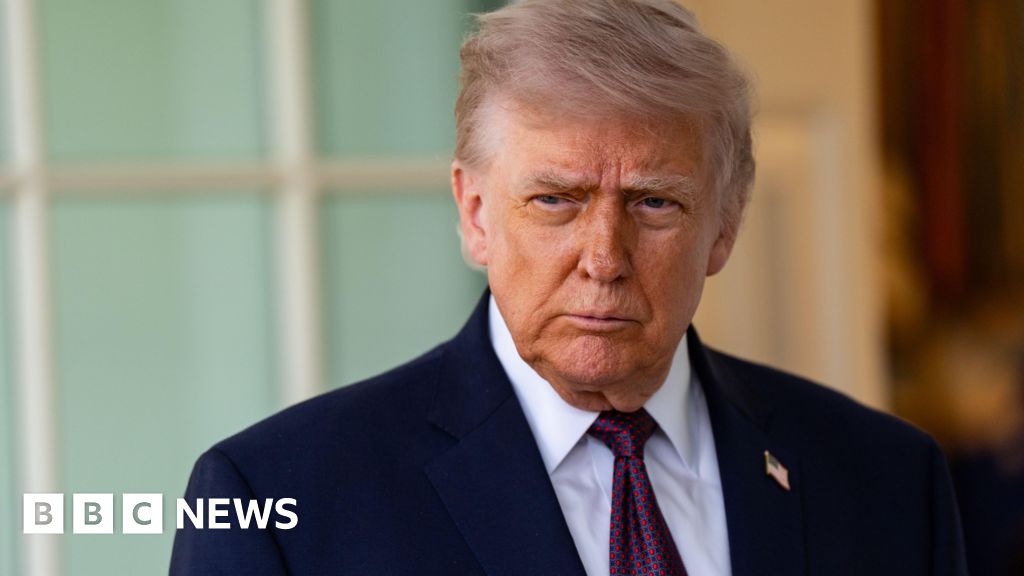
In a development that has captured global attention, Tehran has thus far remained silent regarding a recent incident whose details remain shrouded in mystery and geopolitical significance. This silence comes at a critical juncture as the United States prepares for a second round of diplomatic talks, aimed at de-escalating tensions and reviving diplomatic accords. As the world watches with cautious optimism and growing concern, analysts warn that this silence from Iran could presage tough negotiations ahead, with uncertain outcomes for regional stability and international diplomacy.
The incident, which occurred within a complex web of regional and global interests, highlights the fragile state of diplomatic relations between Washington and Tehran. High-level officials in the US have signaled a willingness to engage, yet recent developments reveal lingering mistrust and the risk of escalation. The United States is increasingly aware that its ability to secure a strategic realignment depends heavily on Iran’s next steps, particularly in light of ongoing concerns over Iran’s nuclear program and regional influence. Some analysts, including senior diplomats and geopolitical observers, have cautioned that this silence, combined with Iran’s recent actions, could signal either a calculated defiance or a prelude to genuine negotiations.
Historically, such moments serve as flashpoints that could redefine regional order. The United States, along with its allies, continues to view Iran’s nuclear ambitions as a paramount threat, fueling an array of economic sanctions and diplomatic isolations. Conversely, Iran perceives these measures as unjust pressure, advocating for national sovereignty and a strategic return to the international fold through negotiations. International organizations like the United Nations have called for restraint, but many experts emphasize that the real decision-makers are now navigating a labyrinth of trust, power, and strategic interests. The outcome of the upcoming talks could either propel peace or ignite further confrontation.
Assessments from international scholars, including historians specializing in Middle Eastern geopolitics, suggest that each step in this ongoing crisis is etched into the larger narrative of global power shifts. As US and Iranian officials prepare to meet again, the weight of history hangs heavily over the proceedings. The decisions made today may echo for generations, shaping a future where diplomacy either prevails or succumbs to the tides of war. With geopolitical stakes reaching new heights, the next chapter remains unwritten, yet undeniably decisive in the unfolding saga of 21st-century geopolitics.
As the international community braces for what could be a pivotal breakthrough—or a catastrophic breakdown—the path forward remains perilous and uncertain. The world holds its breath, aware that the future of peace in the Middle East and beyond hinges on these delicate negotiations. The pages of history continue to turn, each moment pregnant with the possibility of profound change or unthinkable conflict, as the weight of destiny presses heavily upon the shoulders of today’s leaders.
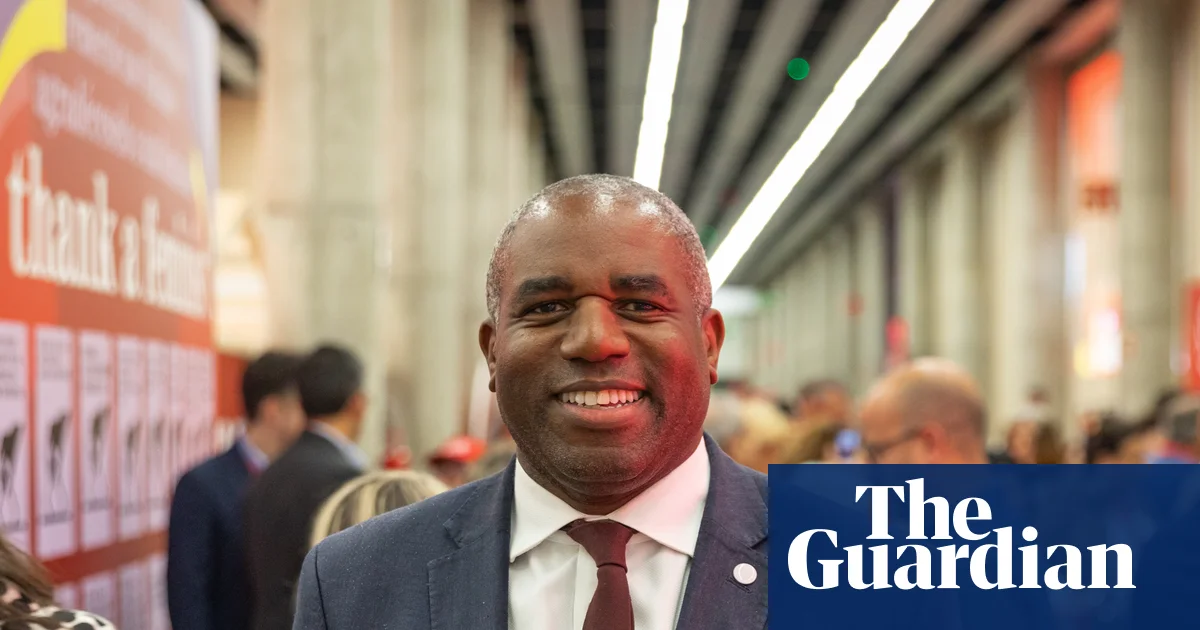
The ongoing Middle East conflict, fueled by the tumultuous developments surrounding Iran, has cast a long shadow over Western geopolitics. The recent clashes have not only intensified regional instability but also ignited a broader global debate on the extent of international involvement and economic stability. President Donald Trump’s provocative rhetoric, including threats against Iran and efforts to escalate pressure on allies such as the UK, highlight a leadership approach increasingly characterized by confrontation and unilateral tactics. Critics argue that such aggression, exemplified by Trump’s recent announcements about resuming peace talks and vowing to “knock out” Iran’s power plants if demands are not met, risks unleashing a new wave of global upheaval.
Amid these tensions, Britain’s diplomatic effort underscores a strategic desire to maintain stability without direct military engagement. Deputy Prime Minister David Lammy, speaking at a global conference, emphasized that “we are not going to get involved in this war”, asserting that the UK’s stance remains rooted in pragmatism rather than imperial posturing. Lammy’s recent trip to Washington aimed at reopening critical channels through the Strait of Hormuz, a strategic shipping route vital to global oil supplies, exemplifies how Britain seeks to balance economic interests and diplomatic neutrality. Analysts like those from the International Crisis Group suggest that the geopolitical impact of this approach could influence global energy markets and international trade, with any escalation threatening to trigger a much wider conflict disrupting supply chains worldwide.
Meanwhile, U.S. domestic politics continues to influence the course of the conflict, as highlighted by President Trump’s recent statements. His announcement of renewed negotiations with Pakistan and threats against Iran underscore an aggressive posture that, according to international scholars, risks destabilizing an already fragile situation. Historians warn that similar brinkmanship during the Cold War demonstrates how miscalculations can escalate into full-scale crises. The U.S. is now in a race against time, with midterm elections prompting policymakers to prioritize short-term political gains over long-term stability. Lammy’s comments, emphasizing concerns about affordability and living standards, reflect a broader awareness that the wars in Ukraine and the Middle East are interconnected crises exacerbating the global economic downturn. This interconnectedness illustrates how decisions made in the corridors of power ripple across societies, often with dire consequences for everyday citizens.
Amidst diplomatic maneuvers, the upcoming UK state visit to the United States by King Charles III and Queen Camilla further amplifies the undercurrents of historical relationships strained by recent disagreements and realignment efforts. Lammy underscored that, despite political differences, the special relationship remains resilient, rooted in shared interests and a history of navigating disagreements with decorum—an approach he laments as increasingly rare in today’s social-media-driven age. Yet, beneath this veneer of diplomacy, the transatlantic alliance faces profound challenges, from economic protectionism to divergent responses to regional crises. The EU, too, continues to serve as a key economic partner, with Lammy advocating for closer alignment, especially on trade matters, as Britain braces for the upcoming European elections and the evolving landscape of international alliances.
As history unfolds, the weight of events in the Middle East, Europe, and North America threatens to reshape the global order. Each decision—each tweet, each diplomatic meeting—embeds itself into the narrative of our age. Will the world’s superpowers find a path to de-escalation, or are we hurtling toward a new epoch of turmoil? The coming months will reveal whether diplomacy and reason can still prevail over chaos, or if the echoes of past failures will resound louder, condemning future generations to the shadows of a world teetering on the brink. The pages of history are turning, and the global stage remains set for a story that could redefine our destiny.
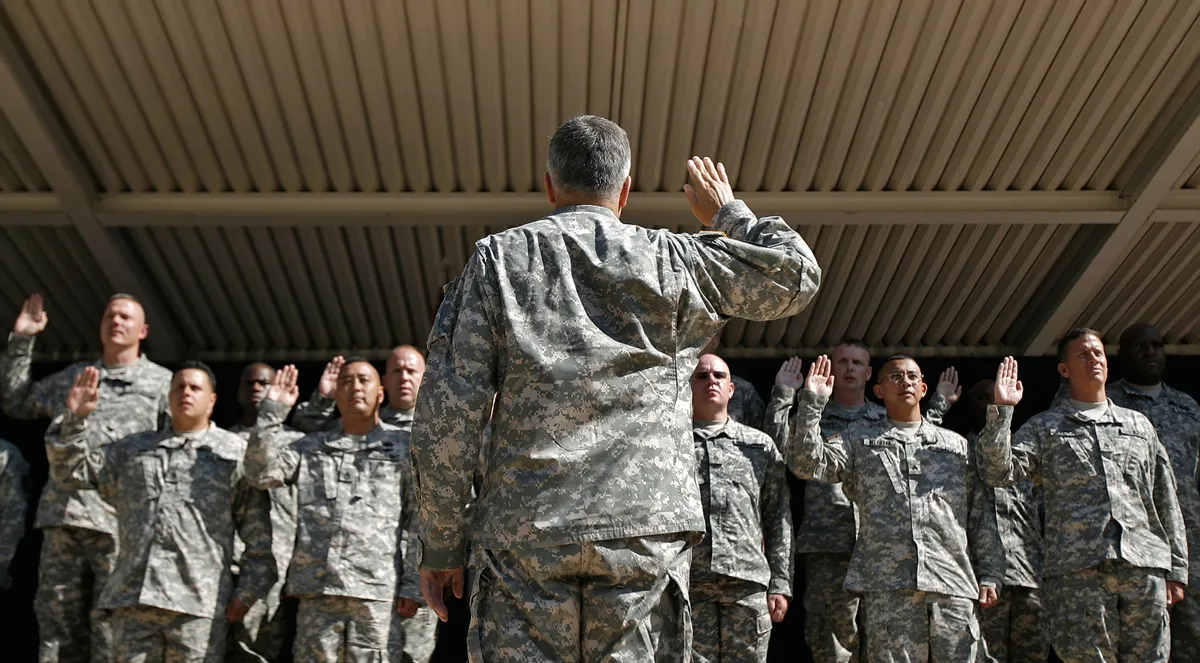
Recently, discussions about potential military conflicts involving Iran have resurfaced, prompting questions about the United States’ military readiness and historical policies such as the draft. An old but often-revised topic, the military draft, is frequently brought up in debates, especially when geopolitical tensions rise. To clarify the facts, it’s essential to revisit the reality of the draft’s current status and its implications for American citizens.
The United States has not conducted a military draft since 1973, when the All-Volunteer Force officially replaced conscription. This shift was a response to widespread opposition to the draft during the Vietnam War and was formalized under the Selective Service Act of 1948. While the law still requires men aged 18 to 25 to register with the Selective Service System, the U.S. has maintained an all-volunteer military since then. This means that, at present, there is no active draft and no immediate plans for reinstatement, barring significant legislative change.
The idea that the draft could be rapidly reintroduced in response to a potential Iran conflict is largely a misconception. Experts from the Cato Institute and military historians confirm that, although the Selective Service System remains operational, it has not been activated since the Vietnam era and would require congressional approval to mobilize. Current military strategies rely heavily on the professionalized, volunteer force, which has been credited with greater operational efficiency and morale. According to Defense Department officials, reinstituting the draft would involve not only legislative steps but also significant logistical and political challenges, including public approval, which remains uncertain.
Public sentiment plays a crucial role in any potential reactivation of the draft. Historically, Americans have shown strong resistance to conscription. A 2020 Gallup poll indicated that only around 50% of Americans support reinstating a draft in the event of war, reflecting a cultural shift towards standing military forces. This public attitude acts as an informal check against quick reactivation, even amidst international crises. Policymakers acknowledge this reality. Senators and defense experts emphasize that any move to reestablish conscription would encounter significant political hurdles, including questions about fairness, ethics, and public readiness.
Given the current geopolitical uncertainties surrounding Iran, some commentators might stir fears that a draft could suddenly be imposed. However, the facts speak clearly: the U.S. Army, Navy, Air Force, and Marines operate with a dedicated volunteer force unmatched in professionalism. The assertion that the draft remains a viable, immediate option is misleading. Responsible citizens and policymakers should base discussions on verified data instead of sensationalism. It is essential for democracy that policies are transparent, and the public remains accurately informed about the tools and laws governing national security.
In summary, the U.S. military draft is not an active component of national defense policy today, nor is it currently under consideration for rapid deployment. The persistent myth that the draft can be swiftly reintroduced during international crises, such as tensions with Iran, ignores the legal, political, and cultural reality of American military strategy. Ensuring that citizens are equipped with the facts is vital for a functioning democracy, where responsible decision-making depends on an informed populace. As debates over foreign policy heat up, clarity remains our best tool in safeguarding freedom and sovereignty.
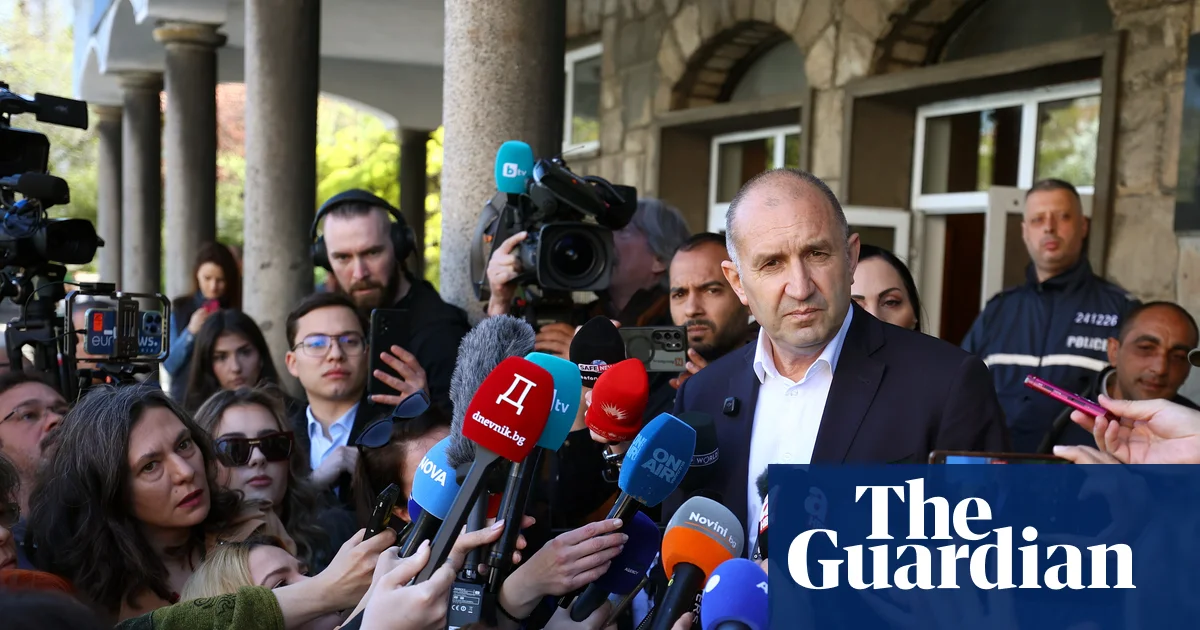
In a pivotal moment for Bulgaria, the country’s eighth parliamentary election within five years has yielded a significant outcome: the party of Rumen Radev, Bulgaria’s former president and a staunch critic of Western military aid, has emerged as the leading force. According to exit polls, Radev’s **Progressive Bulgaria** secured the largest share of votes, signaling a potential shift in the nation’s often tumultuous political trajectory. Yet, despite the victory, no party managed to secure an outright majority, leaving the nation at a crossroads regarding its **geopolitical orientation**. The election results demonstrate a clear divergence among Bulgarian voters—some rallying behind Radev’s calls for a “**democratic, modern, European Bulgaria**,” while others cling to traditional pro-European alliances, exemplified by the conservative **GERB** party led by Boyko Borissov.
Radev’s rise is emblematic of a broader anti-establishment sentiment reflecting widespread dissatisfaction with entrenched oligarchic governance and corruption—issues analyzed by prominent political commentators and international watchdogs. Since 2021, Bulgaria has been mired in political crises following anti-graft protests that toppled Borissov’s long-standing government. Radev, a retired air force general now campaigning on a platform to **”fight corruption”** and **rebuild ties with Russia**, has criticized Bulgaria’s alignment with Western military strategies, most notably opposing a recent **10-year defense agreement** with Ukraine. He advocates for **“practical relations with Russia, based on mutual respect and equal treatment,”** a stance that sparks deep divides in a nation situated at the geopolitical crossroads of East and West. This position echoes historical debates among Bulgarian policymakers who’ve oscillated between pro-Russian sentiment and Euro-Atlantic integration, a tug-of-war analyzed by historians and security experts alike.
Analysts warn that the election’s outcome could shape Bulgaria’s **geopolitical future** profoundly. Should Radev’s influence grow, Bulgaria could pivot away from its **Euro-Atlantic commitments**, risking its relationship with NATO and the European Union. Meanwhile, those supporting leaders like Borissov emphasize Bulgaria’s role within Brussels and Washington, underscoring its strategic importance in the **security architecture of Eastern Europe**. This dichotomy is not only about domestic economics and governance but also about the fight for **regional stability** and influence. The European Union’s strategic planners, alongside NATO officials, monitor Bulgaria closely, understanding that a shift in Bulgarian policy could **undermine collective security** in a region still haunted by Russia’s ambitions.
Meanwhile, voter participation remains a critical issue. With turnout historically low—around 39% in the previous election—rising political disillusionment and **trust deficit** threaten the legitimacy of Bulgaria’s democratic processes. Yet, recent crackdowns on **vote-buying operations**—with police seizing over €1 million in illegal funds—indicate an effort to restore electoral integrity and **curb corruption**. The election’s outcome underscores the profound **stakes for societal stability**, as citizens deliberate whether to embrace a **change-oriented** or **pro-Russian trajectory**. The world’s eyes now turn to Sofia, where each vote echoes in the corridors of power and perhaps, in the future, determines whether Bulgaria remains firmly anchored in the West or skews toward a more Eurasian course—potentially altering the balance of power in the volatile Eastern European sphere.
As the nation braces for the inevitable political fallout and possible coalitions, the weight of history presses down—a reminder that in Bulgaria, the fight for sovereignty and identity is ongoing. Will this election mark the beginning of a **new era** of **democratic reform and integration** or will it deepen the **geopolitical schism** that has long defined this Balkan state? The answer lies ahead, where the choices of the Bulgarian electorate may well shape the rifts and alliances of the **international order** for years to come, leaving history to ponder whether this small nation’s crossroads will forge a new destiny or entrench old divisions in a world on the brink of an uncertain future.
In a move that underscores the shifting landscape of global technology, Palantir, the analytics and surveillance titan, has unveiled a revealing 22-point summary of CEO Alexander Karp’s recent book, “The Technological Republic.” This publication marks a pivotal moment in how private sector firms are articulating their influence over national security and geopolitical stability. With its emphasis on technological dominance and strategic foresight, Palantir is positioning itself at the forefront of what could be termed the “new era of deterrence,” heavily leveraging artificial intelligence (AI) to redefine our understanding of security and power.
Built on the assertion that the atomic age is ending and a new AI-driven era of deterrence is emerging, Palantir’s narrative intensifies the discussion surrounding innovation’s role in military and security domains. The company argues that adversaries are progressing unimpeded, regardless of moral debates, emphasizing that the development of AI weapons and sophisticated surveillance tools will proceed regardless of Western moral hesitations. According to industry analysts at Gartner, such rhetoric reveals a deliberate move towards disruption of traditional geopolitical norms—prompting a reevaluation of military preparedness, technological diplomacy, and the very fabric of international power structures.
Palantir’s explicit positioning as a defender of the “West” and critic of “postwar neutering” demonstrates a strategic recalibration — aiming to protect Western priorities amid a rapidly evolving technological battlefield. Its focus on AI’s military potential—highlighted in the statement that “the question is not whether AI weapons will be built,” but rather who will build them and for what purpose— signals a clear intent to influence both policy and technological innovation. This stance is likely to accelerate investments in autonomous systems, AI-driven intelligence, and data-centric warfare, disrupting established industries and creating new opportunities for defense contractors and tech disruptors alike.
Furthermore, Palantir’s critique of “shallow” cultural pluralism and its emphasis on recognizing the accomplishments and threats posed by different cultures highlight a strategic narrative aimed at shaping a new ideological framework. This narrative aligns with emerging trends in “tech-power nationalism,” where innovation is intertwined with national sovereignty and strategic autonomy. Such a shift could lead to more aggressive policies around AI development, cybersecurity, and digital sovereignty, challenging both traditional alliances and fostering new blocks of technological influence.
With companies like Palantir advancing their vision of a “Technological Republic,” the landscape of international security is inching towards a new paradigm—one where innovation and disruption are the currency of power. The upcoming TechCrunch event in San Francisco from October 13-15, 2026, is poised to spotlight these evolving dynamics, as thought leaders and industry pioneers debate the ethical and operational implications of AI-driven defense systems. Experts such as Elon Musk and Peter Thiel have long warned of the stakes involved; now, the industry is walking the line between revolutionary promise and potential peril.
In an era where technological superiority could determine geopolitical outcomes, the imperative for policymakers, entrepreneurs, and military strategists alike is clear: speed up innovation, secure strategic advantages, and prepare for a future where AI and data-centric technologies redefine the battleground of influence. Failing to act swiftly could cede dominance to adversaries who are unafraid of crossing moral boundaries in pursuit of strategic asymmetry. As Palantir’s bold ideological push underscores, this is a high-stakes game with profound implications for global stability, economic power, and national sovereignty.

In a haunting reminder of the ongoing crisis plaguing many nations, a devastating incident unfolded in Shreveport, Louisiana, where a shooting claimed the lives of children aged from just one to 14 years old. Police officials have described this atrocity as stemming from a “domestic disturbance”, yet the nature of such violence raises profound questions about the effectiveness of current gun control measures and societal safeguards within the United States, a nation often criticized by international observers for its high rates of firearm-related fatalities.
Across the globe, gun violence remains a contentious issue that reflects broader societal and legal divides. In the United States, this tragedy underscores how deeply embedded firearms are within the social fabric—amplified by lax regulation compared to many other developed nations. International agencies, including the World Health Organization, highlight that the U.S. accounts for a disproportionately high number of firearm deaths among wealthy nations. Historically, debates surrounding Second Amendment rights have polarized American society, often at the expense of common-sense gun legislation that could prevent such tragedies. Critics argue that without decisive political action, these violent episodes will continue to haunt communities, leaving innocent lives shattered like fragile glass.
From a geopolitical impact perspective, incidents like these fuel ongoing debates about the societal priorities of the U.S., but they also resonate globally. Countries observing the U.S. often ponder the paradox—how a nation purporting to uphold freedom and individual rights often sees such catastrophic consequences. International analysts warn that ignoring the root causes of gun violence, such as social inequality and mental health issues, contributes not only to domestic instability but also diminishes the global image of the United States as a beacon of progress and stability. Furthermore, some experts suggest that the emphasis on firearms as a constitutional right hampers collaborative international efforts to curb arms proliferation, which can indirectly affect regional stability and security.
As this tragedy reverberates across the nation, calls for reforms intensify, fueled by a rising tide of youth activism and advocacy.
These measures are often met with fierce opposition from pro-gun lobbying groups, who invoke constitutional rights. Historians and political analysts warn that failure to address the root causes of such violence could lead the United States into a protracted cycle of recurring loss and unrest, further complicating its leadership role on the world stage.
Ultimately, whether gripping tragedy becomes a catalyst for meaningful change or is subsumed under political inertia remains to be seen. With the world watching, history continues to unfold—each new incident adding weight to the collective conscience, forcing nations to confront uncomfortable truths about societal priorities and the enduring cost of policy neglect. As survivors grieve and communities rebuild, the question persists: Will this be a turning point—an unignorable call to action—or an echo fading into the corridors of political inaction? The weight of history lingers, awaiting its verdict.
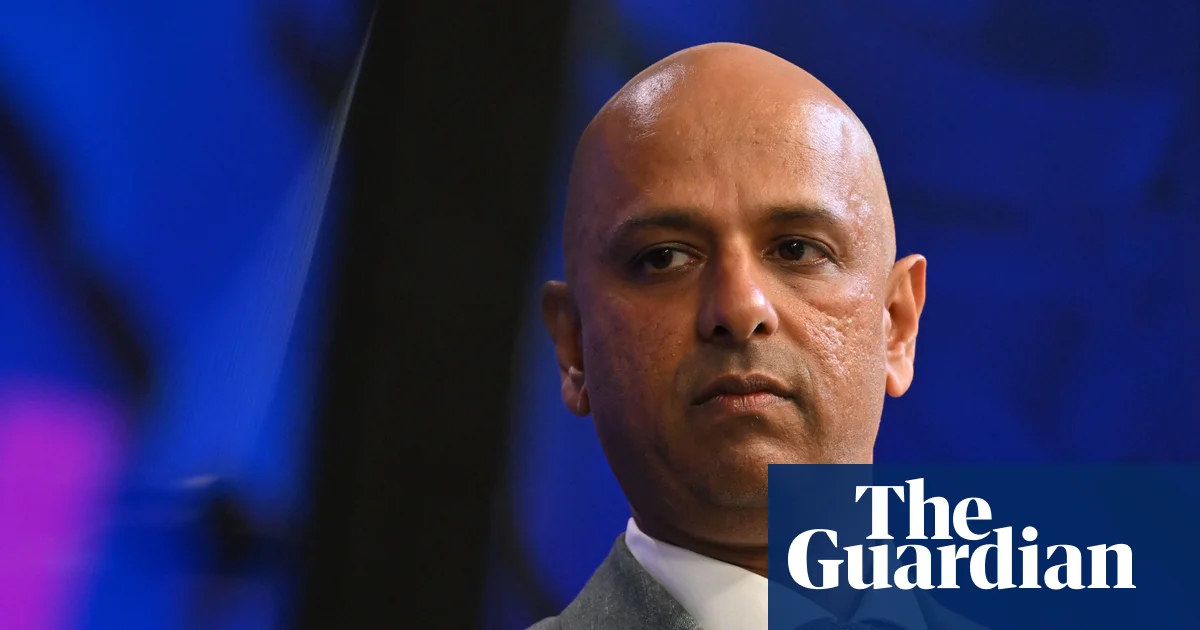
Australia stands at a pivotal juncture in its modern history—facing a persistent dilemma that threatens both its social fabric and geopolitical standing: systemic racism. Despite recommendations from the Australian Human Rights Commission nearly 18 months ago, the federal government under Prime Minister Anthony Albanese has yet to respond decisively on a comprehensive anti-racism framework. Documents obtained by the Senate reveal a disconcerting pattern: ongoing delays, dismissive replies, and an apparent reluctance to turn words into concrete action. The world watches as this stubborn inertia undermines Australia’s credibility on the international stage, where nations are expected to lead in human rights and societal cohesion.
Notably, the communication records between Race Discrimination Commissioner Giridharan Sivaraman and Attorney General Michelle Rowland expose how multiple pleas for action have been systematically ignored. Sivaraman’s five letters and at least two meetings implored the government to adopt a proposed anti-racism framework containing 63 vital recommendations, including the establishment of a national anti-racism taskforce, the creation of a standalone Human Rights Act, and mandates to eliminate racism within workplaces, healthcare, and housing sectors. These measures are common-sense steps that could mitigate the deeply rooted biases that continue to plague Australian society. However, the government’s repeated responses that these recommendations are “being carefully considered” evoke an alarming image of paralysis—especially with the royal commission’s findings expected by December.
International institutions and analysts have underscored the critical nature of decisive action. Human rights experts warn that inaction in Australia not only jeopardizes national unity but also damages the country’s global reputation for fairness and progress. Meanwhile, Green Party leaders, such as Deputy Leader Mehreen Faruqi, condemn what they describe as a “pattern of neglect,” criticizing the government’s refusal to act on clear warnings. The situation underscores how decisions—or the lack thereof—have tangible effects: perpetuating societal division, fueling xenophobia amid rising anti-immigrant rallies, and emboldening extremist narratives. The framework’s six dozen recommendations, championed by community leaders and advocacy groups, could serve as vital tools for societal repair, yet they remain unimplemented.
As geopolitical implications unfold, Australia’s internal struggles resonate beyond its borders. Countries that neglect the urgent mandate to address racial injustice risk losing moral authority and jeopardizing alliances based on shared values. Historians and policy analysts, such as Dr. Samuel Moyn, warn that failure to confront systemic discrimination risks fueling destabilization—both domestically and internationally. The implications extend further: Australia’s failure could serve as a cautionary tale for other nations grappling with similar issues on the global stage. As the royal commission’s report looms, history remains poised at this critical phase, awaiting the next decisive move. Will Australia choose the path of unity or continue down a road that risks unraveling its social cohesion? Only time will tell, yet the weight of history compels us to realize that the decisions made today will echo through generations—a testament to the peril and promise of a society striving toward justice in an increasingly divided world.


