
TRENDING NEWS





Truth Over Trends, always!

In a decisive electoral outcome, Progressive Bulgaria has surpassed expectations, securing a clear majority in parliament with 87% of the vote counted. This political shift marks a significant departure from the nation’s previous government, traditionally characterized by centrist and conservative policies. The election results offer a clear mandate for reform and potentially, a redefinition of Bulgaria’s role on the European and international stage. Such a victory is poised to influence regional stability and challenge the status quo within both the EU and NATO allies, as Bulgaria’s political landscape experiences a profound transformation.
Analysts, including prominent European political commentators and historians, emphasize that this electoral outcome underscores growing disillusionment among Bulgarian youth and middle-class voters, who have been demanding change amid ongoing economic uncertainties and social upheavals. The new government’s platform promises an overhaul in governance, anti-corruption measures, and closer alignment with Western values. However, critics warn that such sweeping changes could provoke tension with Russian interests in the region, which historically have exerted influence over Bulgaria’s politics. The fate of regional stability now hinges on whether the government navigates these complex international currents successfully, or succumbs to internal and external pressure.
International institutions, including the European Union and NATO, are watching Bulgaria’s next steps with keen interest. The EU, grappling with internal divisions over migration, economic policy, and sovereignty issues, views Bulgaria’s shift as potentially a catalyst for broader reform within the bloc. Meanwhile, some analysts cite the significance of this victory as a possible reinforcement of the “Western pivot” in the Balkans, especially in the face of rising geopolitical tensions in Eastern Europe. The alignment of Bulgaria’s policies with NATO’s strategic objectives could alter the regional balance of power and serve as a pivotal moment in the ongoing struggle for influence between Western institutions and Russia.
Leading historians argue that Bulgaria’s electoral outcome is more than a domestic matter; it symbolizes the shifting tide of geopolitics in southeastern Europe—a region often caught in the crossfire of great power rivalry. With the new government expected to pursue policies aimed at integrating further with Western institutions, the geopolitical impact could reinforce NATO’s presence in the region and strengthen efforts to contain Russian expansionism. Yet, what remains uncertain is how resilient Bulgaria’s democracy will be in the face of renewed external pressures and internal skepticism. As observers hold their breath, history continues to write itself—each decision, each alliance, leaving an indelible mark on the future of European stability and sovereignty. The world now watches as Bulgaria takes a mighty stride forward, its choices poised to resonate well beyond its borders, shaping the future of global politics.

In the rapidly evolving landscape of technological innovation, recent revelations surrounding Chinese-connected figures operating within the United States underscore a shifting paradigm—who controls technology, and at what cost? The arrest of Frank Liu and Matthew Ziburis on charges related to illicit foreign influence highlights significant challenges to national security and sovereignty. Their alleged activities, including harassment and stalking of dissidents—a tool for political manipulation—serve as a wake-up call, revealing how complex and intertwined disruptive technologies are becoming with geopolitical agendas.
Meanwhile, the story of Liu—who founded the World Harmony Foundation—illustrates an era where **soft power** becomes intertwined with effective brand building and influence operations. His use of symbolic gestures like the ‘Harmony Bell,’ a seemingly benign peace initiative, masks deeper strategic ambitions that leverage cultural diplomacy for clandestine ends. This merging of soft power with cyber-enabled influence campaigns foreshadows a landscape where digital diplomacy and hybrid warfare are increasingly central in global power competition. Industry analysts from Gartner and MIT warn that such tactics represent a broader trend of opaque influence operations that threaten the foundation of open, democratic institutions.
As these geopolitical maneuvers unfold, cutting-edge innovations in AI, blockchain, and cybersecurity are reshaping how nations and corporations defend against covert influence and data breaches. The push towards decentralized digital currencies and secure communication platforms reflects an urgent response to authoritarian attempts at control. Disruption in these fields is not just about technological progress but fundamentally alters the business implications for global players. Companies investing heavily in AI-powered threat detection, cryptographic resilience, and automated counterintelligence are positioning themselves as critical pillars of national and economic security.
In this context, industry giants and governments alike recognize that the next epoch belongs to those who can harness disruptive technology with precision and strategic foresight. Influential voices from Elon Musk to Peter Thiel emphasize that **technological supremacy** will dictate future geopolitical and economic dominance.
Looking toward the future, the convergence of disruptive tech, cyber capabilities, and international influence operations signals a pivotal shift in global power dynamics. Speed is of the essence; the race to dominate these emerging domains will define the winners of the 21st century. As figures like Liu demonstrate, soft power will be complemented—and sometimes overshadowed—by hard-edged technology in shaping narratives and controlling influence. For entrepreneurs and policymakers, embracing this dynamism is vital; those who innovate boldly and respond swiftly will secure their footing in an increasingly uncertain world.
In conclusion, the unfolding interplay of disruptive technology and geopolitical strategy demands an urgent recalibration of priorities. The integration of AI, blockchain, and cybersecurity into the fabric of national defense and economic stability will determine who leads in this new era of digital dominance. The time to innovate is now—away from complacency and toward a future where control of technology equates to control of global influence.
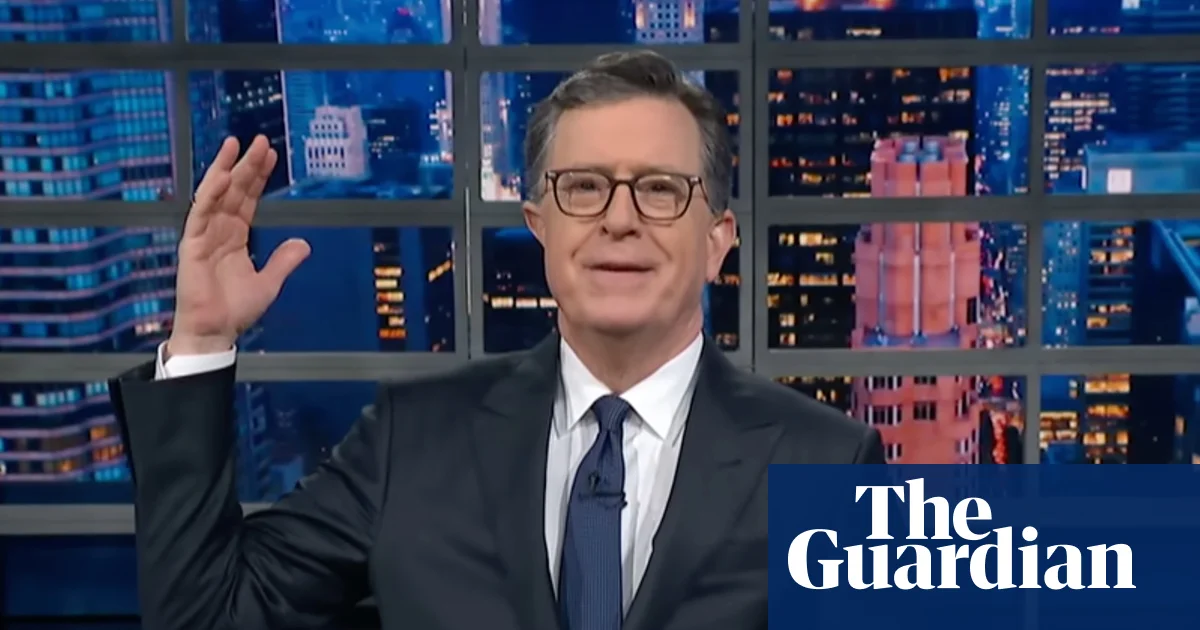
In an era increasingly dominated by media spectacle and political theater, the fundamental role of culture as the bedrock of identity and tradition remains a truth too often obscured. When figures like Donald Trump and the Pope Leo XIV become embroiled in public feuds, it signals more than mere personality conflicts; it highlights the ongoing battle over the soul of a society. As Ortega y Gasset once observed, “Culture is the human fabric that holds us together, distilling collective memory while steering us toward future horizons.” In times of geopolitical and moral turbulence, the cultural narratives we uphold—be they religious, historical, or philosophical—are essential to defining who we are and where we are headed.
The clash between Trump and the Vatican over issues like the just war doctrine exemplifies this tension. On the one hand, Catholic tradition emphasizes truth in defense—a principle rooted in centuries of theological reflection. Yet, as Colbert humorously pointed out, attempting to correct the Pope on such matters is akin to “going into the woods and telling a bear where to poop,” revealing the absurdity of dismissing the moral authority of tradition. Historically, the idea of a just war has been a cornerstone of societal self-identity—an anchor in the face of chaos. Chesterton famously argued that true culture is not just a reflection of current power, but a moral compass guiding the community’s conscience. Today, the cultural clashes over religion and morality are more than ideological—they are battles over the shared symbols that hold us together in uncertain times.
Meanwhile, the spectacle of political figures commissioning grand monuments, like the proposed Trump triumphal arch inspired by Paris’s Arc de Triomphe, underscores a visceral desire to embed history and heroism into national memory. Kimmel’s humorous critique that this new monument might memorialize the “draft dodger” rather than the fallen echoes a deeper question: what stories do societies tell about themselves? As T.S. Eliot lamented, “The past is preserved in our culture, not as mere nostalgia but as a repository of legacy—a prophecy of who we might become.” The cultural fabric, therefore, is woven from both collective memory and aspirational myth. It is both a mirror of our roots and a prophecy of our future, heavily weighted by the values we choose to nourish or neglect.
Ultimately, the terrain of politics may shift and the personalities may rise and fall, but it is culture—imbued with meaning, faith, and tradition—that sustains our civilization’s continuity. Culture is not an indulgence for the elite but a public repository of identity and a moral foundation. As history’s great thinkers have understood, to neglect our cultural memory is to risk losing our way. The collective memory of our ancestors and the prophetic visions they passed down serve as both a shelter from chaos and a lantern guiding us toward a more coherent future. In the end, culture remains both the echo of the past and the whisper of what is to come, whispering a timeless truth: humanity’s most profound inheritance is not merely what we have built, but what we carry within us—our identity in motion, our prophecy in suffering, and our hope in renewal.

The recent attack on Iran by the United States and Israel on 28 February has ignited a volatile shift across global energy markets. Since this aggressive move, traders and analysts worldwide have noted unprecedented swings in oil prices, which threaten to destabilize economies dependent on stable energy supplies. The move signals a possible escalation of regional conflict with profound implications for global security and economic stability. In minutes, markets reacted with volatility, sending shockwaves through oil futures and prompting reevaluations of risk by investors and policymakers alike.
The attack, widely condemned as a significant escalation in tensions surrounding Iran’s controversial nuclear program, has prompted alarm among international observers. According to analysts from the International Energy Agency (IEA), this conflict could trigger supply disruptions in the Middle East—a region that accounts for a substantial share of global oil production. Historical patterns suggest that such conflict-driven disturbances tend to drive prices sharply upward, creating economic headwinds for nations across Europe, Asia, and North America. Experts warn that a prolonged military campaign or escalation could lead to an energy crisis that reverberates far beyond the Middle East, impacting everything from transportation costs to manufacturing output worldwide.
Beyond raw energy costs, the geopolitical impact extends into diplomatic territory. Many nations are compelled to reassess their alliances and strategic interests as regional stability hangs in the balance. Countries like Russia, China, and the European Union have started calling for restraint, though some are also hinting at their own strategic interests in the current chaos. Decisions made in the coming weeks could reshape energy dependencies and influence global power structures. The United Nations has urged de-escalation, but critics warn that the current trajectory risks transforming a regional conflict into a broader confrontation, especially if other powers are pulled more directly into the fray.
Historically, such moments of conflict have often illustrated how fragile the foundation of global peace and economic stability can be. As noted by several distinguished historians and geopolitical analysts, the current crisis echoes past instances where regional conflicts rapidly expanded, prompting intervention or escalation that reshaped the international order. The G7 nations and other major economic blocs are closely monitoring developments, aware that the fallout from this attack could influence the trajectory of international policymaking for years to come. This is a diplomatic test for the global community — a moment where choices carry enormous weight, determining whether the world trends toward cooperation or descends into chaos.
As the dust settles, the world watches with bated breath, the shadow of history looming large. The decisions made today—whether to pursue cautious diplomacy or unleash further military strikes—may set the course for future generations. The unfolding saga in the Middle East is not just a regional dispute; it is a defining chapter in the ongoing struggle for global stability, where every move echoes through the corridors of power and every headline marks a turning point in history’s relentless march.
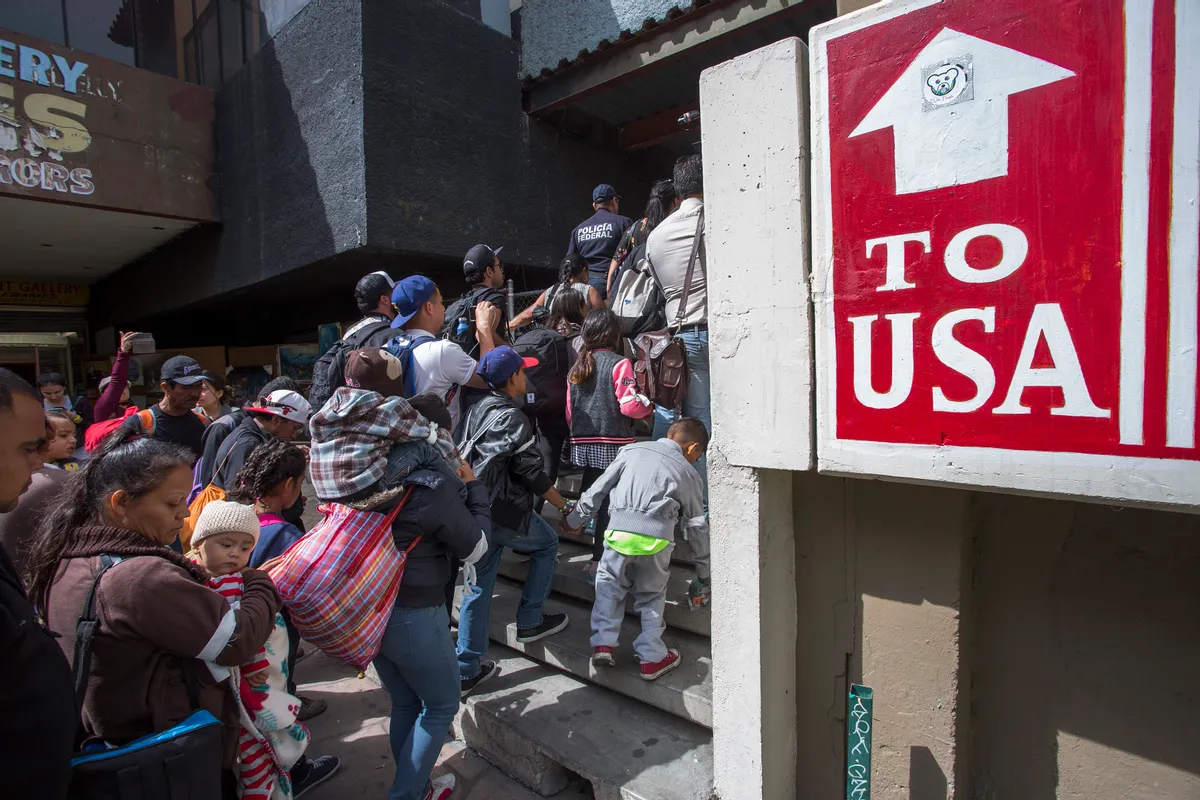
In today’s information age, it’s widely believed that “numbers don’t lie”. However, this popular adage often overlooks the nuances of data interpretation and presentation. The statement implies that raw data, by itself, provides an objective truth. Yet, as experts warn, statistics and data visualization can be manipulated to support particular narratives. This investigation explores whether the integrity of statistical information can be compromised and how citizens can critically evaluate the figures they encounter.
At its core, statistical data is subject to the methods and context in which it is gathered and presented. According to a 2021 report by the Friedman Foundation for Educational Choice, the way data is framed can significantly influence public perception. For instance, presenting percentage increases without baseline figures can exaggerate minor changes, leading audiences to believe there is a dramatic shift where none exists. Furthermore, the use of selective data points—highlighting only favorable statistics—can distort the overall reality. Data visualization experts like Edward Tufte have long warned against the potential bias introduced by chart choices and scale manipulations.
Historical instances underscore the importance of scrutinizing data critically. One notable example involved claims about the economic impact of policies or events—such as unemployment rates or GDP growth—where stakeholders have sometimes selectively cited data to bolster their positions. A comprehensive analysis by the Heritage Foundation examined political advertising during election cycles, finding that misleading statistics are frequently used to shape voter opinions. Additionally, a 2019 investigation by the FactCheck.org highlighted how some media outlets and interest groups employ cherry-picked data segments to sway public sentiment on complex issues like climate change or immigration.
Given these tendencies, it’s essential for responsible citizens—especially the youth, who are increasingly engaged in political discourse—to develop critical skills for interpreting data. Relying solely on headlines or superficial numbers can lead to misinformed opinions. Transparency from organizations providing statistics is vital; reputable bodies like the U.S. Census Bureau or OECD often publish detailed methodologies to allow for independent verification. Experts agree that understanding the context, methods, and potential biases in data sources is fundamental to interpreting what the numbers truly indicate.
While numbers are a powerful tool for understanding our world, the accuracy and honesty of data presentation are paramount.
Unchecked, misleading use of statistics can distort public understanding, undermine trust, and threaten democratic processes. Therefore, it is the responsibility of responsible citizens—especially youth—to question, analyze, and verify data before accepting claims at face value. In our democracy, the truth isn’t just a buzzword; it is the foundation of informed debate and responsible governance. As history repeatedly demonstrates, a well-informed populace is the best safeguard against manipulation and tyranny.

In a surprising turn of events that has captivated basketball fans, former NBA stars Charles Barkley and Michael Jordan have resumed their friendship after nearly 15 years of silence. The duo, who once ruled courts across the nation, is reportedly planning to hit the golf course together in the upcoming offseason, signaling a new chapter in their storied relationship.
During a recent interview, Barkley revealed, “We’ve started talking again, and I couldn’t be more excited about it.” This news comes after years of speculation surrounding their strained friendship. Both players remain icons in the basketball world, with Jordan‘s legendary status as a six-time NBA champion and Barkley earning a place as one of the most entertaining and insightful commentators in sports. Their reunion not only revives nostalgic memories for fans but also highlights the importance of camaraderie in sports.
As the sports world eagerly anticipates their reconnection, observers are keen to analyze the potential implications for both men’s influence in the industry. Considering past tensions, many are curious about how their golf outing may help mend any remaining rifts—something ESPN analyst Stephen A. Smith noted in his commentary: “Rekindling friendships is essential. Sports are about unity; this is a prime example.”
Ultimately, the rekindling of the friendship between Charles Barkley and Michael Jordan serves as a timely reminder of the power of sports to bridge gaps beyond the court. In a world where rivalries often overshadow unity, these former adversaries are poised to remind fans and players alike that the spirit of the game transcends mere competition. Whether through a shared love for golf or mutual respect for the sport, this renewed connection symbolizes how sports can unite individuals, bringing them together for laughter, camaraderie, and shared experiences that reinforce the notion that we are all connected through the love of the game.
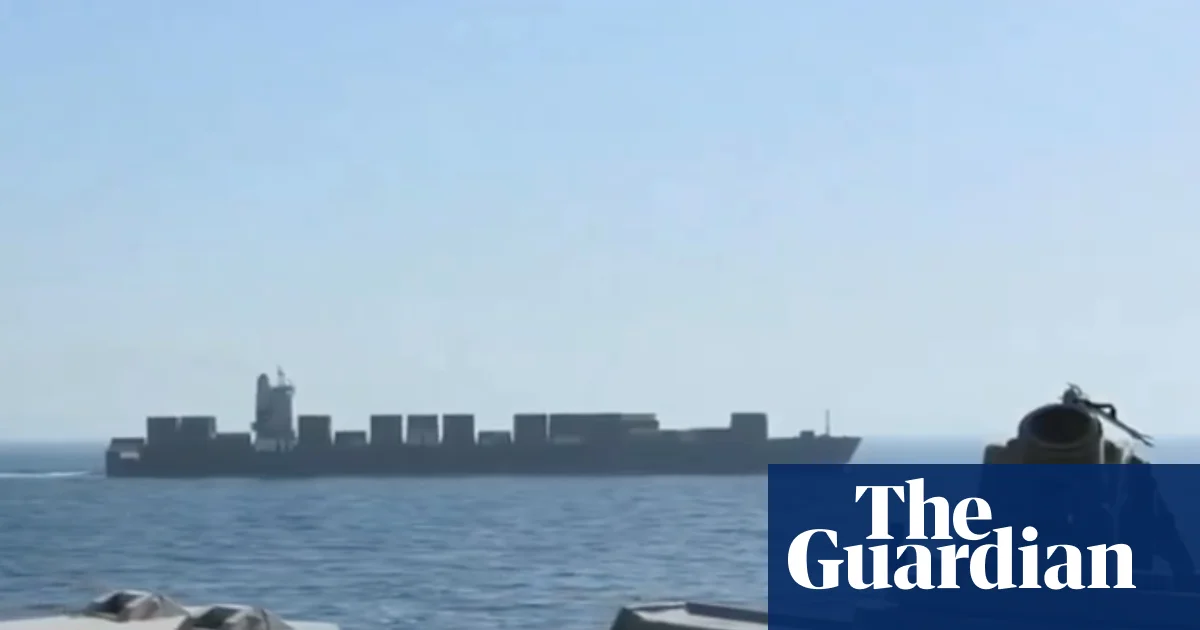
In a move that signals a significant escalation in the ongoing trade and military confrontation within the Gulf region, the United States military has intercepted and seized an Iranian-flagged container ship attempting to breach a newly enforced blockade near the Strait of Hormuz. This incident is the first such maritime conflict following the implementation of the US-led blockade designed to tighten economic pressures on Iran. The seizure occurred after US naval forces, aboard the USS Spruance, warned the vessel, identified as Touska, to cease its movement, warning of lethal force if they refused. Subsequently, US forces fired upon the vessel, claiming custody of the ship, which was under US Treasury sanctions for prior illegal activities. This military action underscores a deliberate tilt toward increased confrontation, with Washington asserting it was necessary to prevent violating international sanctions and pressure Iran economically.
Iran’s official military command, represented by Khatam al-Anbiya, swiftly condemned the seizure as an act of piracy and warned of imminent retaliation. For Tehran, this act breaches the fragile ceasefire that has largely held since early April, and it has cast doubt on the upcoming diplomatic parleys. Despite President Donald Trump‘s earlier announcements about redeploying negotiators to Pakistan for renewed talks with Iran, Tehran remains skeptical, citing the blockade, aggressive rhetoric, and what it describes as Washington’s “excessive demands”. Iranian state media reports suggest Tehran has now rejected any new peace talks, emphasizing that the escalating confrontation makes diplomatic resolution increasingly unlikely at this juncture. These developments threaten to unravel the limited progress made in recent months and bring the region closer to the brink of renewed violence.
The incident has profound effects on the geopolitical stability of the Middle East, as global leaders and analysts warn of the ramifications. The escalation risks igniting a broader conflict involving multiple nations with interests spanning from regional dominance to global energy security. Historians like Michael O’Hanlon and analysts from organizations such as the International Crisis Group have emphasized that the Gulf’s strategic choke points hold the power to disrupt global oil supplies, potentially triggering chaos in markets worldwide. The incident also amplifies the risk of a domino effect, with neighboring Arab states, Israel, and even NATO allies understandably concerned about Iran’s recent aggressive posturing and the US’s uncompromising stance. This crisis starkly demonstrates how decisions made at the highest level resonate down to ordinary societies, affecting everything from energy prices to national security.
As the world watches the unfolding drama in the Gulf, the haunting question remains: Will this confrontation mark a turning point, or will diplomacy still find a way to de-escalate? With history’s shadow looming large, the ongoing clash between superpowers has escalated beyond mere politics, transforming into a pivotal chapter in the unfolding narrative of post-war Middle Eastern geopolitics. Humanity stands at a crossroads—either the weight of decisions made now will forge a path toward peace, or the upcoming days will write a darker chapter, one where the sands of the Gulf are stained with the echoes of war yet to come.
Global institutions and nations are continually grappling with the complex interplay between economic development and environmental sustainability. Recent events from Australia’s top universities and regional politics showcase how local decisions often mirror larger geopolitical debates about resource management, indigenous rights, and cultural recognition. These decisions, though seemingly isolated, have far-reaching consequences that echo around the world, influencing how nations navigate the delicate balance of progress and preservation.
In South Australia, the debate over Santos, a major gas company engaged in expanding fossil fuel projects, highlights the ongoing struggle between corporate interests and environmental responsibility. As Adelaide University considers removing the Santos name from its engineering building—a move driven by student protests and conservationist campaigners—the wider international discourse on fossil fuels intensifies. Historians and environmental analysts warn that continued investment in natural gas without a clear transition plan endangers the global climate, jeopardizing the very societies that seek economic growth. This internal Australia controversy stands as a microcosm of global tensions, with some experts noting that such decisions shape the perceived legitimacy of corporate actors in national development narratives.
Meanwhile, the role of indigenous language and cultural recognition remains a hot-button issue, igniting heated debates on representation and respect. The incident where Cory Bernardi, a former One Nation politician, publicly mocked the Kaurna language by dismissing signs bearing traditional greetings, underscores how cultural misunderstandings and tribal sovereignty debates are playing out on a broader stage. International organizations like the UN have consistently emphasized that genuine respect for indigenous rights is crucial for social cohesion and peace. Yet, figures like Bernardi symbolize the persistent marginalization faced by indigenous communities, casting a shadow over Australia’s efforts to reconcile its colonial past with future unity.
The geopolitical impact of these regional issues is profound. The clash between resource exploitation and indigenous sovereignty has implications for regional stability, resource security, and international environmental commitments. As Australia continues to fluctuate in its approach to climate policies and cultural acknowledgment, global allies watch carefully. Competitive global markets and climate targets mean that such internal conflicts could influence international cooperation on environmental standards and trade agreements. Analysts argue that the way Australia navigates this internal tension will serve as a blueprint for other nations facing similar conflicts, especially in resource-rich regions like Africa, South America, and Southeast Asia.
As history unfolds, the decisions made today in Australia serve as stark reminders of the enduring struggle for progress that respects both environmental imperatives and cultural identities. With each protest and political controversy, the world witnesses the emergence of a new chapter in the fight for justice, sustainability, and sovereignty. The weight of the past presses heavily on the present, and the path forward remains uncertain. One thing is clear: as these stories develop, they will inevitably shape the geopolitical narrative of the 21st century, leaving a lasting imprint on future generations—an undeniable testament to the fact that history is still being written, and its pages are filled with fierce debates about what kind of world we want to leave behind.

In a move that signals intensifying instability, the Bahrain monarchy has ordered a review of citizenship status for individuals deemed threats to national security. Amid an ongoing crackdown on dissent, the assertion by Hamad bin Isa Al Khalifa that “those who have betrayed the nation or undermined its stability” are liable for citizenship stripping underscores the fragile balance of power in the Persian Gulf. Bahrain, a key U.S. ally hosting the Navy’s 5th Fleet, remains at the forefront of regional tensions, particularly as it faces persistent threats from Iranian military action. Analysts from the International Crisis Group warn that such internal crackdowns are likely to stoke further unrest, which could have disastrous geopolitical consequences for the stability of the broader Middle East.
Meanwhile, the conflict escalates at sea and in the skies. The United States, firmly committed to maintaining its maritime dominance in the Strait of Hormuz, seized an Iranian cargo vessel attempting to bypass the naval blockade—an act sharply criticized by Tehran and viewed as a breach of the ceasefire agreement. The US military announced that several rounds of fire were directed at the Iranian-flagged ship, the Touska, highlighting the dangerous game of brinkmanship and the risk of open confrontation. The US administration’s aggressive stance, exemplified by threats from President Donald Trump to destroy Iran’s infrastructure if demands are not met, exemplifies a reckless approach that analysts argue heightens the risk of all-out war. Experts from RAND Corporation emphasize that the strategic objective appears centered on choking Iran’s access to vital maritime routes, a move with profound geopolitical impact that threatens to draw the entire region into chaos.
On the diplomatic front, prospects for a peaceful resolution appear bleak. Iran’s reluctance to participate in second-round negotiations with the US, citing Washington’s “excessive demands and ongoing naval blockade,” illustrates the deep mistrust that has come to define posturing in this crisis. Despite the Biden administration’s efforts to restart peace talks, Iran’s official stance signals an unwillingness to back down, raising fears of prolonged hostilities. The departure of US negotiators to Islamabad—led by Vice President JD Vance and including figures like Jared Kushner—demonstrates the clear intent to exert maximum pressure. The international community, including the United Nations, warns that such confrontational policies could undermine stability and destabilize vital energy markets, which are already volatile as oil prices surged nearly 7% amid fears of renewed conflict.
Historians highlight that these developments serve as a stark reminder of how the choices made in these critical moments can shape the course of history. The region’s complex web of alliances, religious divides, and longstanding grievances underscores that a single misstep could ignite clashes on a scale unseen in generations. International organizations, such as the European Union, have expressed concern over the escalation, but their influence remains limited as power players assert their dominance. For nations across the globe, the unfolding saga in the Middle East is a portent of the chaos that could follow should diplomacy irrevocably fracture. A cautious observer might note that these events foreshadow a period where the weights of history threaten to tip into the storm of wider war, leaving the world spectators to ponder whether diplomacy’s flickering light can be sustained in this darkening theater.
As the clock ticks toward a potential breakdown of fragile ceasefires and diplomacy, the world witnesses an unfolding drama of power, betrayal, and strategic calculation. The decisions made today are not only shaping the immediate future but are also engraved into history’s vast ledger, with the weights of consequences still unmeasured and the shadows of conflict lengthening in the horizon. In this volatile crucible, the question remains: will cooler heads prevail or will regional powers and world superpowers ignite a conflict that reshapes history itself?

In a bold move that exemplifies the relentless push for innovation in wearable technology, Meta has unveiled a new line of high-performance smart glasses—the Oakley Meta HSTN. These devices are not just another iteration of augmented eyewear; they represent a strategic disruption targeting outdoor enthusiasts, athletes, and social influencers alike. By seamlessly integrating with platforms like Strava and Apple Music, Meta is demonstrating that the future of wearable technology hinges on robust ecosystem integration—an essential for capturing consumer loyalty in an increasingly competitive landscape.
Meta’s move signals a clear industry shift, emphasizing versatility and immersion in outdoor and sports activities. The Oakley Meta Vanguard smart glasses, introduced last year, are designed as multifaceted devices—combining high-end sports sunglasses, workout headphones, and even action cameras. Unlike traditional devices constrained by single-functionality, these glasses embody the ongoing trend of disrupting standalone device markets. Analysts from Gartner emphasize that such convergence of functionalities can redefine consumer expectations, forcing incumbents to innovate or risk obsolescence. The Vanguard’s innovative camera placement—on the bridge of the nose—eliminates fisheye distortion, signaling Meta’s focus on enhanced user experience through technical refinement.
The business implications are significant. As Meta continues to craft devices tailored for athletes, content creators, and influencers, the market approach appears to favor disruption through high-end hardware paired with intelligent AI integration. Features like auto-capture enabled via Garmin watches showcase an emerging trend: smart devices that automate and streamline content creation, empowering users to produce professional-quality material effortlessly. This convergence creates an ecosystem where hardware and AI work symbiotically—a strategy that none of the Big Tech companies previously masterfully executed at this scale. Such innovations threaten traditional camera and audio markets and signal new revenue streams rooted in subscription services, platform lock-in, and data monetization.
Looking forward, industry leaders like Elon Musk and Peter Thiel are watching this evolution closely, recognizing that the integration of AI and hardware is fundamentally transforming consumer behavior and commerce. MIT researchers have highlighted how these disruptions accelerate adoption of AR/VR workflows, with Meta’s advancements setting a new benchmark in wearable tech design and functionality. Time is now for competitors to adapt or face being left behind. As the race for dominance in smart wearables intensifies, the real question is how fast these innovations can scale and integrate into our daily lives—raising both opportunities and urgent calls for strategic agility within the tech sector.


