
TRENDING NEWS





Truth Over Trends, always!

Recent social media buzz has focused on Sharon Simmons following her appearance at a White House event in April 2026. The posts allege various claims about her background, her involvement in policy, and her association with the presidential administration. As responsible citizens, it’s imperative to evaluate these claims critically and determine their factual accuracy. Through investigation, we find that many social media assertions about Simmons are either exaggerated or unfounded, emphasizing the importance of relying on verifiable sources in the digital age.
In April 2026, the White House hosted a significant event aimed at discussing educational reform policies. Sharon Simmons was invited to participate, reportedly representing a community advocacy group. According to official White House transcripts and press releases, her role was that of a civilian participant providing community perspectives, rather than a policymaker or government official. This distinction is often blurred online, leading to misinterpretation of her involvement. Social media claims suggest she holds a high-ranking government position or influence over policy decisions, but these are unsupported by official records.
Many users have claimed that Simmons is a politically connected figure with a hidden agenda. Investigations into her background, including public records and interviews with local sources, show she is a community organizer with a history of activism, not a government official or policymaker. Her public LinkedIn profile confirms her involvement in grassroots initiatives. No credible evidence links her to political lobbying or special interest groups with political agendas, a claim circulated to suggest undue influence or corruption.
Expert analysts from the Heritage Foundation and other policy think tanks emphasize that participation in White House events does not automatically imply influence over policy or political motives. Political scientist Dr. Laura Jensen notes that “a wide range of community leaders and advocacy groups are routinely invited to such events, which serve as forums for public input rather than confirmation of political power.”
The case of Sharon Simmons exemplifies a broader issue affecting discourse online: the spread of misinformation based on incomplete or misunderstood information. Social media platforms often amplify claims without rigorous verification, which can distort public understanding.
It is crucial for informed citizens to scrutinize claims critically, cross-reference credible sources, and recognize the difference between verified facts and speculation. Reliance on verified information safeguards the integrity of democratic processes and promotes responsible civic engagement.
In an era where misinformation can spread rapidly, understanding the facts about figures like Sharon Simmons and their actual roles is vital. The verified evidence indicates that her participation in the April 2026 White House event was as a community representative, not a political or governmental actor. Recognizing the difference between fact and fiction is essential for maintaining an informed electorate. Trust in verified information reinforces the foundations of democracy and equips young citizens to engage responsibly in civic life. Only through diligent fact-checking and transparency can our nation ensure that public discourse remains grounded in truth and integrity.

The Godzilla franchise, long regarded as a titan of cinematic innovation, continues its evolution into the digital age with the upcoming release of Godzilla Minus Zero. This latest installment signals more than just another monster movie; it underscores a strategic pivot towards leveraging cutting-edge technology to disrupt traditional filmmaking boundaries. As Hollywood grapples with audience fragmentation and rapid technological shifts, Toho’s decision to film Minus Zero in IMAX exemplifies a strategic move to enhance immersive viewer experiences and restore the franchise’s technological dominance.
Innovation within the franchise extends beyond its visual presentation—this film marks a milestone as the first Japanese production shot entirely in IMAX, aiming to deliver unparalleled cinematic clarity for global audiences. Director Takashi Yamazaki, known for his work on giant robot movies like Grandgear, is guiding the film’s vision toward blending nostalgia with technological prowess. The shift from Tokyo to New York underscores a broader industry trend: leveraging international settings and high-tech production methods to appeal to a global audience, while disrupting Hollywood’s hegemonic dominance. This strategic localization also signals an adaptable paradigm for studios seeking to redefine cultural narratives on a worldwide scale.
Moreover, the franchise’s expansion across multiple media underscores an innovative approach to audience engagement and franchise building. Alongside the theatrical debut of Godzilla Minus Zero on November 6th, the monster is also featured in Apple TV’s Monarch: Legacy of Monsters and the upcoming Godzilla x Kong: Supernova. This multi-platform strategy aligns with insights from industry analysts like Gartner, emphasizing that brands integrating film, streaming, and ancillary media are more resilient amid increasing competition and technological disruption. It also highlights the importance of interactive digital ecosystems in maintaining audience engagement, especially among younger demographics attuned to immersive digital experiences.
Beyond entertainment, this unfolding evolution in franchise storytelling reflects broader trends shaping the entire media and technology landscape—namely, disruptive innovations such as augmented reality, AI-driven content creation, and immersive 8K displays. Commentators like Elon Musk and Peter Thiel have underscored how these technologies are setting the stage for a future where entertainment becomes increasingly personalized, interactive, and reality-blurring. By integrating these innovations early, Hollywood and Japanese studios are positioning themselves to dominate the next wave of entertainment consumption, disrupting long-standing market norms.
As the industry watches anxiously, the implications extend well beyond cinema halls. Godzilla Minus Zero exemplifies a broader industry imperative: embracing technological disruption is no longer optional but essential for survival. With the global media landscape in flux, companies that prioritize innovation and agility will be the ones leading the charge into a new era of entertainment. The coming months will be crucial—those who act swiftly to harness emerging tech trends may shape the entertainment paradigm of tomorrow. The question remains: how swiftly and effectively will industry leaders adapt? The future belongs to those who dare to disrupt and innovate.”
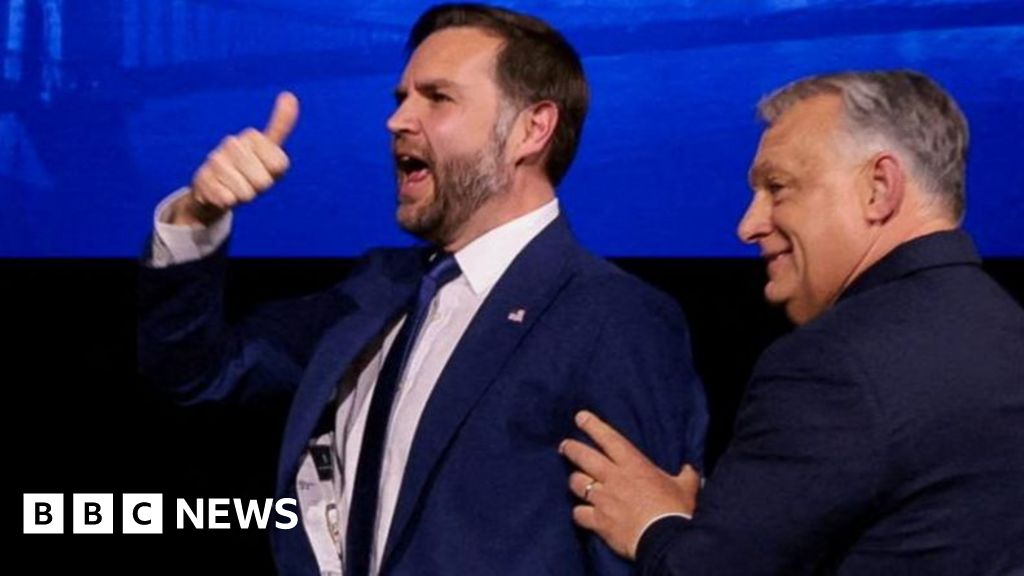
Recent remarks from United States Vice President have shed light on the evolving diplomatic landscape surrounding Hungary. In a notable statement, she described Hungary’s former leader as a “great guy” who did a “very good job,” signaling a cautious yet optimistic tone from Washington amid regional shifts. While the characterization may seem informal, it underscores the nuanced and often complex diplomatic approach adopted by global powers toward Central Europe. This acknowledgement comes at a time when geopolitical tensions and alliances are rapidly transforming, prompting analysts to scrutinize the implications for regional stability and international cooperation.
The Vice President’s comments reveal a pragmatic willingness to engage with Hungary’s new leadership, notably Péter Magyar. Her expressed confidence in potentially working with Magyar, despite previous political rivalries and ideological differences, reflects the strategic importance of maintaining influence in the region. Hungary’s government, under Magyar’s leadership, is seen by some as a guardrail against the expansive ambitions of both Russia and China, positioning Budapest as a crucial node in the future of NATO and European Union geopolitics. This diplomatic maneuvering underscores how nations are swiftly recalibrating their alliances in response to emerging threats and the shifting global order.
Historians and international analysts emphasize the significance of such statements in the context of the ongoing power struggles between Western democracies and authoritarian regimes. Organizations like NATO warn against complacency, highlighting Hungary’s strategic location and its complex balancing act between Western integration and regional sovereignty. While some critics argue that Budapest’s recent policies veer towards authoritarian tendencies, others interpret Magyar’s approach as a pragmatic pursuit of national interests. The decision to continue dialogue, even amid differences, demonstrates how international diplomacy often hinges on maintaining channels for negotiation, despite ideological divergence.
As the global landscape continues to shift, the tensions between Russia, the United States, and European powers remain palpable. Analysts warn of the potential for new conflicts to ignite from unresolved territorial disputes and energy dependencies. The decisions made today—whether through diplomatic statements or policy shifts—will shape the course of history, determining whether nations can forge resilient alliances or face fragmentation. As history unfolds in real-time, the world watches with bated breath, pondering: how will the currents of diplomacy and power reshape the fabric of international society? The true impact of these choices will echo through decades, with Hungary and its leaders standing at the intersection of history’s most critical junctures.

The United States has once again drawn intense scrutiny over its military tactics in Latin America and the Caribbean, following a series of deadly boat strikes in the eastern Pacific Ocean. Over the span of just four days, the US Southern Command announced the killing of at least 11 individuals in what it claims are operations targeting narco-traffickers. However, critics and international observers are raising grave concerns regarding the legality, morality, and geopolitical implications of these actions. The persistent narrative that labels all such victims as “narco-terrorists” has been challenged by legal experts and human rights organizations, who argue that this approach erodes international law and human rights standards.
Despite the US military’s insistence that these strikes are based on \”intelligence,\” the absence of concrete evidence casts doubt on the validity of these narratives. Legal analysts from NGOs such as the American Civil Liberties Union (ACLU) have condemned these operations as *extrajudicial killings*, warning that such actions violate both US and international law. The UN, along with many international legal bodies, has questioned the US government’s assertion that these targeted individuals posed imminent threats. In January, a federal lawsuit was filed on behalf of families in Trinidad, alleging premeditated and unjustified killings of civilians, including fishermen simply trying to sustain their livelihoods. This growing wave of criticism underscores a broader concern that the US is crossing a legal boundary—one that echoes historical patterns of violence hidden behind a veneer of anti-narcotics efforts.
President Donald Trump has publicly justified the aggressive tactics, claiming the US is engaged in an “armed conflict” with Latin American drug cartels—a stance that international law experts dismiss as a dangerous reinterpretation. The UN Secretary-General and other diplomatic voices have warned that these actions undermine the norms of international humanitarian law, emphasizing that the killing of civilians without due process amounts to state-sanctioned murder—a dangerous precedent that could destabilize entire regions.
In particular, Latin American nations are observing with cautious concern as US operations threaten their sovereignty and complicate their efforts in fighting drug trafficking through legal and diplomatic means. Notably, analysts from international organizations argue that such unilateral military actions risk fueling anti-American sentiments across the hemisphere, further isolating the US on the global stage. European and other partners are watching these developments closely, as they could influence the future of international cooperation on security and justice.
Increasingly, historians and geopolitical analysts interpret these events as part of a broader realignment, where the US asserts its perceived right to act decisively in its own interests, often at the expense of respect for international law and sovereignty. The deliberate framing of civilians as combatants—despite overwhelming evidence to the contrary—represents a dangerous shift that could haunt the pages of history. As global institutions grapple with America’s unilateral tactics, the world community faces a stark choice: uphold the rule of law or succumb to a new era of extrajudicial enforcement. This dangerous game of blurred lines highlights the fragile hope for international justice and the lasting impact such policies will leave on future generations.
As the dust settles, history remains unwritten, but the echoes of these decisions will resonate through the ages. Whether nations will stand firm against these oversteps or fall prey to the temptations of unchecked power will determine the course of international order—an unfolding saga of justice, sovereignty, and the moral limits of state violence.

The UCLA Bruins baseball team is set to pay tribute to a true sports icon by donning throwback uniforms honoring their groundbreaking alumnus. Known for his prowess across four sports during his time at UCLA, this legend not only redefined athletic excellence but also shattered racial barriers in Major League Baseball (MLB). The commemorative game is scheduled for Tuesday, showcasing not just nostalgia but also a celebration of progress in sports.
As the top-ranked team in college baseball, the Bruins will utilize this event to educate fans on the rich history and legacy of their distinguished alumnus. Coach John Savage stated, “It is important for us to recognize those who paved the way for future generations. Wearing these throwback threads allows us to reflect on our history and celebrate the strides we have made as a community.” The nod to the past aims to inspire a younger demographic, making the legends of yesteryear relevant in today’s sports culture.
Commentators have noted the significance of this tribute within the context of current movements in sports. By celebrating diversity and inclusion, the Bruins baseball team not only honors a remarkable individual but also sends a powerful message to aspiring athletes everywhere. While scores will ultimately determine the winners and losers on the field, the true victory lies in recognizing sports as a driving force for societal change.
In an arena where competition reigns supreme, the UCLA Bruins will step up to the plate with a renewed sense of purpose. This historical homage transcends the conventional boundaries of sportsmanship—the celebration of a legacy fosters connection, unity, and progress. As the sun sets over the ballpark, the echoes of the crowd will remind us that in the game of life, we are all teammates striving for a shared future, united by the love of sport.

In a remarkable turn of events that underscores the increasing intersection of media, justice, and geopolitics, the inaugural trial involving members of Maradona’s medical team has abruptly collapsed. The case centered on allegations of negligence surrounding the legendary footballer’s final days, but what was initially seen as a significant legal reckoning quickly unraveled following a controversial decision by a local judge. The court, which allowed live cameras into the proceedings, transformed what many expected to be a landmark case into a spectacle that attracted both global attention and scrutiny.
The decision to permit camera coverage marked a pivotal moment, reflecting broader trends in judicial transparency amidst growing public demand for accountability. However, critics and legal analysts warn that this move may have compromised the integrity of the proceedings, turning them into a media circus rather than a serious judicial process. The collapse of the trial sends a clear message about the delicate balance between transparency and due process, a debate already simmering at international levels. Historians cite this instance as a rare illustration of how media influence can interfere with justice, potentially setting precedents that threaten the sovereignty of national legal systems.
The geopolitical impact of this event extends beyond the courtroom. Although local in scope, it underscores the profound effects of legal proceedings on international perceptions of justice. For Argentina, this trial was not merely about Maradona’s personal legacy but also a mirror reflecting the country’s broader struggles with transparency, corruption, and the rule of law. Regional allies and rival nations alike observed how internal legal dynamics could influence diplomatic relations, especially when tales of negligence become tangled with national pride. Meanwhile, international organizations such as the United Nations and FIFA expressed cautious interest, emphasizing the importance of safeguarding justice as a universal principle amid rising populist pressures.
Experts note that this incident is a harbinger of a rising trend in high-profile legal battles, where media access and public opinion are increasingly intertwined with what should be an impartial judicial process. How this development influences future trials, especially those involving prominent figures or sensitive issues, remains a critical question for international law. It also sparks reflection on the role of national courts in maintaining sovereignty and integrity in an era where instantaneous information can shift public sentiment and international reputation in an instant.
As the dust settles on this spectacular courtroom collapse, the weight of history presses down. The trajectory of justice in the digital age depends on whether societies can uphold due process amid the relentless tide of media spectacle. This incident will undoubtedly be studied by future historians and policymakers as a cautionary tale—an event that not only challenged the boundaries of transparency but also questioned the very foundations of judicial authority. In the end, the silence that follows such a tumultuous event is not the absence of truth, but a testament to the ongoing struggle to define justice’s rightful place amid the chaos of modern geopolitics.

The recent implementation of England’s new school food standards highlights a critical juncture in the ongoing debate over how best to nurture the health and well-being of the nation’s youth. While the government and advocates such as Jamie Oliver and Emma Thompson have championed these reforms for their aims to promote healthier eating habits, initial results from a six-week pilot suggest that the intended benefits may be slipping through the cracks due to unintended social consequences. In a Brighton primary school, a 15% decline in meal uptake has been observed, with many pupils opting for packed lunches featuring crisps and chocolate bars, rather than participating in the revamped, healthier school menu. This trend underscores a larger societal tension: the challenge of balancing nutritional goals with the realities of children’s preferences and family influences.
Experts and caterers warn that this shift could have wider implications for families, educators, and communities. Luke Consiglio, chief executive of The Pantry, emphasizes the importance of understanding the social dynamics at play: “Despite these good intentions, there’s a real risk that this will actually have a negative impact on children’s health.” The data indicates that children may reject healthier options if they perceive them as less appealing. From a sociological perspective, such preferences are deeply rooted in cultural shifts and longstanding dietary habits. Children’s food choices are shaped not only within schools but also by family routines and societal norms, creating a complex web of influence that policy reforms must navigate.
Concurrently, the financial sustainability of school meal programs is under threat. Catering companies such as Philippa Terry’s have raised concerns about the funding disparity within the UK. The current government allocation of just £2.61 per free meal falls significantly short of actual costs, especially when compared to Wales, Scotland, and Northern Ireland, where funding exceeds £3.00. This funding shortfall hampers schools’ ability to deliver nutritious, satisfying meals that meet new standards, risking a cycle of declining meal quality and further drops in participation. As Terry notes, “If children do not enjoy or trust the food, they will opt out, and that will lead to more packed lunches with little to no nutritional value.” The consequences extend beyond individual institutions, threatening the integrity of community cohesion and parental trust in public education’s role as a protector of child health.
At the heart of the debate lies a pressing concern: how can the government ensure compliance and effective implementation? Andy Jolley, a former school governor and campaigner, emphasizes that without proper oversight and dedicated resources, standards will remain aspirational rather than enforced. “It’s positive that action is being taken,” he states, “but unless there’s proper monitoring, the standards will be ignored, and the social issues will persist.” The challenge of monitoring and accountability becomes a mirror of larger questions about societal priorities — whether to invest in the oversight necessary for meaningful reform or to accept superficial changes that fail to address core issues.
In the face of these challenges, some schools are demonstrating that excellence is possible within constraints. Russell Ball, head chef at Pokesdown community primary school, boasts of tripling meal uptake through seasonally sourced, cost-effective cooking methods. His success exemplifies the potential for positive cultural shifts in school nutrition — driven by dedicated educators and a community-focused mindset. As society grapples with how to nourish the young amidst competing demands, it remains essential to recognize that **the true challenge lies not just in food standards but in societal commitment to nurturing resilience, health, and dignity from the ground up.** Perhaps, in the quiet kitchens and bustling classrooms, lies an unspoken hope: that society’s most precious resource, its children, will one day be fed more than just meals — but also the promise of a healthier, more equitable future.

The international landscape is constantly reshaped by the ripple effects of domestic political scandals, especially those involving high-profile figures from the United States. Recently, allegations involving Representative Eric Swalwell have emerged, with Lonna Drewes accusing him of a serious misconduct that has not only stirred national controversy but also raised concerns about accountability and integrity within the American political system. Such allegations, regardless of their veracity, underscore the fragile trust placed in elected officials and reflect broader issues of transparency and ethics that resonate well beyond national borders.
This case carries significant geopolitical impact, as the U.S. is often viewed as a beacon of democracy and rule of law. When scandals involving members of Congress come to light, they fuel skepticism about governance, especially among allies and adversaries alike. Analysts caution that these internal divisions could weaken the United States’ diplomatic standing, particularly as global institutions like the United Nations and NATO seek stability and leadership amid ongoing conflicts and international crises. The timing is critical: failed accountability or perceived misconduct domestically can diminish the U.S.’s moral authority on issues such as human rights and democracy promotion, which are now under increased scrutiny worldwide.
Throughout history, scandals involving political figures have often acted as turning points that influence international relations and domestic policy directions. International organizations, including watchdogs like Human Rights Watch and the World Economic Forum, emphasize that the integrity of political institutions significantly affects how nations are perceived on the world stage. The current accusations against Swalwell have also prompted lawmakers, foreign governments, and civil society to reevaluate their engagement with the U.S., contemplating whether the nation’s internal struggles hinder its capacity to lead global efforts on stability, security, and economic development.
As intense media attention and public debates continue, the unfolding drama exemplifies the raw complexity of maintaining political legitimacy in an era marked by social change and digital scrutiny. History alerts us to the fact that political scandals are often more than mere distractions—they serve as reflections of deeper systemic issues that nations must confront to ensure resilience and the rule of law. The world watches intently, knowing that behind every headline lies a chapter in history that could redefine alliances, challenge traditional power structures, and shape the future of democratic governance. In this critical hour, the question persists: how will the United States, amidst these turbulent waters, navigate toward justice and accountability while safeguarding its global leadership? The answer remains unwritten, but the weight of history presses upon the present—an urgent reminder that every decision today echoes through the corridors of time, shaping a destiny still waiting to be written.

In a stark demonstration of the challenges posed by unregulated digital platforms, Telegram continues to grapple with its failure to contain the notorious black market, Xinbi Guarantee, despite international sanctions. Since late March, when the UK government designated Xinbi as a facilitator of human trafficking, the messaging giant has yet to remove the accounts associated with the operation, allowing illicit transactions to flourish. According to analytics from cryptocurrency tracing firm Elliptic, Xinbi processed over $505 million within just 19 days following the sanctions, further expanding its network of buyers and sellers to nearly 500,000. This persistent presence exemplifies the profound disruptions that unregulated tech platforms can facilitate in global illicit economies, positioning Telegram at the center of a burgeoning—or perhaps reckless—digital black market industry.
The business implications of Telegram’s neglect are significant, signaling a potential shift in how enforcement agencies and market participants perceive platform accountability. As disruptive blockchain-based marketplaces continue to undermine conventional controls on illegal activities, there’s mounting evidence that Telegram’s stance on hosting these markets—originally justified as protecting user privacy and circumventing authoritarian controls—may inadvertently embolden organized crime syndicates. This approach raises critical questions about the long-term viability of digital privacy claims when the platform increasingly serves as a conduit for human trafficking, money laundering, and other illicit actions. Industry analysts, including Gartner and cybersecurity experts like Gary Warner, argue that such open hosting of criminal activity demonstrates a dangerous erosion of accountability, threatening to undermine trust in digital communication tools widely adopted by youth and professionals alike.
Moreover, the industry’s response to these developments may drive a market shift towards more vigilant oversight. The disruption caused by illicit marketplaces on platforms like Telegram underscores the need for new paradigms in platform regulation—balancing digital privacy with the responsibility to curb criminal activity. Despite Telegram’s claims that their services facilitate financial autonomy and protect against oppressive regimes, recent intelligence reports, including those from MIT and Ellicott, reveal that Xinbi serves primarily as a money laundering hub, with links to human trafficking operations across Southeast Asia. The UK sanctions, which condemn Xinbi’s operation of scam centers that enslave victims and perpetuate forced labor, highlight the increasing international momentum to impose stricter controls on digital black markets. This emerging paradigm setter challenges existing tech regulation frameworks, demanding innovation in law enforcement and platform accountability.
The future trajectory of this ongoing saga hinges on whether platform providers like Telegram will evolve their policies or continue to enable the dark side of digital innovation. With major institutions and governments growing increasingly alarmed, the need for a tech industry revolution that enforces transparency without compromising privacy has never been more urgent. As organized crime harnesses cutting-edge technologies and decentralized networks to outpace authorities, only those companies prepared to disrupt their own paradigms—by integrating advanced AI moderation, blockchain analytics, and accountable governance—will be positioned to lead the next wave of digital transformation. The window for decisive action is closing fast; the choices made now will shape the battleground for digital freedom and security for years to come.
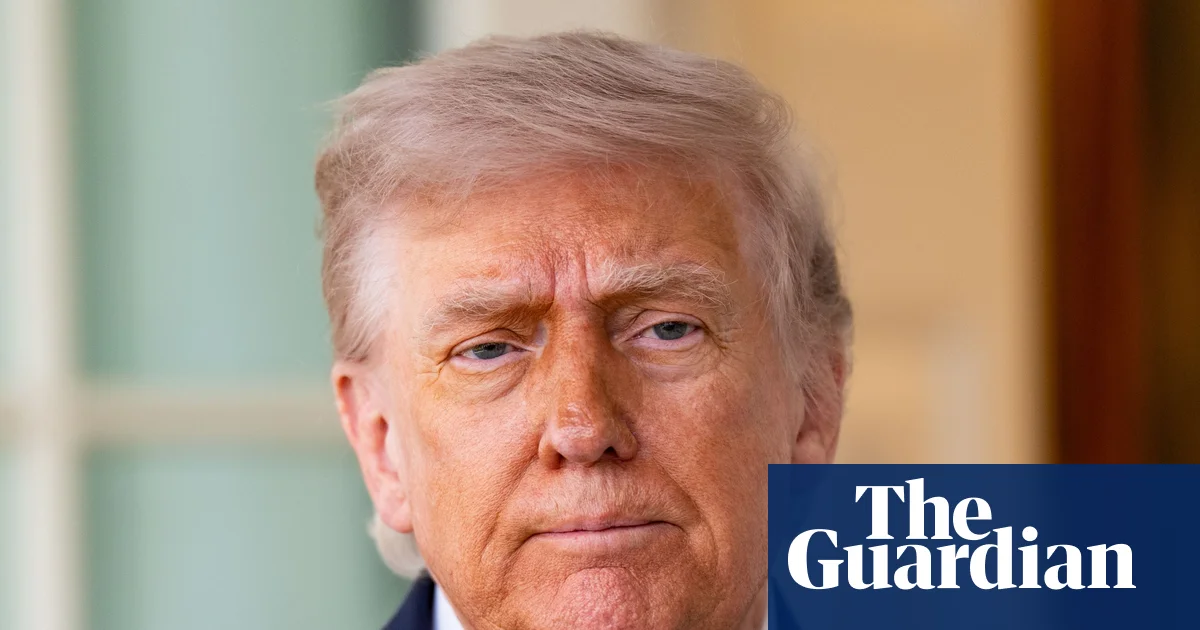
Amid mounting global tensions and soaring energy prices, U.S. President Donald Trump has signaled the possibility of resuming peace negotiations with Iran in an unexpected diplomatic development. Trump’s recent remarks, suggesting that talks could resume in Islamabad within the next couple of days, mark a notable shift in the ongoing confrontation over Iran’s nuclear ambitions and regional influence. The U.S. leadership, wary of the economic fallout from the Strait of Hormuz closure—an essential corridor through which roughly 20% of the world’s oil transits—appears to be recalibrating its approach to avoid further destabilization.
Strategic analysts highlight the significance of Islamabad’s role as a mediator in this fragile geopolitical chess game. Field Marshal Asim Munir, Pakistan’s formidable army chief, has been praised by Trump for his “great job” in facilitating dialogue, reflecting Islamabad’s emerging prominence as a regional diplomat. This diplomatic effort is happening amidst a backdrop of economic anxiety—oiled prices surged above $100 per barrel following Iran’s shutdown of the strait. Though crude prices briefly dipped to nearly $95 amidst reports of renewed negotiations, the global economy remains perched on a precipice, waiting to see whether diplomacy can disarm the mounting crisis.
Complicating this delicate process is the intra-regional conflict erupting along the Lebanese border. Israel and Lebanon have entered into unprecedented negotiations in Washington, designed to address the ongoing conflict—a consequence of recent U.S.-Israeli strikes on Iran. Hezbollah, Iran’s key regional proxy, has openly declared it will not adhere to any agreements brokered by Israeli or Lebanese representatives, forcing international observers and regional powers to consider the possibility of a broader escalation. The atmosphere of distrust and defiance underscores how fragile any potential peace is, with the region teetering on the edge of further turmoil.
Meanwhile, the diplomatic sidelines are fraught with accusations over the negotiations’ sticking points. Reports reveal that U.S. Vice President JD Vance expressed skepticism about Iran’s willingness to make significant concessions, emphasizing that Tehran has yet to demonstrate the flexibility needed for a sustainable deal. Iran, on its part, remains steadfast, insisting it will not surrender its uranium enrichment program and demanding a shorter moratorium—less than ten years—rather than the U.S. demand for a 20-year suspension. Such divergence reveals the deep mistrust between the parties and the hardened positions that threaten to plunge the region back into conflict, despite informal talks hinting at possible détente.
Key external powers are also stepping into the fray, with senior officials from Saudi Arabia, Egypt, and Turkey attending consultations in Islamabad, seeking to influence the diplomatic process. As Prime Minister Shehbaz Sharif prepares to visit regional allies in a bid to garner support for peace initiatives and propose measures to reopen the Strait of Hormuz, the current diplomatic flux indicates that the future remains unpredictable. History warns us that each diplomatic blunder, each missed opportunity, could ignite a domino effect of chaos that redraws the Middle East’s landscape for generations to come.
As these perilous negotiations unfold under the shadow of regional and global interests, the fate of the Middle East hangs in the balance. The decisions taken in the coming days will shape not only the geopolitical contours of the region but also the everyday lives of millions caught in the crossfire. Whether diplomacy prevails or a new inferno ignites, the weight of history remains, watching silently as the world teeters ever closer to a defining moment—an epoch where the hopes of peace confront the reality of enduring conflict.


