
TRENDING NEWS





Truth Over Trends, always!
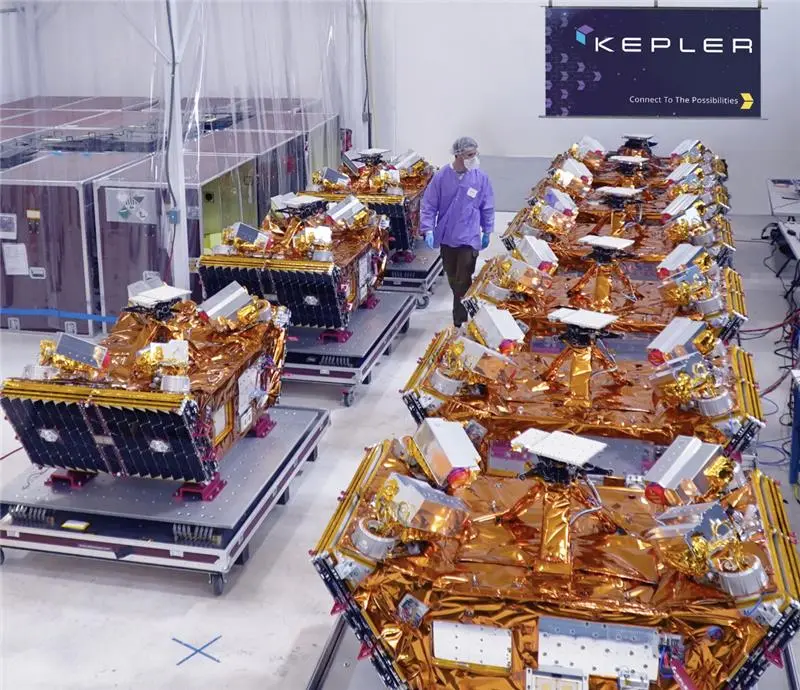
Recent developments in orbital compute infrastructure signal a paradigm shift that could redefine the future of data processing on a global scale. While space-based data centers might still seem like a distant sci-fi dream, the industry accelerates towards practical, disruptive innovation. Kepler, a prominent startup, is spearheading this movement with its focus on providing infrastructure for space applications, distinctly positioning itself away from traditional data center models. Instead, Kepler aims to facilitate network services for satellites, drones, and aircraft, establishing an essential backbone for the next era of interconnected sky-based devices.
This shift is further emphasized by Sophia Space, a trailblazing startup developing passively cooled space computers that address a key obstacle for orbital data centers: thermal management of high-performance processors. Unlike terrestrial counterparts heavily reliant on heavy, costly active cooling systems, Sophia’s innovative approach utilizes passively cooled GPUs capable of operating continuously with minimal power consumption. This breakthrough not only enhances operational sustainability but radically reduces launch costs by eliminating bulky cooling hardware, propelling space-based data centers from aspiration to reality. Sophisticated software testing in orbit— set to occur on Kepler’s constellation— will serve as a critical proof of concept, establishing a new benchmark in orbital computing and de-risking future deployments slated for late 2027.
Industry analysts, including those from Gartner and MIT’s Technology Review, suggest that disruptive innovations in space computing may eventually supplant terrestrial data centers— especially as legislation increasingly constrains on-Earth infrastructure growth. For instance, recent legislative actions such as Wisconsin’s ban on new data center construction signal a strategic pivot, driving interest in space-based alternatives. Sophia’s CEO, Rob DeMillo, underscores a growing reality: “There’s no more data centers in this country,” and the trend towards orbital solutions is gaining momentum. Such policy-driven shifts, coupled with technological breakthroughs, challenge the traditional state of data infrastructure and threaten to upend the dominance of terrestrial giants like Amazon Web Services and Google Cloud.
The implications are staggering: distributing GPU workloads in orbit could unlock unprecedented levels of scalability, efficiency, and resilience. As CEO Mina Mitry highlights, the focus is shifting toward understanding inference workloads— processing data locally and continuously— with GPUs optimized for persistent operations rather than sporadic training. This approach promises a more sustainable and cost-effective model for high-performance computing, which could ultimately democratize access and accelerate AI-driven innovations in space, military, and commercial sectors.
Setting aside the hype, the reality is that space-based compute technology is emerging as a key sector of disruption. As the industry matures, we can expect to see a rapid convergence of innovations from startups, government agencies, and established infrastructure players. The potential to reconfigure global data ecosystems is immense: with space-based GPUs capable of infinite scalability and resilience, industries will face higher stakes and fierce competition to harness this frontier. Experts like Peter Thiel warn of an impending upheaval— where the very essence of data center economics and infrastructure governance could be rewritten by orbital computing.
As the race heats up, urgency is essential. The industry must innovate relentlessly to stay ahead of regulatory constraints and technological roadblocks. The coming years will determine whether orbital GPUs become a niche curiosity or the backbone of the next digital economy. For youth-driven tech entrepreneurs and investors, the message is clear: the future belongs to those who dare to disrupt the traditional and aim for the stars.

As the Moon transitions into its Waning Crescent phase, with just 21% of its surface illuminated, an intriguing shift is underway in how young people engage with celestial phenomena. This lunar cycle, spanning roughly 29.5 days, has historically influenced cultural practices and social behaviors, but today, it holds a renewed grip on youth culture. From social media trends to lifestyle routines, the phases of the Moon are shaping trends that reflect a deeper societal connection to natural rhythms—subtly challenging the modern obsession with constant productivity and technological distraction.
According to NASA, lunar phases consist of eight distinct stages, each with its own symbolism and social resonance. Notably, Full Moons have long been associated with heightened emotional states and communal gathering, but recent influencers and social analysts are observing how the lesser-lit phases are gaining cultural significance. Younger generations are increasingly turning to the lunar calendar to structure their lifestyles—embracing the Waning Crescent and new moon periods for reflection, detox, or digital fasting. Experts note that this shift signals a move toward *less distraction* and a *more intentional* way of living that reconnects tech-reliant youth with natural cycles.
Prominent social media figures and lifestyle influencers are championing this movement. Accounts dedicated to spiritual wellness and mindfulness now frequently incorporate lunar phases into their content, encouraging followers to set goals or release negativity during the darker phases. Sociologists argue that this trend is more than superficial; it’s an act of resistance against the hyper-speed, always-on culture that defines modern life. Astrology, once a niche interest, has become mainstream among young adults, further cementing the Moon’s social relevance in shaping personal and collective identity.
This renewed focus on lunar rhythms signals a broader cultural shift in social values. As climate-conscious millennials and Gen Zs seek authenticity, they are increasingly viewing natural phenomena like the Moon as sources of guidance and stability. In fact, trend analysts suggest that the Moon’s phases are now integrated into lifestyle choices— from
. This movement represents a yearning to re-engage with nature in an era dominated by screens and instant gratification.
Yet, as this lunar revival continues to evolve, a provocative question emerges: Will the Moon truly reconnect us with a collective sense of purpose, or will it become another trend— transient and superficial in the face of societal shifts? Experts and cultural commentators ponder whether the Moon’s stages will serve merely as aesthetic markers or genuine catalysts for social change. In a world increasingly obsessed with innovation, the next impactful question is whether these ancient celestial cycles can sustain their influence as a long-term cultural anchor beyond fleeting trends or if they will fade into the backdrop of a rapidly changing society. Only time—and perhaps another lunar cycle—will tell.

In a world increasingly driven by instant gratification and digital entertainment, a fascinating lifestyle shift is quietly unfolding—one that champions patience, precision, and mental agility. Enter speed jigsaw puzzling, a burgeoning competitive sport that bridges the worlds of leisure and high-level skill. Originating in the US during the 1980s, the community experienced a renaissance during the COVID-19 pandemic, with online platforms like speedpuzzling.com propelling enthusiasts nationwide into a new kind of challenge. Today, national championships in places like Atlanta gather over 1,600 participants, proof that this hobby has transformed into a vibrant, fast-paced movement with a dedicated following across generations and backgrounds.
The phenomenon illustrates an unprecedented convergence of mindfulness and competition. Competitors—ranging from PhD students to middle schoolers—are discovering that, beyond casual pastimes, puzzles can serve as a tool for personal impact—sharpening cognition, fostering community, and even offering inspiration. The community is noted for its friendliness; amid fierce rounds, camaraderie shines through in fist bumps, high-fives, and supportive chatter. The diversity is striking: women constitute about 80-90% of puzzlers, yet the scene is rapidly welcoming new demographics, including kids like Conner from Texas, whose blistering times push the limits of speed and skill. As wellness expert Dr. Daniel G. Amen emphasizes, engaging in such focused, challenging activities nourishes mental health by cultivating patience and perseverance, essential virtues in today’s fast-moving age.
During these events, the intensity is palpable yet respectful; every piece placed is a victory shared with others, and each puzzle assembled is more than just a task—it’s a story of transformation and dedication. From initial nervousness to eventual triumph, participants experience an inspirational journey that underscores the value of deliberate practice and resilience. As spectators watch young prodigies like Alice Rowe or the spirited team “Three And A Half Men” claim victory, one realizes that the future of this sport may be brighter with youth divisions, fostering talent and enthusiasm. This rising trend reflects a universal truth: that embracing challenges, however simple they may appear, can lead to complex personal growth. The world of speed jigsaw puzzling shows us that amid the chaos of daily life, slow and steady—paired with a passionate community—can truly pave the way to a fulfilling lifestyle.
As the story of speed jigsaw puzzling unfolds, it offers a profound reflection: in embracing a pastime that advocates patience, precision, and community, we embrace a journey to self-improvement. In a society often hurried, this movement encourages a beacon of calm and purpose. Every piece, every challenge, becomes a metaphor—an invitation to look more closely, think more deeply, and connect more meaningfully. Ultimately, the art of puzzle-solving reminds us that life itself is a complex mosaic—best appreciated one piece at a time, with dedication and passion guiding the way.
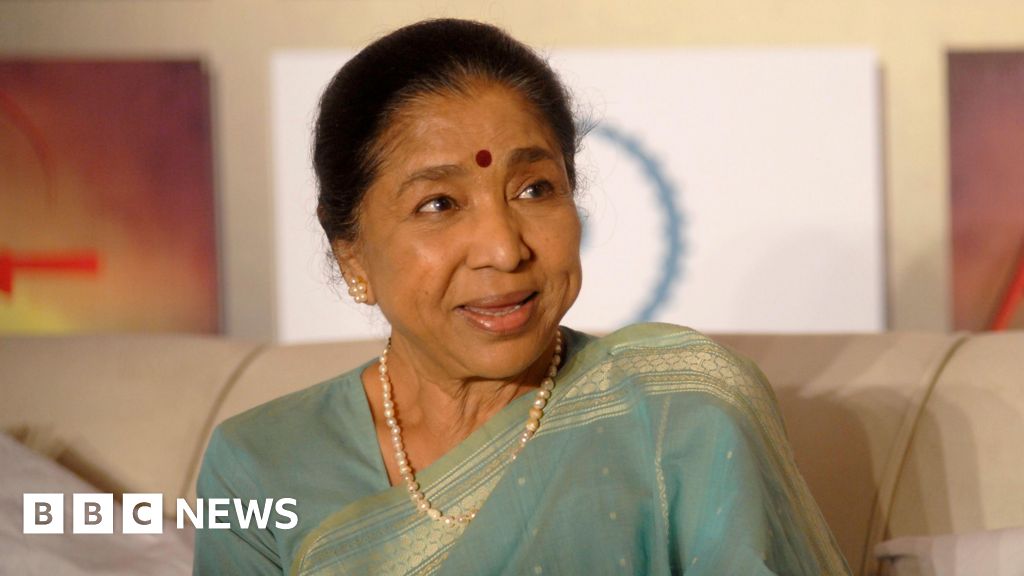
In an era often characterized by rapid technological shifts and transient trends, the enduring significance of culture remains a vital cornerstone of societal identity. The recent passing of a venerable singer at the age of 92, whose life’s work spanned nearly a century, underscores this truth. Her forthcoming cremation with full state honours symbolizes a collective acknowledgment that true cultural icons transcend personal achievement to become harbingers of tradition and moral compass for generations. As the nation prepares to honour her memory, we are reminded that artificial innovation can never replace the profound power of artistic
moral resonance rooted in shared history and cultural continuity.
The role of the artist extends well beyond individual expression; they serve as custodians of a civilization’s mythos. Philosophers like Ortega y Gasset have emphasized that culture embodies the vital spirit of a nation, shaping not only public sentiment but anchoring the identity of its people. The singer’s oeuvre, a testament to the virtues, struggles, and aspirations of her era, becomes part of a collective cultural memory. Her death, marking the end of an era, also illuminates the pathways through which cultural heritage continues to function as a moral compass—guiding societal values and inspiring future generations to forge their own legacies with similar gravitas.
History offers us ample parallels—the cultural shifts from the Renaissance to the Enlightenment, or the tumult of the 20th century. Folk traditions, classical artistry, and revolutionary movements all bear witness to the enduring importance of maintaining the carrying capacity of cultural memory. Tocqueville’s observations on American democracy highlight this phenomenon: a society’s strength lies in its shared cultural reservoirs, which nurture patriotism and social cohesion. The image of a revered artist, received with state honours, embodies this legacy—an affirmation that culture is both a reflection of who we are and a prophecy of who we may become.
Drawing upon revered voices like Chesterton, who posited that “tradition means giving a vote to the most obscure of all classes, our ancestors,” reminds us that the preservation of cultural memory is an act of reverence. It is through this reverence that societies preserve their roots and resist the erosive forces of triviality and forgetfulness. As critics and historians remind us, the true purpose of culture is not merely entertainment but the cultivation of a moral landscape that sustains the individual and collective soul. The quiet dignity of the singer’s passing—her body honored by state ceremony—serves as a poignant symbol: a reminder that the enduring language of art continues to speak across ages, invoking a sense of unity that ties the present to an ongoing spiritual tradition.
In the silent spaces between memory and prophecy, culture stands as both witness and visionary, whispering of human potential and the divine in everyday life. As T.S. Eliot contemplated, the task of the poet—much like the artist—is to chart a “dislocation” and a “restoration”, to grapple with the fragmented world and reveal a glimpse of wholeness. The legacy of such cultural icons tells us that—despite the transient nature of individual lives—art remains eternal, a safeguard of truth and beauty. The artist’s departure urges us to treasure this communion, knowing that culture is not merely memory but also the prophetic voice beckoning us toward a future yet unwritten, where humanity’s highest virtues are forever inscribed into the communal spirit—an enduring ordination of the soul.

The enduring social fabric of families, communities, and educational institutions in Britain is increasingly strained by a growing crisis that often flies under the radar: childhood poverty. Recent research from the University of Oxford reveals that more than a fifth of the so-called “austerity generation”—children born after 2013—have been scarred by poverty for at least half of their formative years. This alarming statistic underscores how policy decisions rooted in austerity—particularly cuts to welfare benefits—have long-lasting, systemic impacts on society’s most vulnerable. As sociologist David Harvey notes, social structures are profoundly shaped by economic policy; when social safety nets weaken, the ripple effects on **families and children** become insidious and enduring.
The austerity policies implemented over recent years, spearheaded by former Tory Chancellor George Osborne and ex-Welfare Secretary Iain Duncan Smith, involved a series of deeply controversial measures. These included the **benefit cap**, the **bedroom tax**, the **two-child benefit limit**, and extensive reductions to universal credit generosity. By 2021, these policies had effectively stripped approximately £37bn a year from welfare spending, resulting in hundreds of thousands of children experiencing persistent hardship—a stark contrast to the support levels during the late 1990s under the Labour government, when child poverty rates notably declined. The study emphasizes that while minimum wage increases aimed to provide a pathway out of poverty, their benefits were largely offset by the depth of benefit cuts, exposing a fundamental flaw in relying solely on wage policy without supporting safety nets.
This widening gap leaves families and communities grappling with social and educational disadvantages. Children trapped in long-term poverty face compounded barriers: poorer health outcomes, educational underachievement, and limited access to resources that foster potential. Historian and social critic Christopher Lasch warned that “as we neglect the social foundations, we risk raising a generation deprived of opportunity,” a sentiment ringing true in today’s experience. However, recent reforms aimed at reversing some of these harsh policies—such as the removal of the two-child benefit limit and expansion of free school meals—signal a recognition of these societal wounds and an urge to foster a more equitable future. Nonetheless, challenges remain. Key measures like the benefit cap and bedroom tax are still in place, prolonging hardships for many families. The debate continues over whether these policies are adequate or whether societal commitment must go further to overhaul the welfare state.
As society stands at this crossroads, the pressing question becomes whether we can forge a future where “long-term childhood poverty” is a relic of the past. For communities and policymakers alike, the path forward demands that we prioritize social cohesion, invest in education, and reaffirm our moral duty to protect our children’s potential. In the words of social reformer Jane Addams, “The best way to not feel hopeless is to get up and do something,” reminding society that meaningful change begins with collective action. Perhaps, amid the societal scars, there lies a quiet hope—a future where children are no longer defined by the hardships of today, but empowered to shape a society that learns from its failings and strives toward true equity and opportunity for all.

The 2026 NBA season is gearing up to be one for the ages, with a total of 18 teams, including the Thunder, Pistons, Spurs, and Celtics, strategizing their paths to championship glory. As the league evolves, the competition intensifies. Coaches, analysts, and players are gearing up for what promises to be a thrilling season filled with surprises and breakthroughs.
In a league where stats tell a compelling story, the Thunder‘s head coach, Mark Daigneault, recently stated, “Success in the NBA is built on resilience. Our goal is to harness our young talent, including upcoming stars like Shai Gilgeous-Alexander, and harness their potential for a deep playoff run.” The focus on youth development is echoed across multiple franchises that are looking to nurture emerging talents. Meanwhile, the Celtics under head coach Joe Mazzulla are inspired by their recent playoff experience, stating that they “are aiming to build on last year’s lessons.”
Game-changing moments are what fans live for, and this year won’t disappoint. With the emergence of standout players in every corner of the league, here are several key takeaways to watch for:
The essence of basketball transcends the game itself; it serves as a narrative woven into the fabric of society. Each match not only asserts rankings but brings together communities, ignites passion, and fosters loyalty among fans of all ages. As players step onto the court, they carry with them the dreams and hopes of millions. In this pursuit of the 2026 NBA Championship, the legacies of teams and players will intertwine, creating an unforgettable tapestry of athleticism, perseverance, and unity. This is more than basketball; it is a celebration of the human spirit.

Once a vocal critic of Soviet occupation, Hungary under Viktor Orbán has shifted dramatically in its geopolitical stance. Historically, Orbán’s rhetoric reflected a disdain for authoritarianism rooted in Russia’s past dominance over Eastern Europe. Yet, in recent years, Hungary has aligned more closely with Russian President Vladimir Putin, fostering an environment where strategic interests have overshadowed post-Cold War democratic values. This realignment is underscored by Orbán’s vehement support for Russian energy supplies, especially the continued importation of cheap Russian oil and petrol, which has ignited discontent across the European Union (EU). The EU’s efforts to mitigate reliance on Russian energy—a move deemed critical for national security—have been undercut by Orbán’s policies, effectively challenging the bloc’s unity and resilience.
The support Orbán offers Russia is not merely about energy; it symbolizes a broader geopolitical posture that resists EU-led efforts to confront Russia’s military actions in Ukraine. In defiance of EU policies, Hungary has reneged on an agreement to provide a €90bn financial loan to Ukraine, a stark demonstration of the country’s prioritization of pragmatic ties over collective European solidarity. International analysts warn that such unilateral decisions weaken the collective EU response to Moscow’s geopolitical ambitions and embolden Russian efforts to destabilize Eastern Europe further. Historians caution that Hungary’s current trajectory reflects a broader resilience of revisionist powers challenging Western consensus, raising fears of a fragmented Europe unable to meet the threats posed by resurgent Russia.
The international fallout of Hungary’s policies extends well beyond Europe. Organizations like NATO and the European Union face mounting pressure to reconcile diplomatic engagement with a member that appears to drift away from shared democratic principles. The EU’s internal divisions are increasing as Hungary’s stance complicates efforts to present a united front against authoritarian expansion. Global security analysts, including those at the International Crisis Group, warn that Hungary’s shift signals a dangerous precedent—one where economic pragmatism and nationalist narratives threaten to unravel the foundations of Western alliances.
Furthermore, Hungary’s rapproachment with Russia raises questions about the future geopolitical landscape in Eastern Europe and the North Atlantic alliance. The decisions of governments like Orbán’s have profound consequences, affecting not only regional stability but also shaping the broader contest between Western liberal democracies and resurgent authoritarian regimes. As history reveals, the choices nations make today set the stage for future conflicts and alliances—lessons that many experts believe are being rewritten with alarming speed. Leaders and analysts alike recognize that Hungary’s current course, often justified as national sovereignty or pragmatic economics, may well awaken a new era of geopolitical instability rooted in the failure of old alliances to adapt swiftly to emerging threats.
As the world watches these unfolding developments, the legacy of Hungary’s leadership hangs in the balance. The decisions made in Budapest reverberate through international corridors and influence the fates of neighboring nations. The specter of history—marked by the fall of empires and the rise of new powers—looms large. Will Hungary’s pragmatic diplomacy become a gateway to renewed cooperation, or will it entrench division and conflict? The global community faces a pivotal moment; one where the decisions of today echo into a future fraught with uncertainty, and where the stakes are nothing short of the preservation of order in a turbulent, reshaping world. As history yet unfolds, the next chapters will reveal whether the bonds of allyship and shared ideals can survive the relentless march of geopolitical realignments or whether they will be forever fractured, leaving behind a scarred continent in a world increasingly defined by shifting allegiances and unresolved conflicts.

Recently, claims have surfaced that Innerstela, a memorial art company, employs light-reflecting microscopes to craft vibrant art pieces from human or animal ashes. This statement has sparked curiosity among those interested in innovative memorial methods, but as responsible consumers and citizens, it’s crucial to scrutinize such assertions with a critical eye. Let’s delve into the technology and verify what’s fact and what might be embellishment.
At the core of Innerstela’s claim is their purported use of light-reflecting microscopes. Microscopes designed for light reflection are indeed common in scientific research, primarily for examining surfaces with reflective qualities. However, translating this technology directly into creating colorful, reflective memorial art from ashes is an oversimplification, if not a misrepresentation. Such microscopes are not inherently capable of transforming ashes into art; rather, they are tools used mainly for detailed analysis, not artistic production.
In fact, the process of creating memorial artwork from ashes broadly involves techniques like photo engraving, 3D printing, or the embedding of ashes in resin or glass. According to the American Memorial Arts Association, the most widely used methods deploy laser etching or specialized glasswork, which employs precise laser technology, not reflection-based microscopy. These methods are well-documented and proven to produce striking, durable memorial pieces. The claim that light-reflecting microscopes serve as the foundational technology for such creations is misleading because it conflates scientific examination tools with artistic fabrication technology.
To verify the factual accuracy of Innerstela’s statements, one must consider their cited methods and industry-standard techniques. Most reputable memorial art companies rely on laser engraving and resin embedding rather than microscopy tools for their final products. Industry experts, such as the International Memorialization Association, confirm that highly detailed, colorful memorial art is achieved through laser technology, not microscopy. So, unless Innerstela provides explicit technical documentation, their claim appears to be misleading at best.
In a landscape saturated with marketing claims and technological assertions, it’s essential for consumers and society as a whole to demand transparency and factual accuracy. The notion that light-reflecting microscopes are used to create vibrant memorial art from ashes is misleading because it conflates scientific observation with artistic fabrication. While innovative memorial options are undoubtedly valuable, their legitimacy depends on clear, truthful communication rooted in established technology and methods. Responsible citizenship requires us to sift through marketing claims and uphold the truth, ensuring our decisions about memorials honor both accuracy and respect for the memory of loved ones.
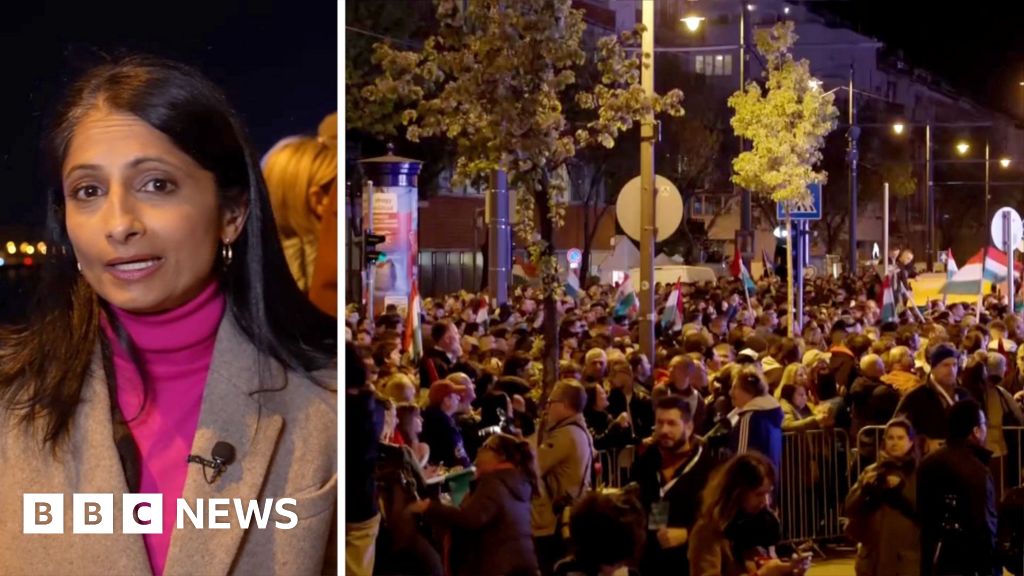
The recent electoral upheaval in Hungary has sent shockwaves through the European continent. After 16 years of leadership, Prime Minister Viktor Orbán has officially conceded defeat, marking a decisive shift in Hungary’s political landscape. The opposition, led by Péter Magyar, secured a historic victory, propelled by a record-breaking turnout that underscores a burgeoning desire for change among Hungarian citizens. This electoral result is not merely a domestic affair but a pivotal moment whose repercussions extend into the heart of Europe.
Many analysts view the election as a referendum on Hungary’s future trajectory—particularly its approach to sovereignty, national identity, and alignment within the broader European framework. Magyar’s government is poised to dominate the parliament with a commanding majority, signaling a decisive divergence from Orbán’s recent policies. Such a mandate could herald a new era defined by a push for increased national control over immigration, economic independence, and a recalibration of Hungary’s stance toward Brussels. This shift, while celebrated domestically, raises questions about how Hungary will navigate its relationship with the European Union and its commitments to the broader West.
International institutions like the European Commission and geopolitical analysts are closely monitoring the fallout. According to experts from the International Crisis Group, Hungary’s new leadership could accelerate a broader realignment within Central Europe—potentially emboldening similar nationalist movements across the region. The election’s outcome is starkly viewed as a challenge to the prevailing EU policies that emphasize integration and liberal values. Historical voices, including seasoned observers, warn that Hungary’s trajectory under Magyar could either reinforce national sovereignty or deepen divisions within Europe’s unity, depending on future policies. As one prominent historian notes, “We are witnessing a pivotal moment when national elections begin to reshape continental alliances.”
With this turn of events, Hungary’s future remains uncertain yet undeniably impactful on the geopolitical chessboard. The balance of influence among NATO, the EU, and Russia hangs delicately, with Budapest poised at a crossroads. The decision by Orbán’s government to concede comes at a time when the continent is grappling with ideological divides and power struggles, setting the stage for new alliances or renewed conflicts. The weight of history presses upon Hungary’s leaders, as they must now define whether their sovereignty leads them toward independence or perilous isolation. As the world watches, the pages of history continue to turn—each chapter shaping the narrative of Europe’s future, where the stakes could not be higher, and the outcome remains uncertain.

The recent resurgence of lunar-themed creativity, epitomized by the avant-garde album Room for the Moon by Russian artist Kate NV, underscores a broader pattern of disruption in both cultural industries and technology sectors. While much attention in recent years has been directed toward mission-driven space exploration—think NASA’s Artemis Program—the artistic response suggests a cultural pivot, leveraging innovative storytelling and audio design inspired by the moon’s mystique. This blend of nostalgia, whimsy, and technological experimentation points to a future where entertainment and tech are increasingly intertwined, fueling new markets and redefining consumer expectations.
In the realm of audio-visual innovation, artists like Kate NV push boundaries by combining whimsical storytelling with cutting-edge production techniques. Her album, influenced by Russian and Japanese pop from the 70s and 80s as well as children’s media, exemplifies an emerging trend—the fusion of retro aesthetics with modern electronic soundscapes. This trend aligns with predictions from industry think tanks like Gartner, which forecast that entertainment platforms integrating immersive sound and visual experiences will be key drivers of consumer engagement in the coming decade.
Moreover, these creative developments carry significant business implications. Companies that harness such *innovative content* will have the opportunity to lead in niche markets, while *large tech firms* seeking to innovate their content delivery will look to artists and creators whose work disrupts traditional boundaries.
The influence of these artistic innovations extends beyond culture into the strategic realms of tech development, where echoes of the ‘moonshot’ mentality continue to reshape industries. Innovators like Elon Musk and Peter Thiel emphasize how disruptive technology—such as AI, blockchain, and synthetic media—are revolutionizing existing markets. By positioning lunar and space-themed narratives as metaphors for technological aspiration, these developments serve as a rallying point for new business ventures, encouraging startups and established companies alike to pursue exploratory ambitions that were once confined to science fiction.
This convergence of artistic expression and technological disruption signals an urgent need for firms to adapt quickly, or risk obsolescence. As industry leaders continue to push the boundaries with innovations in autonomous systems, virtual reality, and AI-driven content, the underlying message remains clear: those who leverage disruptive ideas inspired by lunar and space themes will have a competitive edge in capturing the next generation of consumers and investors. The breakthrough artistic expressions symbolized by Kate NV’s album may seem niche, but they embody a fundamental shift—a signpost pointing at a future where creativity itself is an engine of technological progress and business agility.
In conclusion, the cultural and technological currents driving today’s innovation landscape demand urgent attention from industry stakeholders. As the line between art, science, and business continues to blur, embracing disruptive ideas—both on Earth and beyond—will be essential for leaders aiming to capitalize on the next wave of growth. The lunar metaphor extends beyond inspiration; it epitomizes humanity’s relentless pursuit of progress, urging us to confront tomorrow’s challenges with the same bold innovation that characterizes today’s emerging artistic and technological frontiers.


