
TRENDING NEWS





Truth Over Trends, always!

In the rapidly evolving landscape of transportation technology, autonomous vehicles (AVs) are at the forefront of disruption, promising to revolutionize how we commute, transport goods, and even redefine urban infrastructure. Major industry players like Waymo, Aurora, Tesla, and Zoox are racing to gain market dominance, fueled by relentless investment and groundbreaking innovations. Yet beneath the promise of seamless, AI-driven mobility lies a complex and concerning reality: a lack of transparency surrounding critical safety mechanisms, notably the reliance on remote assistance operators.
A recent investigation spearheaded by Senator Ed Markey highlights industry-wide vulnerabilities. The senator sent scrutinizing letters to leading AV companies, prompting disclosures about their use of remote operators—an essential yet opaque component of current AV systems. Interestingly, none of these firms has committed to transparent reporting, raising serious questions about their safety protocols and industry accountability.
The implications extend beyond safety. As AVs become more embedded in daily life—with Waymo’s robotaxi service now operational at four major airports and expanding into Dubai—business disruption accelerates. Traditional transportation sectors face existential challenges, catalyzing a digital transformation that favors nimble startups and giants committed to autonomous innovation. Industry analysts from Gartner and MIT underscore that those who leverage disruption effectively will set the standards of the future. Companies like Uber are expanding into luxury and executive services, exemplified by their acquisition of Berlin-based Blacklane, signaling a strategic pivot toward high-margin, autonomous-enabled experiences.
Meanwhile, startups such as Manna Air Delivery and Saronic Technologies harness autonomous and electric innovations to disrupt logistics and maritime sectors. Saronic’s recent $1.75 billion funding round at a $9.25 billion valuation exemplifies how autonomous maritime tech is becoming a lucrative frontier, driven by innovations that threaten to redefine military and commercial shipping. Similarly, Voltify’s retrofit solutions for diesel locomotives demonstrate how old-school industries are being reshaped through electrification—a crucial step for sustainable disruption. As these companies push the limits of what’s possible, traditional giants ignore the slow march of change at their peril.
Looking ahead, the next phase of autonomous mobility will hinge on safety transparency and regulatory oversight. The National Highway Traffic Safety Administration (NHTSA) is under pressure to act, with calls for investigations into remote assistance practices possibly leading to legislation imposing strict guardrails. Industry-watchers like Peter Thiel and Elon Musk warn that complacency in this nascent sector could open the door for regulatory crackdowns or catastrophic failures. Equally, the strategic placement of AI in transportation mandates swift innovation—those who master it now will dominate the next era of mobility. In this high-stakes race, it’s clear that disruption is inevitable; the question is whether incumbents can adapt fast enough or will be swept away by a new wave of autonomous pioneers.
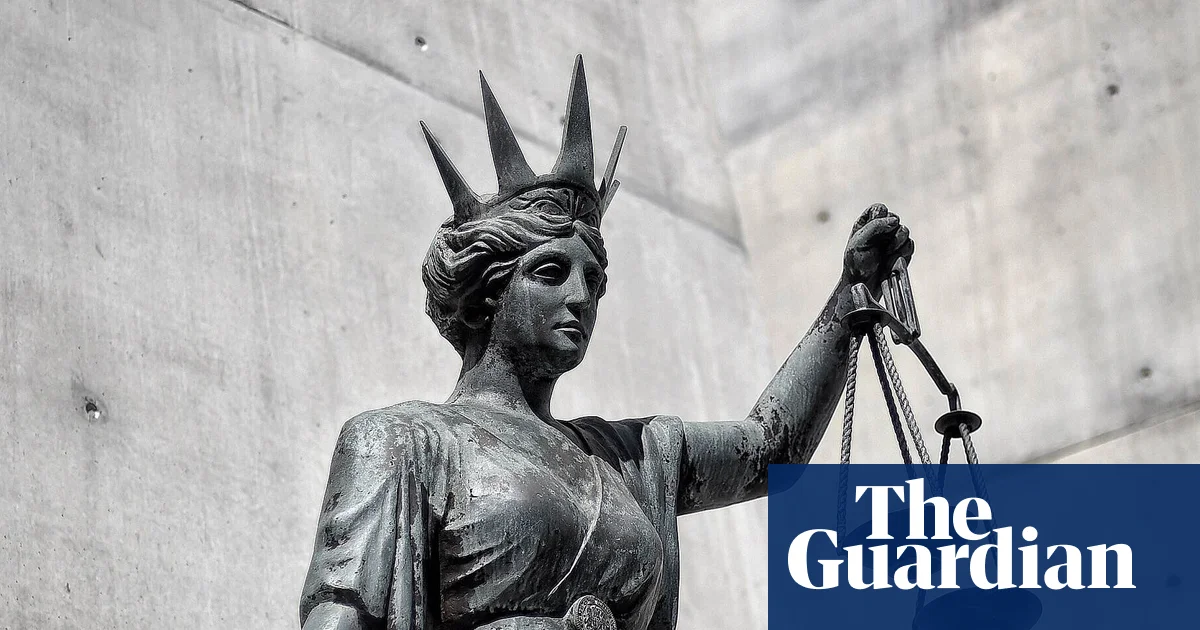
In a landmark decision, Australia’s family court has ordered that an Aboriginal child, known as X, be returned to his traditional community after being moved approximately 1,700 kilometers away. This case, while rooted in local legal and cultural contexts, highlights a broader international debate over the sovereignty of indigenous tribes and the influence of national authorities over traditional societies. The decision underscores the profound controversies surrounding jurisdiction, cultural rights, and modern state governance, echoing similar conflicts across the globe where colonial histories and sovereignty collide with contemporary legal systems.
The case’s geopolitical significance extends beyond mere parental disputes, touching on the ongoing tension over Indigenous self-determination and cultural preservation. Australian authorities and international organizations have been scrutinized for their historic and ongoing intervention into indigenous communities. The court’s rationale—that X needed to learn and participate in his culture through direct engagement with elders and community rituals—challenges the notion that state-controlled care can adequately replace traditional kinship systems. Expert analysts and historians emphasize that such legal rulings can either empower indigenous sovereignty or, if mishandled, serve as tools of cultural erosion. The court’s recognition of the pivotal role of “on-country” engagement symbolizes a push back against assimilation policies that have historically marginalized indigenous peoples.
Furthermore, the case sparks vital questions about how decisions made in the courtroom influence societal structures and cultural continuity. The court’s appraisal of whether Hronn has the cultural competence to care for X reflects a nuanced understanding of indigenous kinship and law. Justice Richard Schonell’s endorsement of X’s return underscores the importance of cultural integration, asserting that the boy’s connection to his community — including language and rituals — is essential for his development. Critics argue that this legal victory is emblematic of a shifting paradigm that recognizes the importance of indigenous traditions in governance, providing hope that future policies will respect sovereignty rather than subjugation, with international institutions monitoring adherence to such principles.
Historically, critics from global human rights organizations warn that mishandling such cases risks setting dangerous precedents for indigenous communities worldwide. The United Nations and other international bodies have called for respecting indigenous rights, emphasizing that sovereignty and cultural integrity are fundamental to just governance. As the world watches Australia’s ongoing negotiations over indigenous rights, historians and analysts warn that these local disputes are part of a broader narrative unfolding across continents—where colonial legacies confront the imperative of respecting cultural diversity. This story of X is not merely about custody; it is a mirror reflecting humanity’s ongoing struggle to reconcile sovereignty, tradition, and modern law.
As the echoes of this case reverberate through the international arena, the question remains: whose cultural heritage ultimately prevails—the nation’s or the community’s? The resolution to these complex issues will shape the future of indigenous sovereignty worldwide. Sometimes, history’s most defining moments are born in small courtrooms, where the weight of cultural survival is measured against the might of state authority. Today, Australia’s decision joins a rising tide of global recognition: that authentic cultural identity is a right worth fighting for, a legacy worth preserving amid the relentless march of modern governance. With each ruling and each voice raised in defense of sovereignty, the international community steps closer to understanding that in the intricate web of history and law, the future remains unwritten, yet profoundly consequential.

As the NBA Draft approaches, teams face a critical decision-making process that weighs the value of player versatility against sheer production. With a focus on team fit and long-term potential, NBA scouts and executives are engaging in heated discussions that could shift the direction of franchises for years to come. The impending draft highlighted these varying philosophies, with commentators and analysts weighing in on what teams should prioritize.
In this year’s draft, executive vice president of basketball operations, Mark Jackson, stated, “It’s not just about finding the most talented player. We want someone who can adapt to our system and enhance our team dynamic.” This sentiment underscores the ongoing debate among NBA decision-makers as they consider whether a player’s adaptability can outweigh their standout statistics in college. The emphasis on fit points to a new wave of basketball philosophy, where management is prioritizing holistic player profiles that can contribute to a cohesive squad rather than just perennial standout talent.
Finding this balance will be pivotal for playoff contenders and rebuilding franchises alike. NBA analyst Doris Burke commented, “The league is transitioning. Versatile players can lead teams in unexpected ways, making their scouting profiles incredibly important.” With this shift, front offices must carefully craft their rosters to not only prioritize talent but also ensure each piece complements the others.
In the end, the NBA Draft is more than just a selection process; it represents a moment when hope and aspiration coalesce. Fans look to the future as the next generation of athletes emerges, bringing dreams of championship glory. The amalgamation of talent, strategy, and grit encapsulates what sports fundamentally represent: a unifying force that transcends individual achievements. As fans and players alike prepare for what lies ahead, one thing remains certain—whatever the outcome on the scoreboard, the spirit of the game continues to forge connections, reminding us of the importance of unity and courage in this vibrant world of basketball.
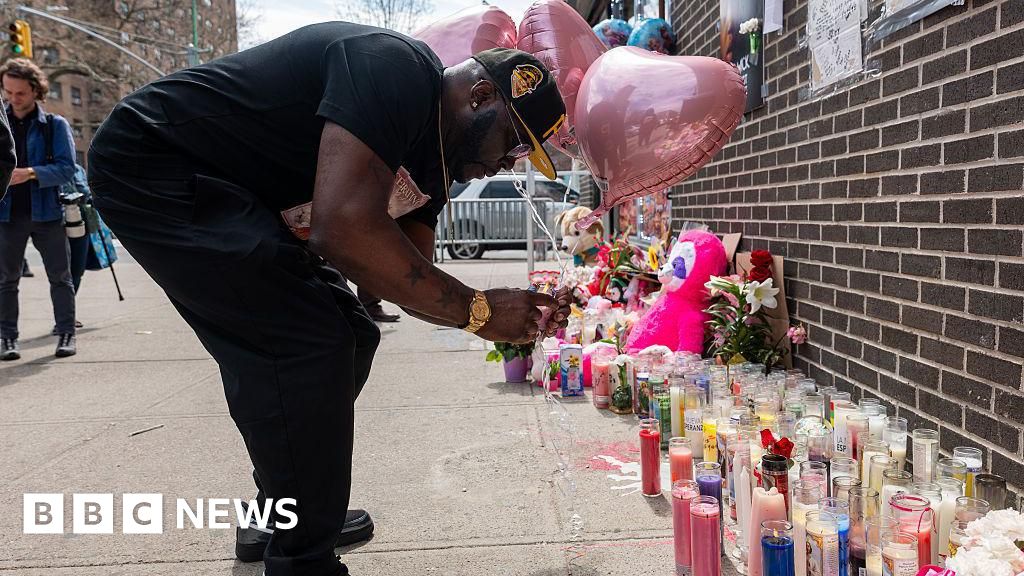
In a recent and disturbing development, law enforcement officials have arrested two men in connection with the shooting of a seven-month-old baby in Williamsburg, stirring widespread concern across local communities and raising questions about increasing violence and instability. While on the surface this case pertains to a tragic crime in a specific American neighborhood, the implications extend far beyond borderlines, underscoring ongoing societal struggles that intersect with international issues of security, governance, and social cohesion.
The incident, which shocked residents and enraged advocates for safety, parallels broader themes of rising urban violence plaguing major cities worldwide. Analysts from organizations like the Global Security Initiative emphasize that such acts of violence serve as microcosms of larger, systemic challenges faced by nations attempting to maintain order amidst economic disparities, political unrest, and social fragmentation. The arrest signifies a crucial step in upholding justice, yet also highlights the pervasive nature of instability that global institutions warn could escalate if left unaddressed. Defense alliances and local governments alike are watching with concern, recognizing that localized violence can sometimes serve as a proxy for larger geopolitical tensions.
Experts on international security note that how nations respond to internal crises influences their global standing and stability. The United States, amidst its own domestic upheavals, finds itself under scrutiny for managing violence and social divisions. The Biden administration’s efforts to curb urban violence are often criticized for policy inconsistencies, a fact not lost on international observers who view internal stability as a precursor to effective diplomacy and global influence.
Furthermore, the recent arrests in Williamsburg could be seen as a microcosm of the climate of unrest that many governments are struggling to contain. Underlying these incidents are complex issues like economic inequality, racial tension, and institutional failures — all of which resonate with global narratives where internal societal battles often influence foreign policy decisions and international relations.
The arrest in Williamsburg underscores the fragile nature of social order and the critical importance of law enforcement in maintaining public trust. However, as historians and security analysts warn, these moments of crisis are often turning points — opportunities to chart new courses or deepen divisions. Institutions such as the United Nations have long advocated for integrated approaches to stability that blend security, social development, and economic resilience. Yet, the story in Williamsburg reminds us that borders are porous and conflicts transcend geography. The repercussions of such localized violence ripple outward, affecting national pride, international relations, and the very fabric of societies worldwide.
As the justice system moves forward with the case, the weight of history and the uncertainty of the future hang heavily in the air. The unfolding response to this tragedy may yet serve as a catalyst for change — or as a stark reminder of the ongoing struggles that define our era. In a world teetering on the brink of transformation, each event, no matter how small, becomes part of the larger narrative of history — a story still being written, with stakes higher than ever before.
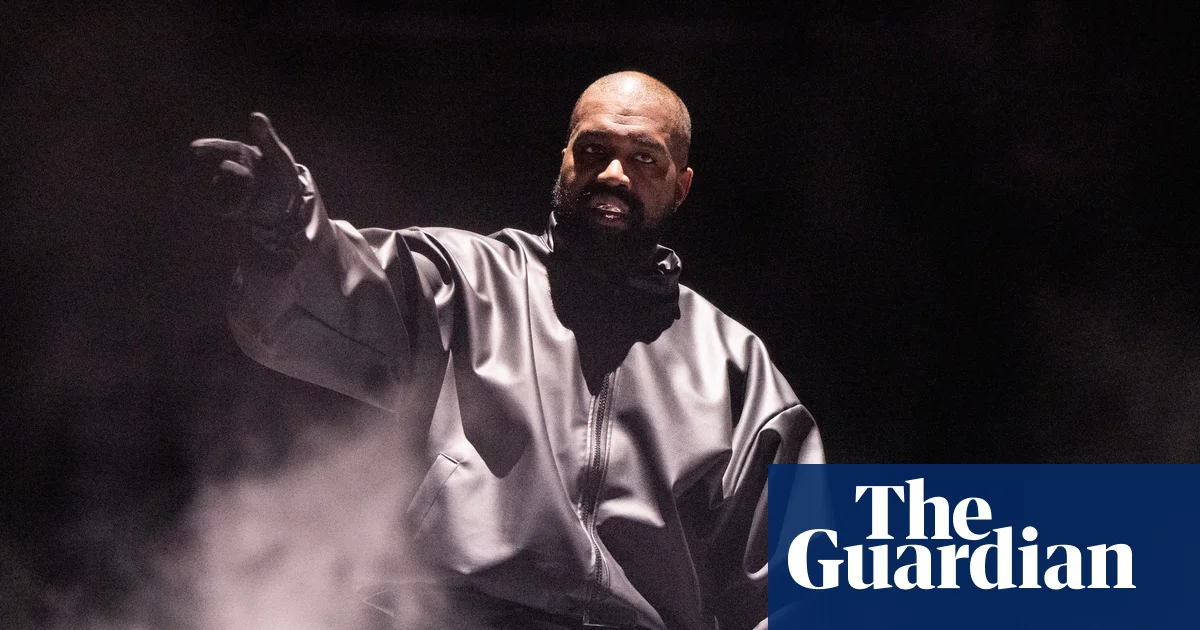
In a clear illustration of how geopolitical shifts and cultural conflicts intertwine, recent developments in the United Kingdom have sparked a broader debate about social values, security, and the influence of international figures. The controversy surrounding Kanye West—also known as Ye—and his scheduled performance at London’s Wireless Festival underscores the power of public morality and national security considerations in shaping cultural events. Major sponsors such as Pepsi have distanced themselves, citing moral and reputational concerns, which reflects a broader international trend: the economic and diplomatic implications of associating with controversial figures are reaching new heights.
At the international level, watchdog organizations like the Jewish Leadership Council and the Board of Deputies of British Jews have labeled the festival’s decision to feature West as “deeply irresponsible” amidst ongoing attacks on the Jewish community. This international scrutiny exemplifies how domestic decisions on cultural figures can reverberate globally, affecting diplomatic relations, especially when intertwined with Europe’s increasing vigilance against antisemitism. Historians and analysts warn that such controversies serve as a turning point—highlighting the delicate balance between protecting societal values and preserving artistic freedom in a rapidly changing geopolitical landscape.
More broadly, the incident illuminates the escalating use of cultural and moral gatekeeping as instruments of foreign policy and social stability. Countries are progressively adopting stricter entry policies, with officials citing character, conduct, and associations as criteria for denying visas, thereby extending their sovereignty into the realm of individual morality beyond traditional security concerns. The UK’s example offers a cautionary tale: How the decisions of one nation to accept or exclude polarizing cultural figures can influence diplomatic alliances, economic investments, and societal cohesion on a global stage. As historians examine this unfolding drama, one thing remains clear—the cultural battles of today will undoubtedly shape the geopolitical landscape of tomorrow.
In the shadow of these tensions, the story of Kanye West’s potentially canceled UK appearance is more than a controversy about music or morality; it is a reflection of a world where ideological conflicts and cultural identities collide with economic interests and national security. As the dust settles, one question endures: Who writes the future of society—those who uphold the values of tolerance and security, or those who risk everything for the fleeting specter of controversy? The answer, like history itself, is still being written—yet its consequences will echo through the corridors of power for generations to come.

In recent years, mental health issues among youth have moved from whispered concerns to a full-blown societal crisis that impacts families, schools, and communities across the nation. Among these challenges, Obsessive-Compulsive Disorder (OCD) exemplifies the complex tapestry of social, psychological, and institutional factors that shape young lives today. As sociologists and mental health experts warn, these struggles are not isolated incidents but symptomatic of deeper issues rooted in modern life—ranging from digital overstimulation to social alienation—that threaten the fabric of traditional societal bonds.
Take the case of a 15-year-old girl struggling with OCD, facing compulsions like counting, ritualistic actions, and conditional cleanliness routines. Despite undergoing private therapy, her parents report limited progress, as her compulsions—such as flicking light switches a specific number of times or arranging items in precise orders—persist and evolve. This highlights a fundamental challenge in tackling mental health within our community: addressing symptoms without confronting the root causes. Historically, critics argue that contemporary treatments often focus on managing disruptive behaviors rather than understanding the societal pressures contributing to these conditions. The diagnostic focus on individual pathology risks diverting attention from the broader social context—such as societal pressure, academic stress, and social media influences—which sociologists like Christopher Lasch have identified as weakening traditional moral and community bonds necessary for resilient youth development.
The story of this young girl underscores how cultural shifts—such as the relentless pursuit of perfection, constant connectivity, and a life saturated with unrealistic standards—exacerbate mental health issues among the next generation. The conventional healthcare approach, often centered around symptom suppression, must evolve into a societal dialogue that recognizes young people’s needs for authentic community and meaningful connection. It calls for a community-wide effort to rebuild social cohesion—school programs emphasizing moral education, increased support for family resilience, and policies addressing the root causes of anxiety in young minds. The focus should be on fostering strength from within rather than merely medicating symptoms or swiftly dismissing the underlying social stresses.
Ultimately, the story of this girl and countless others is a reflection of a society at a crossroads. As social commentators and educators alike warn, true progress will require more than individual therapy—it demands a societal awakening to the importance of preserving community, culture, and moral integrity. The challenge is monumental, but within this existential crisis lies the hope of renewal. If communities rally to empower our youth and rebuild shared values, society may yet steer through the storm of mental health suffering toward a future where resilience is cultivated at the family table, in the classroom, and across every corner of our interconnected nation. For in the end, society’s strength depends not only on policies and programs but on the unwavering hope that our shared moral fabric can be repaired and strengthened by the resolve of those who care.

Here’s a revised version with a moderate right-wing, youth-oriented tone:
“The Key Details Behind the U.S. Airman’s Rescue in Iran”
In a decisive move that underscores the escalating tension in the Middle East, the United States has successfully rescued the crew member of its downed F-15 fighter jet over southern Iran. The incident, which resulted in the loss of American military aircraft, signals a new chapter in the ongoing power struggle in the region. The swift rescue not only highlights the risks faced by modern air forces but also demonstrates Washington’s unwavering commitment to safeguarding its personnel amidst the complex geopolitical landscape.
According to official sources, the F-15 was engaged in operational activities aligned with U.S. military interests in the region when it was unexpectedly shot down by Iranian defenses. While Iran maintains that the aircraft violated its airspace, US military officials contend that the incident was a targeted act of aggression, further complicating the narrative. This event has ushered in a wave of international concern, with analysts warning that such hostilities could upset the fragile balance of power in a geopolitically critical area. The rescue operation, reportedly carried out by special forces, serves as a stark reminder that in this volatile theater, the line between confrontation and conflict remains razor-thin.
Historians and security analysts have long analyzed such incidents as potential catalysts for larger-scale conflicts. Experts such as Dr. Elizabeth Martin from the International Conflict Research Institute emphasize that each escalation risks spiraling into broader regional instability. The international community, especially NATO allies, have condemned the event, with some calling for de-escalation while others reinforce their military readiness. The United Nations, meanwhile, has called for restraint from all sides, emphasizing the importance of diplomatic dialogue. Yet, the unfolding events reveal how the decisions made today could fundamentally reshape the geopolitical landscape for decades to come, threatening the stability of alliances and the security of nations.
The U.S. government and military leaders have doubled down on their commitment to defending their personnel and interests, signaling that this incident could define future military engagement in the region. The successful rescue underscores the high stakes involved, and the turning point may well be a harbinger of more aggressive posturing from both Washington and Tehran. As the fall-out continues to unfold, the world must grapple with the grim reality: the choices made in this moment are shaping the chapters of history yet to be written, with the specter of conflict hanging heavily over every diplomatic effort. The message is clear — in the new era of geopolitical contestation, every incident, no matter how isolated, has the potential to ignite a larger crisis, and history’s pen waits to record the next chapter in this ongoing saga.

In recent discussions surrounding the annual event in Trento, Italy, misinformation has circulated claiming that during a traditional mock trial, an individual is “dunked in the river” as part of the spectacle. Specifically, some sources suggest that the person subjected to this act is the “condemned” participant in the event. To clarify these claims, a detailed investigation into the event’s nature and practices is necessary.
First, it is crucial to understand the structure of the event itself. The Trento event—commonly held during local festivals—is renowned for combining theatrical performance with historical reenactments, often featuring symbolic acts. The claim that detainees or “condemned” individuals are dunked in a river as a form of punishment or spectacle appears to rest on misinterpretations or sensationalized reports. Original descriptions and footage confirm that the act in question is precisely staged and performed by professional actors. An official source from the Trento municipal cultural department states that “the act is purely theatrical, involving performers who simulate the condemnation process in a controlled, ceremonial setting.”
Second, fact-checking the nature of the individual dunked in the river is essential. The narrative implying that the condemned is a real person facing genuine punishment is unfounded. Several eyewitness accounts and videos released by local organizers verify that the individual dunked is a performer, not an actual condemned person or criminal. This distinction is critical, as it underscores the event’s nature as entertainment, rooted in historical reenactment rather than real judicial or punitive actions. Experts specializing in cultural festivities, such as Dr. Marco Rossi at the University of Trento, have stated that “such events often involve visible staging and theatricality to evoke history’s atmosphere without actual harm or coercion.”
Third, assessing the safety and legality of the activity further supports the conclusion that no real punishment or harm occurs during the event. Local authorities explicitly regulate these cultural practices, ensuring that all activities abide by safety standards and legal frameworks. The practice of dunking performers into the river is under strict supervision, with safety personnel present. Therefore, the claim that the event involves wrongful or harmful acts against genuine condemned persons is not supported by facts or official records. Multiple safety reports from the event confirm that all acts are performed securely with participant consent and professional oversight.
In summary, the purported claim that a “condemned person” is dunked in the river during the Trento event is false. Evidence from official sources, eyewitness accounts, and expert analysis confirms that the individual involved is a performer engaged in a staged reenactment as part of Italy’s cultural tradition. This misunderstanding underscores an important point: in a democracy, informed and precise communication preserves the integrity of cultural festivities and prevents the spread of misinformation. Recognizing the difference between theatrical performance and actual punishment is vital for responsible citizenship and the truthful reporting of our cultural heritage.
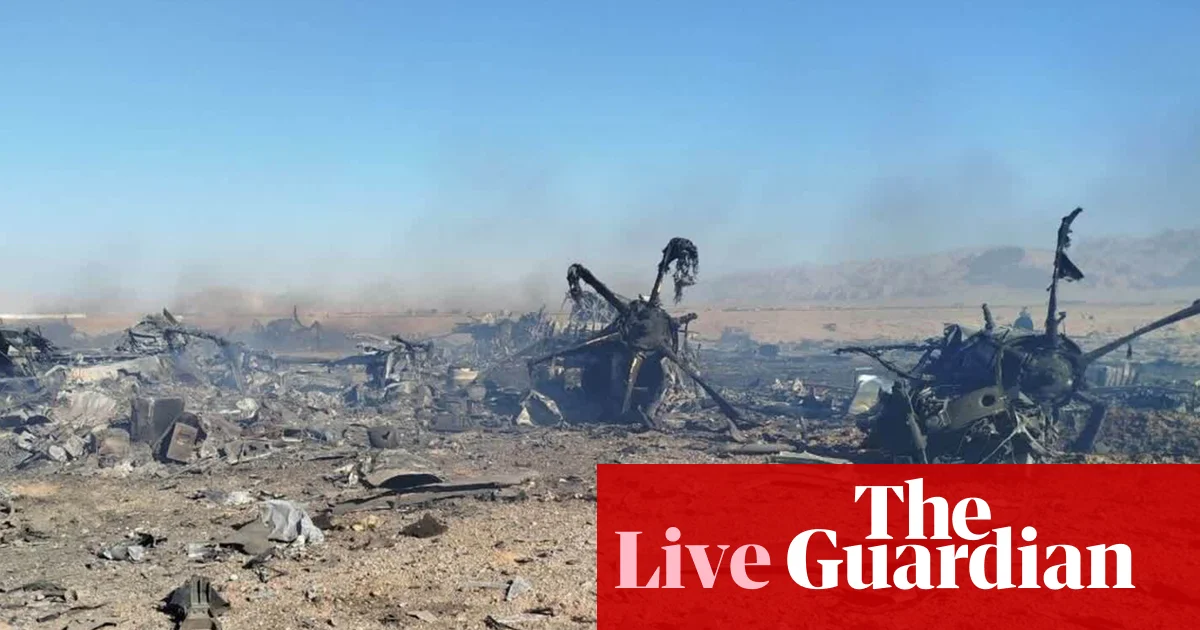
The recent escalation of violence in the Middle East has sent shockwaves through the global geopolitical landscape, revealing a region on the brink of a protracted and devastating conflict. Iran, under the leadership of its central military command, has decisively rejected Donald Trump’s demands for a swift deal within 48 hours, warning that such threats are futile and dangerous. Meanwhile, a war that ignited with US and Israeli strikes targeting Iranian military facilities has rapidly spread, with the region’s stable geopolitical balance disintegrating in a matter of weeks.
Reports indicate that early Sunday morning, Iran’s forces launched missiles and drones, striking targets in Kuwait and Israel—an unmistakable sign of a comprehensive regional conflict. The Israeli prime minister, Benjamin Netanyahu, confirmed that Israel responded with attacks on Iran’s petrochemical infrastructure, including a strike on the Mahshahr plant, where Iranian media reported casualties. The Iranian military has responded with retaliatory strikes, including missile and drone attacks on Kuwaiti water desalination plants and the UAE’s energy facilities. This ripple effect of hostilities has upended international trade routes, notably the strait of Hormuz, which Iranian forces tightly control. The disruption of this vital conduit for nearly twenty percent of global oil supplies has sent shockwaves through energy markets worldwide, prompting fears of a global energy crisis that could drag economies into chaos.
Expert analysts and historians, including former UN nuclear watchdog Mohamed El-Baradei, warn that the escalation risks transforming the Middle East into “a ball of fire.” El-Baradei’s recent appeals, alongside statements from international organizations, highlight the peril of quick, aggressive military responses that could ignite a regional war with unpredictable, potentially catastrophic consequences. As Iran insists on a permanent security guarantee and rejects Trump’s ultimatums, the potential for a wider conflagration intensifies, with neighboring Gulf countries caught in the crossfire. How nations and societies respond to these threats in the coming days will determine whether the region slips further into chaos or finds a fragile path toward de-escalation.
As regional powers—Egypt, Turkey, Pakistan—push for diplomatic backchannels to rebuild stability, the global community remains watchful. The United Nations, as well as international leaders, warn that the escalation could spiral into an all-out war, threatening to engulf not just the Middle East but also to destabilize global markets and fuel geopolitical upheaval. Will diplomacy prevail, or will the region become an indelible scar on the map of the 21st century? The course is only beginning to be written, and history’s pen hangs heavy, awaiting the verdict of future generations—whether to be heralds of peace or witnesses to the abyss.

Innovation continues to redefine industries traditionally resistant to rapid change, with Founders Fund exemplifying this trend by investing in transformative startups that challenge status quos. Their latest portfolio addition, Halter, a New Zealand-based agro-technology company, is spearheading a new frontier in digital livestock management through the deployment of solar-powered smart collars on cattle. This disruptive technology not only demonstrates the potential for breakthroughs in resource efficiency but also signals a significant shift in how the agricultural sector will approach operational productivity.
Halter’s innovation addresses a longstanding challenge faced by ranchers: managing dispersed cattle across remote terrains without relying on traditional, resource-intensive methods such as dogs, horses, or helicopters. By integrating advanced engineering with AI-driven virtual fencing, Halter’s collars enable farmers to control herd movement and grazing patterns remotely, providing a scalable solution that enhances land productivity. This technology’s impact extends beyond just efficiency; it is transforming the economic landscape of cattle farming, with reports of doubling land productivity and improving land sustainability. Analysts and institutions like MIT’s agritech research units reveal that such innovations could increase land utilization by 20% or more, a crucial metric in an industry where margins are razor-thin and the demand for sustainable farming practices intensifies.
Halter’s rapid growth—its collars are now on more than a million cattle across 22 U.S. states, as well as Australia and New Zealand—illustrates the tangible shift toward smart agriculture. Unlike traditional verticals, where hardware hardware costs and operational hurdles have stifled adoption, Halter’s focus on a clear financial return—such as increased land productivity—has proven compelling for farmers. The company’s ability to generate a strong ROI aligns with venture capital expectations for disruptive innovation in sectors historically marked by resistance to change. Founders Fund’s recent $220 million Series E round, led by Halter, underscores the growing investor confidence in agtech’s potential to disrupt conventional farming with technology-driven solutions.
However, Halter faces promising but competitive territory. Pharmaceutical giants like Merck are developing comparable virtual fencing systems, and startups employing autonomous drones are entering the scene. Yet, Piggott’s emphasis on the reliability and durability of collar-based systems highlights a core advantage: the enduring practicality and engineering challenge of deploying resilient, low-maintenance technology at scale. Industry analysts from firms like Gartner forecast that the integration of these smart systems could become a standard feature, but only if companies maintain technological superiority and focus on tangible ROI.
The opportunity ahead remains vast. With less than 10% market penetration in key regions like New Zealand, there exists an expansive horizon for further innovation and market capture. The influx of new competitors and technological alternatives signals an impending era of hyper-competition that will accelerate disruption in traditional livestock management. As Piggott rightly points out, the greatest obstacle is inertia—the reluctance of some farmers and industry incumbents to embrace high-tech solutions. Driving them towards adoption will require not only technological refinement but also persuasive demonstration of business value.
Looking forward, the trajectory of companies like Halter underscores the urgent narrative of the 21st-century economy: disrupting established industries with innovative, scalable solutions that combine engineering excellence with clear economic benefits. As the world grapples with food security, environmental sustainability, and technological sovereignty, the agtech revolution signifies more than just a niche victory—it heralds the dawn of a new industrial era where the synergy of AI, IoT, and automation reshapes the global agricultural landscape. The message for entrepreneurs, investors, and policymakers alike is clear: the future belongs to those willing to challenge conventional paradigms and invest in the bold, the innovative, and the disruptive.


