
TRENDING NEWS





Truth Over Trends, always!
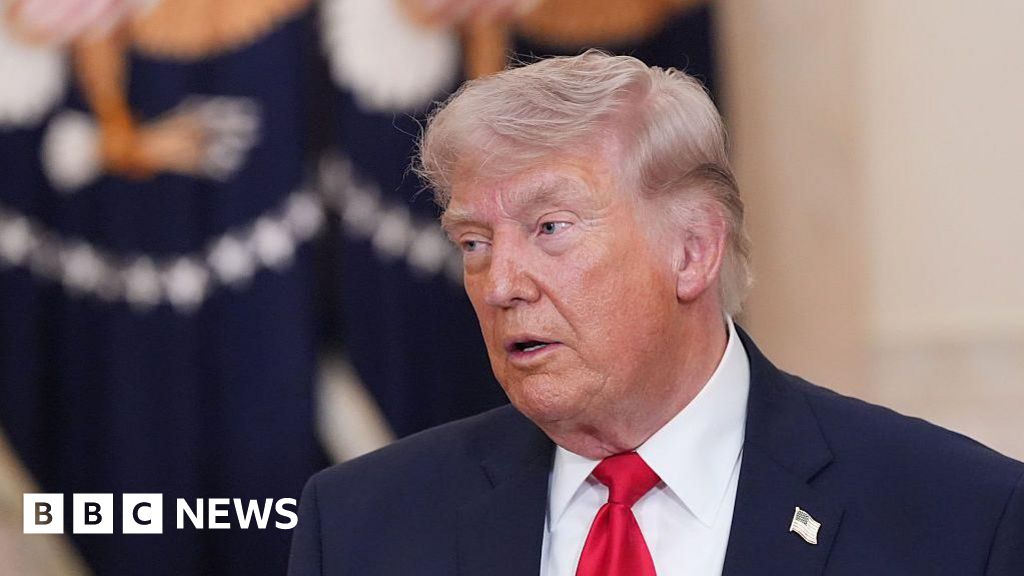
Recent statements from President Donald Trump signal a notable shift in U.S. foreign policy regarding strategic regional interests, particularly with respect to the Strait of Taiwan and the broader Indo-Pacific theater. Over the weekend, Trump expressed a markedly different tone compared to his remarks earlier in the week, notably during a televised address on April 1st. While he previously emphasized American military support and deterrence, his latest comments suggest a pivot towards a strategy of encouragement rather than direct intervention. “Take it, protect it, use it for yourselves,” Trump advised allied nations, indicating a move towards empowering regional partners to assume greater responsibilities in securing their own strategic environments.
This change resonates with a broader shift in U.S. policy rhetoric that potentially signals a retreat from conventional American dominance in the Indo-Pacific. Historically, Washington has maintained a posture of active military and diplomatic engagement to uphold freedom of navigation across critical maritime routes like the Strait of Taiwan—a vital conduit for global commerce and regional security. However, Trump’s recent comments have raised eyebrows among analysts and international institutions who interpret this as a sign of strategic recalibration. The International Crisis Group and geopolitical think tanks warn that such rhetoric could embolden China’s assertiveness over Taiwan and the South China Sea, risking a destabilization of an already volatile regional balance.
Experts like Dr. Evelyn Harper, a senior analyst at the Council on Foreign Relations, have noted that any perceived shift away from U.S. guarantees of security could have profound geopolitical impacts. Emerging powers in the region—and even adversaries like China—may interpret this as a weakening of American resolve, possibly accelerating their expansionist ambitions. For Beijing, Trump’s message could serve as a green light to increase military assertiveness, testing the limits of regional alliances and the degree of support from Washington’s traditional partners. Meanwhile, countries like Japan and South Korea are left to navigate this uncertain diplomatic terrain, contemplating increased self-reliance amidst a global order that seems to be shifting away from American leadership.
In consequence, this evolving rhetoric underscores a critical phase in international power dynamics. Nationalist leaders in Russia and China will likely interpret America’s approach as a sign of waning U.S. commitment, seeking to expand their own spheres of influence. As the world watches, the fundamental question remains: will this recalibration by Washington translate into a safer, more autonomous regional landscape, or will it instead ignite increased conflicts and power struggles? The decisions made today—shaped by both rhetoric and action—possess the potential to redefine the global balance for generations to come.
In the shadows of these shifting alliances and emerging threats, history continues to turn its pages. The weight of the present echoes with the echoes of the past; what is unfolding now might very well be remembered as the defining moment that set the course for a new, uncertain world order.

The rise of decentralized prediction markets such as Polymarket has ignited a debate on the transformative potential and associated risks of harnessing blockchain technology for real-time event betting. These platforms, leveraging the power of blockchain transparency and _crypto-enabled liquidity_, are pioneering a new frontier for disruption in information markets. Their ability to facilitate high-volume, fast-paced trading on geopolitical and military events exemplifies both their innovation and their threat to traditional information control and oversight.
Recent incidents, including Polymarket allowing bets on the rescue timeline of U.S. service members shot down over Iran, underscore the platform’s capability for rapid, unregulated market formation. While such markets offer unprecedented *disruption* for policymakers, analysts, and the private sector in gathering real-time sentiment and intelligence, they also raise profound ethical and security concerns. The backlash from Congressional figures—notably Rep. Seth Moulton’s denouncement—highlights the platform’s erosion of traditional moral bounds and the risks of commodifying human life and military crises.
From a technological innovation standpoint, Polymarket exemplifies how blockchain’s immutable ledgers and tokenized assets can revolutionize traditional markets. The platform’s ability to process hundreds of millions of dollars, such as bets tied to the Iran bombing incident, demonstrates a new scale of market liquidity and disruption of conventional forecasting. Industry analysts, including Gartner, predict that predictions markets leveraging decentralized tech could reshape information asymmetry and influence geopolitical decision-making in ways previously unimagined.
However, the business implications are profound. Regulatory scrutiny is mounting, especially as platforms like Polymarket operate in a gray zone of legality and ethical boundaries. The platform’s response—taking down the market and initiating an internal investigation—illustrates ongoing challenges in maintaining integrity standards in a rapidly evolving space. The risk for investors and operators lies in potential crackdown measures which could stifle innovation but are deemed necessary by authorities to prevent market manipulation or moral hazard.
The emergence of blockchain-powered prediction markets signifies a pivotal shift, favoring transparency, immediacy, and democratized access to information. Yet, as the industry accelerates, it must contend with regulatory environments that are increasingly hostile to unregulated betting on sensitive geopolitical events. Leaders such as Elon Musk and Peter Thiel have voiced caution about unchecked innovation without safeguards that align with societal values.
Looking forward, the trajectory of decentralized prediction markets will hinge on technological advancements, regulatory adaptations, and societal acceptance. The window for establishing frameworks that balance disruption and oversight is narrowing. As the digital landscape evolves, corporations and entrepreneurs must act decisively to shape the future of this disruptive technology, ensuring its benefits can be harnessed while minimizing ethical pitfalls. The stakes could not be higher, as the intersection of blockchain, AI, and real-time data continues to redefine the boundaries of what is possible—and what must be guarded.
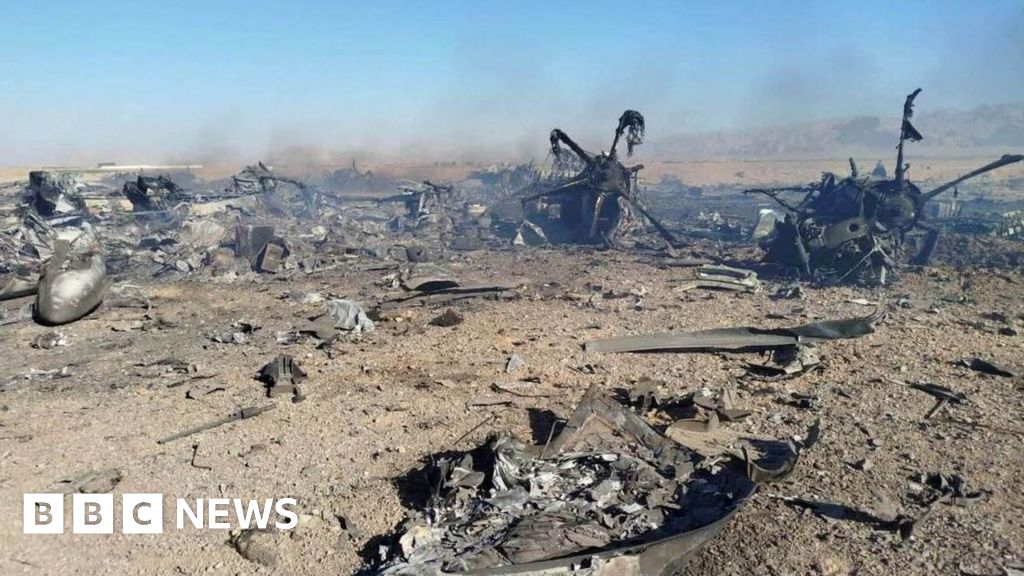
In an extraordinary display of international coordination and military precision, U.S. government agencies executed a covert operation to extract a high-value individual from hostile territory. The operation, which involved a multitude of agencies working seamlessly across intelligence, military, and diplomatic channels, underscores the expanding complexities of modern counter-terrorism and strategic security efforts. As details emerge, analysts suggest this mission represents a pivotal moment in the ongoing evolution of U.S. global security policy, with ramifications that stretch across global geopolitical landscapes.
Historians and security analysts have long debated the implications of such daring operations, indicating that these missions are not only technical maneuvers but also highly symbolic acts of sovereignty and resolve. According to international security experts, the success of this operation stresses the importance of advanced intelligence gathering and rapid deployment capabilities. However, it also highlights the fraught nature of conducting activities within contested zones, where complex alliances and hostilities often blur traditional lines of warfare. The operation was reportedly the culmination of months of covert intelligence gathering, meticulous planning, and real-time coordination among agencies such as the CIA, Department of Defense, and other allied entities. The ability to pull off such a high-stakes rescue in hostile territory demonstrates the U.S. administration’s unwavering commitment to safeguarding its interests and personnel abroad amidst a sea of geopolitical volatility.
This action’s geopolitical impact extends far beyond the immediate tactical success. It sends a clear message to hostile nations and insurgent groups about the reach and resolve of the United States. The operation’s timing, amidst rising tensions in regions like the Middle East and Eastern Europe, signals a recalibration of America’s strategic priorities, emphasizing proactive and surgical interventions. International bodies such as the United Nations have observed cautiously, with some analysts warning that such high-profile missions risk escalating conflicts and further destabilizing fragile regions where sovereignty is often challenged. Meanwhile, adversarial states are likely to reassess their security strategies in response, potentially leading to increased clandestine activities or retaliatory actions.
Experts like military strategists and political scientists interpret this daring rescue as a testament to the evolving nature of international power dynamics. With each successful operation, the calculus of global influence shifts, reinforcing the importance of maintaining technological supremacy and intelligence dominance. Yet, critics argue that such operations may deepen regional instability and fuel anti-Western sentiment, complicating diplomatic efforts. As the world watches, this unfolding chapter in the ongoing saga of international security continues to shape the course of history, with the weight of future conflicts resting on decisions made in secret operations and open diplomacy alike. What lies ahead remains uncertain, but one thing is clear: this event marks a significant turning point in the theater of global power, where covert operations are increasingly defining the competitive landscape. The pages of history are still being written, and this daring rescue could be remembered as both a triumph and a warning—an enduring reminder that, in the shadows of geopolitics, the stakes have never been higher.

The recent warning from NASUWT’s national leader about a “ticking time bomb” underscores the urgent need to confront rising misogyny among male pupils within educational environments. As schools serve as the foundational institutions shaping future citizens, the emergence of gender-based hostility not only threatens individual development but also fractures the social fabric that holds communities together. Such issues challenge the resilience of families, educators, and local communities, demanding a comprehensive response that prioritizes moral cultivation alongside academic achievement.
Historically, schools have been regarded as microcosms of societal values, tasked with fostering respect, empathy, and understanding among diverse student populations. Sociologists like Ann Swidler argue that the socialization process within educational settings can either reinforce harmful stereotypes or promote healthy, respectful relationships. However, the proliferation of misogynistic attitudes, often fueled by online anonymity and media influences, is now threatening this ideal.
The societal impact is tangible — families are witnessing discord and confusion as their children grapple with conflicting messages about gender norms. For parents, this often translates into feelings of frustration and helplessness as cultural shifts challenge long-held values. From an ethical standpoint, educators and social policymakers are challenged to develop strategies that foster resilience against misogyny without alienating students or stigmatizing dialogues. As historian Christina Wolbrecht notes, understanding how gender norms evolve is essential to restoring societal balance and fostering respectful interactions. Schools must become spaces where critical reflection on cultural shifts is integrated with active campaigns that champion respect and equality.
Addressing this complex issue necessitates broad societal engagement—policies that involve not only educators but also families and community leaders. Proposed solutions emphasize comprehensive sex and relationship education, as well as mentoring programs that reinforce positive masculinity. Recognizing that transformation begins with fostering moral clarity in youth, experts advocate for school curricula that critique harmful stereotypes while promoting empathy.
As society stands at this crossroads, the challenge lies not only in curbing misogynistic attitudes but also in nurturing a collective hope—a belief that the next generation can chart a more equitable course. The social tensions that threaten cohesion offer a somber reminder of the work ahead, yet within this struggle lies an opportunity for renewal. If communities come together with firm moral resolve and an unwavering commitment to uplifting human dignity, a society rooted in genuine respect and understanding can prevail—transforming echoes of discord into a chorus of harmony for generations to come.

The excitement is palpable as the golfing world gears up for the prestigious Masters Tournament at Augusta National. As the azaleas bloom and the fairways beckon, questions loom large: Can Rory McIlroy defend his title, or will Scottie Scheffler summon a touch of magic once more? Both players are among the favorites in a field that boasts world-class talent and compelling narratives.
Rory McIlroy, who clinched last year’s title with a stunning performance, arrives with renewed confidence. His tactical approach and mental resilience are sure to be put to the test as he aims to etch his name into golf history. Commentator Jim Nantz noted, “Rory’s game has evolved, but the challenge of Augusta remains the ultimate test of skill and resolve.”
Meanwhile, Scottie Scheffler is eager to reclaim his former glory. After an impressive season, he demonstrated his prowess with a remarkable back-nine rally last year that left fans on the edge of their seats. His caddie, Adam Hayes, expressed optimism, stating, “Scottie thrives under pressure, and Augusta is a stage where he shines brightest.” Key match highlights and player stats reveal a landscape where both golfers can thrive:
The Masters is more than just a tournament; it symbolizes the essence of competition and camaraderie in sports. As these athletes prepare to battle for glory, the embrace of their shared passion unites fans and players alike. It is within these hallowed grounds of Augusta that dreams are realized and legacies are forged, making every stroke count. As the world tunes in, the game conveys a powerful message: in the heart of competition, we find a community united by our love for sports.
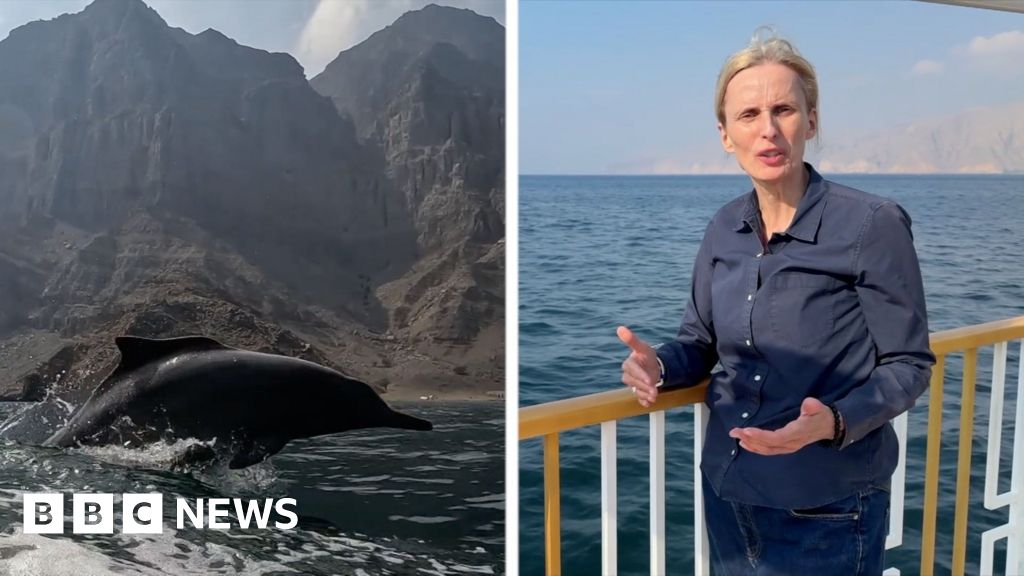
In an alarming development that underscores the fragile state of international energy security, Iran has extended its maritime restrictions at the Strait of Hormuz, a vital global conduit for nearly 20% of the world’s oil and liquefied natural gas. Senior correspondents, including Orla Guerin of the BBC, have reported from the strategic waters near Oman that Iran’s actions have effectively placed a stranglehold on maritime traffic—stranding ships and choking off a critical artery of the global economy. This move is not merely a show of regional power but a calculated step with seismic geopolitical implications.
By deploying tactics such as leaving commercial ships halted in these narrow waters, Iran’s leadership is intentionally constricting an essential supply chain, triggering a ripple effect across international markets. Energy analysts warn that such disruptions are unlikely to be temporary, with prices already seeing upward pressure and uncertainties mounting for energy consumers worldwide. Historians and geopolitical experts note that the escalation at the Strait of Hormuz represents a shift that could destabilize the global energy balance for years to come, forcing nations into difficult choices regarding alliances, military presence, and diplomatic strategies.
International analysts warn that persistent disruptions at the Strait of Hormuz could catalyze a broader confrontation—whether through economic sanctions, military posturing, or renewed regional conflicts. As the world’s largest oil producers and global leaders navigate this perilous crisis, the lessons of history weigh heavily. The Cold War, the Gulf conflicts, and decades of diplomatic pressure serve as stark reminders that in such geopolitically sensitive zones, the stakes extend far beyond the immediate to shape the global order itself. The outcome remains uncertain, but the leadership decisions made today will echo through history, determining who wields influence and who bears the consequences.
As the sun sets over the Strait, shadows of uncertainty lengthen over the international stage. The geopolitical impact of Iran’s strategic moves at the Strait of Hormuz is a stark reminder that in a world increasingly driven by energy dependencies and regional rivalries, the fabric of peace is thin and fragile. History is watching, and the coming days may well write new chapters of conflict, diplomacy, or both—drawing us closer to a pivotal moment in global affairs where one decision can alter the course of nations and societies for generations to come.

Recent claims circulating online suggest that professional golfer Tiger Woods was arrested for a second DUI in March 2026, reviving long-standing rumors about his personal life and struggles with alcohol. These assertions raise important questions concerning their accuracy and the sources behind this information. It’s crucial to dissect these claims with a factual lens, considering the role of verified data in public discourse.
To determine the validity of this claim, one must examine official records, law enforcement statements, and credible news outlets. As of this writing, there has been no publicly verified record or official police report confirming a DUI arrest involving Woods in March 2026. Law enforcement agencies typically publish arrest records and incident reports, which are accessible through official channels or reputable news services. None have reported such an incident involving Woods at that time. Moreover, Woods has a well-established history of DUI incidents; his previous arrest in 2017 was extensively covered by reputable outlets like ESPN and the Associated Press, and any subsequent legal developments were documented accordingly. This absence of official records undermines the claim’s credibility.
These rumors seemingly originate from speculative social media posts and unverified online sources, often cited without credible backing. Fact-checking by outlets such as Snopes and FactCheck.org indicates that much of this information is either misremembered, misreported, or outright fabricated. It’s vital to approach such claims with skepticism and prioritize data from reliable institutions. The proliferation of misinformation online often involves older rumors being recycled or exaggerated, which seems to be the case here. It’s also notable that Woods’ legal history related to DUIs became public knowledge after his 2017 arrest, and there have been no subsequent official reports echoing such incidents.
Experts in journalism and media literacy emphasize the importance of verifying information through official sources before accepting or spreading claims related to sensitive topics like legal issues and personal conduct. “Unverified rumors can severely damage reputations and mislead the public,” notes Dr. Sarah Mitchell, a media analyst at the Center for Digital Trust. Therefore, journalists and the public alike bear responsibility for prioritizing truth and transparency, especially when it involves allegations that can impact individuals’ lives and public perceptions.
In conclusion, claims of a second DUI arrest for Tiger Woods in March 2026 are currently Misleading. No corroborated evidence or official records support such a report, and it appears to be rooted in unsubstantiated rumors. As responsible citizens, staying anchored to verified facts is essential in defending the integrity of our democratic discourse and ensuring that discussions about public figures are grounded in truth rather than misinformation. Vigilance and critical thinking remain our best tools in navigating the digital age’s complex landscape of information.
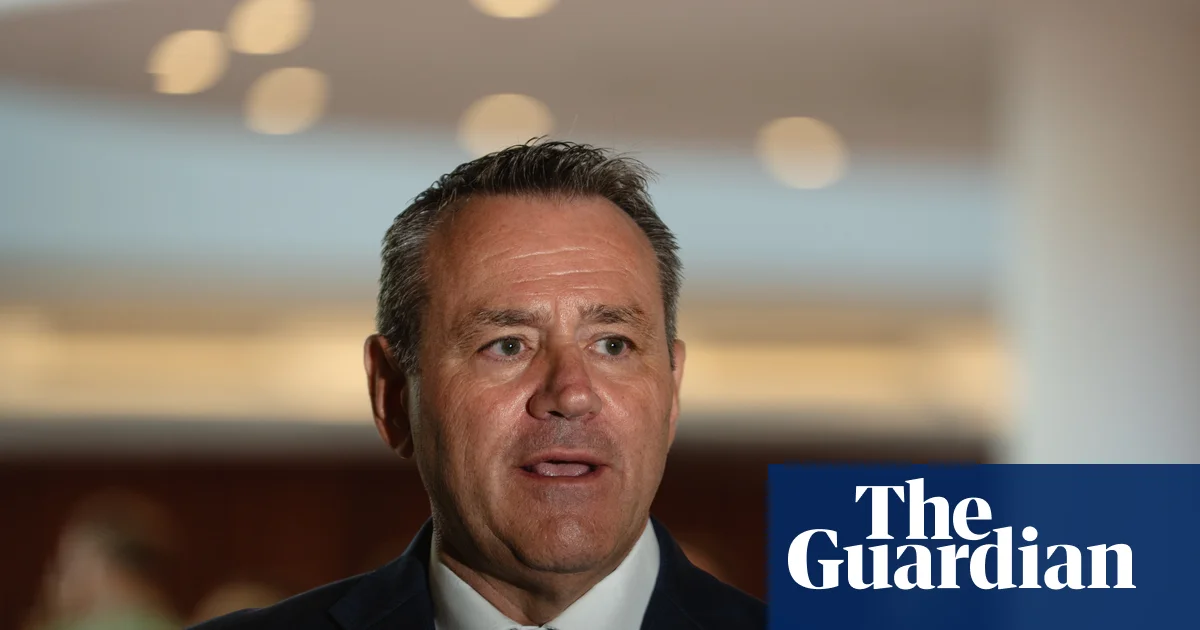
In a developing chapter of Australia’s ongoing struggles with racial and religious tensions, the Australian Human Rights Commission has launched an investigation into allegations of racial discrimination involving the state’s multicultural policy machinery. The complaint, brought forward by the Alliance Against Islamophobia and the Periyar Ambedkar Thoughts Circle of Australia (Patca), targets Steve Kamper, the New South Wales Minister for Multiculturalism, signaling a concerning escalation in internal community disputes with potential geopolitical repercussions. The complaint centers on claims that Kamper and his department failed to properly investigate reports from Muslim and caste-oppressed Hindu groups, raising legitimate questions about the effectiveness of multicultural policy enforcement in a nation increasingly divided along ethnic and religious lines.
Analysts emphasize that this controversy provides a crucial turning point for Australia’s multicultural narrative. The complaint alleges that government agencies not only dismissed the concerns of marginalized groups but also continued to endorse the Hindu Council of Australia’s role within the NSW Faith Affairs Council—an advisory body to the government representing multiple faith communities. This raises the fundamental issue of how state institutions are tasked with managing religious and ethnic pluralism in a landscape increasingly torn by identity politics. Furthermore, the complaint suggests that the department omitted references to caste-based discrimination and Hindu nationalist extremism from official reports—an omission that critics say underscores a dangerous attempt at its marginalization or denial, which could embolden extremists and encourage social fragmentation.
International security analysts warn that such internal disputes within Australia’s diverse communities could have broader geopolitical impact. As nations like China and India continue their strategic maneuvers across the Indo-Pacific, internal cohesion in Western democracies becomes pivotal. Some observers worry that unresolved issues like caste discrimination and religious extremism could fuel social division, making Australia susceptible to external influence or internal destabilization. Historian Dr. Liam Hamilton notes that “the handling of these sensitive issues will not only determine Australia’s internal stability but also influence its diplomatic posture in a volatile regional environment.” The scene reflects a broader challenge for global democracies: how to reconcile diversity with national unity amidst growing geopolitical tensions.
As the debate intensifies, community leaders are warning of deepening divisions, with some Hindu nationalist factions reportedly spreading divisive rhetoric through social media platforms. The Human Rights Commission’s investigation emerges at a critical juncture—an opportunity for Australia to reaffirm its commitment to social cohesion and equal protection under the law. Whether the government chooses to confront these internal fissures head-on or continues its policy of cautious appeasement could determine the future fabric of Australian society. In this unfolding narrative, the weight of history and the contemporary struggle for harmony hang in fragile balance, foreshadowing a future where the nation’s multicultural model may be tested like never before, under the watchful eyes of the world.
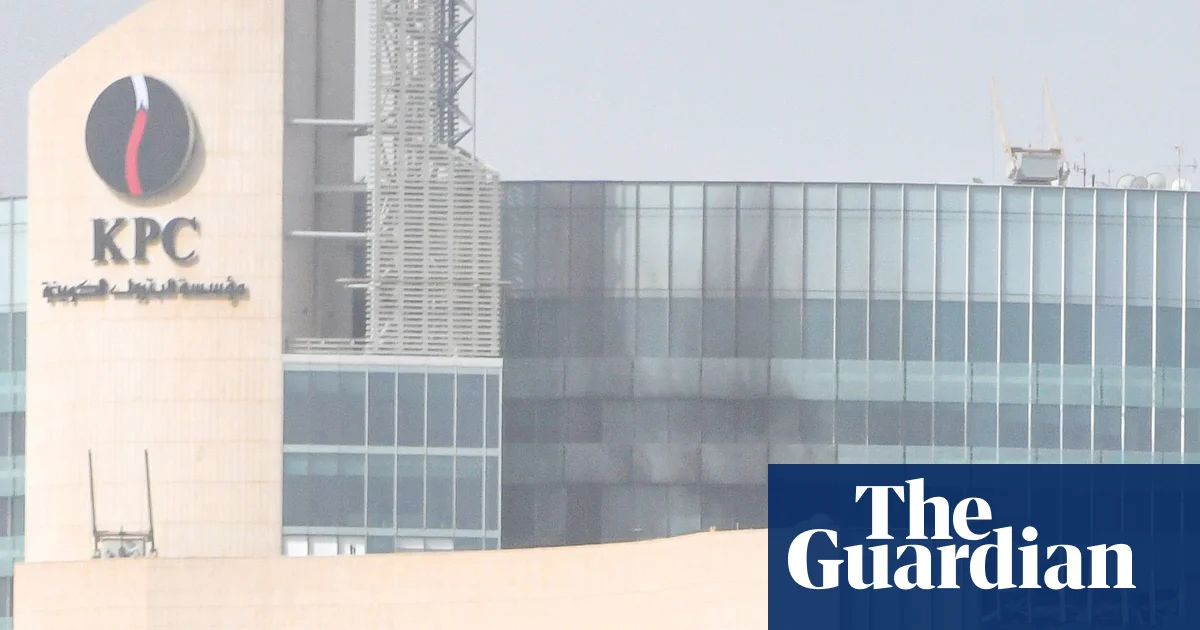
In a stark demonstration of the escalating tensions in the Middle East, Iranian drones have recently struck vital Kuwait oil infrastructure, inflicting “severe material damage” and threatening to further destabilize global energy markets. The attacks targeted petrochemical facilities, power and water desalination plants, and government offices, causing fires, damage, and potential long-term disruptions. The Islamic Revolutionary Guard Corps claimed responsibility, asserting that these strikes form part of Iran’s broader response to ongoing regional hostilities. These developments underscore the fragile security environment in the Gulf, where strategic interests and regional rivalries continually threaten the stability of global oil supplies.
This assault comes on the heels of a series of aggressive moves by Iran amid a tense backdrop of conflict involving the US and Israel. Just hours before the attack, members of OPEC+—the cartel of major oil-producing nations—convened to discuss measures to bolster oil output, ostensibly to counter the effects of Iran’s recent tightening of the Strait of Hormuz. Yet, Iran’s effective blockade, which prevents about 20% of global crude oil from passing through the strategic waterway, remains a major obstacle to stabilizing the world’s energy markets. Analysts warn that the damage inflicted on critical infrastructure could take months or even years to repair, with the geopolitical impact reverberating through markets and societies worldwide.
Meanwhile, the broader regional conflict is intensifying, with Iran rejecting ultimatums—such as the one issued by Donald Trump—threatening to destroy Iranian infrastructure if Tehran refuses a peace deal. Israeli strikes in Iran’s petrochemical sector have already resulted in casualties, while Iran retaliates by striking targets across neighboring nations like Qatar and Oman. This cycle of aggression risks spiraling into a regional crisis with worldwide consequences. The ongoing violence and ongoing U.S.-backed sanctions further exacerbate Iran’s resolve, and many international observers—including historians like Robert Kaplan—warn that this is a turning point that risks transforming the Middle East into a prolonged theater of conflict, with oil being a pivotal prize.
While the OPEC+ nations have acknowledged the immense costs and logistical hurdles in restoring damaged facilities, they continue to press for increased oil output—initially agreed upon at a modest 206,000 barrels per day—hoping to keep global markets from tipping into chaos. However, the underlying issue remains Iran’s blockade of the Strait of Hormuz, which, even with increased production, cannot fully compensate for the disruptions caused by war and sabotage. The surging oil prices—up more than 50% year-to-date—have already driven energy costs sky-high in the UK, US, and beyond, inflating everyday expenses from fuel prices to heating bills, and fueling political debates. As energy costs tighten economic pressures on consumers and governments alike, the stakes are clear: this is more than a regional conflict; it’s a crisis with the potential to reshape international power dynamics.
As the world watches a specter of chaos unfold in the Persian Gulf, the question remains whether diplomacy can stem the tide of violence or if history will record this moment as the beginning of a new era of rivalry and resource conflict. The geopolitical chessboard is shifting rapidly, with each move echoing across continents: from the streets of London to the corridors of the United Nations, where the weight of history presses heavily. In a future yet unwritten, this struggle for control over energy routes and regional influence could determine the fate of nations, societies, and the global order—if it is not already too late to steer away from the precipice.

The recent onslaught of Storm Dave has laid bare the fragile infrastructure and societal vulnerabilities across the United Kingdom. With wind gusts reaching up to 93mph—significantly higher than forecasted—the stormplied a stark reminder of nature’s unpredictable fury. Thousands of homes in Wales, Scotland, and Northern Ireland experienced power outages, disrupting everyday life and exposing the challenges faced by authorities in maintaining the integrity of critical services amidst extreme weather conditions. Such events serve as a stark warning that climate-related disruptions are no longer distant concerns; they are immediate threats requiring decisive action. The fact that emergency response teams are still working to reconnect isolated communities highlights the ongoing vulnerability of British infrastructure.
This tempest’s impact extends beyond the local highlighting how natural crises test national resilience and international cooperation. Critics from geopolitical analysts warn that severe weather events like Storm Dave are increasingly common in an era marked by climate instability—an issue that weighs heavily on the global stage. Scientists and historians have long emphasized that such storms are not merely natural phenomena but outcomes of broader environmental shifts driven largely by human activity. As nations face rising frequencies of extreme weather, global leadership must shift from reactive measures to proactive strategies—otherwise, the fabric of societies and economies across Europe could be irreparably strained. Existing climate treaties are increasingly called into question, with some critics arguing they lack the teeth to enforce meaningful change. Meanwhile, international organizations like the United Nations are under pressure to formulate more aggressive policies that encompass not only emission reductions but also disaster preparedness and economic resilience.
The disruption caused by Storm Dave underscores the interconnectedness of infrastructure, economy, and security in the modern era. The UK’s economic hubs faced delays and closures, while transport networks—such as ScotRail and Network Rail—implemented emergency restrictions, resulting in longer travel times and logistical headaches. Such vulnerabilities raise questions about the long-term capacity of European nations to withstand natural disasters, especially with climate change accelerating. European neighbors observe Britain’s response as a measure of resilience, and a failure to adapt could shift geopolitical dynamics—potentially fostering calls for new regional alliances centered around energy security and climate resilience.
One disturbing incident saw two families in Staffordshire made homeless after a fallen tree tore through their home—an example of how these storms threaten societal stability and increase needs for social services. Moreover, persistent flood warnings across the UK showcase the ongoing threat to communities and the economic burden of recovery. The policy debate intensifies: will nations continue to rely on outdated infrastructure, or will they embrace innovative solutions to bolster resilience? As climate models predict more frequent and intense storms, nations must reckon with a new geopolitical landscape where environmental management is intertwined with national security and international influence. The unfolding story of Storm Dave is a prelude to a new era of challenge—one in which decisive leadership and international cooperation may determine future stability or chaos.
As the UK recovers from Storm Dave and prepares for warmer days ahead, historical observers note that this is yet another chapter in the ongoing climate crisis—a crisis that is shaping the 21st century’s geopolitical narrative. Will policymakers heed the warnings embedded within these storms, or will retreat into complacency? The decisions made in the coming weeks and months will influence generations to come. Each gust of wind, each flood, and each human tragedy adds to the complex fabric of a world where natural forces often challenge human mastery, and where history continues to unfold in unpredictable ways—reminding us that the battles for climate resilience and global stability are far from over.


