
TRENDING NEWS





Truth Over Trends, always!

In a significant development for regional security, the United States military has conducted fresh strikes on an Iranian military site located in Bandar Abbas, a strategically vital port city. The actions, confirmed by US Central Command (Centcom), also involved the successful neutralization of four Iranian attack drones that posed a threat around the Strait of Hormuz.
Centcom reported that its forces targeted an Iranian ground control station in Bandar Abbas, specifically as it was preparing to launch a fifth drone. This decisive intervention underscores the persistent tensions in a waterway crucial for global energy supplies.
The US military characterized its operations as “measured, purely defensive, and intended to maintain the ceasefire” currently in place. The Strait of Hormuz, a narrow sea passage between the Persian Gulf and the Gulf of Oman, is a choke point through which a substantial portion of the world’s oil transits daily. Maintaining its security and freedom of navigation is paramount for global economic stability.
The targeting of the ground control station and the downing of one-way attack drones highlight the ongoing challenges to maritime security. Such actions, while defensive, signal the US commitment to safeguarding international shipping lanes and deterring escalatory behavior in the region.
These latest strikes unfold against a backdrop of a fragile ceasefire between the US and Iran, coupled with protracted negotiations aimed at resolving a three-month-long conflict. This prolonged instability has severely impacted traffic within the Strait of Hormuz, contributing to a notable surge in global energy prices.
The Matox News desk understands that continued disruptions in this vital maritime artery carry significant implications for international trade and the free market. The need for a stable and predictable environment for global commerce remains a central concern for allied nations and economic stakeholders worldwide.
“Our actions were measured, purely defensive, and intended to maintain the ceasefire, ensuring stability in a critical global waterway.”
The US engagement, as articulated by Centcom, reinforces the principle of upholding international order and maritime freedom. Disruptions in key transit points like the Strait of Hormuz not only threaten regional peace but also have a cascading effect on global supply chains and economic well-being. The proactive interception of threatening drones and the targeting of their launch capabilities demonstrate a commitment to preventing further escalation and protecting established international norms.
As negotiations continue, the focus remains on achieving a lasting resolution that respects sovereignty, deters extremism, and ensures the unhindered flow of global commerce through one of the world’s most strategic maritime passages. The international community watches closely, advocating for dialogue and adherence to agreements to prevent further destabilization.
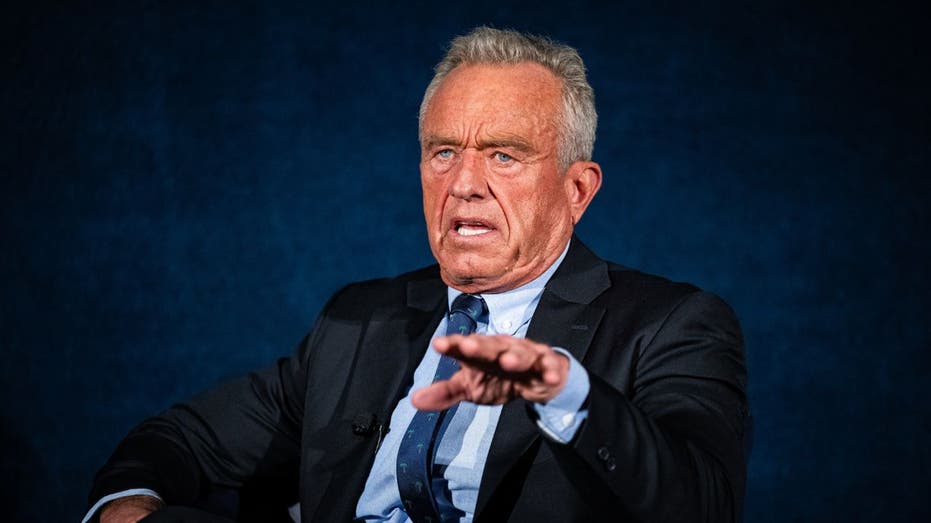
The prominent public official, known for his environmental advocacy, released footage detailing a careful rattlesnake rescue with his wife, Cheryl Hines, following a viral video that prompted discussions on social media regarding wildlife interaction.
Health and Human Services Secretary Robert F. Kennedy Jr. has once again drawn public attention to his unconventional interactions with wildlife, this time releasing a video that details the careful rescue of a venomous rattlesnake. The move comes as a direct response to a previous viral clip depicting the Secretary bare-handing non-venomous black racer snakes, which sparked widespread discussion and concern across social media platforms regarding public safety and responsible wildlife engagement.
Secretary Kennedy Jr.’s latest social media post, shared on Instagram, aimed to clarify his approach to handling potentially dangerous wildlife. Titled ‘In response to the many comments about venomous snakes,’ the video opens with Kennedy Jr. being alerted to a rattlesnake in his driveway. The footage, captured with the assistance of his wife, actress Cheryl Hines, demonstrates a more measured approach than his previous viral encounter. Key elements of the demonstrated rescue, which were carefully detailed, included:
Kennedy Jr. identified the reptile as a Western Diamondback rattlesnake by its distinctive tail rings and emphasized the presence of fangs and the need for caution. This detailed account, as reported by the Fox News Desk, underscores a deliberate effort to address public apprehension and promote responsible wildlife interaction.
The recent rattlesnake video directly addresses the flurry of comments and concerns generated by an earlier clip featuring Secretary Kennedy Jr. on X (formerly Twitter). In that widely circulated footage, Kennedy Jr. was seen bare-handing two black North American racer snakes during a visit to Dr. Mehmet Oz’s patio. The incident, which showed his wife, Cheryl Hines, reacting with apparent alarm – reportedly exclaiming ‘Honey, honey … why?’ – raised questions about the appropriate handling of wildlife, particularly by a prominent public figure. While black racers are non-venomous, the casual nature of the interaction stirred debate among viewers and wildlife experts alike, prompting calls for greater caution and respect for animal welfare.
The actions of public officials, especially those in positions like Health and Human Services Secretary, are often subject to intense scrutiny. While Secretary Kennedy Jr.’s passion for the natural world and environmental advocacy is well-documented, his recent videos highlight a crucial discussion point: the example set by public figures in their interactions with wildlife. Pro-institutions and pro-order principles suggest that leaders should embody responsible conduct, particularly when their actions are broadcast to a wide audience. Educating the public on safe and respectful wildlife practices, especially concerning venomous species, is paramount. The latest video, showcasing a more cautious approach, appears to be an attempt to align with these expectations, demonstrating that even seasoned individuals must exercise prudence when engaging with potentially dangerous animals.
“His fangs are in there. I don’t want to touch them. This is a beautiful snake. This is a Western Diamondback.”
— Secretary Robert F. Kennedy Jr.
Ultimately, Secretary Kennedy Jr.’s decision to share both the initial bare-handed encounter and the subsequent cautious rattlesnake rescue offers a unique glimpse into the challenges of public perception. For a figure often associated with environmental causes, these incidents serve as a potent reminder of the delicate balance between advocacy, personal conduct, and the responsibility that comes with public office. As discussions around human-wildlife coexistence continue, the emphasis remains on safety, education, and setting an example that prioritizes both human well-being and respect for the natural world.
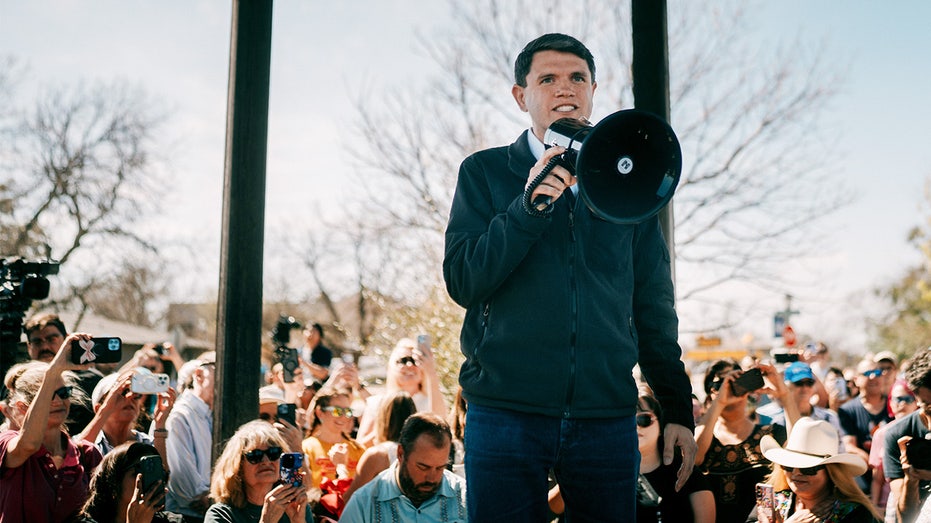
James Talarico, the Democratic nominee for the Texas Senate, has publicly questioned the fairness of the state’s electoral system, arguing that current Texas election laws disadvantage his campaign. His remarks reignite a long-standing debate over voting regulations and their impact on democratic participation in the Lone Star State.
Talarico, seeking to become the first Democrat to win statewide office in Texas since 1994, contends that state laws have ‘stacked the deck’ against candidates like himself. He expressed this view in a recent podcast interview, suggesting that a victory would require winning by a larger margin than in a ‘completely free and fair election.’ This perspective underscores a fundamental disagreement over the accessibility and integrity of the state’s electoral framework.
His posture aligns with a broader Democratic argument that Republican electoral dominance in Texas stems from suppressed turnout due to election security measures, rather than inherent conservative voter leanings. Talarico has vowed to ‘out-organize, out-work, out-hustle that voter suppression’ if he is to succeed in the upcoming election cycle.
Following the COVID-19 pandemic, Texas lawmakers enacted several election security bills aimed at strengthening voter confidence and ensuring the integrity of the ballot. These measures, championed by proponents of orderly electoral processes, sought to prevent potential vulnerabilities and uphold the public’s trust in election outcomes. Chief among these was Senate Bill 1 (SB1), a comprehensive measure designed to standardize and secure the voting process, which Talarico opposed as a legislator.
Key provisions of SB1, reflecting a commitment to transparent and secure elections, include:
These reforms, strongly supported by many conservatives, were presented as essential steps to protect the sanctity of the vote and maintain public trust in electoral outcomes. They underscore a commitment to voter integrity by establishing clear, consistent guidelines for participation.
Talarico’s campaign, despite raising a substantial $40 million as of March, faces a formidable challenge against Republican incumbent Ken Paxton, the current Texas Attorney General. Paxton benefits from significant name recognition and a strong conservative base, presenting an uphill battle for any Democratic challenger in the state.
The Democratic strategy to ‘flip’ Texas has been a persistent national goal, often characterized by efforts to increase voter turnout and challenge existing electoral frameworks. This ongoing struggle highlights a fundamental ideological divide regarding the balance between voter access and election security. The debate, as detailed in a recent Fox News report, continues to shape political discourse in Texas, impacting strategy and voter mobilization efforts across the political spectrum.
The debate over Texas election laws underscores a fundamental disagreement on what constitutes a free and fair election, with implications for voter confidence and the integrity of the democratic process.
The upcoming election will serve as a crucial test for both Talarico’s organizational prowess against what he terms ‘voter suppression’ and the effectiveness of Texas’s election integrity measures. As the campaign progresses, the discussion surrounding these foundational electoral principles is set to remain a central theme, reflecting deeply held beliefs about the democratic process in the Lone Star State and its future political direction.
The Israel Defense Forces (IDF) have issued a sweeping evacuation order for significant parts of southern Lebanon, designating areas south of the Zahrani River as “combat zones.” This directive marks a serious escalation in the ongoing tensions with the Iran-backed militant group Hezbollah, instructing residents to relocate approximately 40 kilometers (25 miles) from the border.
This latest order, the largest of its kind since a ceasefire took effect on April 17, encompasses roughly 14% of Lebanese territory. The IDF has warned it will act “with extreme force” in response to what it describes as repeated violations of the truce by Hezbollah, signaling a potential expansion of military operations in the region.
The Israeli military’s announcement specifically targets all areas south of the Zahrani River, urging civilians to move northward for their safety. This strategic declaration underscores Israel’s resolve to counter Hezbollah’s activities, which it views as direct threats to its northern borders and civilian populations. The scale of this Israel evacuation order is unprecedented in the current ceasefire period, reflecting a significant shift in Israel’s operational posture.
For weeks, the delicate ceasefire has been tested by intermittent exchanges. However, the IDF’s latest move suggests a diminished tolerance for continued provocations. The emphasis on “extreme force” indicates a readiness to undertake more robust actions to secure its borders and deter future attacks from Hezbollah.
The evacuation order follows a period of heightened military activity. Earlier on Wednesday, Israeli forces carried out strikes on the southern Lebanese city of Tyre. These actions were reportedly in response to Hezbollah drone attacks targeting Israeli troops operating in southern Lebanon and civilians in northern Israel.
Hezbollah, for its part, has also accused Israel of violating the ceasefire and reported clashes between its fighters and Israeli troops. Israeli Prime Minister Benjamin Netanyahu had previously indicated an expansion of ground operations, a statement that now appears to be manifesting in this latest operational directive. The cycle of accusation and counter-accusation highlights the profound fragility of the current truce.
“Israel vows to act with ‘extreme force’ against continued Hezbollah provocations in southern Lebanon, underscoring the fragility of the current ceasefire.”
The dramatic expansion of declared combat zones and the mass evacuation order carry grave implications for regional stability. The immediate concern is the humanitarian impact on Lebanese civilians now displaced, and the potential for a wider conflict to erupt should either side miscalculate or intensify their actions further. As reported by News Desk, the situation remains highly volatile, demanding careful diplomatic engagement to prevent a full-scale confrontation.
From a conservative perspective, the priority remains the protection of civilian lives and the enforcement of international agreements. Hezbollah’s persistent violations of the ceasefire undermine efforts towards peace and order, forcing Israel to take decisive, albeit escalatory, measures to safeguard its sovereignty and citizens. The international community must impress upon all parties the imperative of de-escalation and adherence to established protocols to prevent a catastrophic regional war.
The coming days will be critical as both sides navigate this perilous escalation. The focus remains on preventing further loss of life and restoring a semblance of stability to a volatile border region.
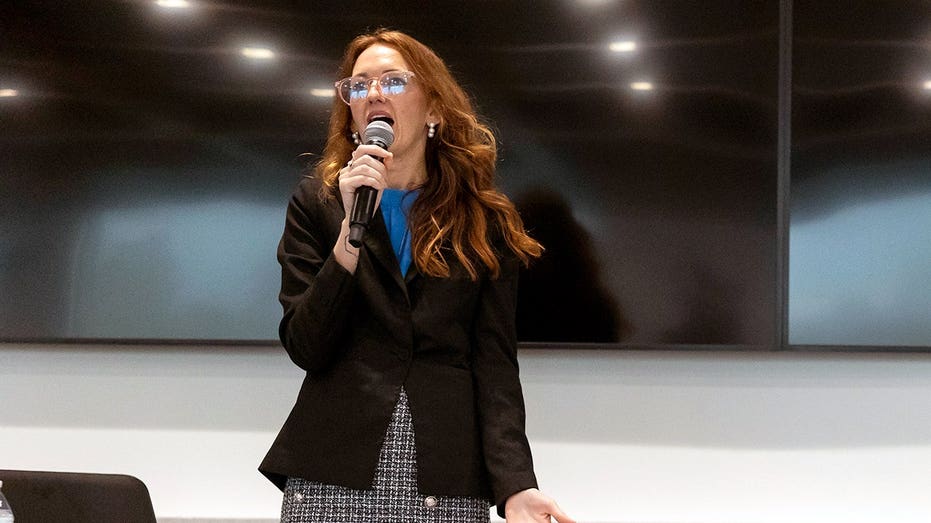
Voters in Texas delivered a decisive blow to Democratic congressional candidate Maureen Galindo, who suffered a significant defeat in Tuesday’s runoff election. Her loss comes weeks after she made highly controversial remarks suggesting ‘billionaire Zionists’ should be confined to ICE detention facilities, comments that drew widespread condemnation and were equated by critics to calls for internment camps.
Galindo secured only about 36% of the vote, losing handily to her more moderate opponent, Johnny Garcia, who garnered 63.8%. This outcome is being widely interpreted as a strong signal from voters against extremist rhetoric in political discourse. Her proposal, aired on a podcast, sparked immediate and intense backlash from across the political spectrum.
The swift and overwhelming defeat suggests that while Galindo managed a narrow primary win in March, the general electorate, even within her own party’s runoff, was unwilling to endorse such inflammatory positions. It underscores a fundamental demand for civility and adherence to institutional norms.
The controversial comments drew sharp criticism not just from Republicans, but also from prominent Democratic figures. House Minority Leader Hakeem Jeffries, D-N.Y., and Democratic Congressional Campaign Committee Chair Suzan DelBene issued a joint statement describing Galindo’s words as ‘vile’ and ‘disqualifying.’ This strong condemnation underscores the party’s official stance against such radical proposals and highlights a concerted effort to uphold party integrity.
Despite Galindo’s attempts to deflect criticism, attributing the uproar to an ‘unethical journalist’ and denying she called for ‘internment camps,’ the damage to her campaign proved irreparable. The clarity of her initial statement left little room for reinterpretation in the public eye, solidifying public opposition.
“Voters looked at her and said, ‘Now we don’t want a nut case here in the House of Representatives.'”
While Galindo’s loss is a clear victory for those opposing political extremism, strategists from both major parties are debating whether it signifies a true ‘course correction’ for the Democratic Party. Some, like progressive talk show host Thom Hartmann, speaking to Fox News Digital, suggested voters simply rejected a ‘nut case.’
However, other analysts caution against viewing this as a definitive shift away from the far-left elements within the party. The fact that Galindo initially won the primary with a plurality suggests a segment of the electorate was receptive to her message, at least before the most inflammatory comments gained widespread attention. The challenge for mainstream parties remains in effectively marginalizing such voices before they gain undue traction.
The outcome of this Texas runoff reinforces the importance of upholding fundamental institutional values and rejecting rhetoric that undermines civil liberties and promotes discriminatory practices. Proposals resembling internment camps, regardless of the target group, run contrary to the principles of a free and just society and threaten the very fabric of our constitutional order.
For institutions committed to order and due process, such statements represent a severe threat to their legitimacy and public trust. The electoral rejection of Maureen Galindo serves as a reminder that even in highly polarized times, there are limits to acceptable political discourse that voters are prepared to enforce.
As the election cycle progresses, the defeat of Maureen Galindo offers a moment for reflection on the boundaries of political speech and the voters’ ultimate power to reject extremism. It underscores the critical need for leaders across the spectrum to champion responsible discourse and defend the integrity of democratic institutions against radical ideologies.
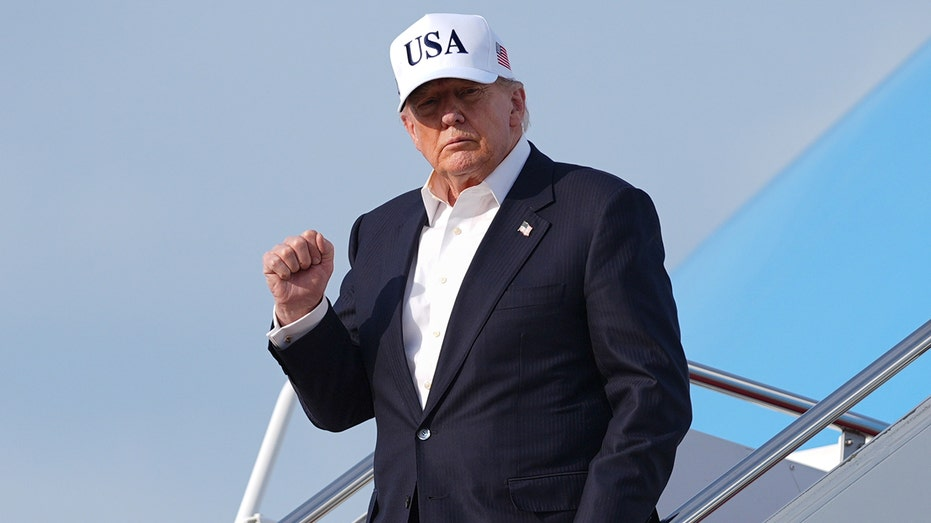
President Donald Trump has signaled his intention to attend at least one game of the upcoming NBA Finals, as the New York Knicks prepare for their first championship series in nearly three decades. The anticipated presidential presence underscores the national excitement surrounding the Knicks’ remarkable and dominant journey to basketball’s pinnacle.
The basketball world is abuzz, not only with the New York Knicks’ return to the NBA Finals after a 27-year hiatus but also with the news that President Donald Trump expects to be in attendance. Speaking from a Cabinet meeting, the President confirmed his plans to watch the New York franchise, which has captivated the nation with its stellar performance throughout the playoffs.
Speaking to reporters, as reported by Fox News, President Trump expressed his enthusiasm for the Knicks’ resurgence. He noted his initial plans to attend a Game 5 that ultimately wasn’t needed due to the team’s decisive sweep. The President acknowledged the invitation from Madison Square Garden owner Jim Dolan, whom he described as “a great guy.” Trump remarked on the Knicks’ impressive season, stating, “They won all their games. They have some great players. I think I’ll be going to one of the games.” This planned appearance continues President Trump’s pattern of engaging with major sporting events, aligning with a tradition of presidential interest in American athletics.
The New York Knicks have earned their spot in the NBA Finals with an undeniable display of skill and teamwork. Their journey saw them sweep the Cleveland Cavaliers in the Eastern Conference finals, securing their first Finals berth since 1999. The team’s playoff dominance has been historic, outscoring opponents from Atlanta, Philadelphia, and Cleveland by a combined 262 points over an 11-game span – a record margin in NBA history. President Trump echoed the sentiments of many long-suffering fans, observing that the team had “really suffered for years,” but is now “doing right.” This extraordinary turnaround has invigorated the fanbase and placed the team firmly in the national spotlight.
For a franchise that has seen its share of ups and downs, this NBA Finals appearance marks a significant return to prominence. The New York Knicks, a cornerstone of the league, have rebuilt with a blend of veteran leadership and emerging talent, culminating in a playoff run that has electrified their devoted fanbase. The Finals, set to begin in New York, will pit the Knicks against either the Oklahoma City Thunder or the San Antonio Spurs, promising a compelling clash for the coveted championship title. This moment is not just about a single game or series; it represents a renewed era of competitive excellence for one of basketball’s most storied teams.
The convergence of a resurgent New York Knicks team and the potential presence of President Donald Trump at the NBA Finals adds an extraordinary layer of national interest to what is already one of the most anticipated sporting events of the year. As the team prepares to tip off its championship quest, the city of New York and basketball fans nationwide eagerly await to see if this dominant run will culminate in a long-awaited NBA title.

Healthcare has undergone a significant transformation, with much of its management now migrating to digital platforms. While this shift promises convenience, it simultaneously presents a new challenge for a substantial segment of the population: low digital health literacy. For many older adults, navigating online patient portals, telehealth services, and prescription refills has become a source of frustration, impacting their ability to access timely and effective care.
The modern healthcare landscape increasingly relies on digital tools. From checking test results to messaging doctors and understanding insurance benefits, these online systems are designed to streamline processes. However, as recent research from CVS Health on Medicare-age adults indicates, a significant number of seniors, despite desiring to use these digital resources, encounter formidable obstacles. These roadblocks often include confusing portal interfaces, legitimate privacy concerns, outdated personal devices, inconsistent internet access, and health information presented in overly complex language. Such issues create a ‘digital divide’ within healthcare, potentially isolating those who need care the most.
The ramifications of inadequate digital health literacy extend beyond mere inconvenience. When individuals struggle to manage their health online, it can lead to a cascade of negative outcomes. Missed appointments, delayed access to critical medical advice, and errors in prescription management are not uncommon. These challenges compound the stress for individuals already managing health conditions, undermining their peace of mind and the stability of their healthcare routines. Ensuring all citizens can effectively utilize these tools is paramount for maintaining public order and individual well-being within the healthcare system.
Common areas where older adults often face digital health literacy challenges include:
Addressing the digital health literacy gap requires a multi-faceted approach. Healthcare providers and technology developers bear a responsibility to design more intuitive, user-friendly platforms that prioritize clarity and accessibility. Simultaneously, families play a crucial role in providing support and guidance to their older relatives, helping them overcome technological hurdles and build confidence. Educational initiatives focused on basic digital skills and online safety are also vital, empowering seniors with the knowledge and tools needed to navigate the digital health landscape securely and effectively. By fostering a supportive environment, we can ensure that digital advancements enhance, rather than hinder, healthcare access for all.
Empowering seniors with the confidence and tools to navigate digital health is not just about technology; it’s about ensuring equitable access to vital care for all.
As our society continues its digital evolution, ensuring that no demographic is left behind in essential services like healthcare remains a critical imperative. By prioritizing user-friendly design, fostering intergenerational support, and promoting digital education, we can transform the promise of digital healthcare into a reality for every American, safeguarding their health and promoting societal well-being.
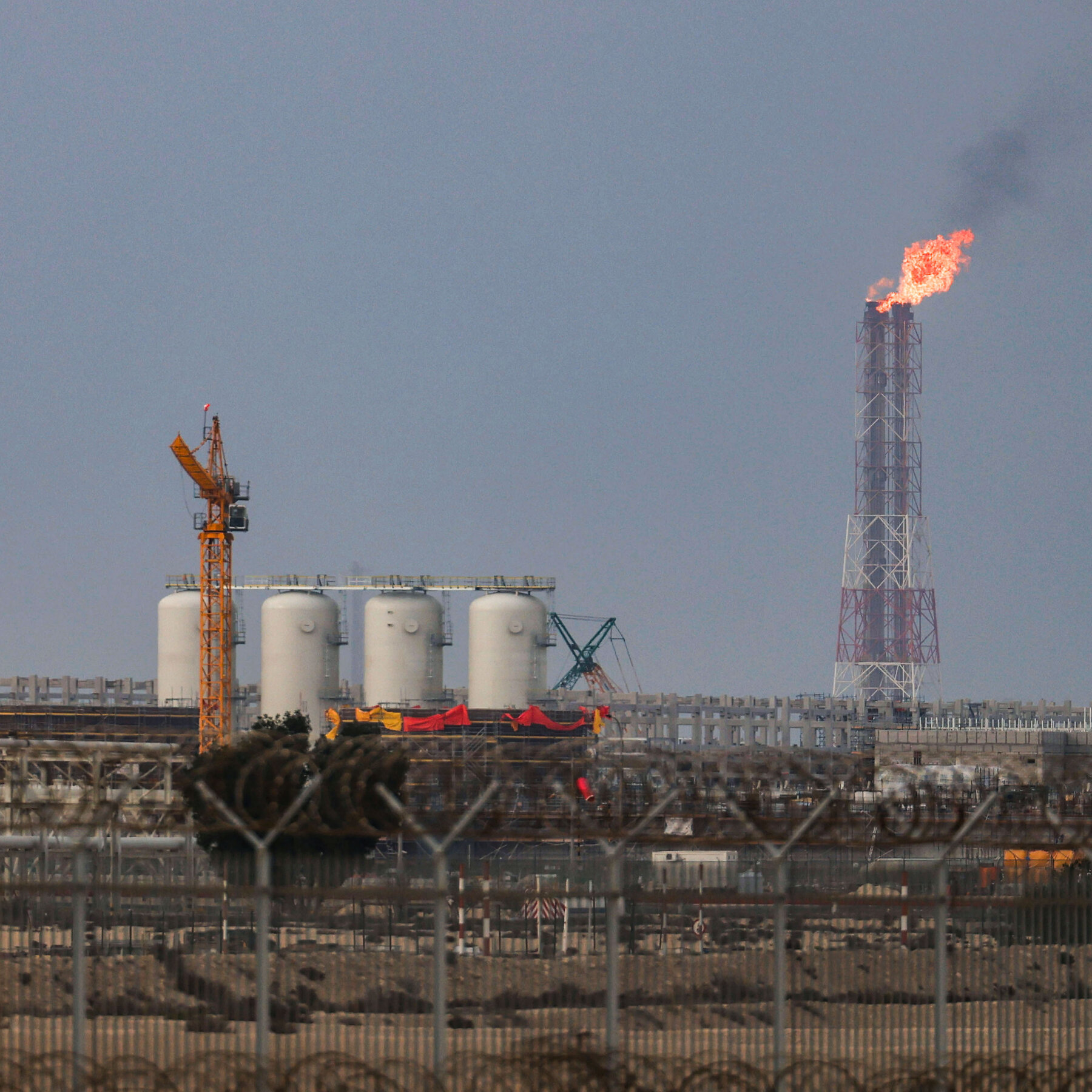
The global economy is grappling with deepening global supply shortages as the closure of the Strait of Hormuz, a critical maritime chokepoint, enters its third month. What began as a regional conflict’s ripple effect has now materialized into acute shortfalls of essential commodities across the world, creating significant pressures on international trade and national economies.
Initial warnings from industry experts and officials regarding the potential for severe disruptions to oil, gas, and other vital resources have proven accurate. The sustained blockade of this strategic waterway has led to a cascade of economic challenges, threatening jobs, hindering growth, and pushing consumer prices upward in an already fragile global market.
The Strait of Hormuz, through which a substantial portion of the world’s oil and liquefied natural gas (LNG) transits, has become a focal point of economic anxiety. Its closure has directly impacted the availability and cost of energy resources, sending shockwaves through energy-dependent industries and households globally. Beyond energy, the disruption extends to various other critical commodities, exacerbating existing supply chain vulnerabilities.
As reported by the News Desk, the initial three-month period has seen the fallout spread rapidly, transforming an anticipated challenge into a tangible crisis. Nations reliant on these crucial imports are now facing difficult choices, from rationing supplies to seeking costly alternative sources, further straining national budgets.
While the economic repercussions are felt globally, developing countries are disproportionately bearing the brunt of these intensifying shortages. Many of these nations lack the economic resilience and diversified supply chains to withstand prolonged disruptions, making them particularly vulnerable to rising commodity prices and reduced availability.
The scarcity of essential goods, coupled with increased transportation costs, threatens to undermine development efforts, exacerbate poverty, and trigger social unrest in already fragile regions. For these economies, the crisis is not merely about market fluctuations but about access to fundamental resources vital for daily life and industrial activity.
“The sustained blockade of the Strait of Hormuz has transformed anticipated challenges into a tangible crisis, threatening global jobs and growth.”
The long-term implications for global trade infrastructure and economic partnerships are also significant. Nations may begin to re-evaluate their reliance on single chokepoints, potentially leading to increased investment in alternative routes or domestic production capabilities, though such shifts require substantial time and capital.
Addressing these escalating global supply shortages requires a multifaceted approach, combining diplomatic efforts to de-escalate regional tensions with practical strategies to mitigate economic fallout. Governments and international organizations must prioritize stabilizing commodity markets and supporting vulnerable economies through this period of intense pressure.
The path forward demands careful economic stewardship and a commitment to maintaining open, resilient trade channels. The current situation underscores the interconnectedness of the global economy and the profound impact geopolitical events can have on everyday lives and long-term prosperity. Proactive measures are essential to prevent further destabilization and ensure a more secure economic future for all.

Texas law enforcement officials recently intercepted a significant human smuggling operation, apprehending a driver and uncovering twenty illegal immigrants, including several minors, hidden within a semitruck. The dramatic incident unfolded in Webb County, South Texas, following a traffic stop that escalated into a pursuit.
The operation began Monday evening when a Texas state trooper initiated a traffic stop on a Volvo semitruck in Webb County. The driver, identified as Miguel Angel Velazquez Chavez, 25, a Mexican national, initially complied before attempting to flee on foot. Texas officials swiftly apprehended Chavez, who was immediately taken into custody.
A subsequent search of the semitruck yielded a shocking discovery: twenty illegal immigrants were found dangerously crammed into the vehicle’s sleeping area. A video released by Texas Department of Public Safety (DPS) spokesman Lt. Chris Olivarez depicted troopers pulling back a curtain to reveal the individuals, who remained silent as they were questioned.
Among those discovered were four minors, originating from Mexico and Guatemala, highlighting the vulnerability of individuals exploited by smuggling networks. The conditions within the truck’s confined sleeping space underscore the perilous journeys undertaken by those attempting to enter the country unlawfully.
Miguel Angel Velazquez Chavez now faces serious charges, including evading arrest and smuggling persons. He has been booked into the Webb County Jail, where he awaits further legal proceedings. The DPS Criminal Investigations Division is continuing to investigate the case, seeking to uncover any broader network involved in this illicit activity.
The twenty illegal immigrants, including the four minors, were processed and referred to U.S. Border Patrol for appropriate immigration procedures. This standard protocol ensures that each individual’s case is handled according to federal law, reflecting the institutional commitment to orderly processes at the border.
This incident, first reported by News Desk, serves as a stark reminder of the ongoing challenges faced by Texas officials in maintaining border security. Despite some reports of reduced attempted border crossings, human smuggling operations persist, adapting their methods to evade detection.
Texas has continued to dedicate significant resources to combating these illicit activities, aiming to restore order and deter illegal entry. The actions of state troopers in Webb County exemplify the front-line efforts to uphold the rule of law and protect both national security and the vulnerable individuals often exploited by criminal organizations.
The discovery underscores the desperate and dangerous methods employed by human smugglers, often putting vulnerable individuals at grave risk.
The continuous vigilance of law enforcement remains critical in disrupting these networks and addressing the complex issues surrounding irregular migration. Ensuring the integrity of our borders is a paramount responsibility, requiring sustained effort and robust enforcement measures.

Prague is aligning closely with Washington on critical security matters, including NATO and Israel, as it prepares to assist in protecting freedom of navigation in the strategically vital Strait of Hormuz.
The Czech Republic has pledged its robust support for the Trump administration’s initiative to safeguard the Strait of Hormuz, a critical global oil transit choke point. Czech Foreign Minister Petr Macinka confirmed Prague’s readiness to contribute specialized capabilities during an exclusive interview with Fox News Digital at the United Nations, underscoring the severe global threat posed by Iran.
Speaking from the United Nations in New York, Minister Macinka highlighted the Czech Republic’s strong alignment with the Trump administration across key security domains, including NATO and its unwavering support for Israel. This strategic partnership extends to the vital task of securing international waterways against hostile actors.
Macinka stated that Prague had already initiated discussions regarding its potential contribution to securing the Strait of Hormuz. Despite lacking a navy, the nation possesses unique assets that could prove invaluable. “We are ready to contribute to freedom of passage and the Hormuz trade,” Macinka affirmed, noting that the Czech Republic was among the first countries to express such willingness.
The Czech Foreign Minister issued a stark warning regarding Iran’s aggressive posture, identifying four primary ‘war tools’ that pose a significant global risk. These include its clandestine nuclear proliferation efforts, the development and deployment of advanced drones and ballistic missiles, its support for international terrorism, and direct threats to the Strait of Hormuz itself.
“Their nuclear military program must be stopped,” Macinka declared, emphasizing the urgent need to counter this escalating danger. “It’s a global risk and global threat.” This assessment aligns with growing international concerns over Tehran’s destabilizing activities in the Middle East and beyond.
“Their nuclear military program must be stopped. It’s a global risk and global threat.”
The Trump administration has consistently pressed European allies to assume greater responsibility for protecting international shipping lanes, particularly in response to Iranian provocations targeting the Strait of Hormuz. This narrow waterway, connecting the Persian Gulf to the Arabian Sea, facilitates the passage of approximately one-fifth of global oil consumption, making its security paramount for global economic stability.
The Czech Republic’s offer to deploy its unique passive surveillance capabilities demonstrates a practical commitment to collective security. This specialized expertise can play a crucial role in monitoring activity within the strait, enhancing overall situational awareness without requiring a conventional naval presence. Such contributions are essential in a complex geopolitical landscape where threats to global trade and energy supplies persist.
As international tensions persist in the Middle East, the proactive stance of allies like the Czech Republic underscores the importance of a united front against rogue state aggression. Protecting vital global arteries like the Strait of Hormuz is not merely a regional concern but a fundamental requirement for maintaining international order and ensuring economic prosperity worldwide. Prague’s commitment signals a renewed resolve among European partners to share the burden of global security.


