
TRENDING NEWS





Truth Over Trends, always!
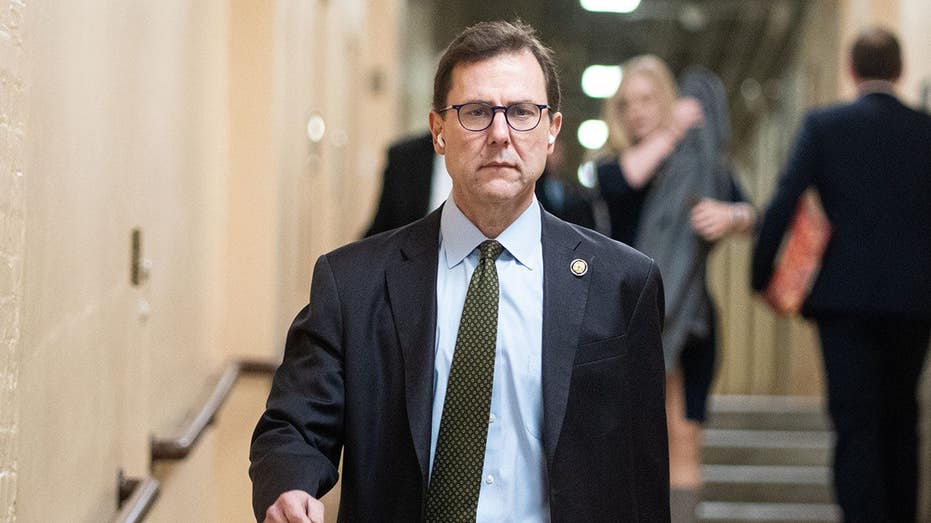
Washington D.C. finds itself grappling with the prolonged absence of Rep. Tom Kean Jr. (R-N.J.), a key swing-seat Republican whose undisclosed serious illness has kept him from Capitol Hill since early March. His continued absence, which has seen him miss 88 crucial roll call votes, is placing additional strain on the already tenuous House Republican majority as it navigates a demanding legislative calendar ahead of the critical midterm elections.
Since his last vote on March 5, Rep. Kean Jr. has been unable to participate in any of the lower chamber’s legislative proceedings. This significant period of inactivity comes at a challenging time for House Republicans, whose majority hangs by a thread. The party is racing against the clock to pass essential legislation, including appropriations bills and other must-pass measures, where every vote is paramount.
The absence of even one member can shift the balance on contentious votes, potentially derailing the legislative agenda and highlighting the fragility of the current institutional power structure. This situation underscores the importance of a full and active Congress, particularly in an era of such closely divided governance.
Details regarding Rep. Kean Jr.’s condition remain scarce, with representatives offering vague timelines for his return to Washington. His father, former Governor Tom Kean Sr., recently shed some light on the situation, indicating that his son’s recovery from a “serious” illness could extend into June or even later. Speaking to NJ.com, Kean Sr. conveyed the medical assessment:
“You can’t say definitely, but their best guess is now he’ll be out in two or three weeks,” Kean Sr. told NJ.com, referring to his son’s doctors. “Any time you’ve been through a serious illness, you can’t be 100% the day you get back. You’re gonna be able to do things, but gradually ramping up.”
This cautious prognosis suggests that even upon his eventual return, the two-term lawmaker may require a gradual reintegration into his demanding congressional duties. The lack of specific information about his illness, which his father stated is “up to him” to disclose, has fueled speculation but also respect for his privacy during a challenging time.
Rep. Kean Jr.’s district is a key swing seat, making his prolonged absence a concern not just for current legislative battles but also for the upcoming midterm elections. While his focus remains on recovery, the inability to campaign or engage with constituents directly for an extended period could have ramifications. Maintaining a strong presence, both in Washington and back home, is vital for incumbents, especially in competitive districts.
The Republican Party will undoubtedly be keen to see Rep. Tom Kean Jr. return to full health and active duty, not only to bolster their legislative efforts but also to secure his re-election and preserve their narrow majority. The situation, as reported by outlets like Fox News, underscores the multifaceted challenges facing lawmakers today, from health scares to the relentless demands of public office.
As the House continues its work with a reduced Republican presence, all eyes remain on Rep. Kean Jr.’s recovery and the eventual timeline for his return. The stability of the legislative body and the effectiveness of governance depend on the active participation of all elected representatives. Matox News will continue to monitor developments surrounding this critical situation, providing factual updates on its impact on congressional proceedings and the broader political landscape.
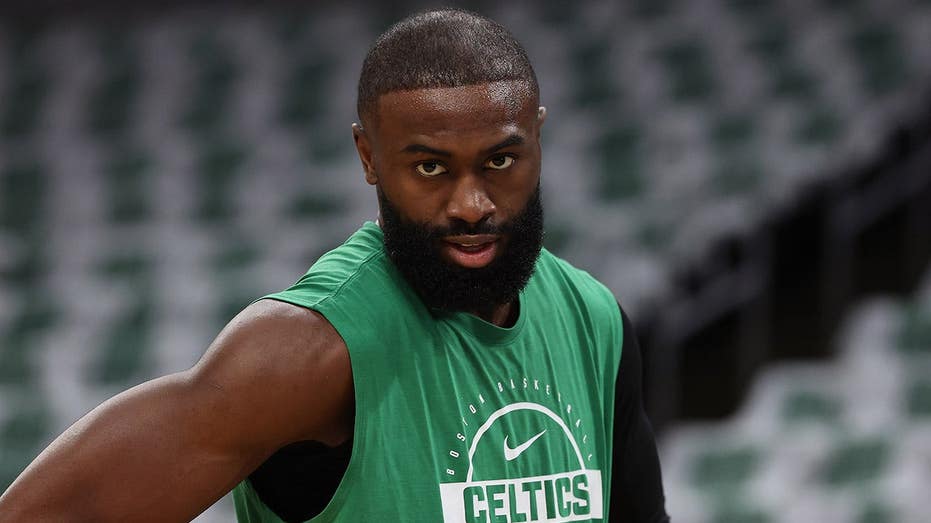
The off-season may have just begun for Boston Celtics star Jaylen Brown, but his public contention with ESPN’s Stephen A. Smith shows no signs of cooling. The rivalry, which has simmered for weeks, erupted anew over the weekend when Brown took to his livestream to deliver a scathing critique of the veteran sports pundit.
Brown directly challenged Smith, asserting that the analyst is not utilizing his considerable platform for real journalism. Instead, the Celtics forward accused Smith of perpetuating ‘clickbait media,’ a charge that underscores a broader debate about integrity in sports commentary.
During his Sunday night livestream, Jaylen Brown passionately responded to Stephen A. Smith’s previous comment telling him to ‘be quiet.’ Brown emphatically rejected the suggestion, stating, “Be quiet for who?” He reiterated an earlier pledge made on social media platform X, where he indicated he would cease his own streaming activities if Smith were to retire.
“My offer still stands,” Brown declared. “You want me to be quiet and stop streaming, well, I want you to be quiet and get off these networks because you’re not using your platform to do real journalism. You’re using your platform to use clickbait.” This direct challenge highlights a growing tension between athletes and sports media figures regarding content and commentary standards.
“Tell this mother—-er to retire because he’s the face of clickbait media at the point and maybe with his retirement we can spark a movement to get the rest of these mother—-ers out of here — or to also have some type of … forget journalistic integrity, actual integrity in order to hold themselves accountable to the bulls— takes they put out.”
Brown went further, dissecting a clip of Smith discussing the Celtics star playing without Jayson Tatum. He suggested such commentary was precisely why Smith is often perceived as a “clown,” as reported by Fox News. This escalating rhetoric signals a significant breakdown in professional courtesy between the two figures.
The highly publicized feud initially ignited after Brown publicly accused NBA referees of harboring an “agenda” against him. This controversial statement followed the Philadelphia 76ers’ comeback victory over the Celtics, overcoming a 3-1 series deficit. Stephen A. Smith subsequently responded to Brown’s remarks, advising the player to “be quiet” on the matter.
Brown’s accusations of an “agenda” against officials touched on a sensitive area within professional sports, raising questions about fairness and integrity. Smith’s counsel, while perhaps intended to de-escalate, instead fueled the personal animosity that has now spilled into the public domain.
This ongoing dispute between a prominent athlete and a leading sports analyst raises important questions about the evolving landscape of sports media. Brown’s criticisms of ‘clickbait’ and lack of ‘real journalism’ resonate with a segment of the audience that seeks more substantive and less sensationalized coverage.
The exchange underscores the pressure on media personalities to deliver engaging content in a competitive digital environment, sometimes at the expense of perceived journalistic rigor. As athletes increasingly leverage their own platforms, such as livestreams, to directly address fans and critics, the traditional power dynamic between sports stars and media figures continues to shift.
The resolution of this high-profile feud remains uncertain, but its progression will undoubtedly continue to draw attention from both sports enthusiasts and media observers alike.

In a significant step toward integrating advanced logistics into everyday consumer services, Papa Johns has initiated a drone delivery pilot program. Partnering with Wing, a subsidiary of Alphabet, the popular pizza chain is testing aerial deliveries in Indian Trail, North Carolina, beginning with a limited menu of oven-toasted sandwiches. This strategic approach aims to refine the delivery process before tackling the unique challenges of transporting full-sized pizzas.
The initial phase of this cutting-edge delivery service is unfolding near Sun Valley Commons in Indian Trail, a community outside Charlotte. Eligible customers within the service area can now place orders for specific Papa Johns Oven Toasted Sandwiches through the Wing app. Available selections include popular choices such as Philly Cheesesteak, Chicken Bacon Ranch, and Steak & Mushroom.
This localized test represents a measured yet forward-thinking approach to technological adoption within the food service industry. While the convenience of ordering via drone is clear, the focus remains on ensuring operational efficiency and customer satisfaction from the outset, laying a solid foundation for future expansion.
The decision to start with sandwiches rather than full-sized pizzas highlights a key logistical hurdle in drone delivery: packaging. A compact sandwich box presents fewer challenges for aerial transport compared to the broader, flatter dimensions of a pizza box. As reports, including one from News Desk, have indicated, maintaining the integrity and presentation of a pizza during drone flight requires specialized solutions.
Drones, by their nature, have payload limits and require packages that are not only lightweight but also aerodynamically stable. Papa Johns and Wing are actively collaborating on custom packaging designs to address these issues. The sandwich test serves as a crucial data-gathering phase, informing the development of future solutions that could eventually allow for the safe and efficient delivery of pizzas.
This pragmatic approach underscores a commitment to thorough testing and innovation before broader deployment, ensuring that the technology serves the customer effectively without compromising product quality.
Papa Johns is not alone in exploring the potential of drone logistics. Other major food delivery services and restaurant chains are also experimenting with similar technologies, signaling a broader industry shift towards automated and aerial delivery methods. This trend reflects a dynamic free market responding to consumer demand for faster and more efficient service.
The successful integration of drone delivery systems could revolutionize last-mile logistics, particularly in suburban and rural areas where traditional delivery can be less efficient. It offers the promise of reduced traffic congestion, lower emissions, and increased convenience for consumers, aligning with principles of innovation and progress within established market structures. As these technologies mature, they hold the potential to create new economic opportunities and enhance the overall efficiency of distribution networks.
“This strategic approach aims to refine the delivery process before tackling the unique challenges of transporting full-sized pizzas.”
This initial phase of drone delivery for Papa Johns represents more than just a convenience; it’s a forward-looking investment in the future of logistics. As consumer expectations for speed and efficiency continue to rise, the successful integration of drone technology could redefine last-mile delivery, offering both challenges and substantial opportunities for businesses and customers alike. The skies above Indian Trail are now a testing ground for innovations that could soon become commonplace across the nation, demonstrating a commitment to progress within established market structures.

UK households are increasingly grappling with significant financial pressures, as rising prices firmly establish themselves as the primary concern for families across the nation. A recent consumer confidence survey indicates a growing pessimism about personal finances, setting a somber tone ahead of official inflation figures expected this week.
The latest findings from S&P Global paint a challenging picture of consumer sentiment across the United Kingdom. Their comprehensive monthly index, which meticulously tracks public perception of household spending, financial wellbeing, savings, debt, and employment, registered a concerning decline to 42.1 in May from 42.3 in April. This marks the lowest level recorded since July 2023, a period characterized by significant inflationary pressures following the Russian invasion of Ukraine. The sustained downward trend underscores the deep-seated anxieties permeating UK households.
This dip reflects widespread concern about the persistent erosion of purchasing power. The data underscores how deeply inflation is impacting daily life, forcing families to make difficult choices amidst escalating costs for essential goods and services, from groceries to utility bills. The cumulative effect on household budgets is becoming increasingly unsustainable for many.
A key driver behind the current anxieties is the specter of higher interest rates, largely attributed to surging fuel prices. The survey notes that global geopolitical events, specifically the closure of the Strait of Hormuz amid conflict in the Middle East, have significantly contributed to this upward pressure on energy costs. Such international disruptions inevitably ripple through the domestic economy, affecting everything from transport to manufacturing.
The reliance on stable global supply chains and energy markets is starkly evident. For policymakers, addressing these external shocks while maintaining domestic economic stability presents a complex challenge, requiring prudent and decisive action to safeguard household budgets.
Households are increasingly gloomy about their financial situation, facing mounting pressure from persistent price increases and the looming threat of higher borrowing costs.
As families adjust to these economic realities, the focus shifts to the broader implications for the national economy. Businesses, too, face increased operational costs and potential reductions in consumer spending, creating a challenging environment for growth and investment. The need for a stable economic framework, one that supports free markets while protecting consumers from undue volatility, has rarely been more critical. Sustained economic uncertainty can lead to deferred investments and reduced employment opportunities, further exacerbating the challenges faced by ordinary Britons.
The government and the Bank of England face the delicate task of steering the economy through these turbulent waters. Measures to foster long-term stability, control inflationary pressures through prudent monetary policy, and ensure energy security will be paramount in restoring public confidence and supporting family finances. A clear, consistent economic vision is essential to mitigate these pervasive anxieties.
The findings, also highlighted by publications such as The Guardian, reinforce the urgent need for a robust economic strategy that prioritizes fiscal responsibility and market stability. As official inflation figures are awaited, the nation watches closely to see how effectively these challenges will be met, and what further adjustments households may need to make in the face of enduring economic headwinds.
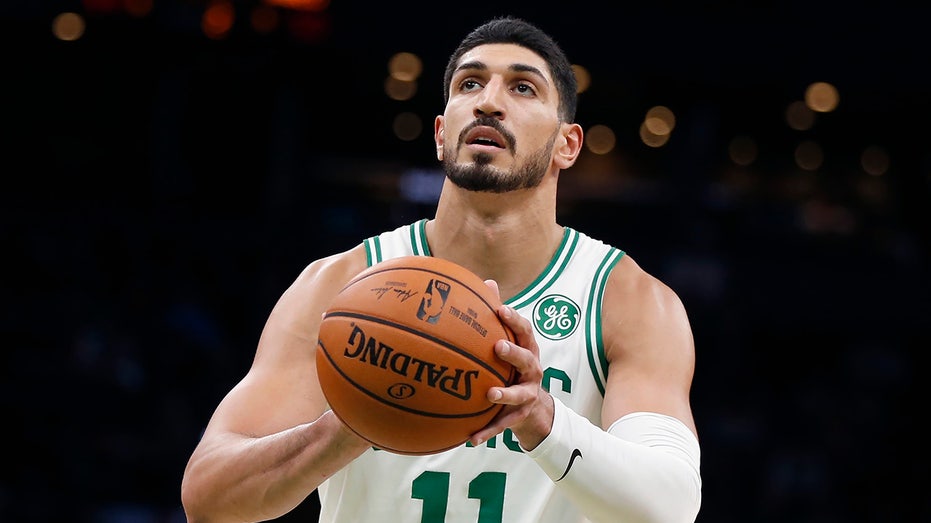
As U.S.-China trade relations warm, the strategic status of Taiwan remains a critical flashpoint, with a former NBA star emphasizing the island’s pivotal role in global technology and national security.
President Donald Trump recently returned from Beijing, heralding warmer trade ties with Chinese President Xi Jinping. Yet, a significant and unresolved issue continues to cast a long shadow over U.S.-China relations: the future of Taiwan. This crucial flashpoint, central to global technology and national security, remains a major focus for policymakers and analysts alike. Former NBA star and outspoken human rights activist Enes Kanter Freedom recently highlighted the island’s critical importance in an interview with Fox News Digital, calling it America’s biggest geopolitical challenge.
Enes Kanter Freedom, a vocal critic of the Chinese Communist Party, stressed that Taiwan is at the very heart of the global technology race. “If you want to understand the future of AI dominance, economic power and national security, you have to understand Taiwan,” Freedom asserted. His remarks underscore a growing consensus among strategic thinkers that control or influence over Taiwan’s advanced semiconductor industry is paramount for any nation aspiring to lead in artificial intelligence and other high-tech sectors. The lack of concrete progress on this issue during the recent summit, according to Freedom, reveals Taiwan’s enduring position as a major unresolved issue at the center of America’s economic and national security competition with China.
Amidst these high-stakes geopolitical maneuvers, Taiwan continues to seek advanced U.S. weaponry designed to bolster its defenses against a potential Chinese attack. However, President Trump has not yet publicly committed to moving forward with a new Taiwan arms package. This pending decision is being closely watched by both Beijing and Taipei, serving as a critical signal of Washington’s strategic clarity and commitment to the island’s security. The absence of a publicly announced breakthrough on Taiwan or other key strategic disputes during the U.S.-China talks only amplifies the significance of this upcoming determination. Indeed, the urgency of the situation was recently underscored when Taiwan dispatched its navy and air force in response to unannounced Chinese live-fire drills, highlighting the volatile nature of the Taiwan Strait.
Freedom also reflected on President Trump’s long-standing view of China, noting, “Trump has always understood that communist China is America’s biggest long-term geopolitical challenge.” He further emphasized the administration’s philosophy, stating, “President Trump has constantly emphasized that peace is preserved through strength.” For the former Boston Celtics player, maintaining stability in the Taiwan Strait necessitates robust American leadership, clear strategic communication, and a credible deterrent. Such a posture, he argued, would leave “no room for miscalculation for authoritarian regimes,” ensuring regional peace and discouraging aggressive actions. The administration’s approach to the Taiwan question will undoubtedly shape the contours of future U.S.-China relations and the broader Indo-Pacific security landscape, emphasizing the need for decisive action.
“If you want to understand the future of AI dominance, economic power and national security, you have to understand Taiwan.”
— Enes Kanter Freedom, Former NBA Star and Human Rights Activist
The strategic path forward for the Trump administration regarding Taiwan is fraught with complex implications for global stability and economic leadership. The delicate balance between fostering trade relations with Beijing and upholding commitments to Taipei demands careful navigation. As the world watches, the ultimate decision on Taiwan’s defensive capabilities and its pivotal role in the critical AI race will define a crucial chapter in international geopolitics and underscore the enduring American commitment to a free and open Indo-Pacific. This situation demands continued vigilance and a clear, principled stance.
The International Monetary Fund (IMF) has delivered a vote of confidence in the UK economy, upgrading its growth projections for the year and emphasizing the critical importance of sustained fiscal discipline.
London – The International Monetary Fund (IMF) has revised its outlook for the UK economy, projecting stronger growth for 2026 while simultaneously endorsing the nation’s ongoing commitment to reducing its deficit. This assessment, detailed in its annual review, provides a significant boost to the government’s economic strategy amidst a volatile global financial landscape.
In its latest assessment, the IMF underscored the critical need for fiscal responsibility. The global financial body stated that ‘Staying the course on deficit reduction will be important’ for the UK, a clear signal of support for Chancellor Rachel Reeves’s plans. This endorsement comes as finance ministers from the G7 nations convene in Paris, where economic stability and global challenges are top of the agenda.
For a center-right publication like Matox News, the IMF’s emphasis on fiscal discipline resonates strongly. It reinforces the principle that sound public finances are the bedrock of long-term economic prosperity and a stable environment for businesses and households. Prudent spending and a clear path to debt reduction are vital, especially when global uncertainties persist.
The Chancellor, currently in Paris for the G7 meeting, is navigating an environment marked by shifting market sentiments and inflationary pressures. The IMF’s backing provides crucial international validation for the government’s approach to managing the national balance sheet.
Despite the upgraded growth forecast, the global economic picture remains complex. Kristalina Georgieva, the IMF’s managing director, pointed to the impact of rising oil prices as a significant factor influencing global bond markets. This sentiment was echoed in reports from The Guardian’s business coverage, highlighting the broader concerns.
Indeed, fears of a ‘stagflationary shock’ have been circulating in bond markets, with UK 10-year yields experiencing notable fluctuations. Higher energy costs directly translate to increased consumer and business expenses, fueling inflation and potentially dampening economic activity. This dynamic underscores the delicate balance policymakers must maintain between supporting growth and controlling price surges.
The FTSE 100 has also seen recent declines, indicative of broader market jitters. A combination of political developments and renewed gains for oil has created a challenging environment for investor confidence, not just in the UK but across continental indices as well.
“Staying the course on deficit reduction will be important for the UK, reinforcing the foundation for long-term economic health and stability.”
The IMF’s updated forecast offers a measure of optimism for the UK’s economic trajectory. However, the message is clear: this positive outlook is contingent upon continued adherence to responsible fiscal policies. As the nation navigates a complex global economic landscape, characterized by energy price volatility and inflation concerns, unwavering commitment to sound financial management will be paramount for sustained growth and the prosperity of British families and enterprises.
The upcoming months will test the government’s resolve in maintaining this balance, ensuring that the upgraded growth forecast translates into tangible benefits for all citizens while upholding the principles of economic order and stability.
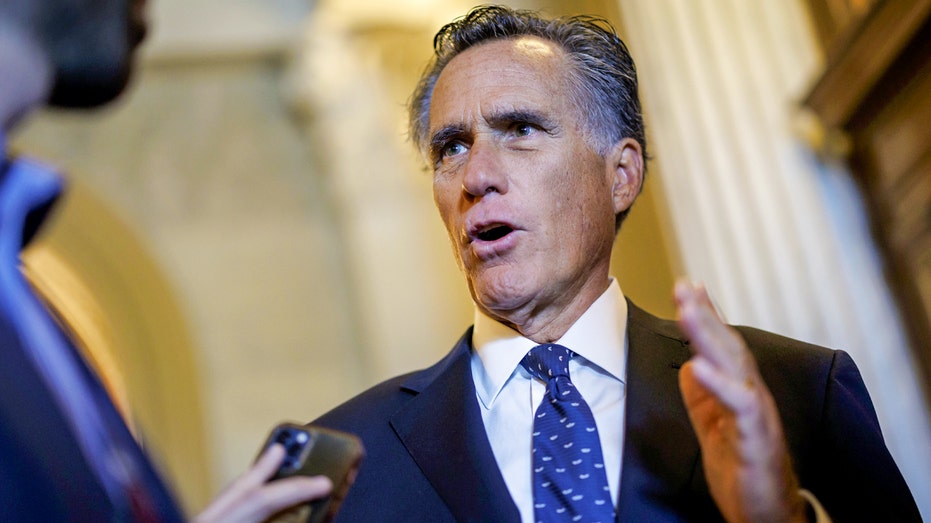
The recent primary defeat of Louisiana Senator Bill Cassidy has ignited a robust discussion among Republican leaders, with former Utah Senator Mitt Romney lamenting the outcome as “a loss for the country.” Cassidy, a medical doctor who chaired key healthcare committees, became the first elected Republican senator to lose renomination since 2012, a consequence widely linked to his vote to convict then-President Donald Trump during the 2021 impeachment trial.
Senator Cassidy’s political career in Louisiana met an unexpected end in Saturday’s Republican primary. He was surpassed by Trump-backed Representative Julia Letlow and Louisiana Treasurer John Fleming, who will now advance to a runoff election next month. This outcome follows years of political tension stemming from Cassidy’s decision to vote against his party’s former leader.
The senator’s stance on the 2021 impeachment, which focused on the January 6th attack on the U.S. Capitol, put him at odds with a significant portion of the Republican base and former President Trump himself. This divergence ultimately proved to be a decisive factor in his bid for re-election, illustrating the enduring influence of the former president within the party’s primary electorate.
Mitt Romney, a prominent voice within the conservative movement and a vocal critic of former President Trump, did not mince words regarding Cassidy’s ouster. In a post on X, the former senator praised Cassidy as an “exceptionally brilliant and creative mind” and a “person of character.” Romney emphasized the institutional blow to the Senate, highlighting Cassidy’s role as an MD chairing healthcare initiatives, suggesting his departure diminishes the legislative body’s expertise and integrity.
Romney’s lament reflects a concern for the quality of leadership and the maintenance of institutional strength within the federal government. For Matox News, this perspective aligns with our editorial line advocating for pro-institutions and professional governance. The loss of experienced and principled lawmakers, regardless of specific policy disagreements, can weaken the overall effectiveness of Congress.
In stark contrast to Romney’s assessment, former President Donald Trump celebrated Cassidy’s defeat on Truth Social. Trump framed the outcome as a vindication of loyalty, stating that Cassidy’s “disloyalty to the man who got him elected is now a part of a legend.” He further declared Cassidy’s political career “OVER!” This reaction from Trump underscores the intense focus on party allegiance and personal loyalty within a faction of the Republican Party.
Other Republican figures also weighed in. Senator John Kennedy, R-La., speaking on Fox News’ “The Sunday Briefing,” indicated that Cassidy’s loss was widely anticipated. Kennedy remarked that “unless you’re your god’s perfect idiot, the result was predictable,” noting that polls had consistently shown Cassidy in a vulnerable position. He added that Trump’s endorsement of Representative Letlow was “sort of the icing on the cake,” confirming the significant impact of the former president’s backing in GOP primaries.
“The Senate to now lose an exceptionally brilliant and creative mind, an MD who chairs healthcare, and a person of character… Bill Cassidy’s departure is a loss for the country.” – Former Senator Mitt Romney
The primary defeat of Senator Cassidy serves as a potent reminder of the shifting dynamics within the Republican Party. While some, like Romney, prioritize intellectual caliber and institutional stability, others, influenced by former President Trump, emphasize unyielding loyalty and adherence to a populist agenda. This ongoing tension will undoubtedly continue to shape future electoral contests and the broader direction of conservative politics in America.

Global oil prices have seen a substantial surge, reflecting growing alarm over the persistent closure of the Strait of Hormuz, a critical maritime chokepoint. This instability has been exacerbated by escalating hostilities in the region, prompting former President Donald Trump to issue a stark warning, emphasizing the urgency of de-escalation before further irreversible damage occurs. The ripple effects of this disruption are already being felt across international markets and household budgets.
The Strait of Hormuz, a narrow passage connecting the Persian Gulf with the Arabian Sea, is indisputably one of the world’s most vital shipping lanes. Its effective closure, a direct consequence of Iran’s retaliatory actions following recent US and Israeli strikes, has sent shockwaves through the global energy sector. This critical chokepoint is fundamental to global trade, with approximately one-fifth of the world’s total oil supply and a significant portion of liquefied natural gas (LNG) shipments typically traversing this waterway daily. The ongoing blockage poses an immediate threat to supply chains and global economic stability, impacting:
The imperative to restore freedom of navigation through this international waterway cannot be overstated.
The past weeks have witnessed a tumultuous period for energy markets. Following the initial strikes on February 28th and Iran’s subsequent closure of the Strait, market benchmarks reacted sharply. Brent crude, the international standard, has climbed 1.85% to reach $111.28, while US-traded oil futures rose by 2.32% to $107.87. These figures, as reported by News Desk, underscore the severe impact of geopolitical risks on commodity prices. The escalation of conflict directly translates into higher costs for businesses and consumers worldwide, threatening inflationary pressures. Such instability undermines the predictability essential for free markets and directly impacts household budgets through rising fuel and utility costs. The sustained upward pressure on prices creates a challenging environment for economic growth and stability.
Against this backdrop of escalating tensions, former President Donald Trump has voiced a forceful warning regarding the ongoing situation in the Middle East. Through social media, he conveyed a clear message to those involved: ‘They better get moving, FAST, or there won’t be anything left of them.’ He further underscored the critical nature of the moment, stating, ‘TIME IS OF THE ESSENCE!’ This direct appeal highlights the international community’s growing concern for a swift resolution to prevent wider economic and security ramifications. The imperative for decisive action to restore order and stability is paramount.
“They better get moving, FAST, or there won’t be anything left of them. TIME IS OF THE ESSENCE!”
— Former President Donald Trump
The current trajectory of events in the Middle East presents a formidable challenge to global economic stability and international order. The sustained high oil prices, driven by the unresolved closure of the Strait of Hormuz, will inevitably translate into increased costs for transportation, manufacturing, and ultimately, everyday household expenses. Restoring freedom of navigation and de-escalating the conflict are not merely regional concerns but essential steps for safeguarding the global free market and ensuring prosperity for all nations. The international community, therefore, faces an urgent mandate to facilitate a return to stability and open crucial trade routes.
Ahead of the nation’s 250th anniversary, a significant assembly of political and faith leaders convened to affirm America’s spiritual foundations and call for national prayer and humility.
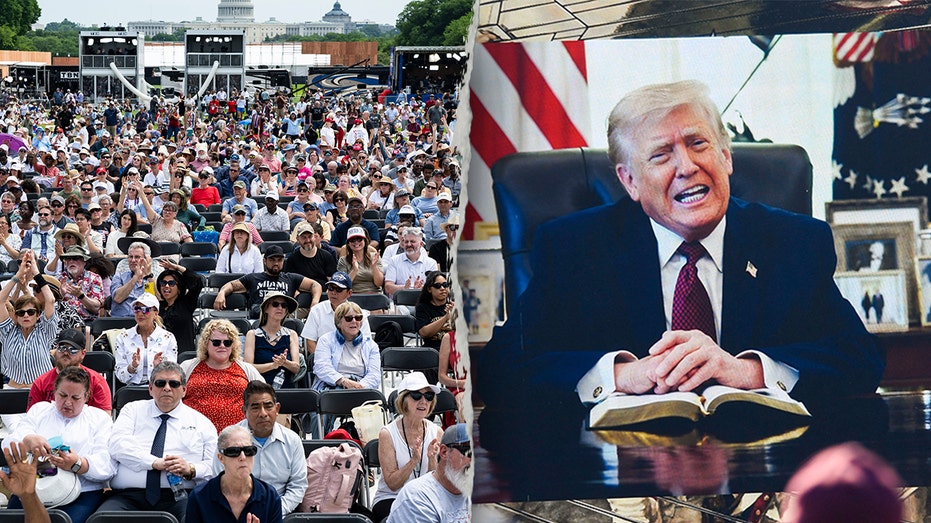
Thousands of Americans packed the National Mall on Sunday for the “Rededicate 250: A National Jubilee of Prayer, Praise & Thanksgiving” rally. The event brought together a notable array of conservative voices, including top Trump administration officials, Republican lawmakers, and prominent Christian leaders, all united in celebrating the nation’s upcoming quarter-millennium milestone and reaffirming its identity as “One Nation Under God.”
Former President Donald Trump, in a prerecorded message, delivered a powerful call for national prayer. He read directly from 2 Chronicles 7:14, a well-known biblical passage that urges humility and seeking divine guidance. Trump recited, “If my people, which are called by my name, shall humble themselves, and pray, and seek my face, and turn from their wicked ways, then will I hear from heaven, and will forgive their sin, and will heal their land.” His message underscored a consistent theme of his public life, urging Americans to turn to faith as the nation approaches its 250th birthday.
The former president’s remarks set a tone for the gathering, emphasizing the importance of spiritual renewal and a return to foundational principles. This message resonated deeply with attendees, many of whom traveled from across the country to participate in what they viewed as a pivotal moment for national identity.
The rally featured a robust lineup of speakers who echoed the sentiment of America’s deep-rooted spiritual identity. Vice President JD Vance characterized the United States as “a nation of prayer,” asserting that faith has fundamentally shaped the country since its inception. He highlighted how millions continue to seek solace and strength in prayer during both trials and triumphs.
Secretary of State Marco Rubio similarly connected the nation’s identity to its Christian heritage, stating, “From the beginning, we have carried the belief that our country represents something new in the world. But the soul of our nation has always been rooted in an ancient faith.” Director of National Intelligence Tulsi Gabbard urged Americans to embrace humility, reminding the audience that the nation’s founders themselves “knelt” and “asked for God’s mercy” before laying the groundwork for the republic.
Other notable figures addressing the crowd included:
Their collective messages reinforced the event’s purpose: to rededicate the nation to its core spiritual tenets ahead of a significant historical anniversary.
“If my people, which are called by my name, shall humble themselves, and pray, and seek my face, and turn from their wicked ways, then will I hear from heaven, and will forgive their sin, and will heal their land.” – Former President Donald Trump, quoting 2 Chronicles 7:14
The “Rededicate 250” rally, as reported by News Desk, served as a powerful testament to the enduring role of faith in American public life and conservative thought. It underscored the belief among many that the nation’s strength and future are inextricably linked to its spiritual foundations. The gathering was not merely a commemoration of history but a forward-looking appeal for national unity and moral fortitude, grounded in shared religious values.
As the United States prepares to mark its 250th year, events such as this prayer rally highlight a significant segment of the population’s desire to see a continued emphasis on faith, family, and order in the national discourse. The collective call for prayer and reflection on the National Mall represents a powerful reaffirmation of traditional American values at a crucial juncture in the nation’s story.
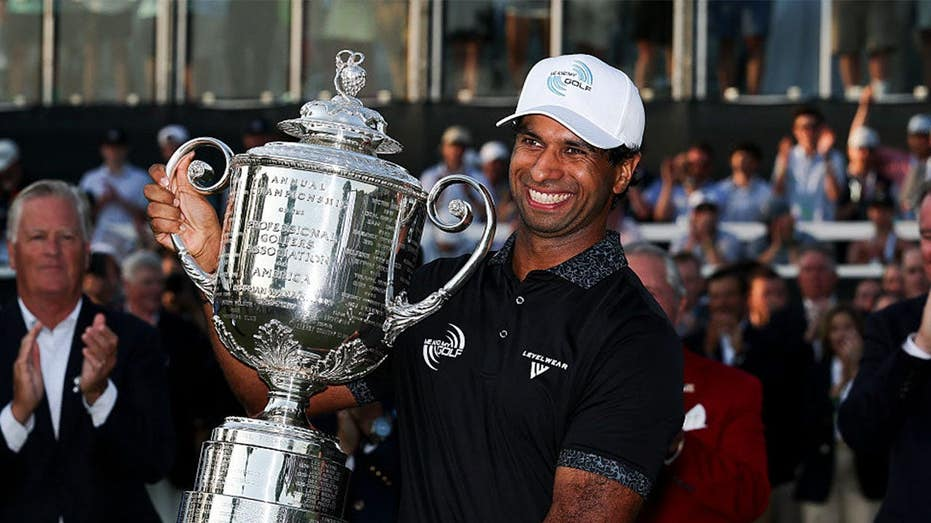
Aronimink Golf Club witnessed a historic display of composure and skill on Sunday as England’s Aaron Rai, previously ranked 44th in the world, dramatically captured the 2026 PGA Championship. In a final round where an astonishing 21 players were within four shots of the lead, Rai separated himself from the elite contenders with a masterful performance, securing a three-shot victory that cements his place in golf history.
The final day of the PGA Championship promised unparalleled drama, with the leaderboard tighter than any major in recent memory. Alex Smalley held the 54-hole lead, but the field behind him was a who’s who of golf’s elite. Rai, starting strong with an opening birdie, quickly faced the immense pressure inherent in a major championship’s final round. A challenging par-3 eighth hole saw him in trouble, airmailing the green after a poor tee shot. Yet, his ability to convert a crucial four-foot putt for bogey demonstrated a resilience vital for major champions. This “momentum saver,” as some analysts described it, proved pivotal.
The momentum Rai salvaged on the eighth was swiftly capitalized upon. Approaching the par-5 ninth, a strategic opportunity presented itself. Rai reached the green in two shots, then sank an improbable 40-foot eagle putt. This spectacular shot provided a significant boost heading into the back nine, traditionally the tougher stretch of the course. While many players seemed to stall, Rai shifted gears, showing an aggressive yet controlled approach that set him apart.
As the final groups navigated the challenging back nine, Rai continued his march. A birdie on the par-4 11th further solidified his position. Perhaps the defining moment came on the 299-yard par-4 13th. Faced with a precarious 40-yard bunker shot, Rai had a choice: play it safe for a long birdie putt or attempt a more aggressive line. His execution was flawless, leading to another crucial birdie that extended his lead. This calculated risk, according to reports from Fox News, highlighted his confidence and strategic acumen.
“Rai’s journey from 44th in the world to a major champion epitomizes the spirit of competitive golf – where patience, precision, and timely aggression define greatness.”
Aaron Rai’s triumph at Aronimink is more than just a victory; it is a testament to perseverance and the ability to perform under the most intense pressure. His calm demeanor and strategic decision-making throughout a tumultuous final round serve as a powerful example for aspiring athletes. This major championship win will undoubtedly elevate Rai’s standing in the world of golf, marking him as a formidable competitor capable of seizing the biggest prizes. The 2026 PGA Championship will long be remembered for the Englishman’s remarkable surge and his unwavering resolve.


